

Glass-top stoves look sleek and are easy to wipe clean, but they’re not as forgiving as traditional coil burners. Everyday habits, from sliding cookware to using the wrong cleaner, can gradually leave scratches, stains, or even permanent damage. These clever hacks focus on the small changes that help keep your cooktop looking and performing its best.
Lift Heavy Cookware Instead Of Sliding It
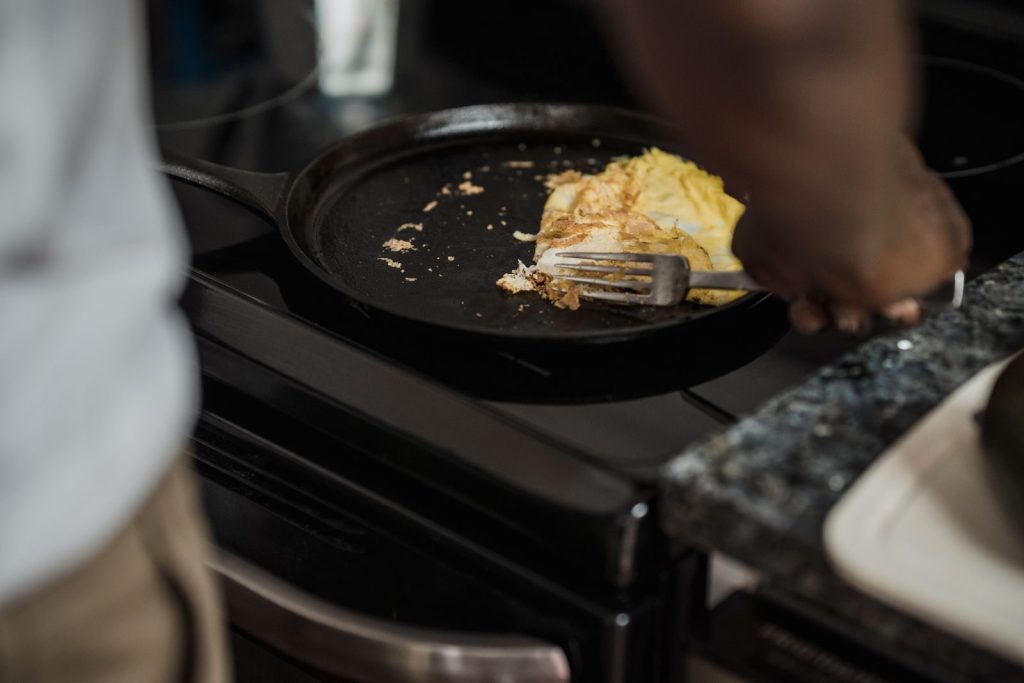
Cast iron, stoneware, and heavy stainless-steel pots can scratch the glass if they’re dragged across the surface. Even cookware with smooth bottoms can trap tiny grains of salt or food underneath, turning them into abrasives. Lifting instead of sliding quickly becomes a habit that helps preserve the finish.
Sugar Spills Need Immediate Attention
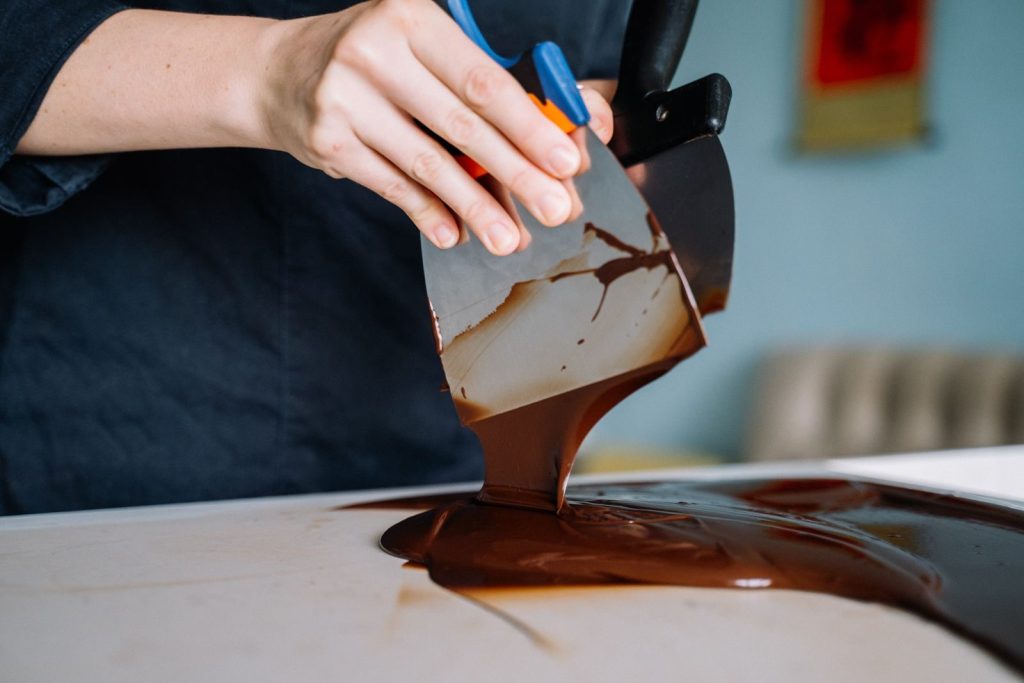
Jam, caramel, marshmallows, or sugary syrups can bond to hot glass and become surprisingly difficult to remove once they cool. Manufacturers often recommend carefully removing sugary spills as soon as it’s safe, using the proper scraper if needed, before they harden permanently.
Check The Bottom Of Your Pots Before Cooking

Many scratches don’t come from the cookware itself but from what’s stuck underneath. Burnt-on food, tiny pebbles from outdoor cooking, or even dried grains of rice can leave fine marks when a pan is moved across the surface.
Save The Glass Cleaner For Windows

Standard household glass cleaners often leave streaks or residues that aren’t designed for hot cooking surfaces. Specialty cooktop cleaners are formulated to remove grease while helping maintain the polished finish without damaging the surface.
Don’t Turn Your Cooktop Into Extra Counter Space

It’s tempting to leave grocery bags, heavy appliances, or stacks of cookware on a cool cooktop. Even when it’s switched off, the glass isn’t designed to be used as a storage shelf, and unexpected impacts can lead to chips or cracks.
Use The Right Scraper The Right Way
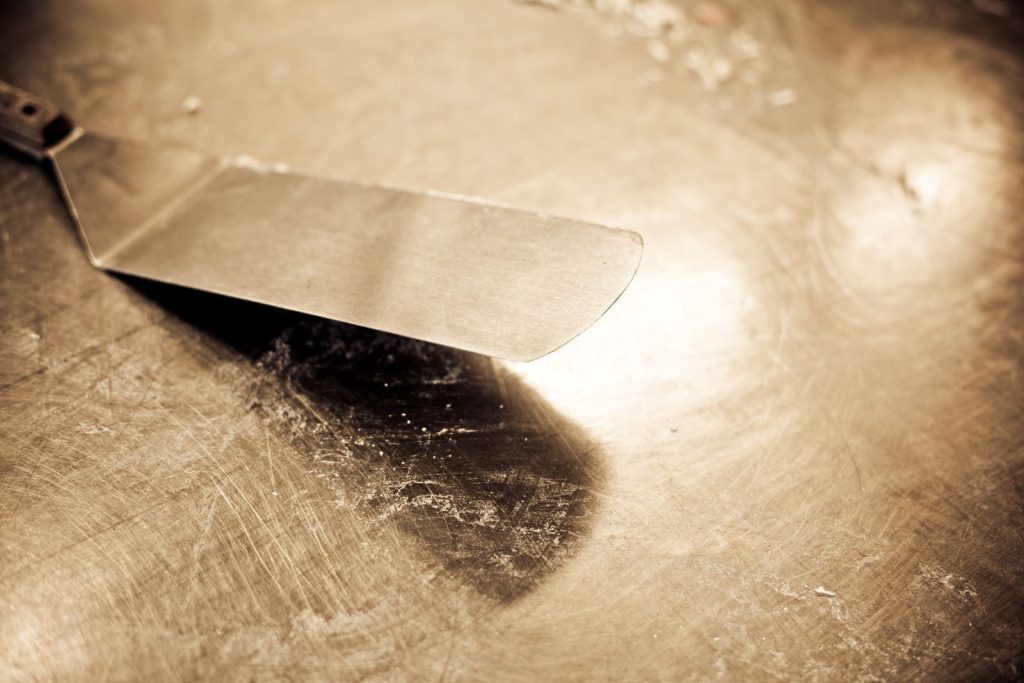
Cooktop scrapers are designed to remove burnt-on residue without scratching the glass, but only when held at the proper angle. Digging the blade into the surface or using metal tools that aren’t intended for glass cooktops can do more harm than good.
Let The Surface Cool Before Deep Cleaning

Spraying cleaner onto a hot cooktop can create streaks, unpleasant fumes, or cause the product to evaporate before it has time to work. Waiting until the surface has cooled allows cleaners to break down residue more effectively while making the job easier.
A Few Small Habits Can Keep It Looking New

Glass-top stoves are built for everyday cooking, but they reward careful use. Lifting cookware, cleaning up sugary spills quickly, using the right products, and treating the surface as a cooking appliance instead of extra counter space can help preserve both its appearance and performance for years.