

Extreme heat isn’t just uncomfortable. It can affect sleep, concentration, outdoor plans, and even how well your home stays cool. While air conditioning helps, many effective heat strategies don’t involve lowering the thermostat. These summer hacks focus on small changes that can make hot days more manageable while helping you stay safer during prolonged heat.
Close Your Curtains Before The Heat Arrives
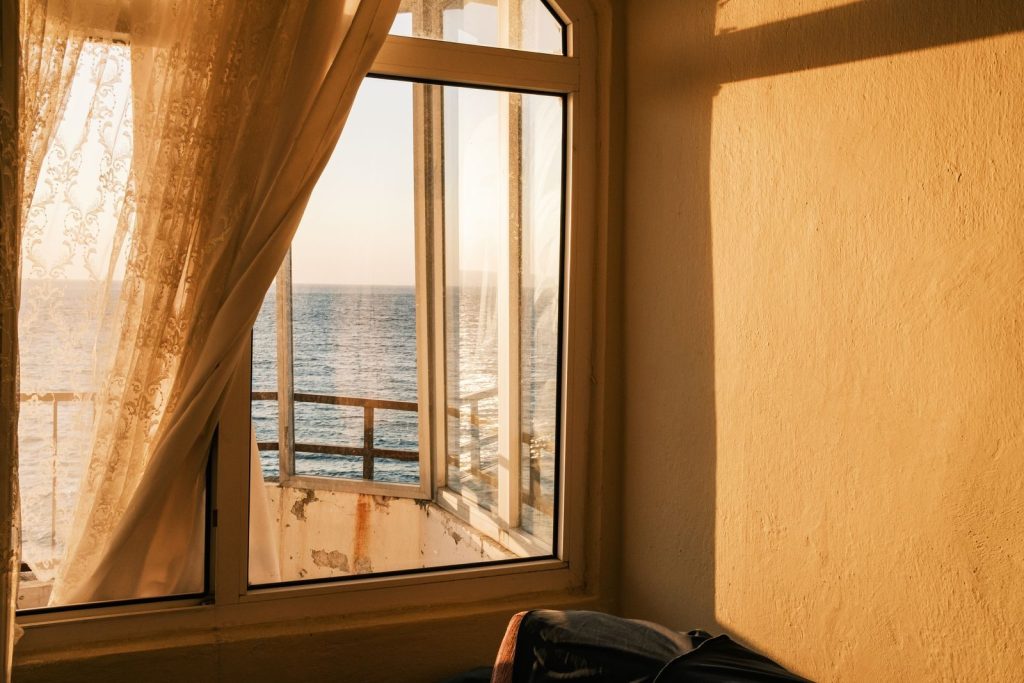
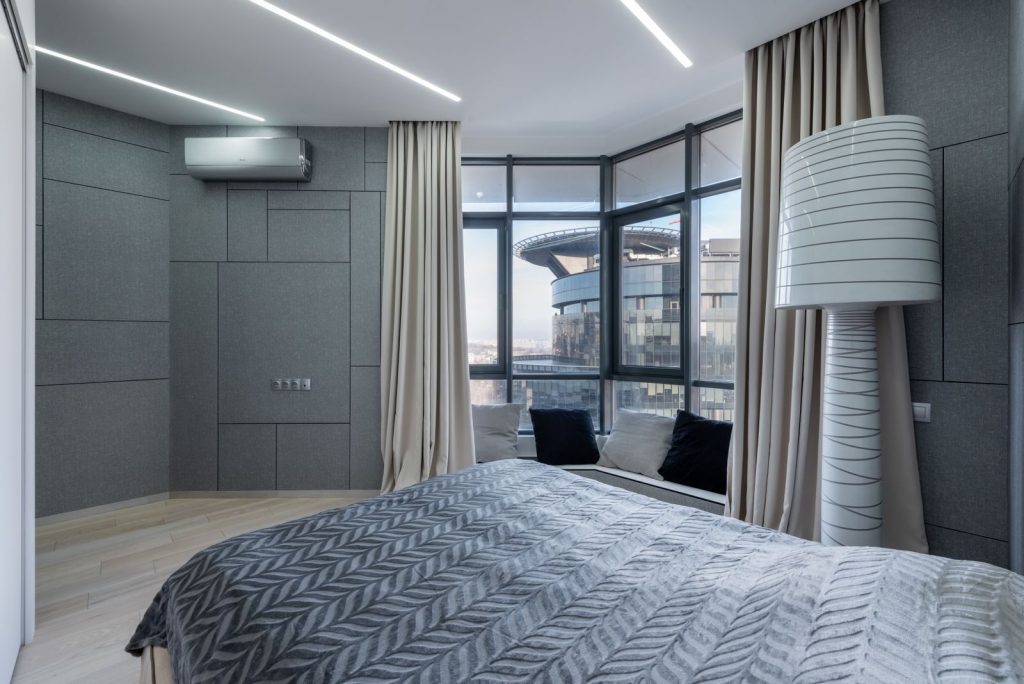
Many people wait until their home already feels hot before shutting blinds or curtains. By then, sunlight has already heated floors, furniture, and walls. Closing curtains during the coolest part of the morning, especially on sun-facing windows, helps reduce indoor heat before it builds up.
Create Cross Ventilation Instead Of Opening Every Window
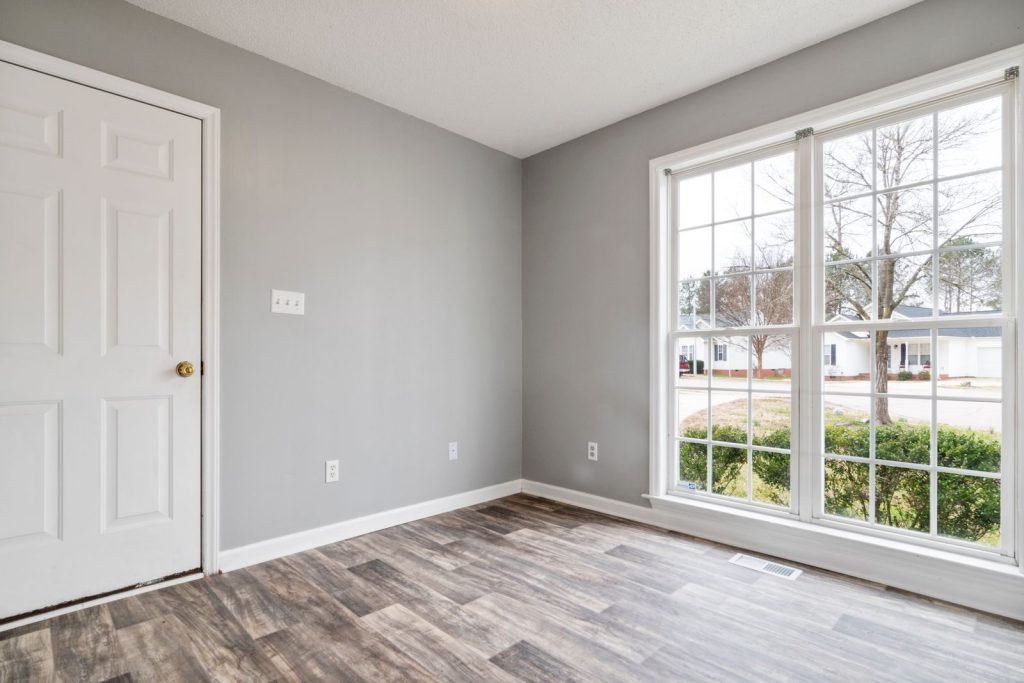
Opening every window isn’t always the fastest way to cool a home. A better approach is creating a path for air by opening windows on opposite sides of the house when outdoor temperatures are lower than indoors, allowing cooler air to move through naturally.
Freeze A Water Bottle Before Bed
Instead of relying only on fans, freeze a reusable water bottle and wrap it in a thin towel. Placing it near your feet or using it to cool pulse points can provide temporary relief on especially warm nights without making your bedding damp.
Don’t Forget Your Car’s Hidden Heat
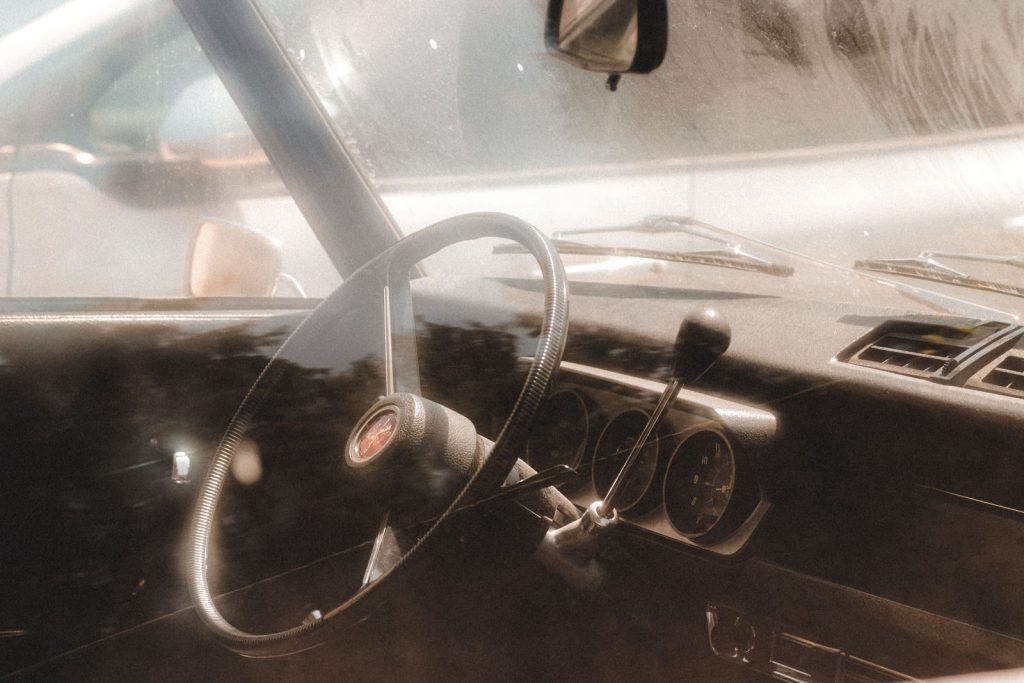
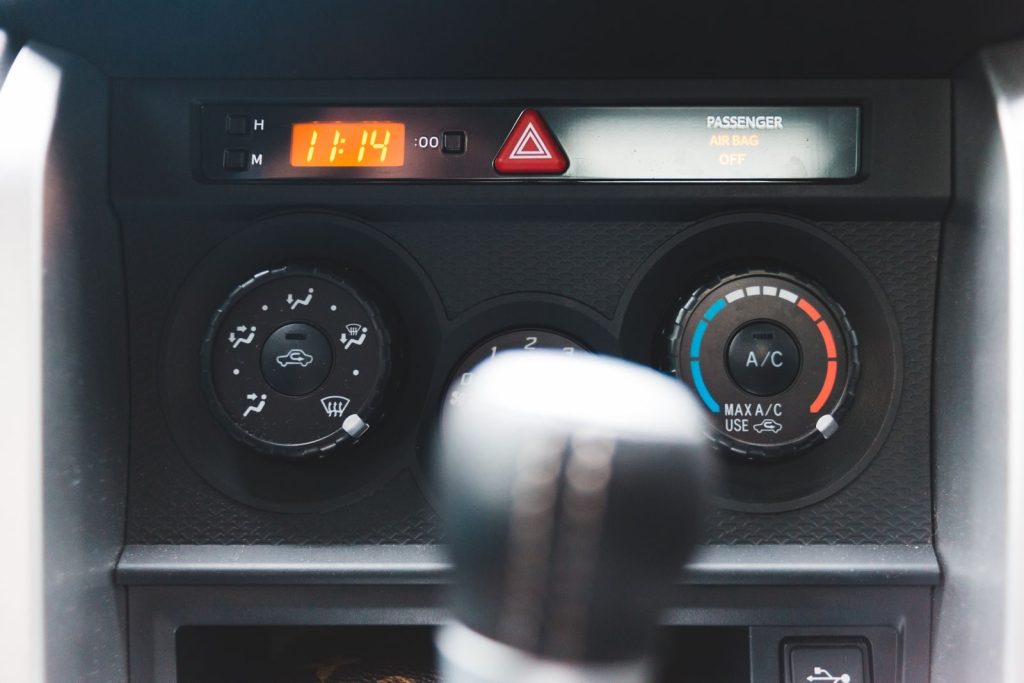
The inside of a parked car can become dangerously hot within minutes, even on days that don’t feel extreme. Before driving, open multiple doors for a short time to release trapped hot air before turning on the air conditioning.
Eat Foods That Require Less Cooking

Using an oven or stovetop adds extra heat to your home. During prolonged heat waves, meals built around salads, chilled soups, fruit, yogurt, or outdoor grilling can help reduce indoor temperatures while making cooking more comfortable.
Know Which Rooms Stay Coolest

Not every room heats up at the same rate. Basements, shaded rooms, and north-facing spaces often remain noticeably cooler during the hottest part of the day. Spending a few hours in these naturally cooler areas can reduce heat exposure without increasing electricity use.
Check On Your Electronics Too
Phones, laptops, power banks, and tablets can overheat during heat waves, especially when left in cars or direct sunlight. If a device displays a temperature warning, move it to a cooler place and allow it to return to normal gradually instead of placing it in a refrigerator or freezer.
Staying Cool Starts Before You Feel Hot
Heat waves are easier to manage when you prepare before temperatures peak. Keeping sunlight out, improving airflow, cooling your sleeping space, adjusting meals, and protecting both yourself and your electronics can make long stretches of hot weather far more comfortable. Often, the smartest summer hacks are the ones you put into practice before the heat arrives.