

Ocean camping isn’t simply pitching a tent near the beach. Around the world, adventurers have found creative ways to spend nights surrounded by open water, using tides, floating structures, expedition boats, and even marine research techniques to experience places most travelers never see. These hacks aren’t about surviving the ocean. They’re about unlocking experiences that go far beyond a traditional campsite.
Time Your Camp Around The Tide, Not The Clock
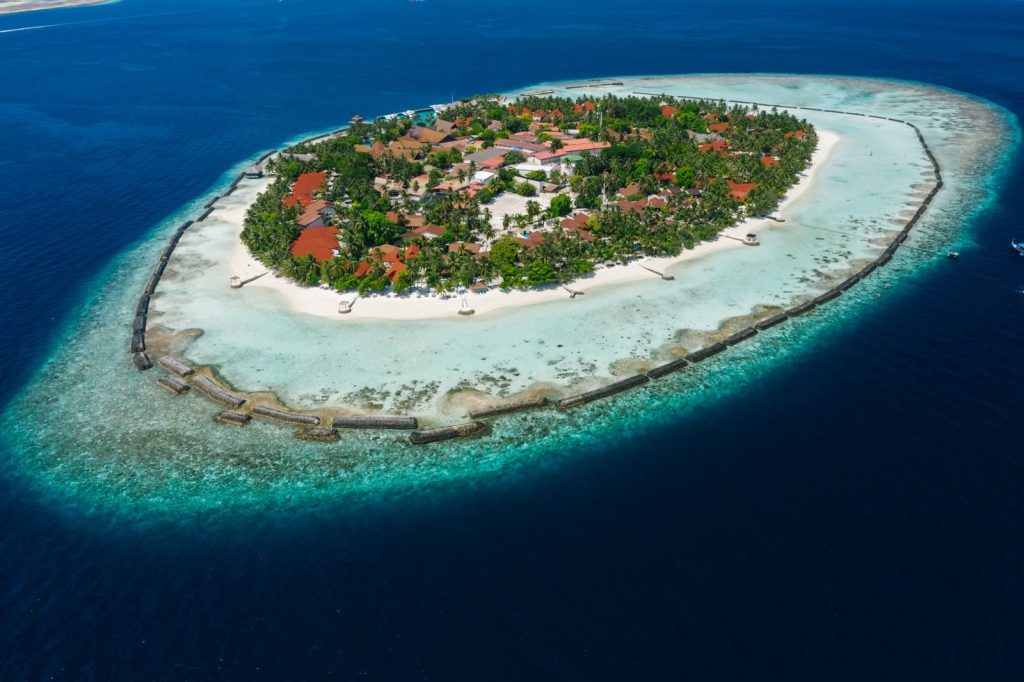
Experienced ocean campers often plan their entire day around tide tables instead of sunrise or sunset. A campsite that’s dry and accessible at low tide may disappear beneath the sea just hours later. Understanding tidal windows can reveal temporary beaches, sandbars, and landing spots that simply don’t exist all day.
Use Floating Eco Platforms As Your Basecamp
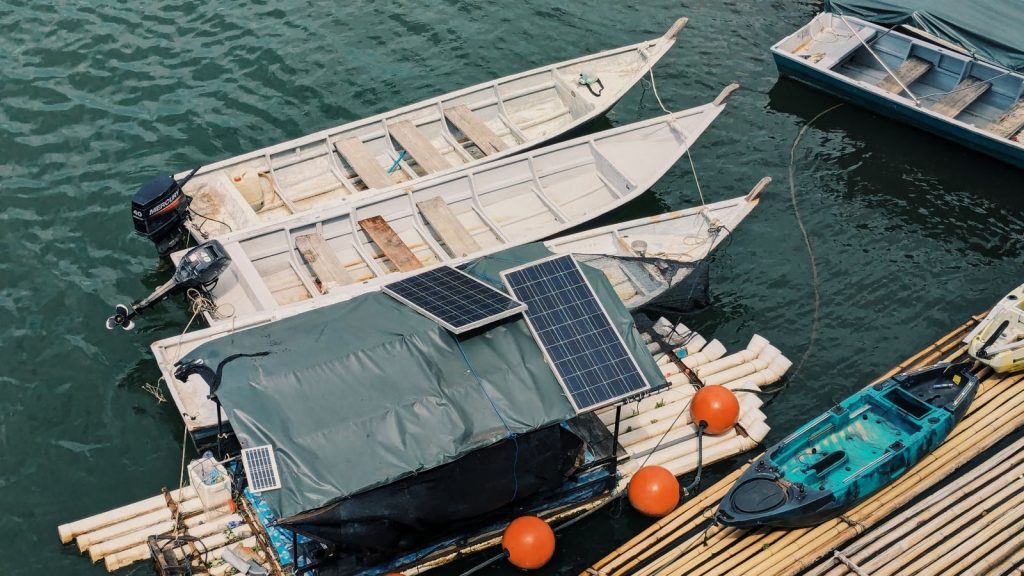
Several marine parks and eco-tourism operators now offer floating platforms designed for overnight stays, snorkeling, and marine observation. Unlike boats, these stationary platforms let you experience open water without constantly moving. Similar offshore platform concepts have even been explored for sustainable ocean use.
Camp Where The Ocean Glows At Night
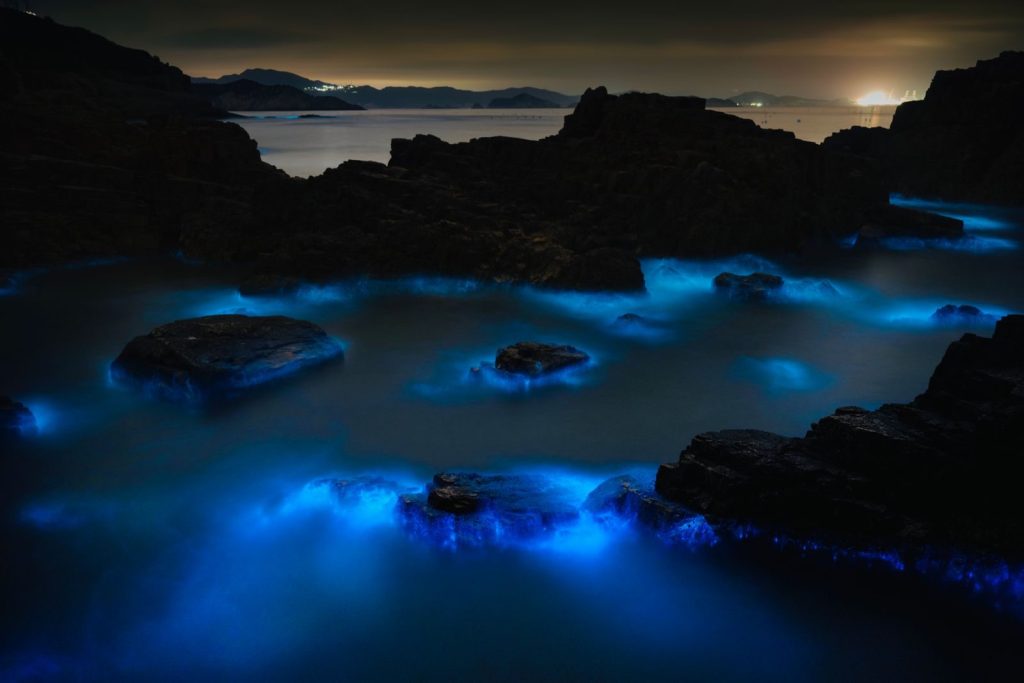
Some coastal regions are famous for bioluminescence, where microscopic marine organisms produce flashes of blue light when disturbed. Planning an overnight stay near one of these locations gives campers the rare chance to experience glowing water after dark. Bioluminescence is a well-documented natural phenomenon used in marine research.
Turn A Dive Boat Into A Floating Hotel
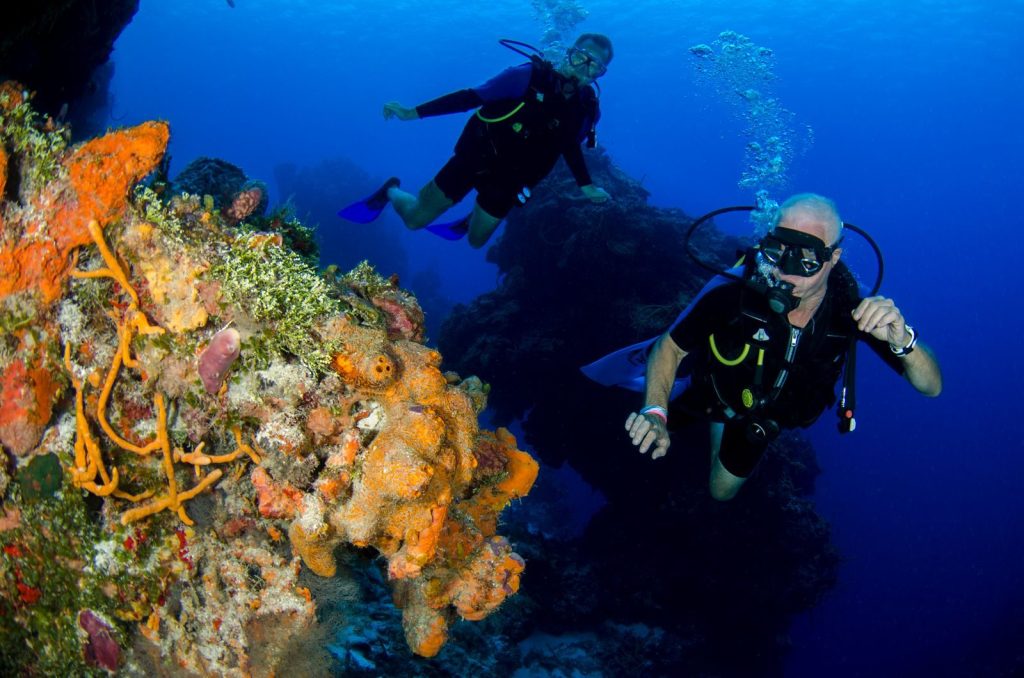
Liveaboard dive boats allow travelers to sleep directly above remote reefs instead of returning to shore after every dive. You wake up at entirely new dive sites each morning, reaching places that ordinary day trips can’t access.
Follow The Stars Instead Of City Lights
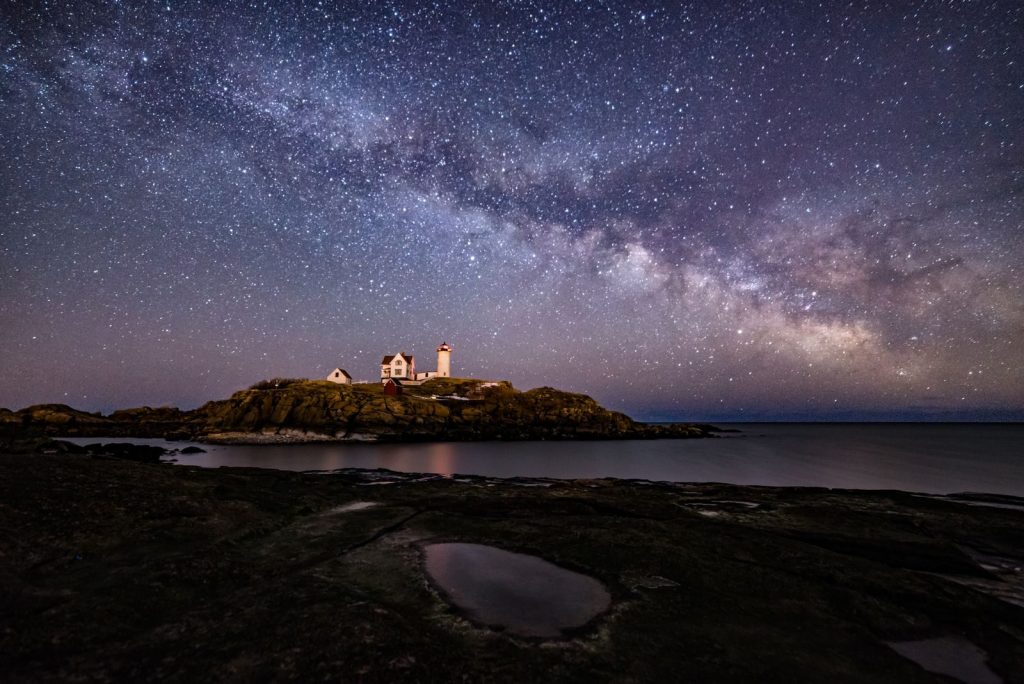
Far offshore, artificial light almost disappears. That means dramatically darker skies, making constellations, meteor showers, satellites, and even the Milky Way far easier to see than from most campsites on land.
Choose Places Where Wildlife Wakes You Up
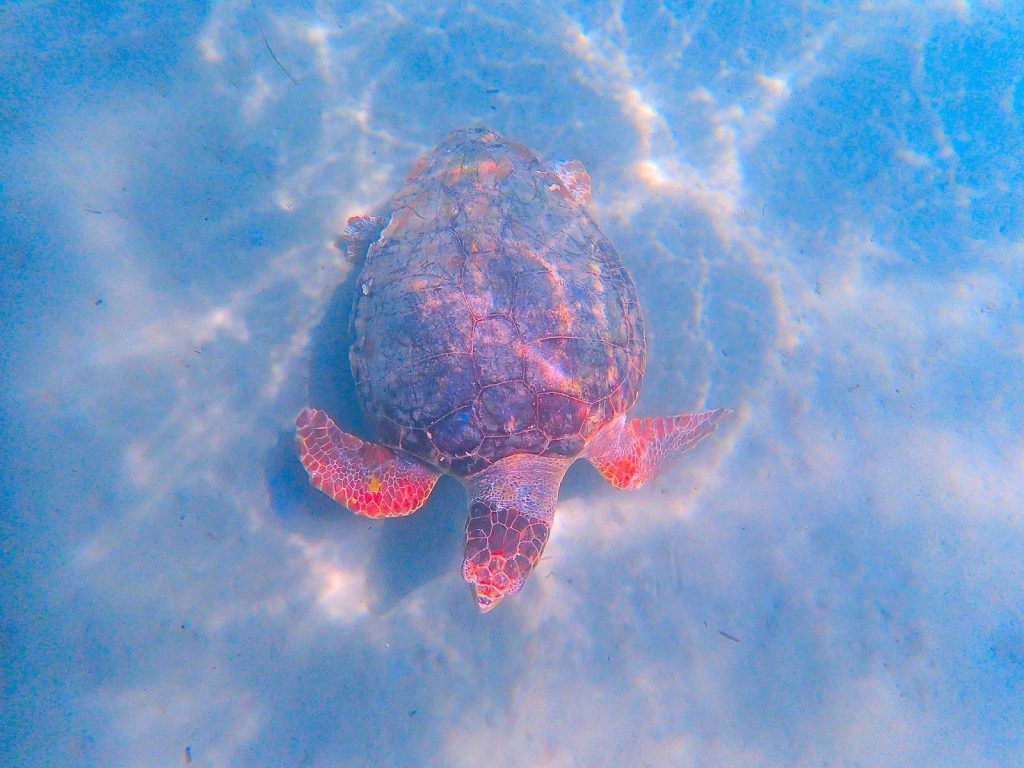
Ocean camping isn’t just about sleeping on the water. It’s about experiencing marine life before the day boats arrive. Depending on the location, sunrise may bring dolphins, manta rays, seabirds, sea turtles, or schools of fish close to your campsite.
Pack Like A Sailor, Not A Backpacker
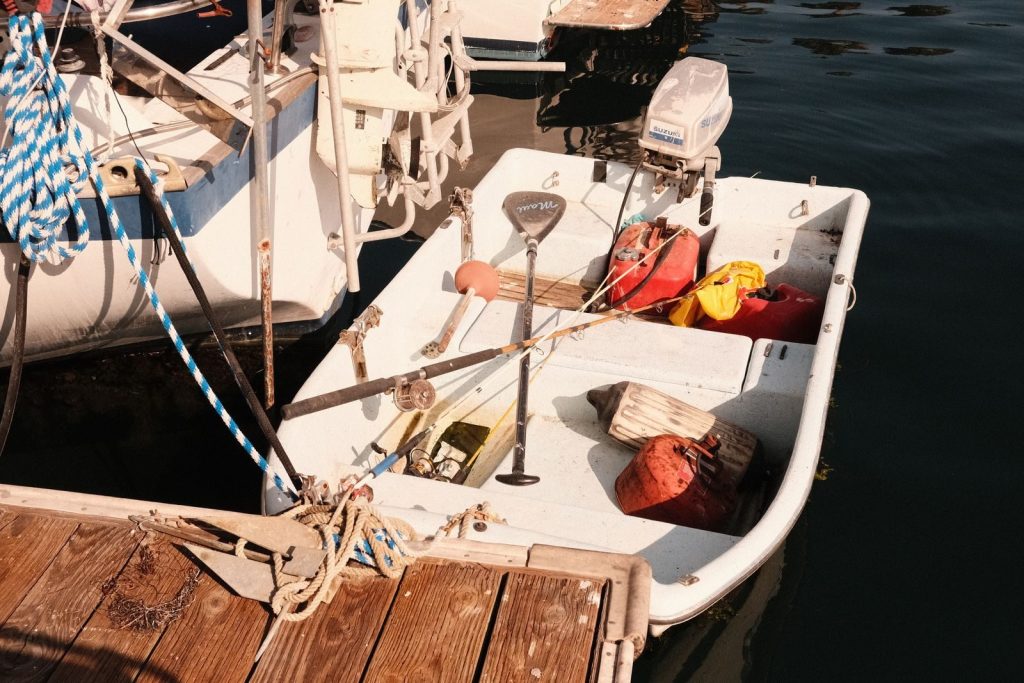
Ocean campers quickly learn that saltwater is tougher on gear than rain. Waterproof dry bags, corrosion-resistant clips, quick-drying clothing, and reef-safe sunscreen often become more valuable than heavy camping equipment. Even experienced liveaboard operators emphasize packing light and protecting equipment from salt exposure.
The Ocean Becomes Part Of The Campsite
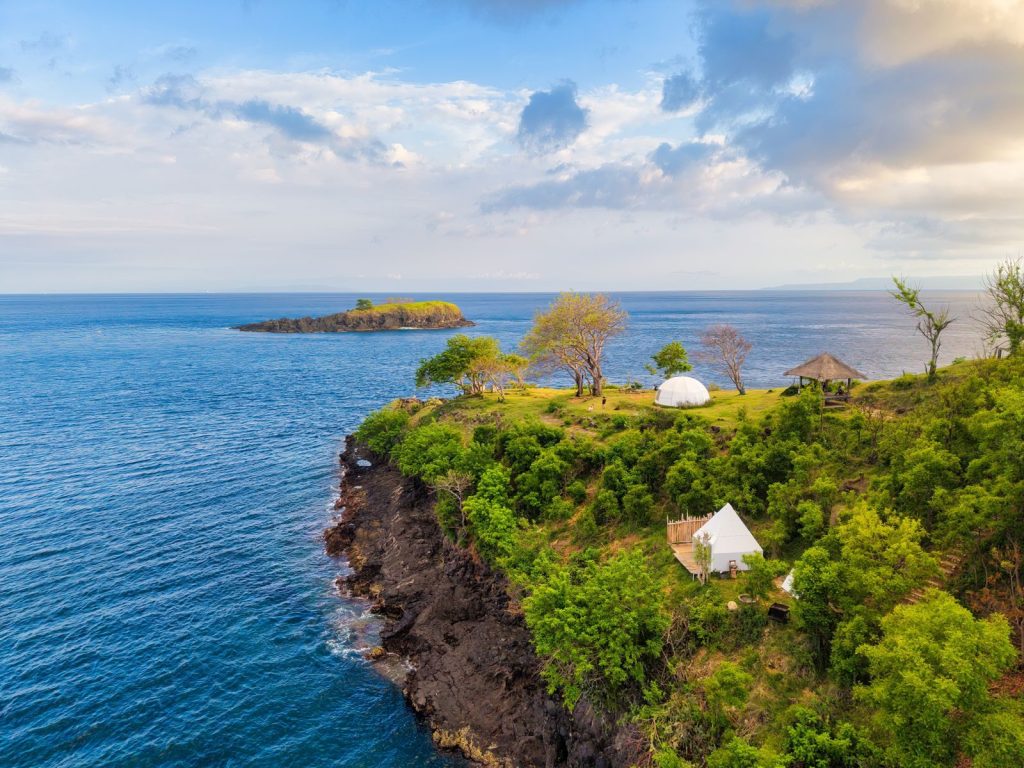
Ocean camping isn’t defined by one type of shelter. It can mean sleeping on a floating platform, exploring tidal sandbars, waking above a coral reef, or watching bioluminescent water shimmer beneath the stars. The best experiences come from understanding how the ocean works and using that knowledge to camp in ways most people never imagine.