

Many anglers cast toward the middle of a lake or river, assuming that’s where the fish are waiting. In reality, fish often spend much of their time around structure, shade, current changes, and natural feeding zones. Learning how to “read the water” can be far more valuable than buying expensive gear. These seven fishing hacks focus on where fish naturally gather and why.
Fish The Edges, Not The Middle
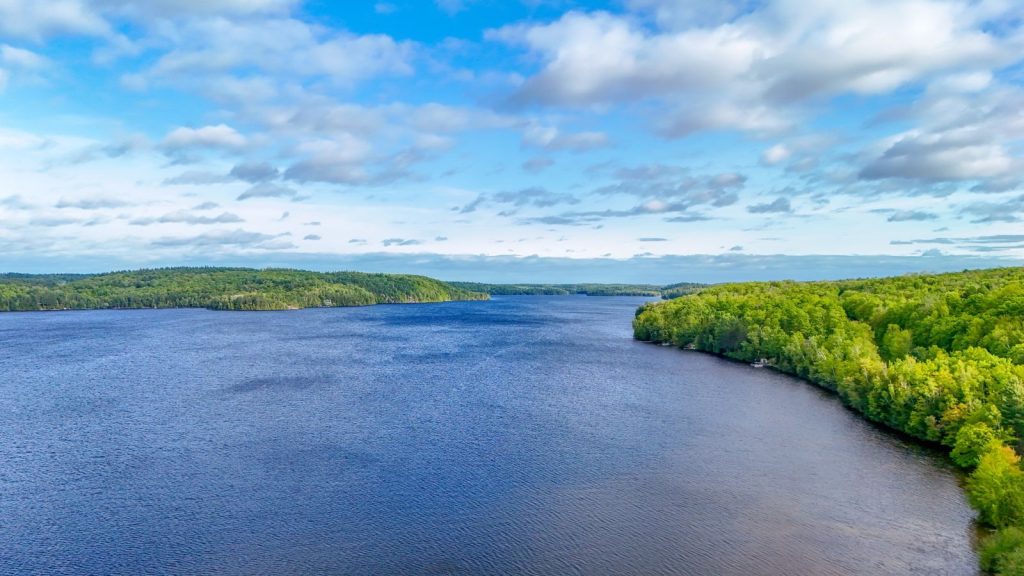
Where two environments meet, fish often gather. Look for the edge of weed beds, the boundary between shallow and deep water, or where muddy water meets clearer water. These transition zones naturally attract baitfish, which in turn attract larger fish.
Fallen Trees Are Natural Fish Apartments
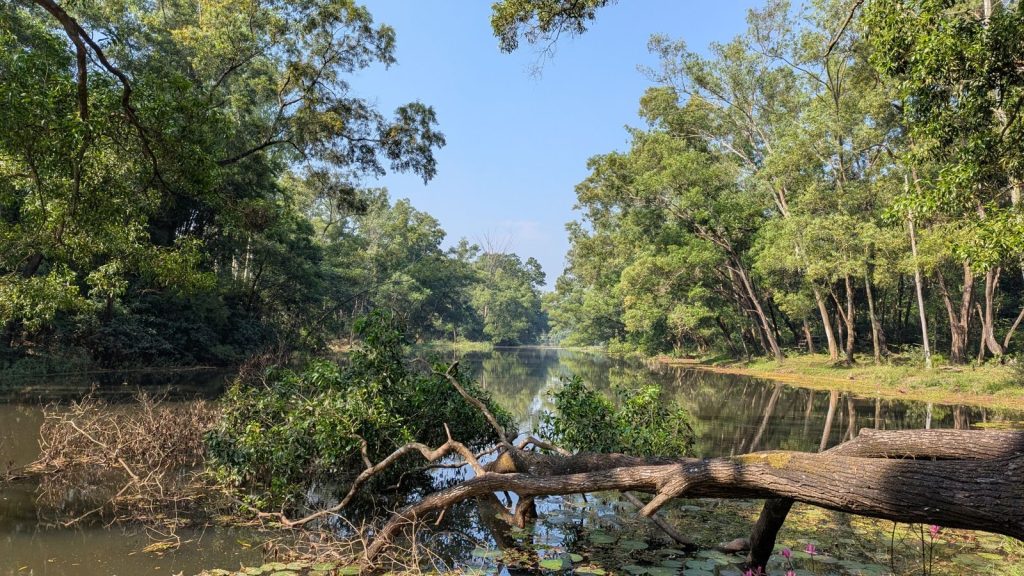
A tree that has fallen into the water creates shade, shelter, and protection from predators. Small fish hide among the branches, making these areas reliable feeding spots for larger species. Rather than casting beyond the tree, work your lure slowly alongside the submerged limbs.
Watch The Birds Before You Cast
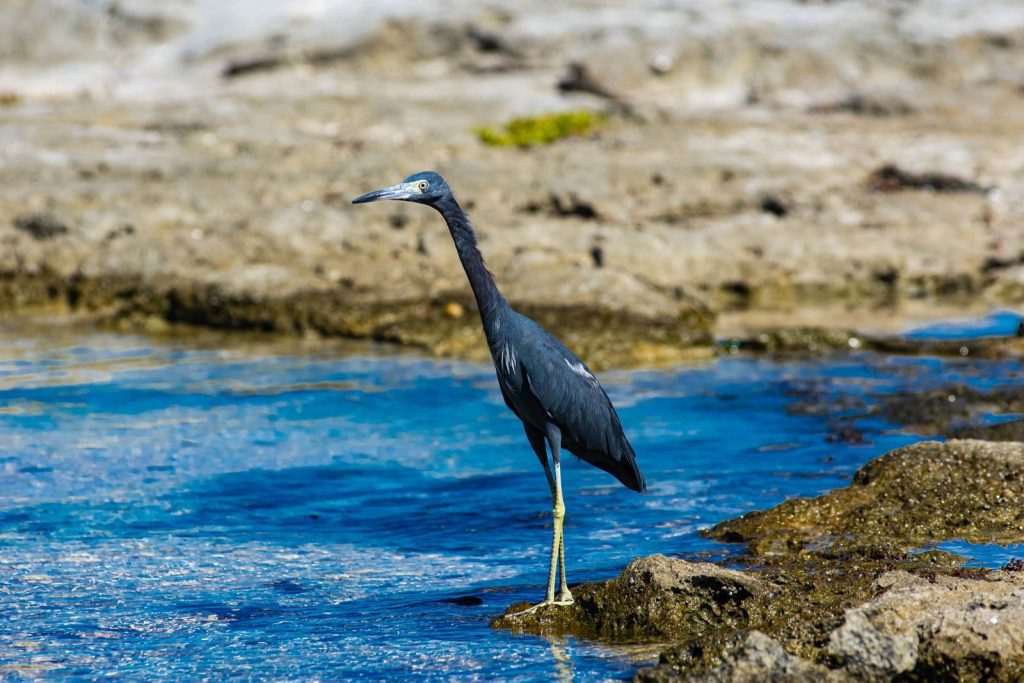
Birds often reveal what’s happening below the surface. Diving birds can signal schools of baitfish, while herons and egrets frequently stand near areas where fish move through shallow water. Paying attention to wildlife can help you narrow down promising locations before making your first cast.
Current Breaks Usually Beat Fast Water
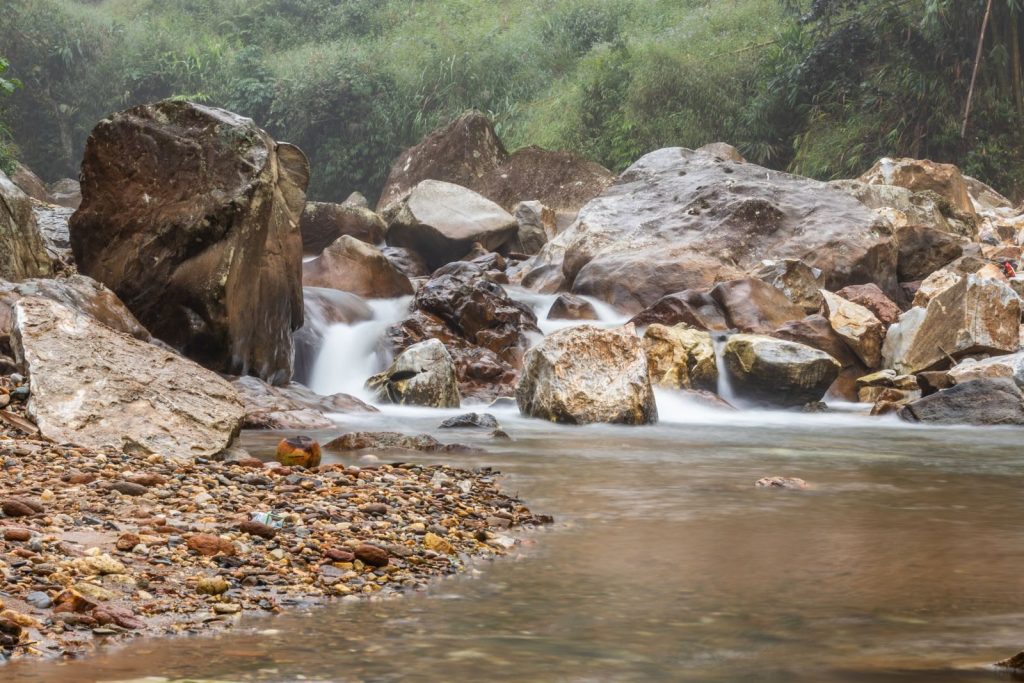
In rivers and streams, fish rarely stay in the strongest current for long. Instead, they often hold behind large rocks, bridge supports, fallen logs, or bends in the river where the water slows while food continues drifting past. These “resting lanes” are among the first places experienced anglers check.
Shade Changes Throughout The Day
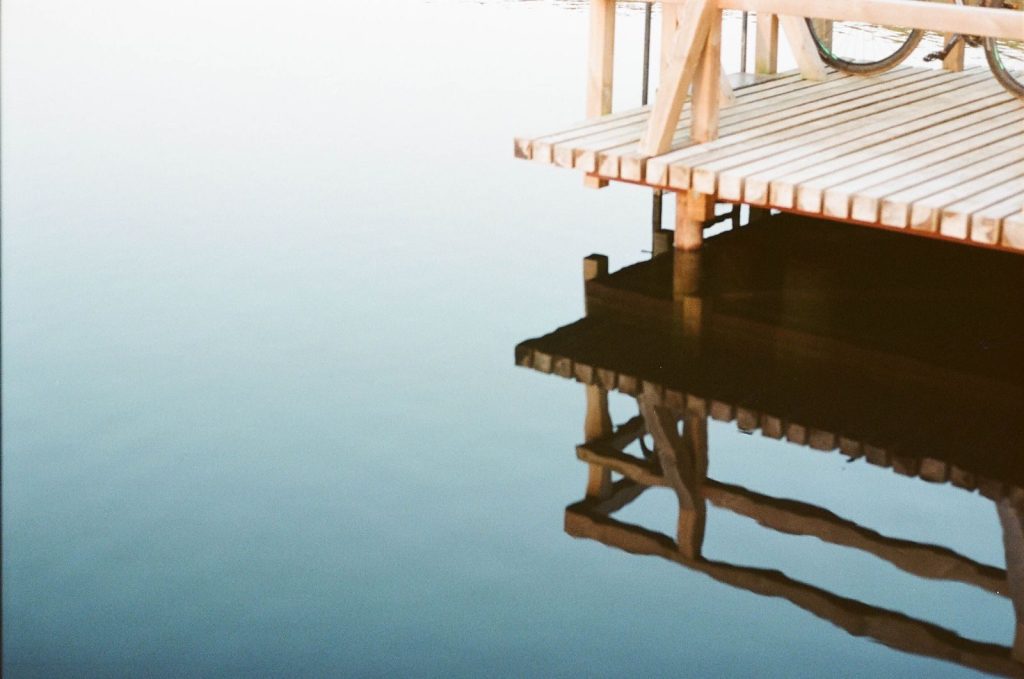
Fish don’t simply look for deep water when temperatures rise. They also seek temporary shade created by docks, overhanging trees, bridges, or steep banks. As the sun moves, those shaded feeding areas move too, making it worth changing your casting angle throughout the day.
Wind Can Bring Fish Closer, Not Push Them Away
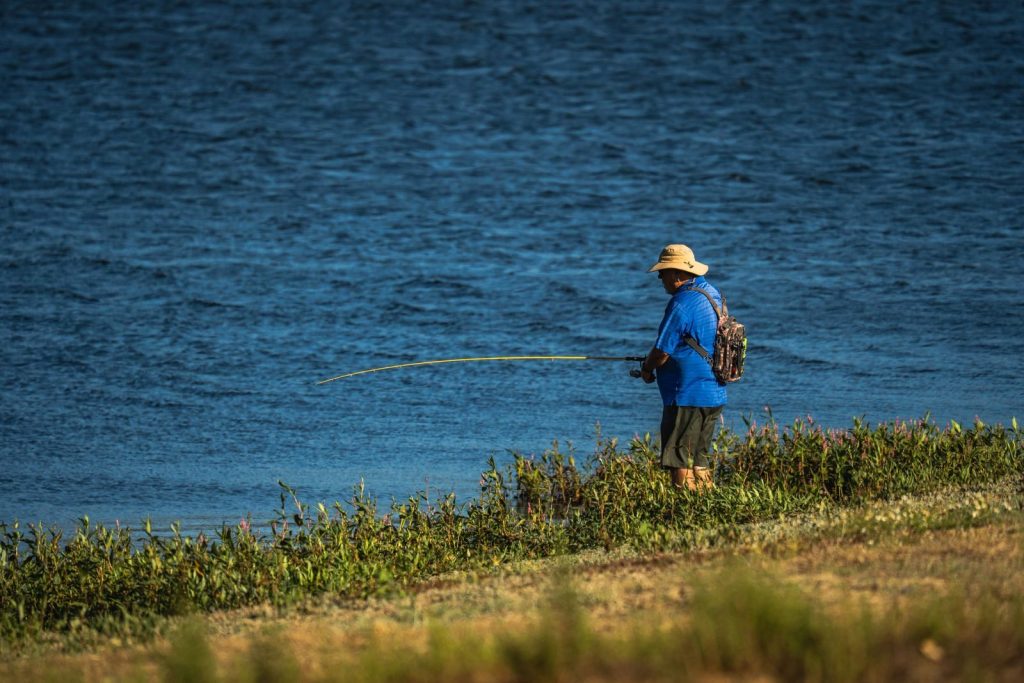
Many beginners avoid breezy conditions, but a light wind often pushes insects, floating food, and baitfish toward one shoreline. That concentration of food can encourage predatory fish to follow. Rather than fishing the calmest bank, check the side where the wind is gently blowing first.
Spend Five Minutes Watching Before The First Cast
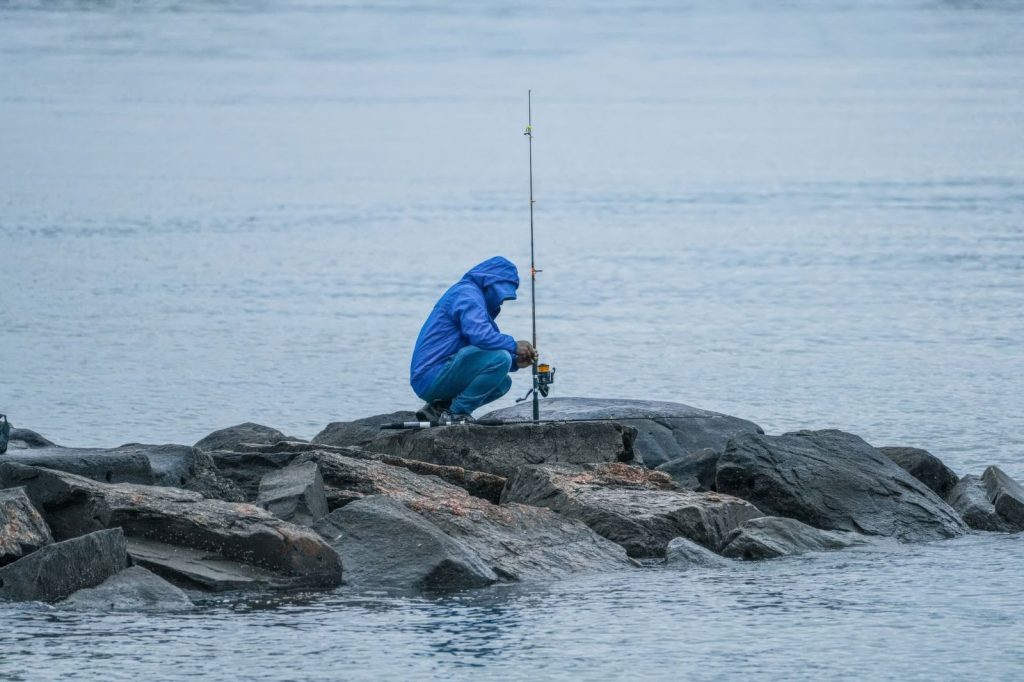
One of the most overlooked fishing habits is simple patience. Before unpacking everything, watch the water. Look for baitfish breaking the surface, ripples near structure, birds feeding, or insects gathering. Those few minutes can reveal far more than making dozens of random casts.
The Best Fishing Spot Often Reveals Itself
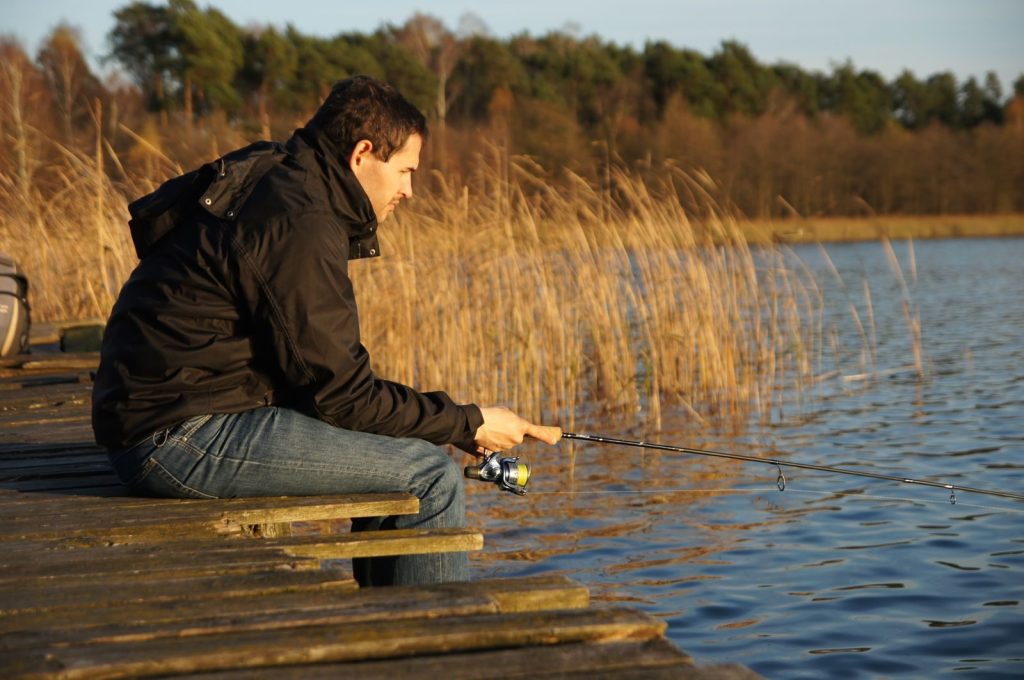
Successful anglers don’t always catch more fish because they own better equipment. More often, they pay closer attention to what the water is telling them. Reading shoreline structure, following wildlife, watching changing light, and understanding how current moves can all improve your chances before your lure even hits the water.