

Pottery has a way of looking complicated from the outside. The truth is that many eye-catching clay projects rely on simple techniques, clever shortcuts, and small design choices that instantly elevate the final result. Once you know where to focus, even beginner-friendly pieces can look polished and intentional.
The real secret is not creating perfect pottery. It is learning a handful of smart approaches that save time, reduce mistakes, and unlock more creative possibilities. These ideas can help transform ordinary clay projects into pieces people will assume came from a boutique studio.
Start With Projects That Hide Imperfections
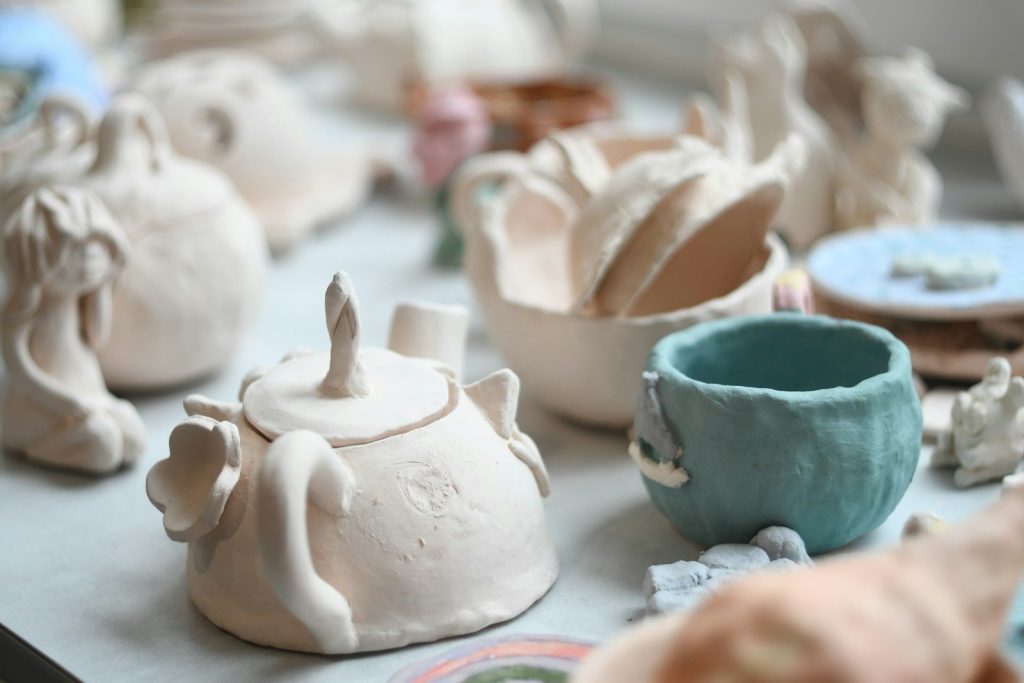
Many beginners jump straight into mugs, bowls, or detailed sculptures and quickly become frustrated. A smarter approach is choosing projects that naturally embrace texture and irregularity. Small dishes, organic trays, and decorative holders often look better when they are not perfectly symmetrical.
This approach removes pressure while helping you build confidence. Instead of fighting every tiny flaw, you can turn fingerprints, soft curves, and handmade textures into part of the design. The result feels artistic rather than unfinished.
Use Everyday Objects As Instant Design Tools
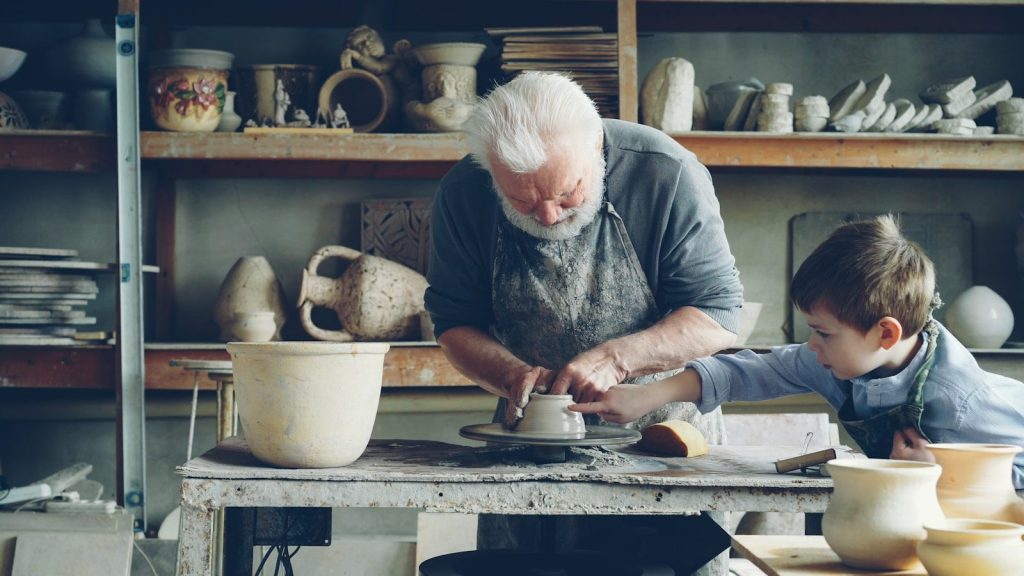
Some of the most interesting pottery details come from items already sitting around your home. Leaves, fabric, lace, textured containers, and kitchen tools can create patterns that would take much longer to carve by hand. Pressing textures into soft clay adds visual interest with almost no extra effort.
The trick is experimenting before committing to a final piece. Test impressions on scrap clay and keep the designs that create the strongest effect. A simple texture can make even a basic project feel custom and unique.
Turn Small Pieces Into Everyday Problem Solvers
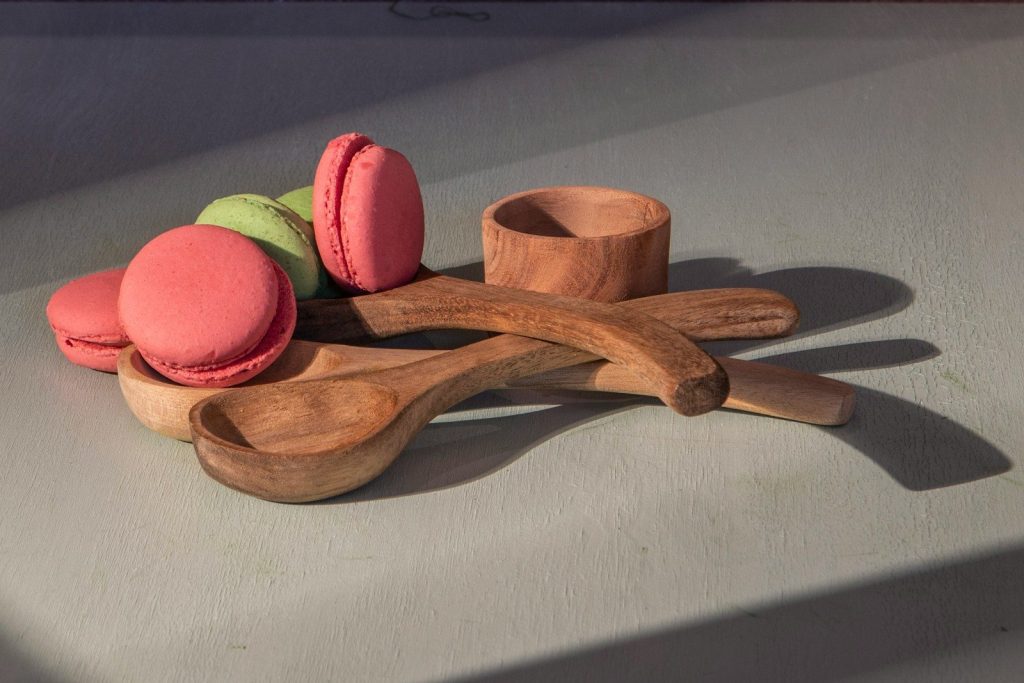
Functional projects often provide the biggest payoff because they get used every day. Ring dishes, spoon rests, soap trays, plant accessories, and desk organizers require less clay than larger creations while delivering practical value.
Focusing on useful items also helps sharpen your design instincts. You naturally start thinking about shape, balance, and convenience, which strengthens skills that transfer to more advanced pottery projects later.
Create Signature Details Instead Of Complex Designs
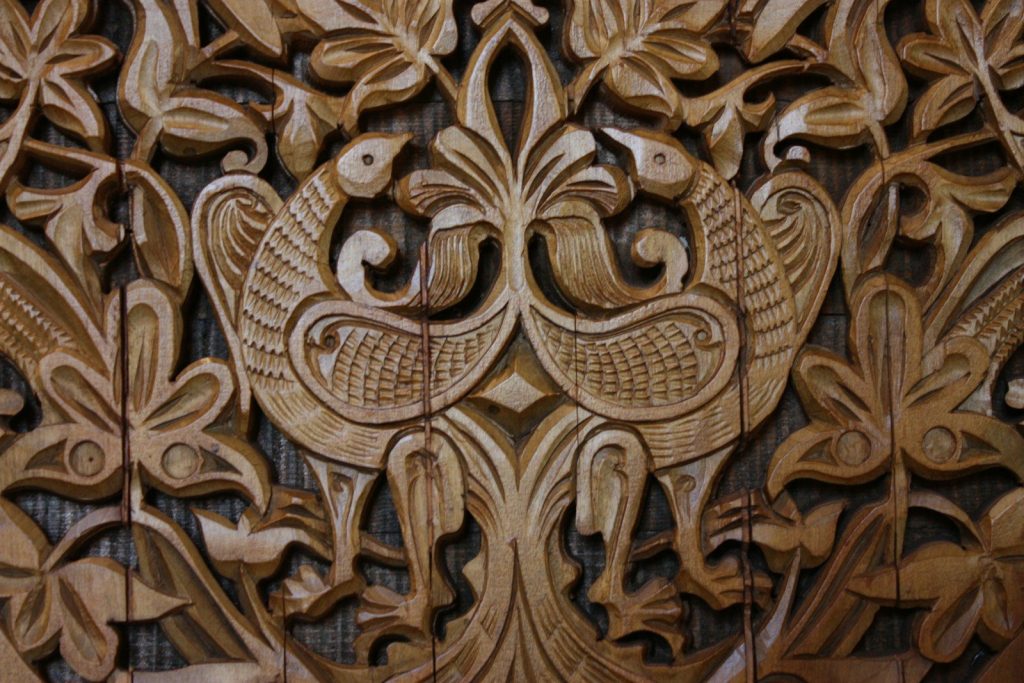
Many people assume creativity means inventing something completely original. In reality, memorable pottery often comes from repeating one small design element consistently. A favorite texture, carved pattern, handle style, or decorative shape can become your personal signature.
This shortcut makes every piece feel connected without requiring endless new ideas. Over time, those small details help your work stand out and develop a recognizable style.
Let Nature Do Some Of The Design Work

Natural forms provide ready-made inspiration that rarely goes out of style. Leaves, flowers, stones, shells, and organic curves can influence both the shape and decoration of a project without requiring advanced artistic skills.
Instead of forcing complicated concepts, borrow from patterns already found outdoors. The results often feel more balanced and visually pleasing because nature has already done much of the design work for you.
Make Color Do The Heavy Lifting
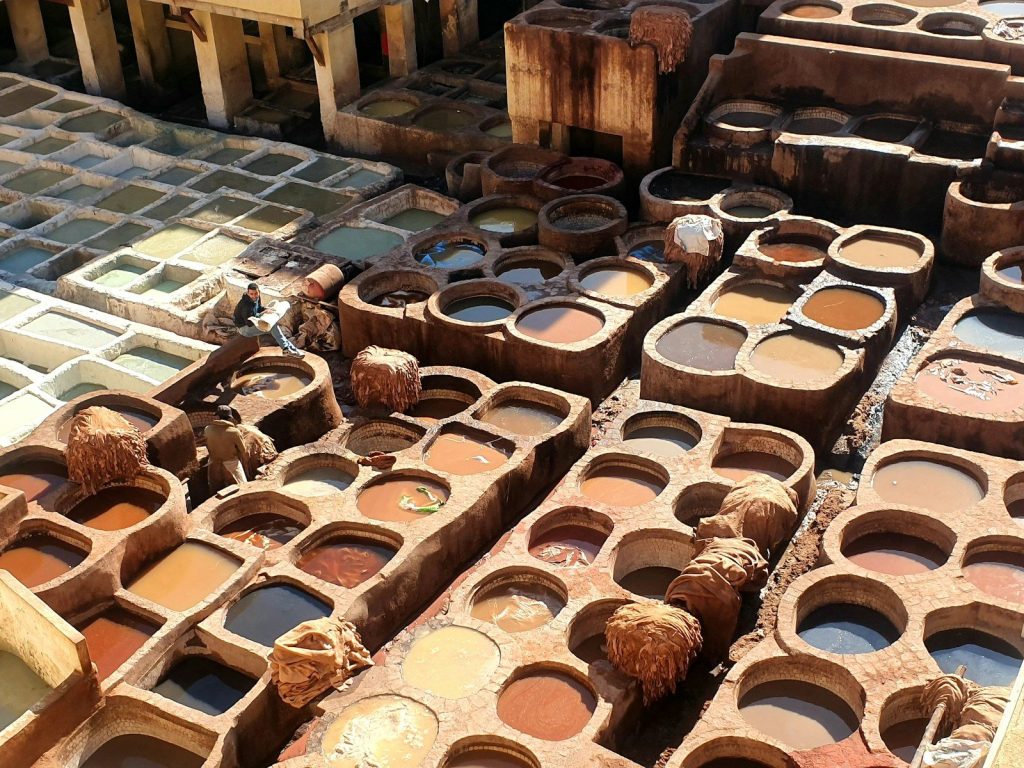
A simple shape can become dramatically more appealing when paired with the right finish. Mixing subtle tones, layering complementary colors, or using soft earthy palettes can transform basic pottery into something that looks far more sophisticated.
This is especially useful for beginners because color choices can distract from minor construction flaws. Even straightforward forms gain personality when the finish feels intentional and cohesive.
Focus On Consistency Before Complexity
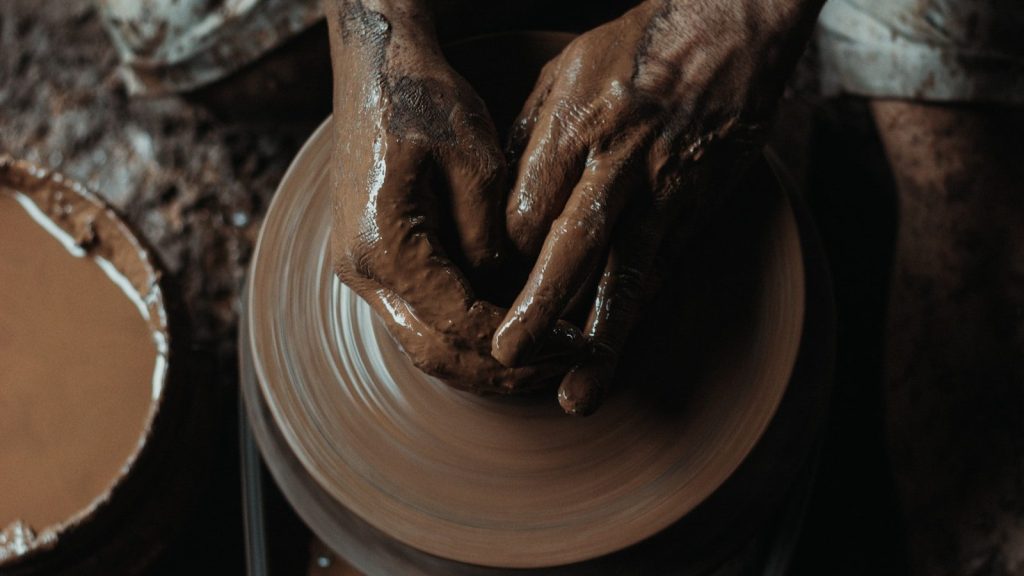
One overlooked shortcut is improving the clay itself before starting a project. Well-prepared clay is easier to shape, less likely to wobble, and produces cleaner results. Many frustrations blamed on technique actually begin with uneven clay preparation.
Building a habit of properly conditioning and working with clay before creating anything can dramatically improve outcomes. Better materials often create better pottery with no additional artistic skill required.
Challenge Yourself With One New Twist At A Time
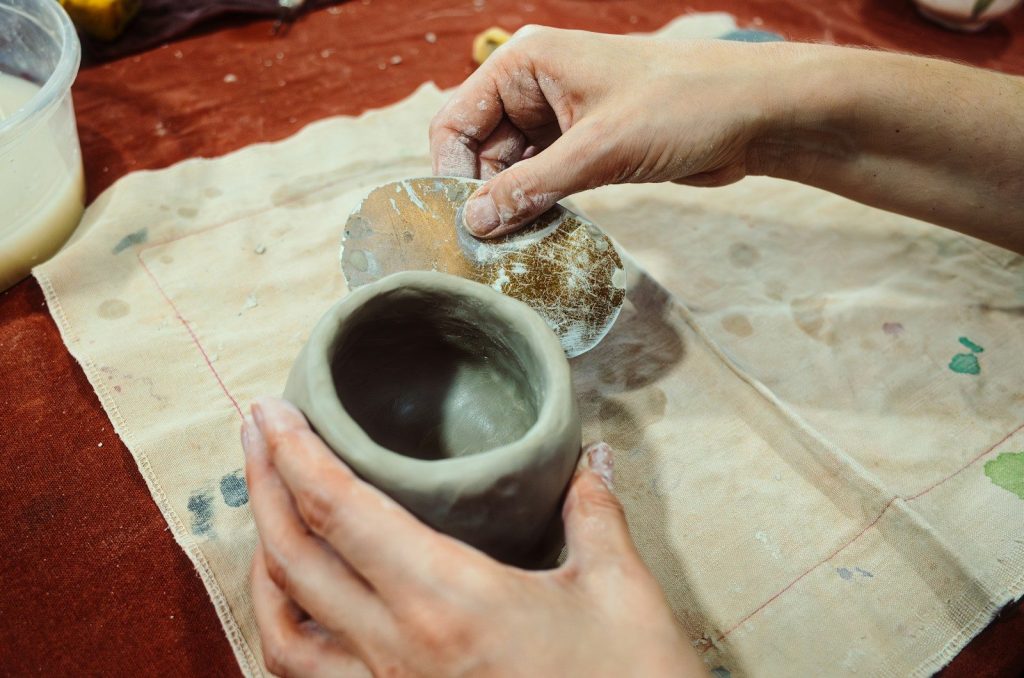
Progress happens faster when each project introduces only one unfamiliar element. Instead of attempting five new techniques at once, try a familiar shape with a new texture, handle, pattern, or decorative feature.
This method keeps projects enjoyable while steadily expanding your abilities. Every finished piece becomes both a success and a learning experience, making the next creation feel a little easier and a lot more exciting.