

Every great room has one feature that quietly grabs attention. Sometimes it is not a designer sofa or a pricey renovation. It is a handmade detail that adds warmth, texture, and personality without looking forced. Wooden wall decor has become one of the easiest ways to create that effect.
What makes it even more interesting is how simple materials can be transformed into eye-catching art with a few smart techniques. These ideas are inspired by creative wood decor projects and focus on practical ways to make your walls stand out while keeping the process approachable and budget-friendly.
Start With Leftover Pieces
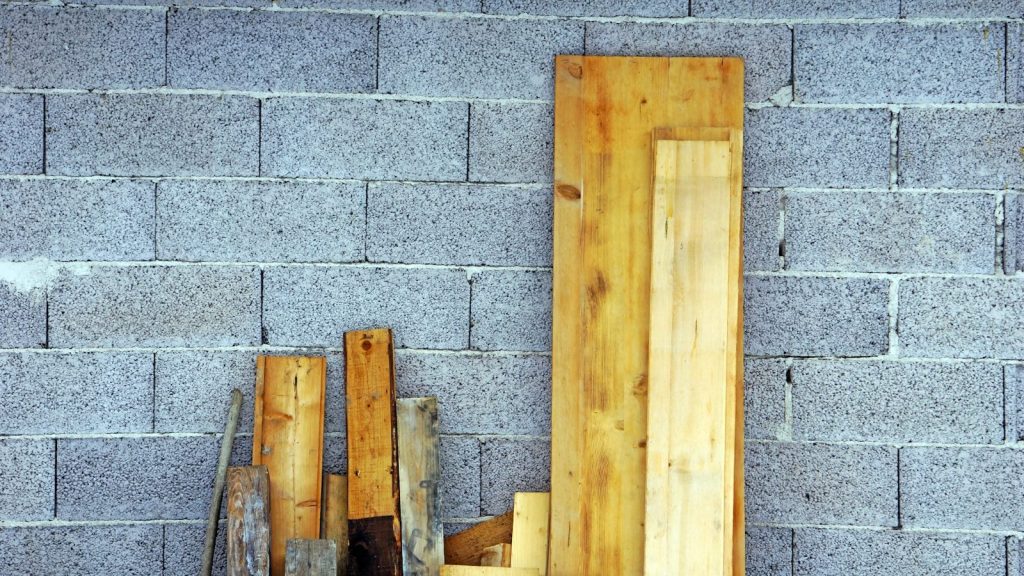
One of the easiest ways to create custom wall decor is by collecting leftover wood instead of buying new materials. Small offcuts, unused boards, and forgotten scraps often provide enough variety to build a design that feels intentional and unique.
The secret is sorting pieces by size before starting. Once grouped together, patterns become easier to visualize, and even random scraps can begin to look like part of a carefully planned display.
Use Repetition To Create Visual Impact
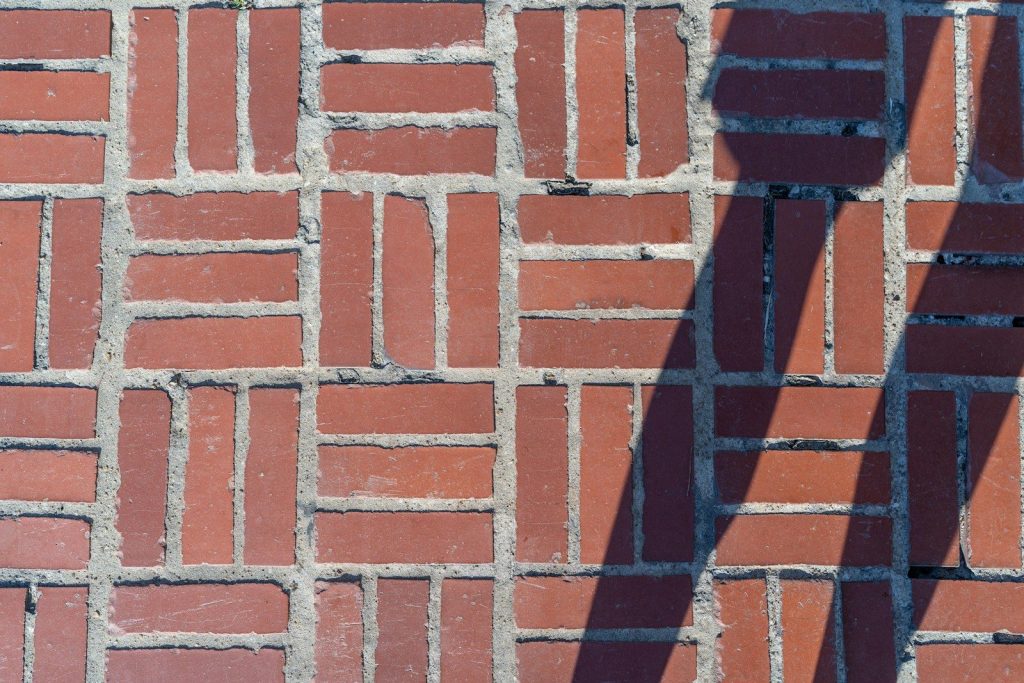
A common mistake is trying to make every section different. Repeating shapes, widths, or layouts often creates a stronger result because the eye naturally follows familiar patterns.
Whether you arrange strips in rows or build geometric sections, repetition adds structure without requiring advanced skills. It is one of the quickest ways to make a handmade project appear professionally designed.
Let Color Do The Heavy Lifting
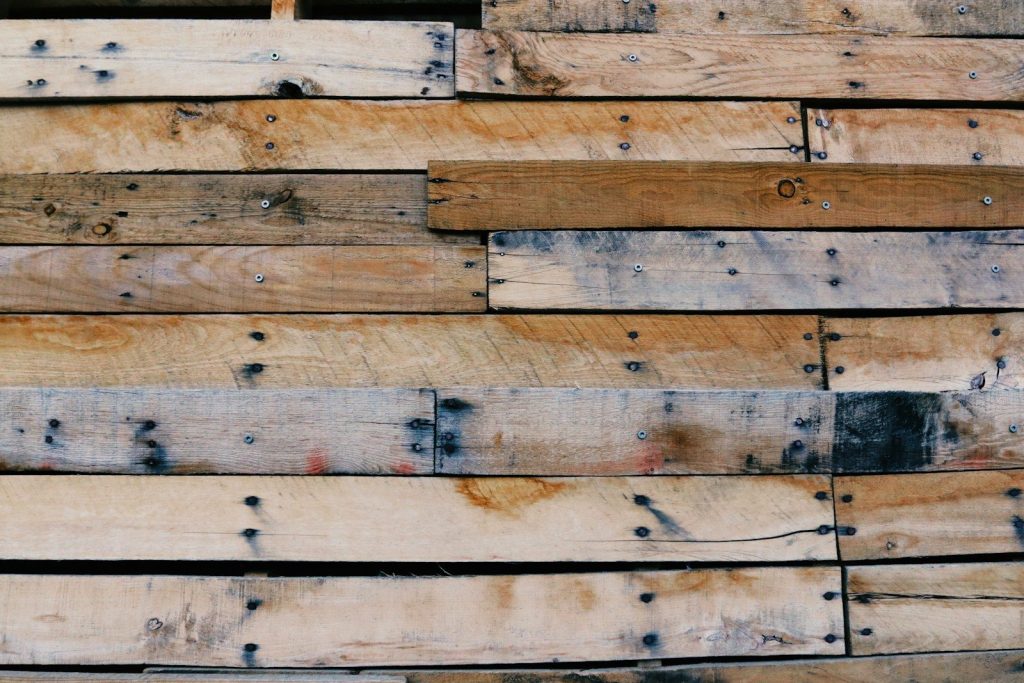
Wood does not always need to stay natural. Introducing a limited color palette can instantly turn a simple arrangement into a statement piece that feels custom-made for the room.
Instead of choosing dozens of shades, pick a handful that already appear in nearby furniture or decor. The finished piece feels connected to the space rather than looking like a separate project hung on the wall.
Mix Textures For Extra Depth
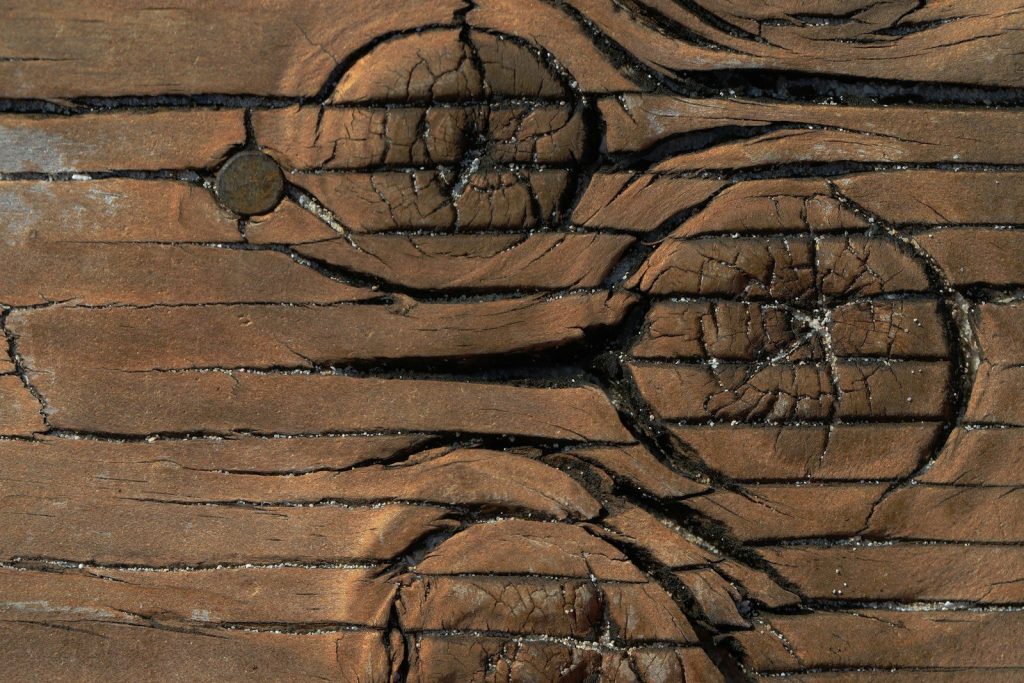
Flat surfaces can sometimes feel unfinished. Combining smooth wood with rough grain, painted sections, or decorative accents introduces dimension without adding complexity.
This layered approach creates interest from different viewing angles. Guests may notice new details each time they pass by, making the artwork feel more dynamic than a single material design.
Build Around A Simple Pattern
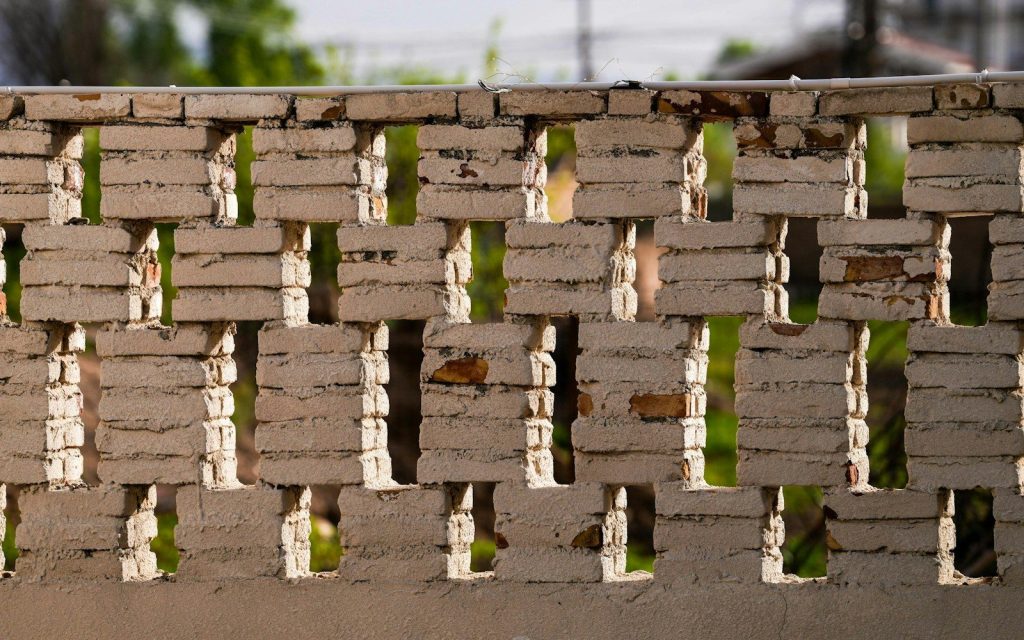
Complicated designs often look intimidating, but many impressive wall pieces begin with basic shapes. Circles, triangles, and straight lines can be arranged in countless ways while remaining easy to manage.
Working from a simple framework also reduces mistakes. Instead of constantly changing direction, you can focus on refining the details that make the finished project stand out.
Think Beyond Decoration
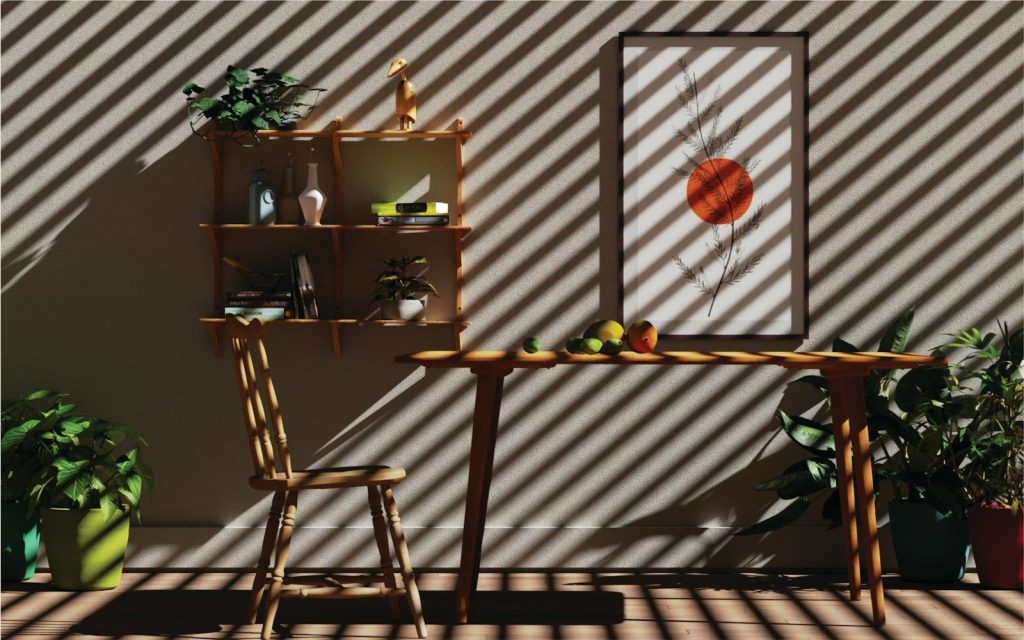
The most memorable wall features often serve another purpose. A decorative piece can display personal items, showcase collections, or highlight meaningful objects while still acting as artwork.
This approach gives a room more personality because the display tells a story. Functional decor tends to feel more authentic than something chosen purely to fill empty space.
Add Subtle Lighting Effects
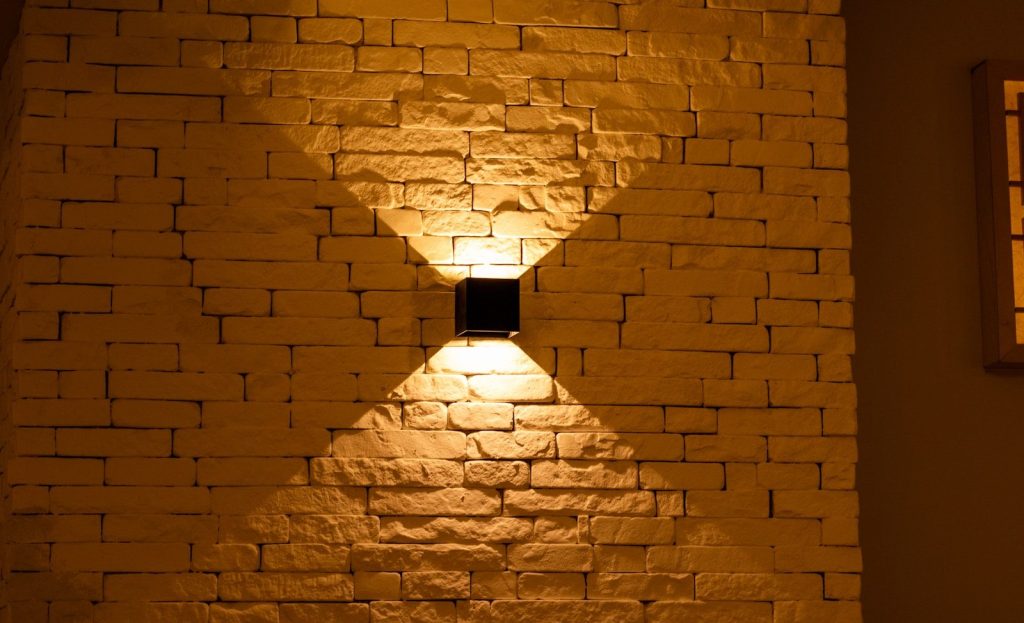
A clever trick many people overlook is lighting. Small LEDs placed behind or around a wooden piece can dramatically change how it looks after sunset.
The glow creates shadows and depth that are difficult to achieve with paint or texture alone. Even a simple design can feel far more sophisticated once light becomes part of the presentation.
Focus On The Finish That People Notice Last
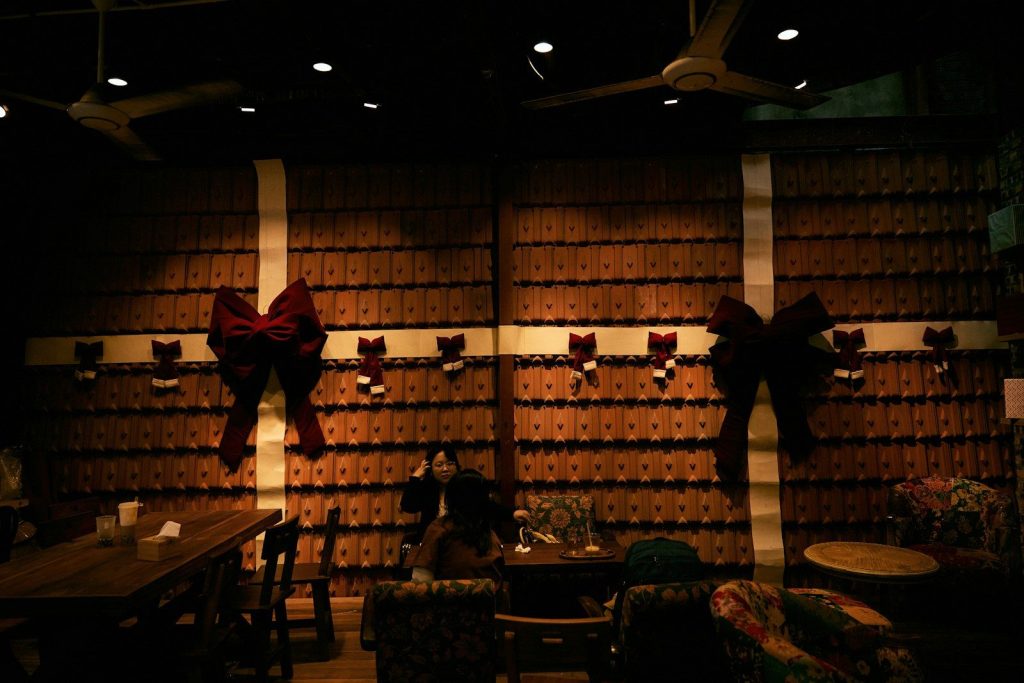
The final details often determine whether a project looks homemade or high-end. Cleaning edges, securing pieces evenly, and choosing the right hanging method can completely change the result.
Many successful wood decor projects rely less on expensive materials and more on careful finishing touches. A little extra attention at the end often creates the biggest visual payoff when the piece finally reaches the wall.