

Growing ginger at home looks complicated until you discover how forgiving the plant can be. A single piece of ginger from the grocery store can quietly multiply into a steady supply of fresh roots, all without needing a large garden or specialized equipment.
What makes the process especially appealing is how many simple shortcuts can improve your chances of success. From choosing the right container to knowing when to harvest, a few smart moves can help you grow more ginger with less effort and fewer mistakes.
Pick the Piece That Already Has a Head Start
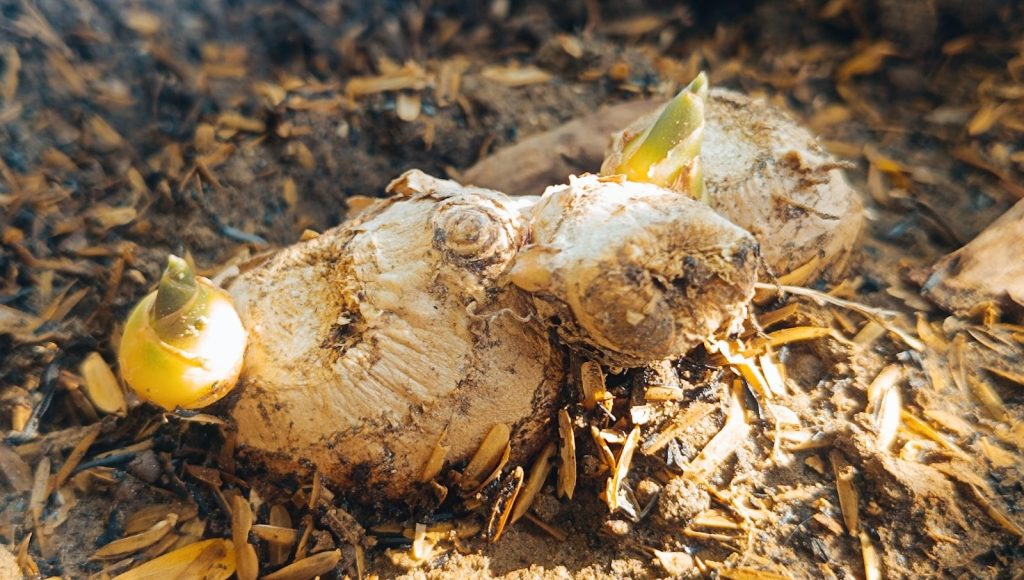
The easiest shortcut begins before planting. Instead of grabbing the first ginger root you see, look for pieces with small raised buds or tiny green points. These growth spots are already preparing to sprout, which can save valuable time once the root goes into the soil.
Larger sections often perform better because they store more energy. If a root has multiple buds, you can divide it into sections and potentially grow several plants from a single purchase. That simple selection trick can dramatically improve results before any planting even begins.
Give Roots More Room Than You Think
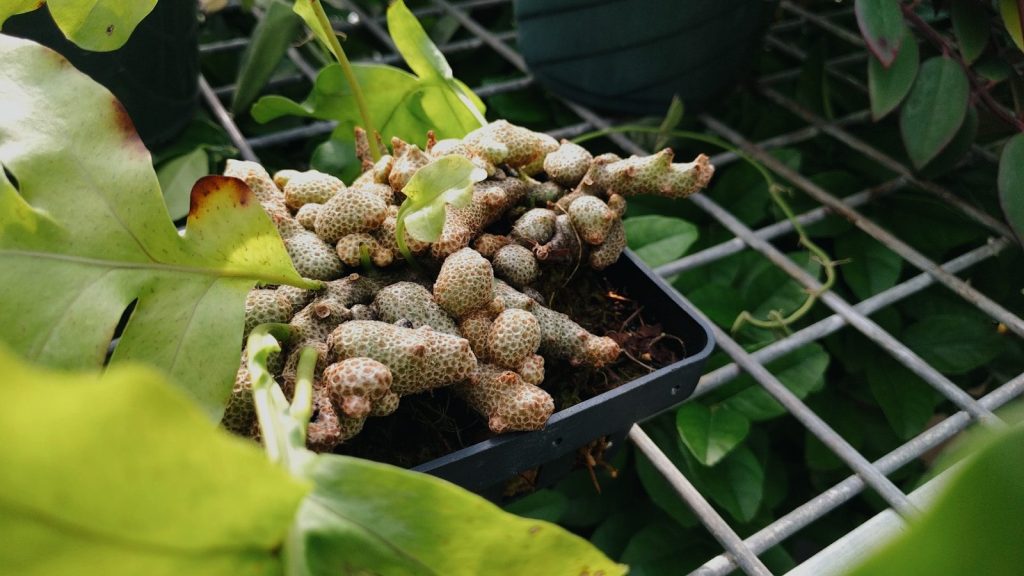
Many gardeners focus on container depth, but ginger often benefits more from width. The roots spread sideways beneath the soil, so a broad container can create more growing space without requiring extra height.
Choosing a wider pot also makes moisture management easier. The plant has room to expand naturally, reducing crowding and helping each developing section receive enough nutrients. Sometimes, bigger harvests come from smarter container choices rather than extra fertilizer.
Let Patience Do Part of the Work
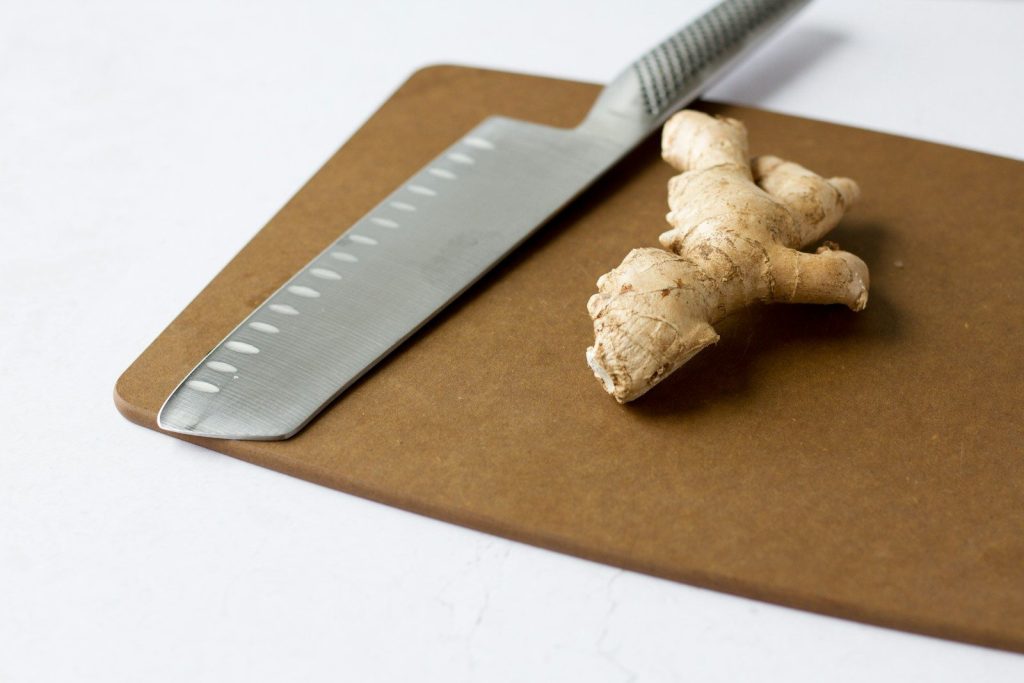
One overlooked strategy is giving ginger a short resting period before planting. Allowing cut sections to dry slightly can help the exposed surfaces toughen up, reducing the chances of problems once they are placed in moist soil.
This small pause feels counterintuitive because many people want immediate results. Yet a little patience at the beginning often leads to stronger growth later. The root starts its journey with fewer setbacks and a better chance of establishing itself quickly.
Create a Cozy Environment Without Special Equipment
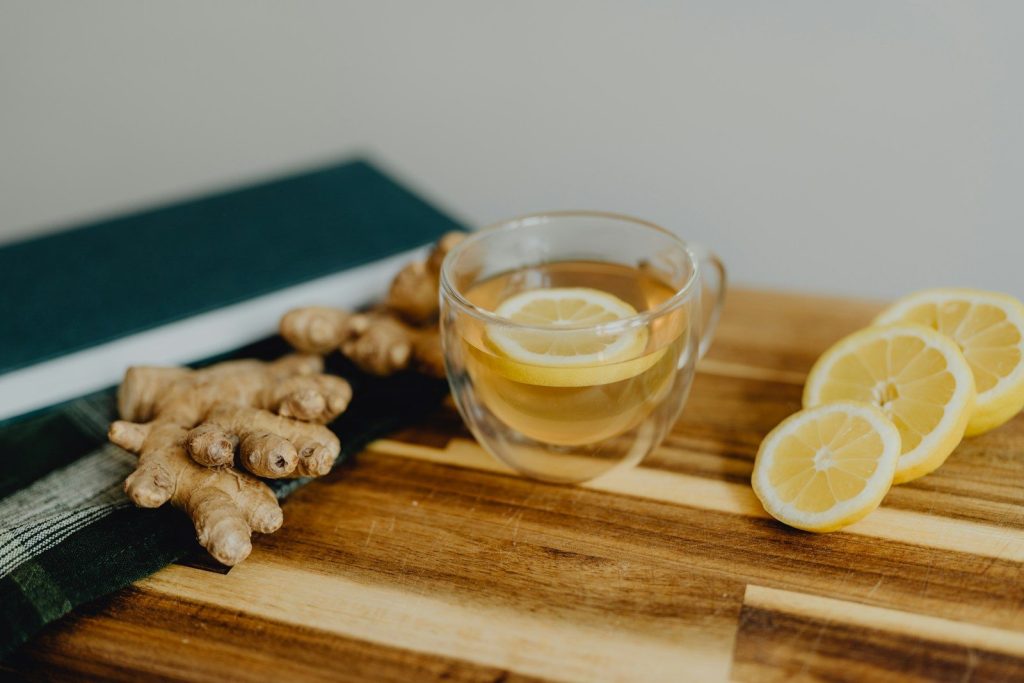
Ginger naturally enjoys warm conditions, but that doesn’t mean you need expensive gardening gear. Positioning containers in consistently warm locations can often provide the conditions needed for healthy growth.
Indoor spaces near bright windows or protected outdoor areas can work surprisingly well. The goal is steady comfort rather than intense heat. When temperatures remain reasonably stable, ginger can focus its energy on growing roots instead of coping with environmental stress.
Water Smarter Instead of Watering More
One of the easiest mistakes is assuming ginger wants constant soaking. In reality, evenly moist soil often works better than overly wet conditions that can slow growth and create unnecessary problems.
A simple trick is to check the soil before reaching for the watering can. If moisture is still present below the surface, waiting a bit longer may be the better move. Consistency matters far more than quantity when encouraging healthy root development.
Feed Growth Without Overcomplicating Things
Many gardeners chase complicated feeding schedules when ginger usually responds well to simple routines. Light, occasional nutrition can support steady development without overwhelming the plant.
The real advantage comes from observation. If leaves remain healthy and growth continues, there is often little reason to constantly adjust your approach. Keeping things straightforward can be more effective than trying every gardening product available.
Know the Clues That Signal Progress
Because the harvest grows underground, it is easy to wonder whether anything is happening. Fortunately, the plant often provides visible hints through its leaves and overall appearance.
Healthy green growth above the soil usually indicates activity below the surface as well. Learning to recognize these signs can prevent unnecessary digging, allowing roots to continue expanding until they reach a more rewarding size.
Harvest a Little and Keep the Cycle Going
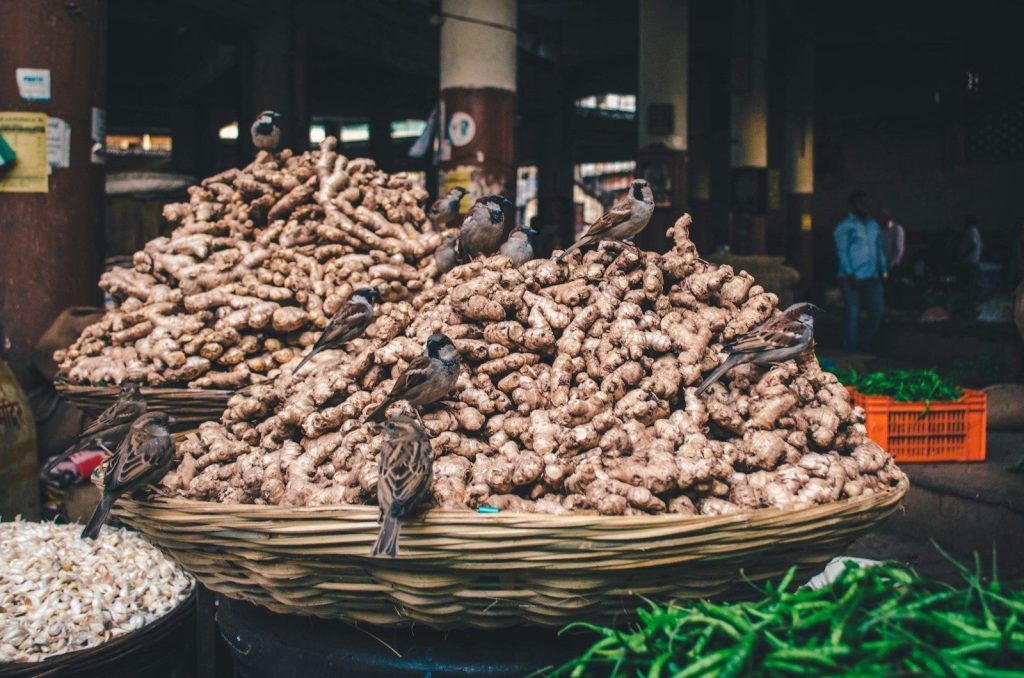
One of the smartest approaches is treating ginger as an ongoing resource rather than a one-time crop. Mature sections can often be removed while younger growth remains in place to continue developing.
This method stretches a single planting into a longer supply of fresh ginger. As new roots expand and older sections are harvested, the container becomes a small, renewable source that keeps producing long after the original grocery store purchase is forgotten.