

Rain has a way of changing the entire mood of a camping trip. What starts as a peaceful outdoor escape can quickly turn into a search for warmth, comfort, and a reliable flame. Yet seasoned campers know that wet weather often reveals the smartest tricks hidden in plain sight.
The difference between struggling for an hour and enjoying a glowing campfire often comes down to a few overlooked habits. These practical ideas can help transform soggy conditions into an opportunity to camp smarter, stay comfortable, and keep the adventure going.
Look Beyond the Wet Surface
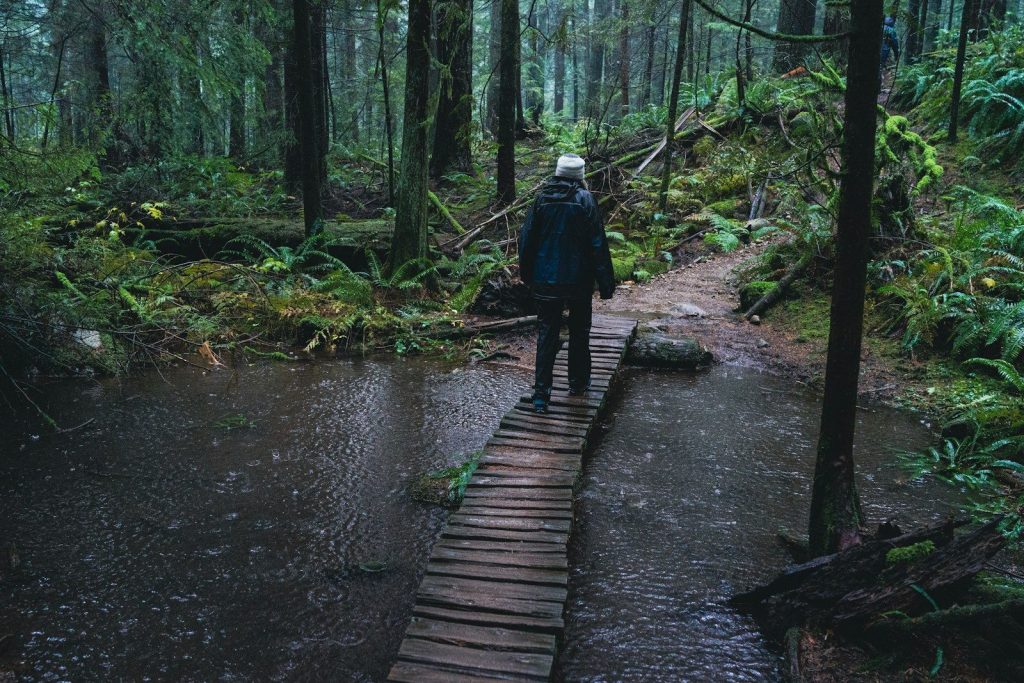
When rain falls for hours, many campers assume every piece of wood is unusable. The smarter move is learning where moisture actually stops. Wood that looks soaked on the outside can still contain dry material beneath the surface.
Branches that remain off the ground often hold usable fuel inside. Splitting larger pieces or shaving away damp outer layers can reveal surprisingly dry sections that ignite far more easily than expected. A little extra preparation often saves a lot of frustration later.
Create a Dry Foundation First
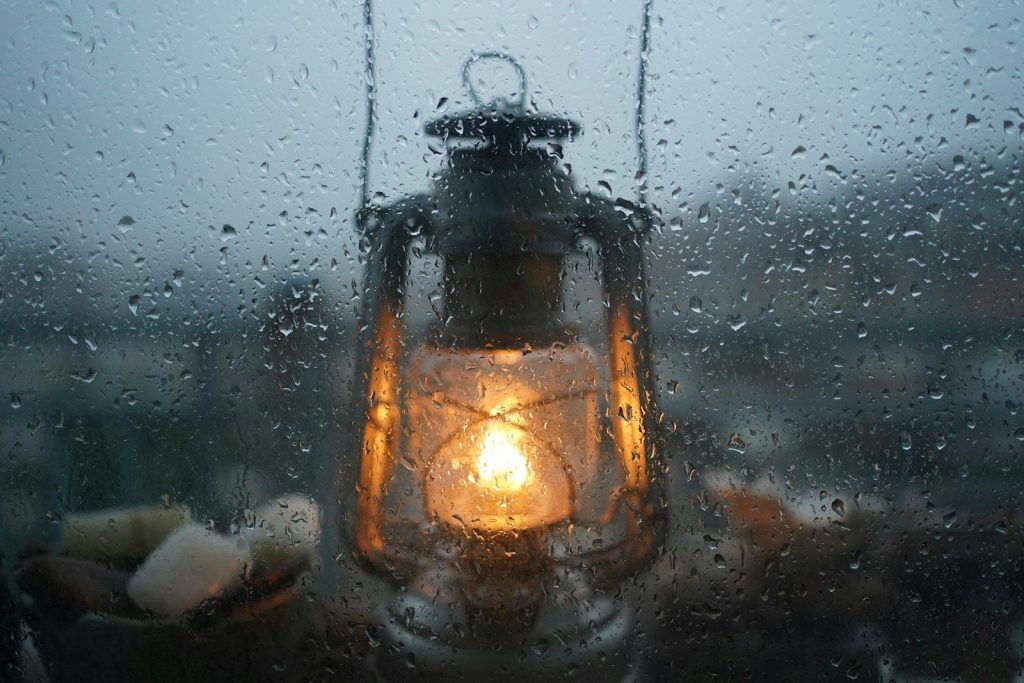
One of the most common mistakes happens before the fire even starts. Placing tinder directly on wet ground allows moisture to steal heat before the flame has a chance to grow.
Building a simple platform changes everything. A layer of bark, sticks, or split wood creates separation from the damp surface below. That small adjustment helps protect early flames and gives your fire a much stronger chance of surviving rainy conditions.
Collect More Than You Think You’ll Need
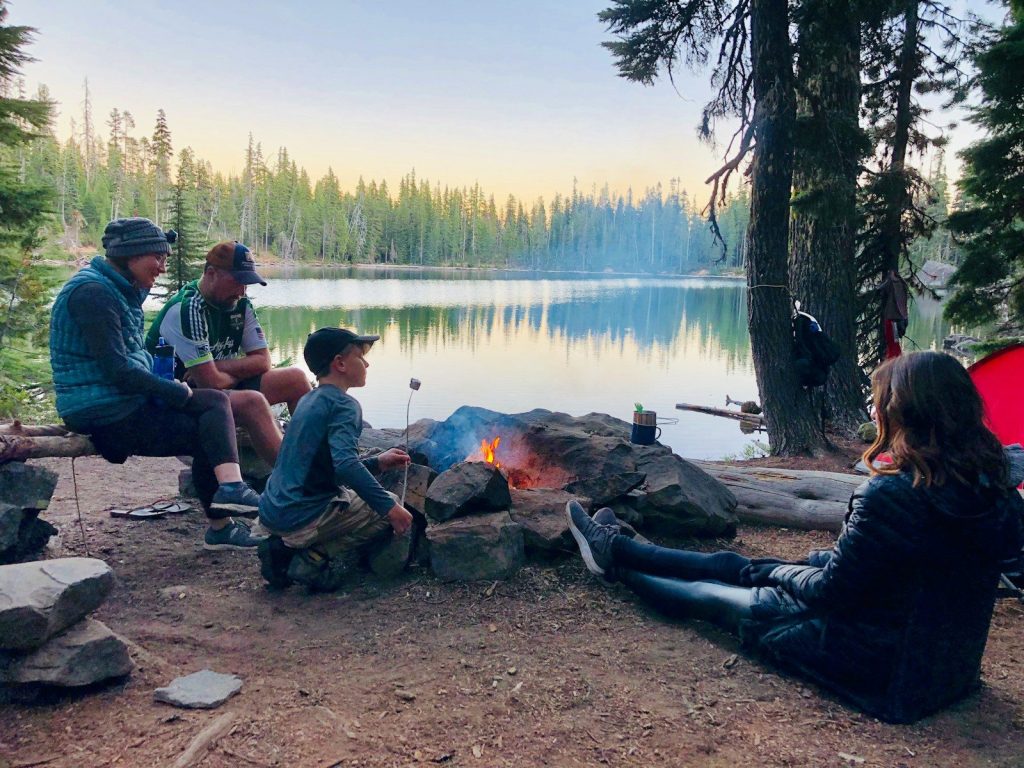
Rainy weather demands a different approach to fuel gathering. What seems like plenty of wood during dry conditions often disappears quickly when moisture enters the equation.
Smart campers gather extra tinder, additional kindling, and more fuel than they expect to burn. Having a larger reserve reduces pressure and allows the fire to build enough heat to dry damp wood as it grows stronger throughout the evening.
Turn Tiny Materials Into Your Secret Weapon
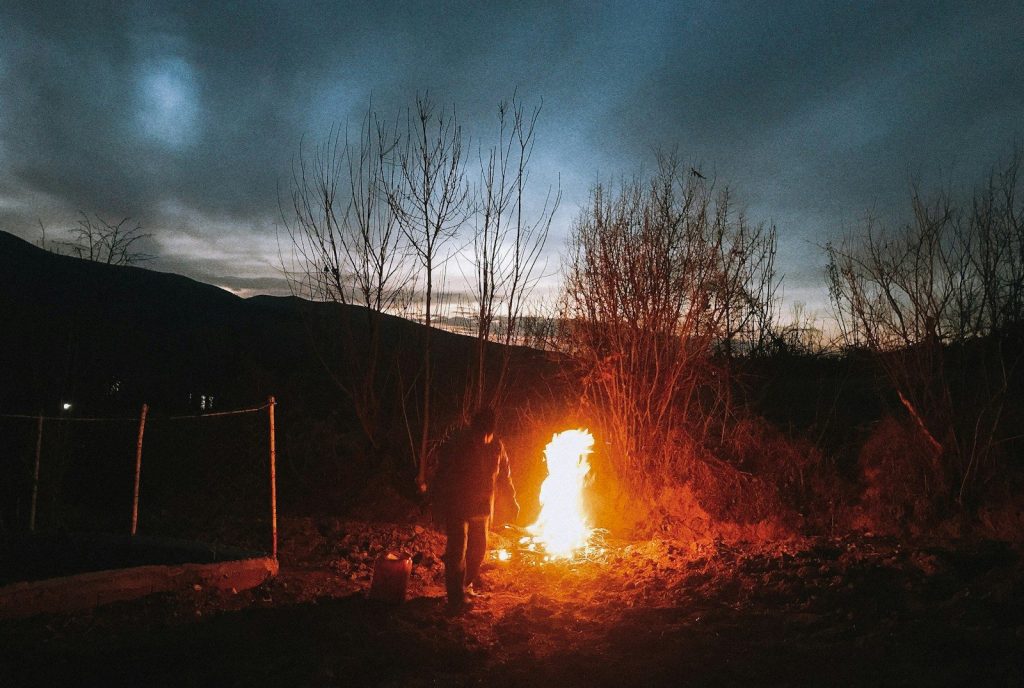
Large logs may grab attention, but the smallest materials often decide whether a fire succeeds or fails. Fine fibers, thin shavings, and lightweight kindling create the initial energy needed to overcome wet conditions.
Preparing these materials before striking a spark creates a smoother process. Instead of scrambling while the flame weakens, you’ll have everything ready to feed the fire in stages and maintain momentum from the very beginning.
Give Airflow a Bigger Role
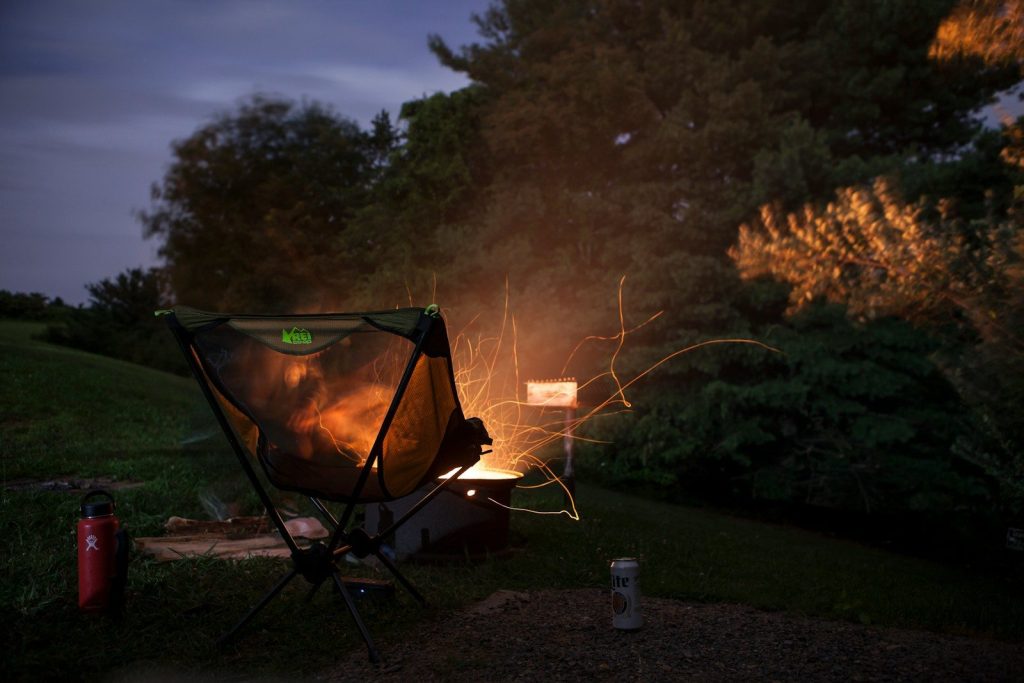
Many people focus entirely on fuel and forget that oxygen is equally important. Even good wood can struggle if airflow becomes restricted by poor stacking methods.
Creating small gaps between materials encourages steady circulation. As oxygen moves through the structure, flames burn hotter and more efficiently. That extra heat becomes especially valuable when you’re trying to dry surrounding fuel during a rainstorm.
Build a Drying Zone Beside the Flames
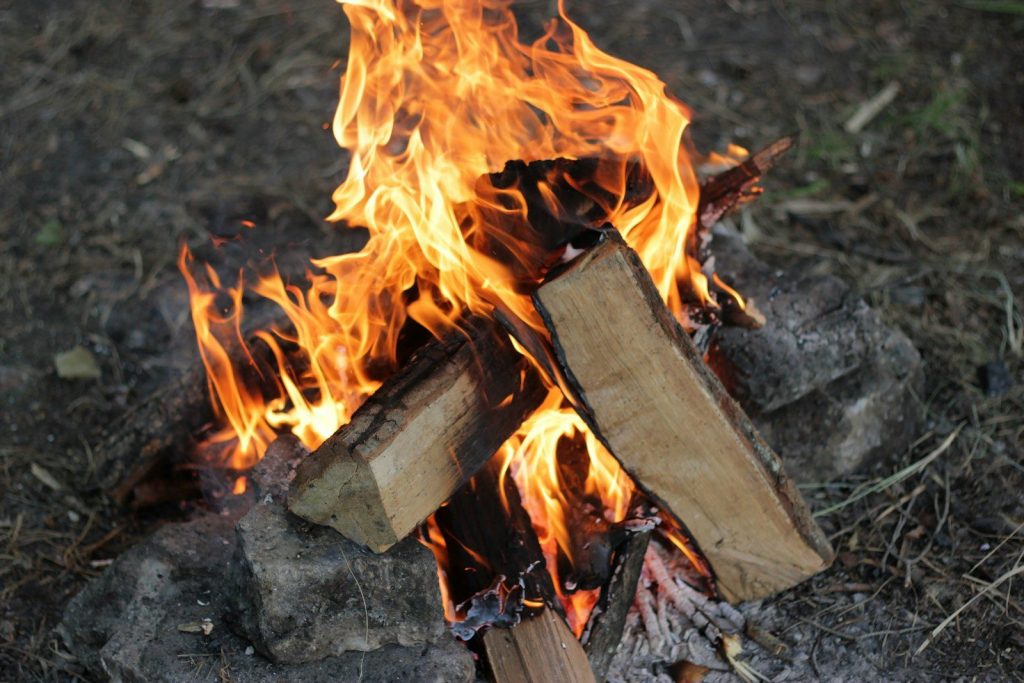
A useful trick starts after the fire is already burning. Instead of tossing damp wood directly into the flames, place it nearby where radiant heat can begin removing moisture.
This simple drying zone creates a steady supply of better fuel. As one batch dries, another can move closer to the fire, helping maintain consistent heat without constantly fighting against wet wood.
Use Shelter Without Smothering the Fire
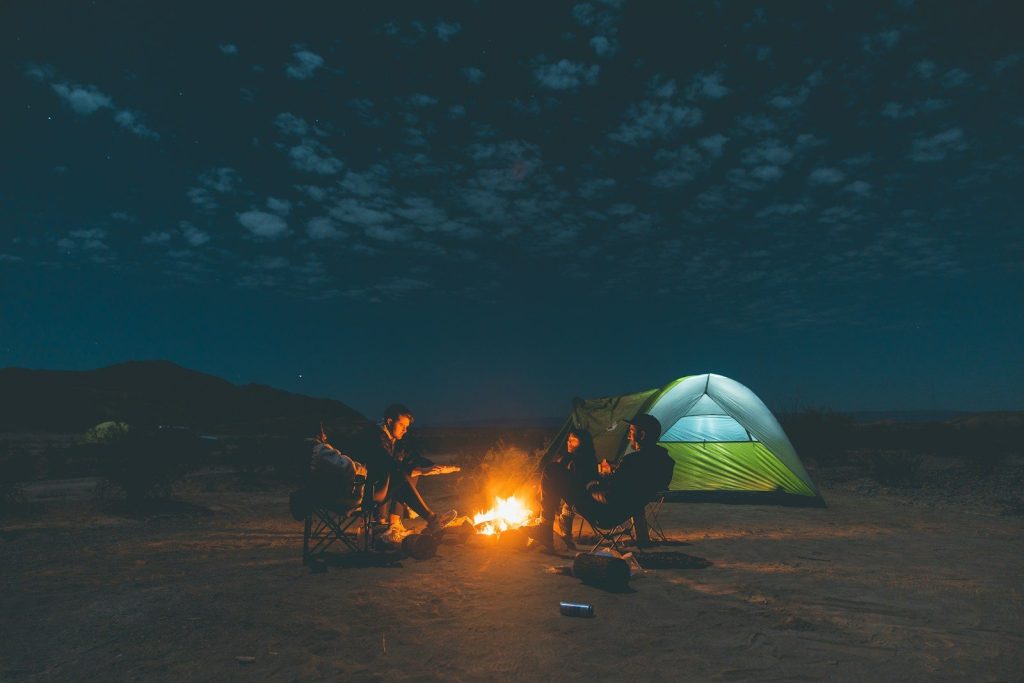
Rain protection matters, but completely enclosing a fire often creates new problems. Smoke buildup and reduced airflow can make the situation worse rather than better.
Natural cover, carefully positioned tarps, or protected areas can shield the flames while still allowing ventilation. The goal is to block excess moisture without trapping the fire in a stagnant environment that limits performance.
Think Ahead Before Weather Changes
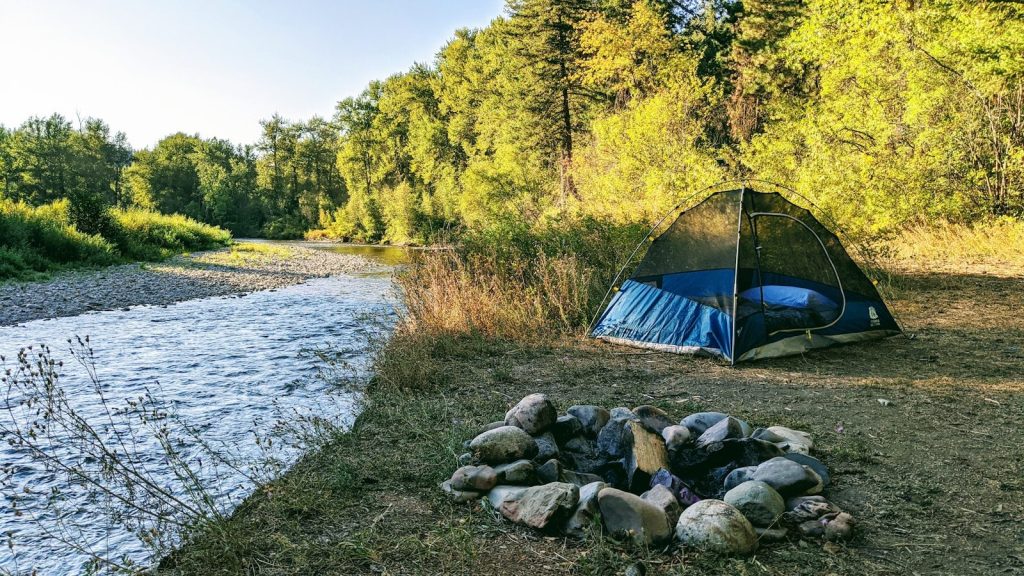
The easiest rainy-day fire often starts long before the first drop falls. Experienced campers routinely prepare future fuel while conditions are still favorable.
Keeping a reserve of dry kindling and sheltered wood creates a safety net when weather shifts unexpectedly. Instead of reacting to the rain, you’ll already have the resources needed to stay warm, comfortable, and ready for whatever the forecast delivers next.
Inspired by common rainy-weather fire-starting techniques used by experienced campers and outdoor survival enthusiasts.