

If sore knees have made you think less movement is the answer, new findings suggest the opposite might be true. The surprising part is that the most effective approach does not involve complicated routines, expensive equipment, or hours in the gym. Instead, a simple shift toward the right kind of movement may help many people stay more comfortable and active.
Researchers have been comparing different exercise styles to see which ones offer the biggest benefits for people dealing with knee discomfort. The results point toward a practical strategy that fits into everyday life. These reader-friendly ideas turn those findings into useful takeaways you can start exploring right away.
The Simple Activity That Keeps Showing Up
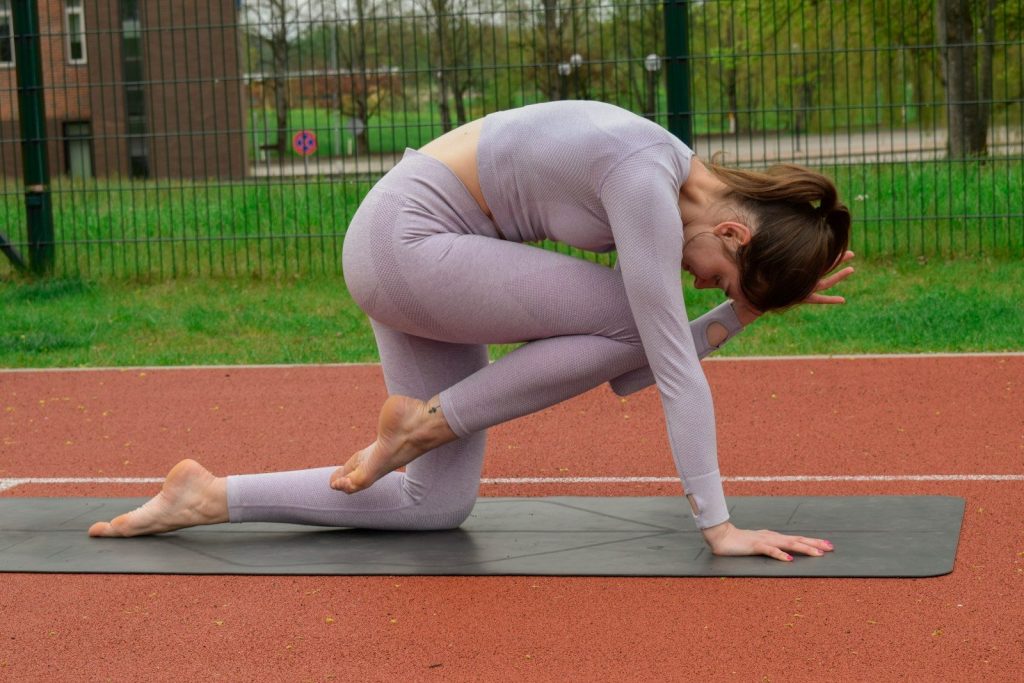
When people think about improving knee comfort, they often jump straight to stretches or strength workouts. Those can help, but one category of exercise keeps standing out for its broad benefits. Activities that gently raise your heart rate appear to deliver meaningful improvements while remaining accessible to many fitness levels.
That means everyday options such as walking, cycling, or swimming may deserve more attention than they usually get. Instead of searching for a complicated solution, focusing on consistent movement could be one of the smartest starting points available.
Why Consistency Beats Intensity
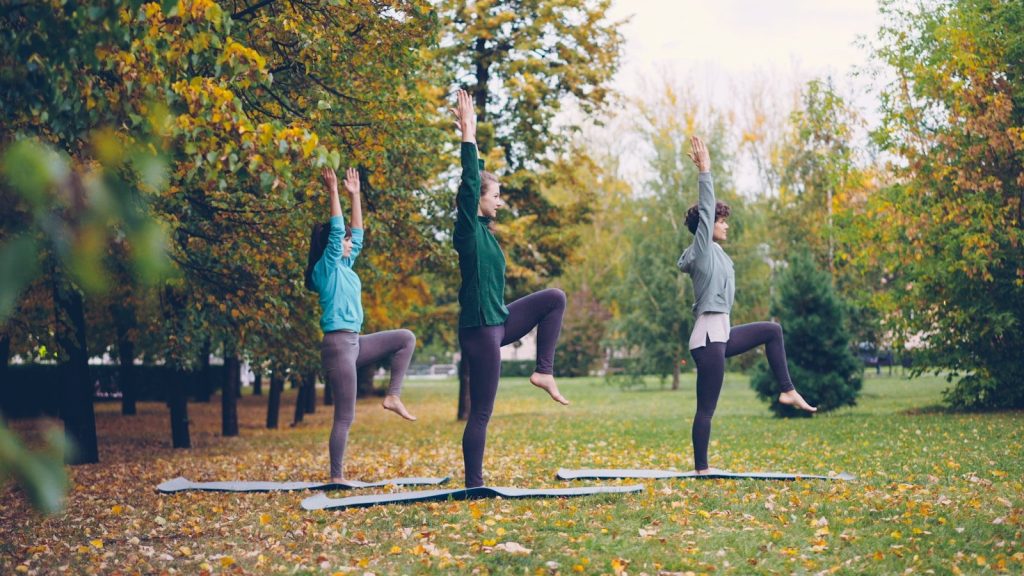
Many people assume they need long workouts to see results. In reality, a shorter routine done regularly often delivers more value than occasional bursts of effort. The body tends to respond well to movement patterns it can repeat without excessive strain.
This approach also removes some of the pressure that causes people to quit. A manageable walk or bike ride several times a week can feel achievable, making it easier to build a lasting habit rather than chasing perfection.
The Comfort Zone Most People Ignore
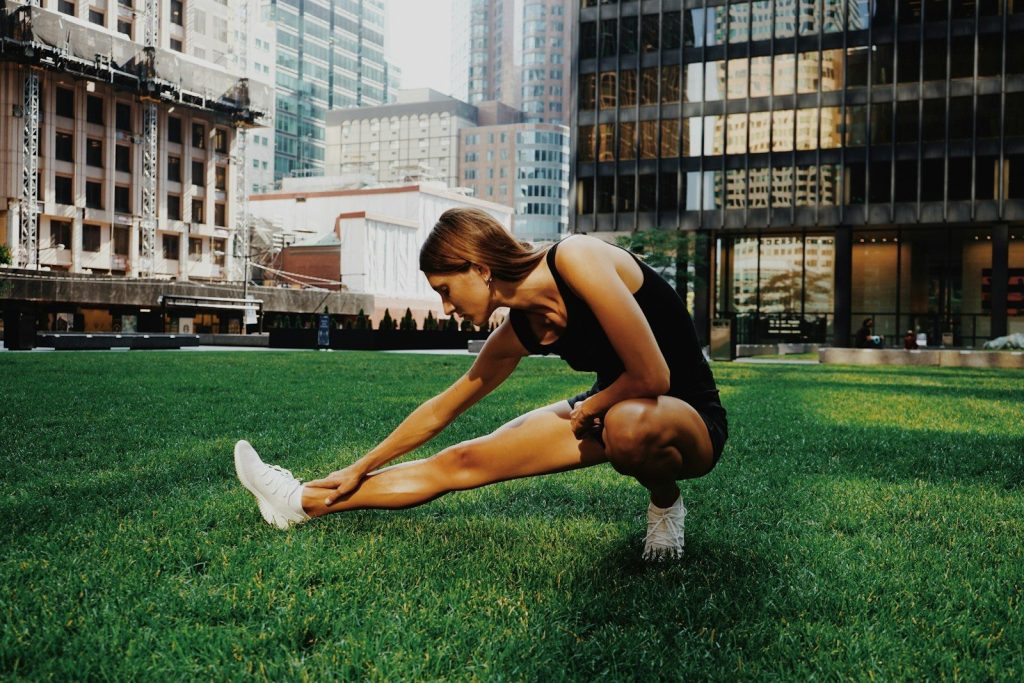
One reason movement helps is that joints generally prefer regular motion over long periods of inactivity. Gentle activity encourages circulation and helps maintain normal movement patterns throughout the day.
The key is avoiding the trap of doing too much too soon. Starting at a comfortable level allows you to build confidence while giving your knees time to adapt. Small wins often create the momentum needed for long-term progress.
Turn Daily Tasks Into Opportunities
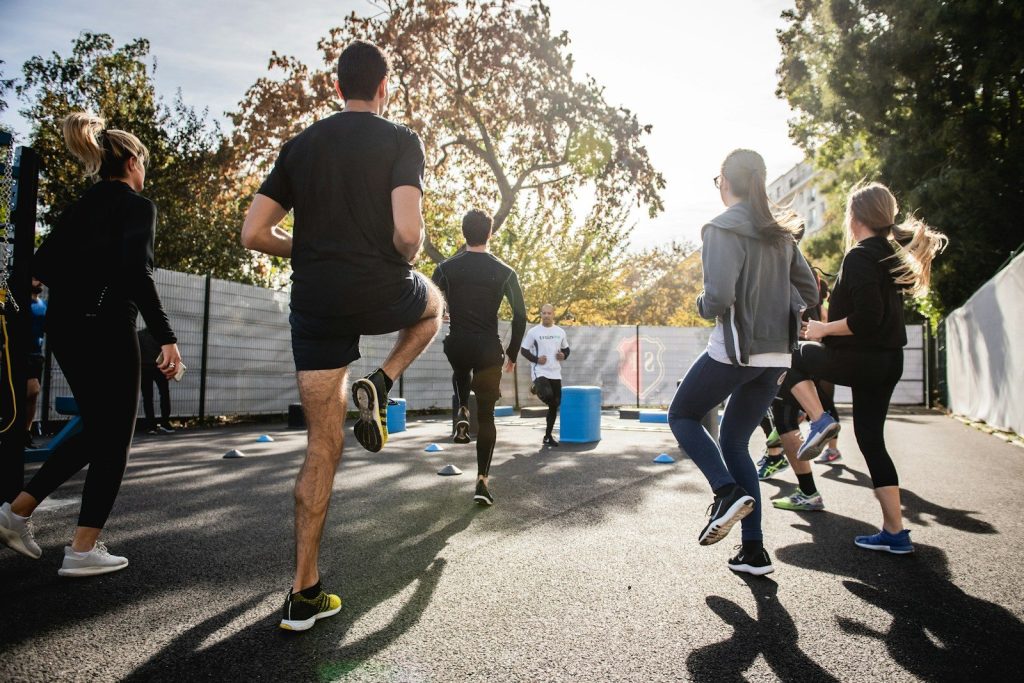
Exercise does not always have to look like exercise. Every day movement can contribute more than many people realize. Short walks, extra trips up the stairs, or active errands can all add up over time.
This mindset shifts the focus away from formal workouts and toward an active lifestyle. When movement becomes part of your routine instead of a separate task, consistency tends to follow naturally.
The Low-Impact Advantage
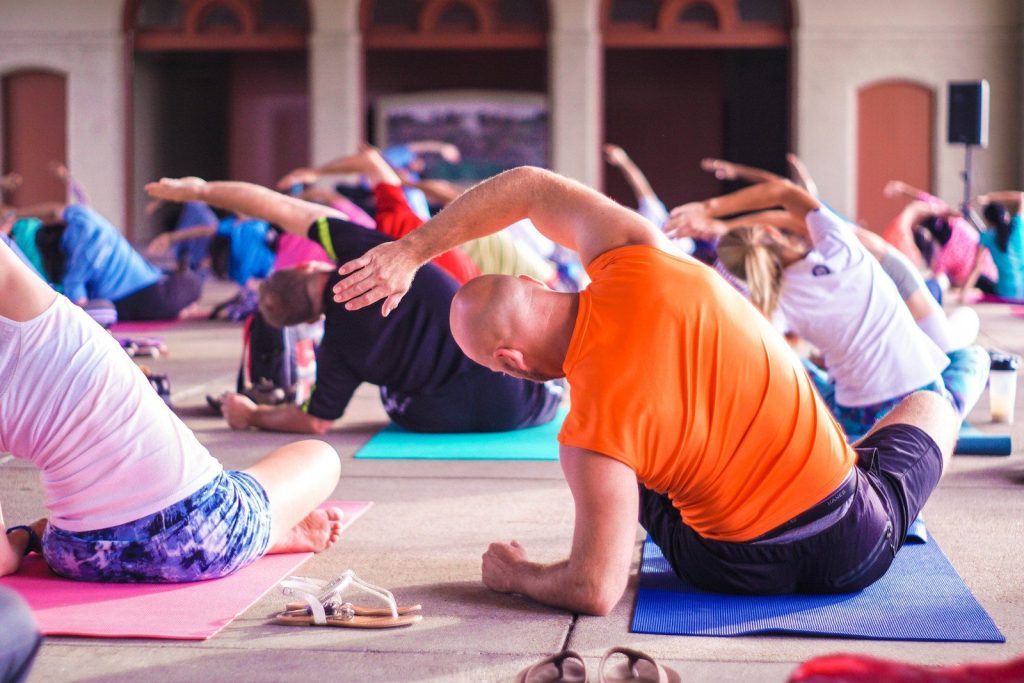
Not every activity places the same demands on the knees. Low-impact options can provide many of the benefits of exercise while reducing the pounding that some people worry about.
Swimming, cycling, and brisk walking are popular examples because they allow people to stay active without feeling as though every step is a challenge. Finding an option you genuinely enjoy can make a major difference.
Build Support Around the Joint

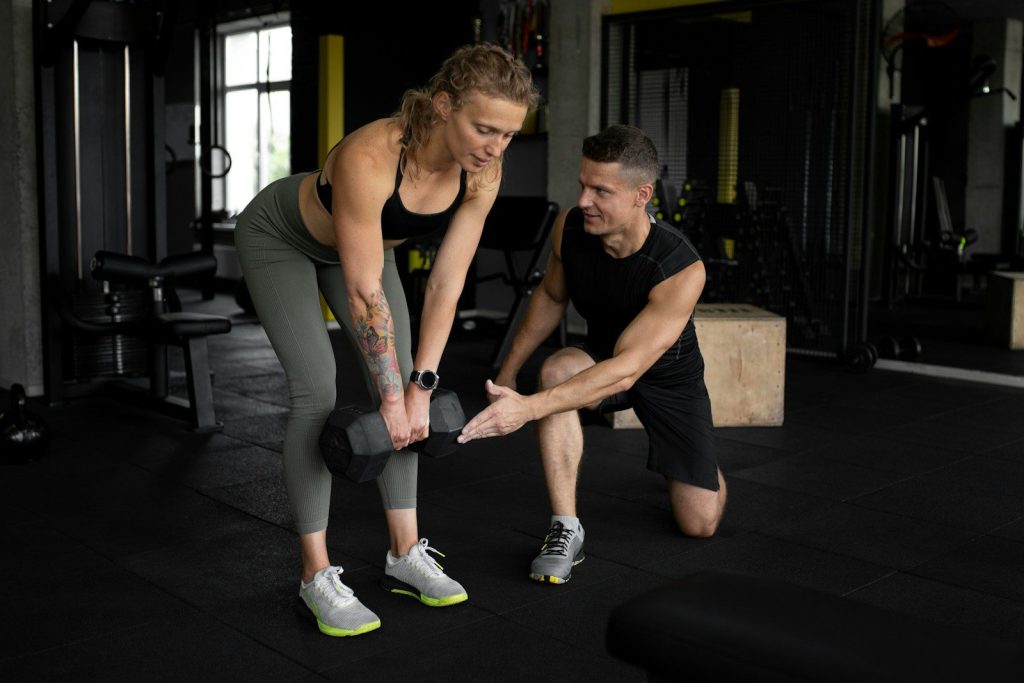
Movement is important, but it becomes even more effective when the muscles around the knee are doing their job. Stronger supporting muscles can help the joint handle everyday demands more comfortably.
You do not need a complicated strength program to begin. Even basic exercises that improve leg stability and balance can complement regular aerobic activity and create a more complete approach.
Make Recovery Part of the Plan
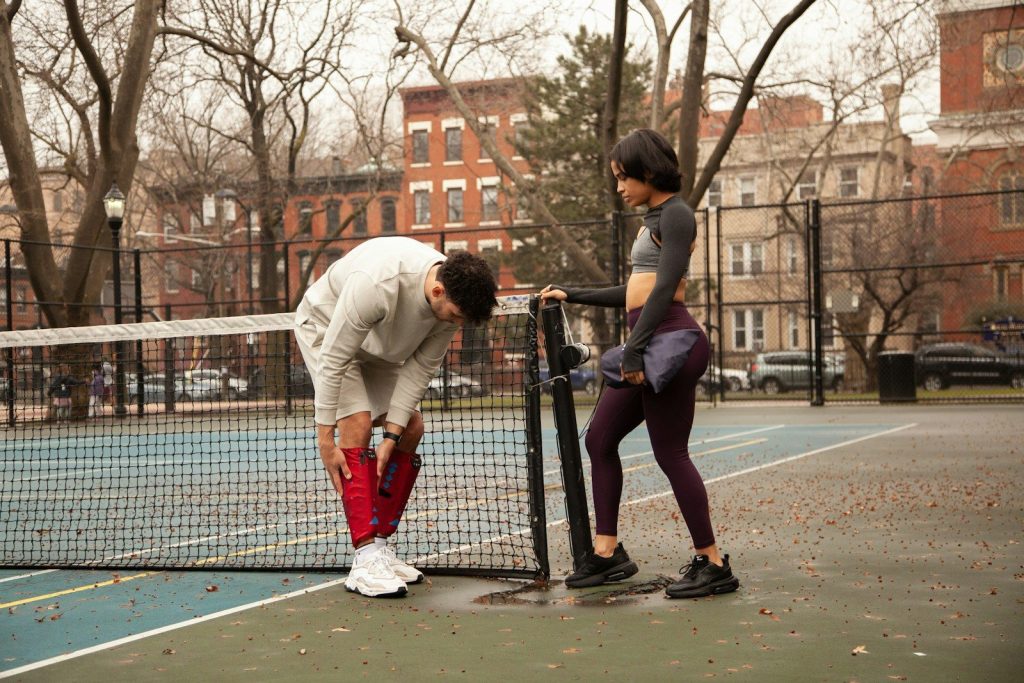
A common mistake is focusing only on the workout itself. Recovery habits can influence how your knees feel the next day and whether you stay motivated to continue.
Simple practices such as warming up gradually, moving at a comfortable pace, and paying attention to how your body responds can help keep progress on track without unnecessary setbacks.
The Real Secret Is Choosing What You’ll Keep Doing
The most effective exercise plan is often the one that fits naturally into your life. A perfect routine that lasts one week rarely beats a good routine that lasts six months.
Instead of asking which activity is best on paper, ask which one you can see yourself repeating. When movement becomes enjoyable and sustainable, the benefits have a much better chance of sticking around.