

Some of the smartest nutrition shortcuts are hiding in plain sight. While most people automatically think of meat when they hear the word protein, a growing number of everyday foods can deliver impressive amounts of protein while bringing extra benefits to the table.
The real surprise is that many of these options do more than help you hit protein goals. They can add texture, variety, and convenience to meals while fitting into busy routines. Here are eight clever ways to rethink where your protein comes from and make your plate work harder for you.
The Pantry Staple That Pulls Double Duty
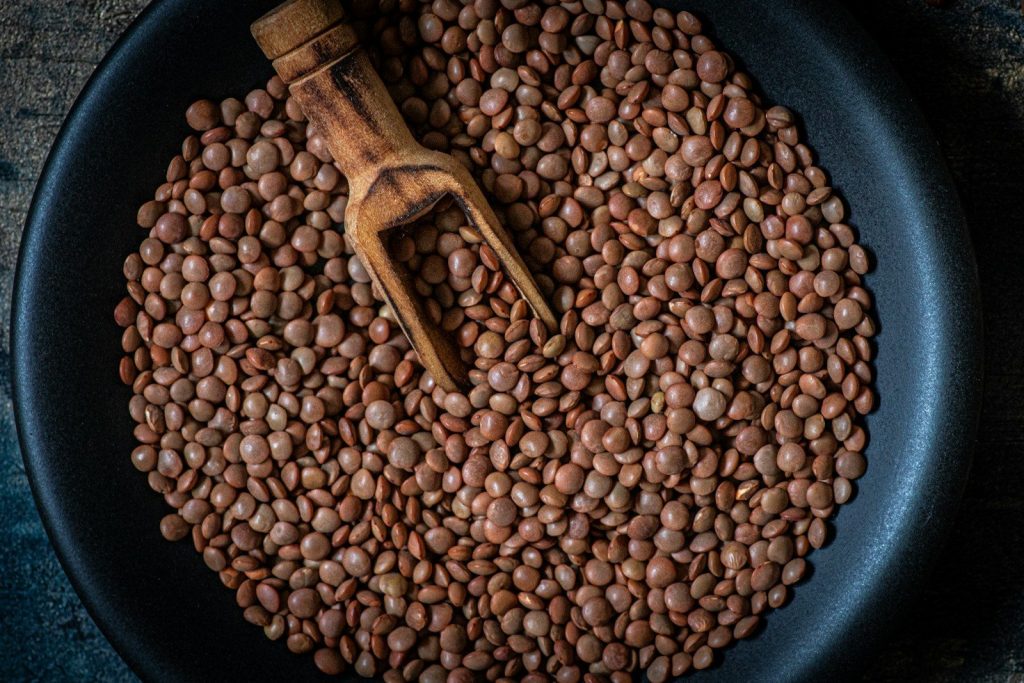
Lentils are one of those ingredients that quietly solve multiple meal problems at once. They bring protein, help create filling meals, and work in everything from soups to grain bowls without demanding much effort from the cook.
A useful shortcut is preparing a large batch ahead of time and storing portions in the refrigerator. That simple move turns last-minute lunches and dinners into quick assemblies instead of full cooking projects, making healthy eating far easier during busy weeks.
The Smoothie Upgrade Most People Skip
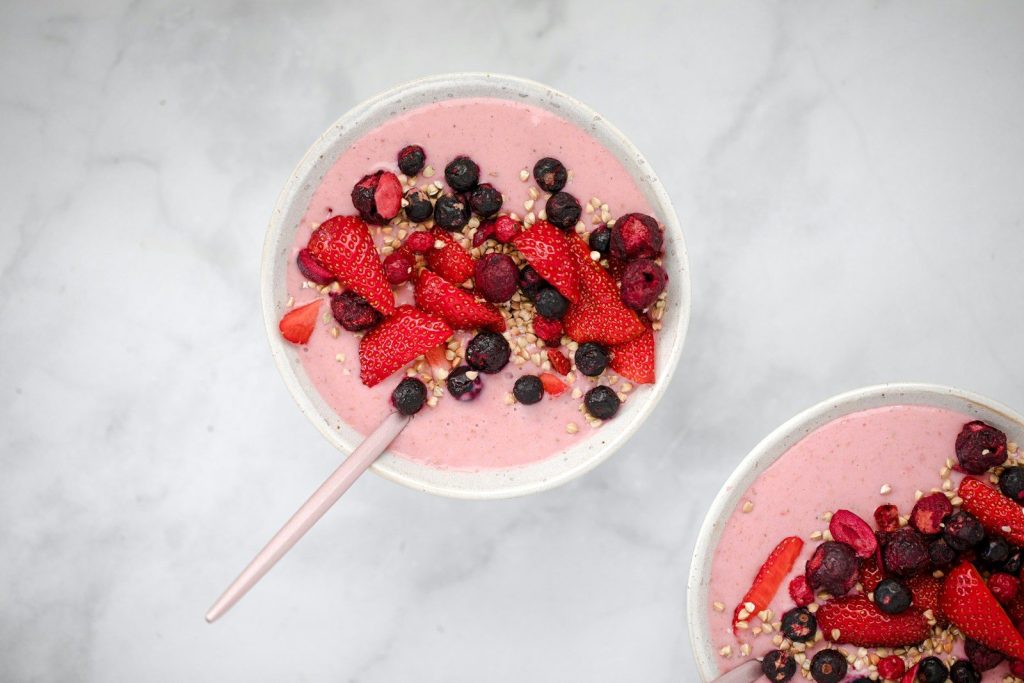
Many smoothies end up packed with fruit but short on staying power. Adding hemp protein changes that equation by giving a drink more substance without creating a heavy texture.
It also blends easily into everyday routines. A scoop mixed into a morning smoothie or sprinkled over breakfast foods can help transform a quick snack into something that feels much more satisfying throughout the day.
The Crunchy Snack With Unexpected Staying Power
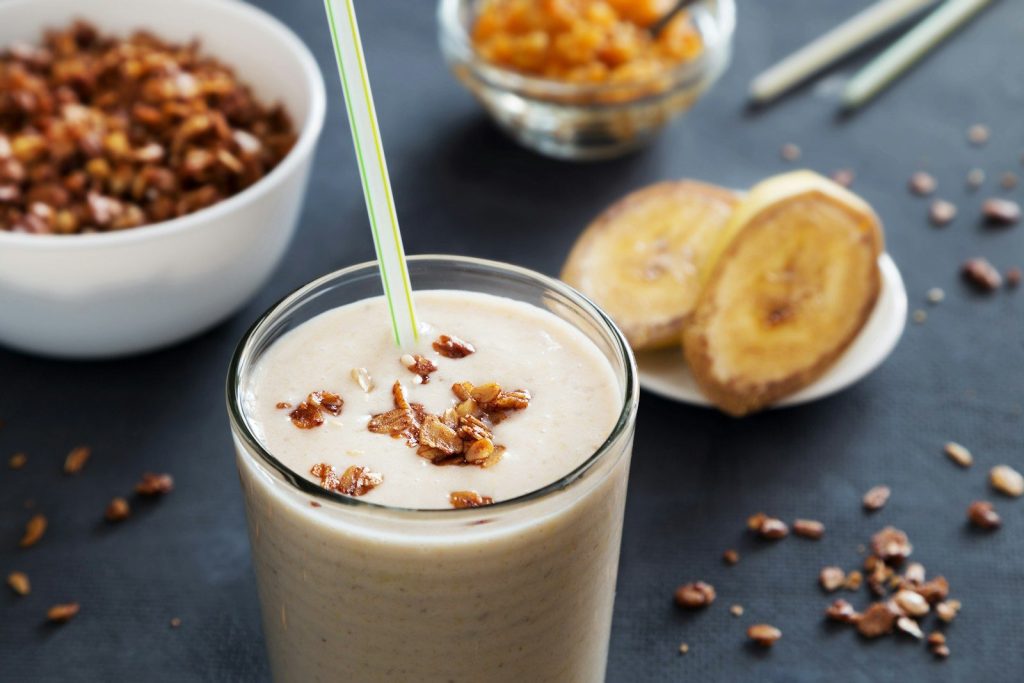
When people reach for a snack, they often focus on flavor first and fullness second. Barù nuts offer a different approach by delivering protein along with a rich crunch that feels closer to a treat than a health food.
Keeping a small container nearby can reduce the temptation to grab highly processed snacks. Their distinctive flavor profile also adds interest to salads, grain dishes, and homemade trail mixes without requiring complicated preparation.
The Tiny Ingredient That Changes Everything

Spirulina looks unusual, which may explain why many shoppers walk right past it. Yet a small amount can dramatically boost the nutritional profile of a smoothie or juice without requiring a complete overhaul of eating habits.
The trick is starting with modest portions and blending them into familiar recipes. That approach lets you experiment with something new while keeping flavors comfortable and easy to enjoy.
A Smarter Way to Use Seeds

Flaxseed often gets added as an afterthought, but using it strategically can make a noticeable difference. Ground flaxseed mixes seamlessly into oatmeal, yogurt, smoothies, and baked goods without changing the overall meal.
Freshly grinding small amounts can help preserve flavor and texture. It is a simple habit that turns a common ingredient into an easy nutritional boost that takes only seconds to incorporate.
The Grain That Deserves More Attention

Many people rotate between the same grains week after week. Sorghum offers a chance to break that cycle while bringing protein and a pleasantly nutty flavor to the menu.
Using it as a substitute in familiar recipes creates variety without requiring a completely different cooking style. It can fit into bowls, side dishes, and even certain pasta alternatives while keeping meals interesting.
Why Mixing Protein Sources Works Better
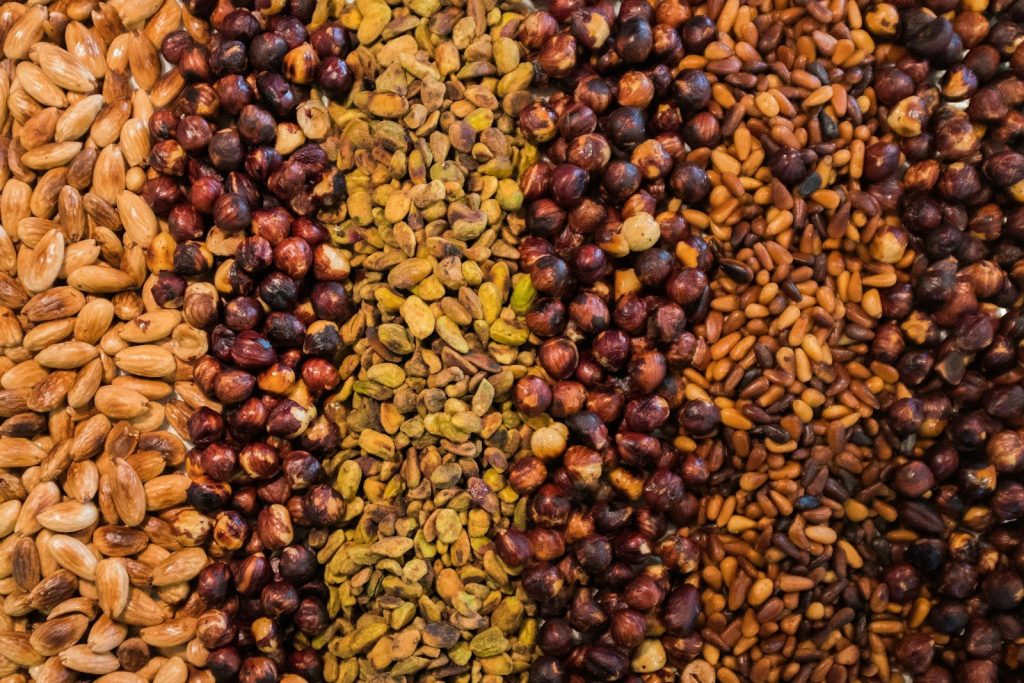
One overlooked strategy is avoiding reliance on a single protein source. Combining legumes, seeds, nuts, and grains throughout the week creates more variety and helps prevent meal fatigue.
That variety also makes healthy eating feel less restrictive. Instead of focusing on what is missing, the emphasis shifts toward discovering new flavors and combinations that keep meals enjoyable and satisfying.
Small Swaps That Add Up Fast

Major diet overhauls often fail because they feel overwhelming. Replacing just one familiar ingredient with a protein-rich alternative is usually easier to sustain and more realistic for everyday life.
A lentil-based lunch, a hemp-enhanced smoothie, or a handful of protein-packed nuts may seem minor on their own. Yet repeated consistently, those small decisions can quietly reshape eating habits without making meals feel complicated or restrictive.