

Living room trends change constantly, and what once looked stylish can quickly start feeling dated or impractical. While personal taste always matters most, some design choices have become common frustrations among interior designers because they affect comfort, functionality, or overall balance in a space.
Here are 10 living room trends designers wish would disappear.
1. All-Gray Everything
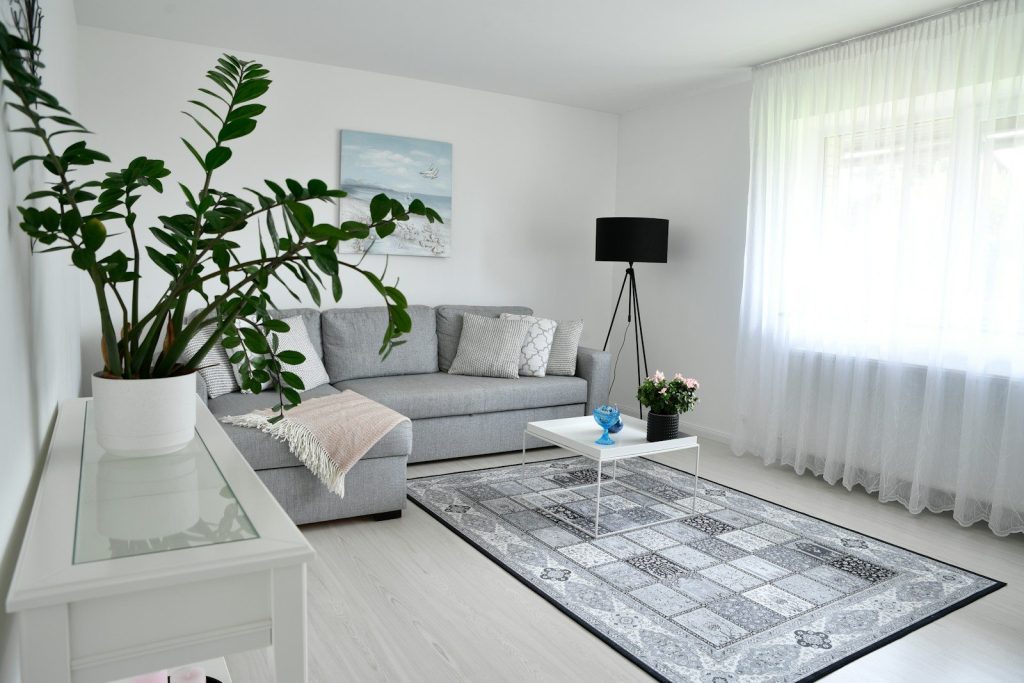
Gray dominated interiors for years, though many designers now feel overly gray living rooms can appear flat and lifeless.
Gray walls, gray furniture, gray floors, and gray décor together often create spaces that lack warmth and personality.
Many homeowners are now leaning toward warmer neutrals, earthy tones, and natural textures that make rooms feel more inviting.
2. Tiny Accent Pillows
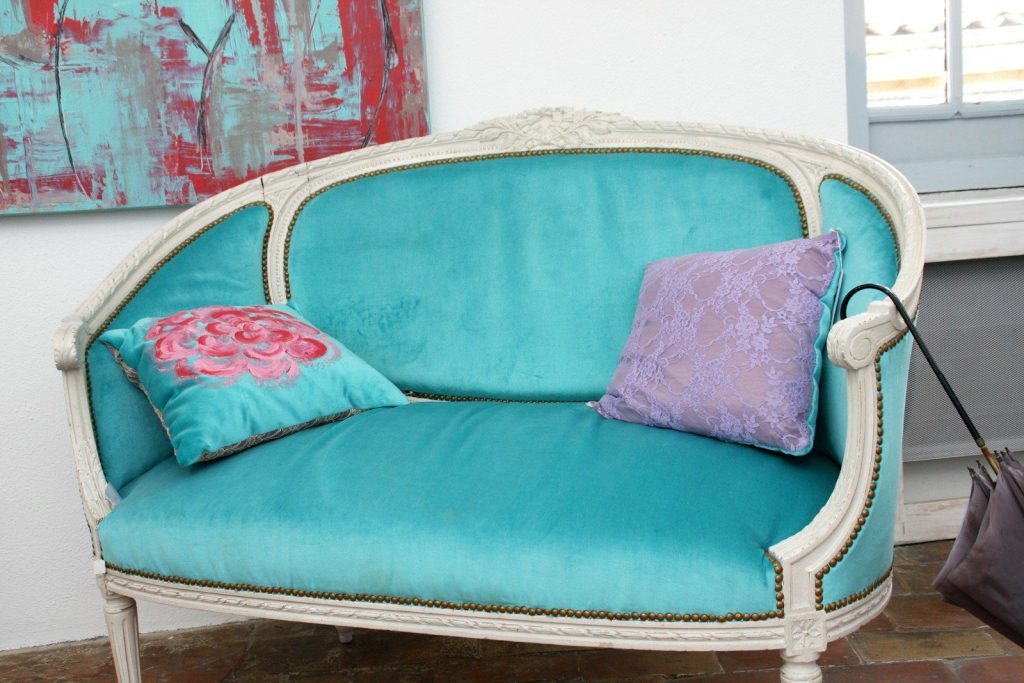
Small decorative pillows scattered across large sofas often create more clutter than comfort.
Designers frequently prefer fewer pillows with larger sizes because they look fuller and feel more practical for everyday use.
Oversized pillows can also help furniture feel softer and more balanced visually.
3. Word Art Everywhere
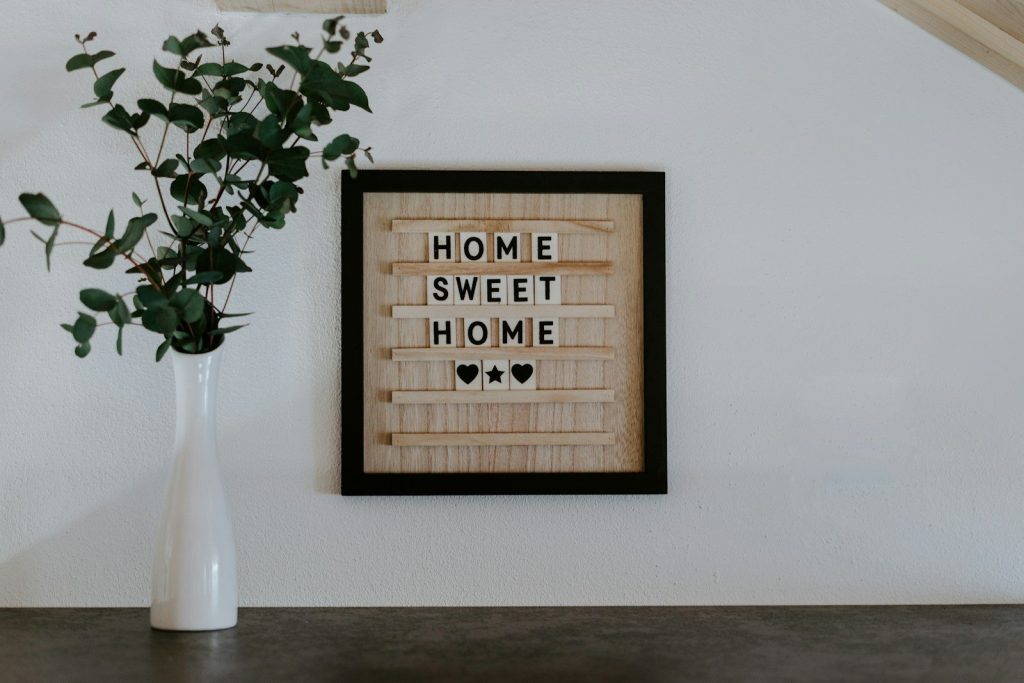
Signs featuring phrases like “Live Laugh Love” became extremely popular for years, though many designers feel excessive word art now makes living rooms feel repetitive and impersonal.
A few meaningful pieces may still work in certain homes, though covering walls with generic quotes can make spaces feel staged rather than lived in.
Artwork, photography, and textured décor often add more character without overwhelming the room.
4. Oversized Furniture in Small Spaces
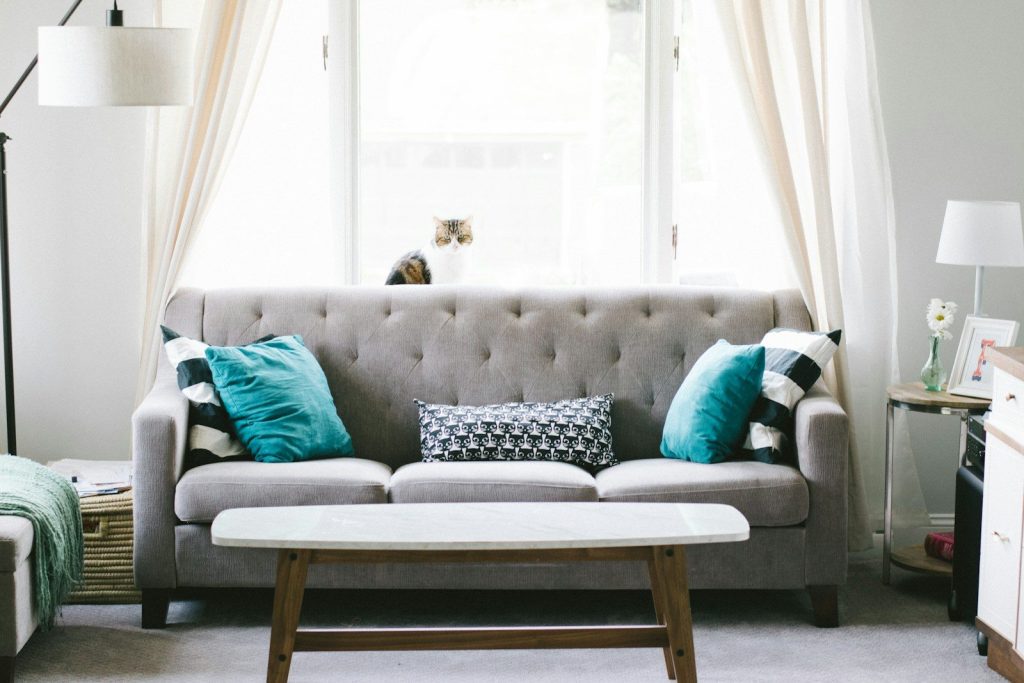
Huge sectional sofas and bulky recliners can overwhelm compact living rooms very quickly.
Furniture that is too large often disrupts traffic flow and makes rooms feel cramped instead of cozy.
Designers usually recommend choosing pieces that fit the scale of the room while still leaving enough open space to move comfortably.
5. Fake Distressed Finishes
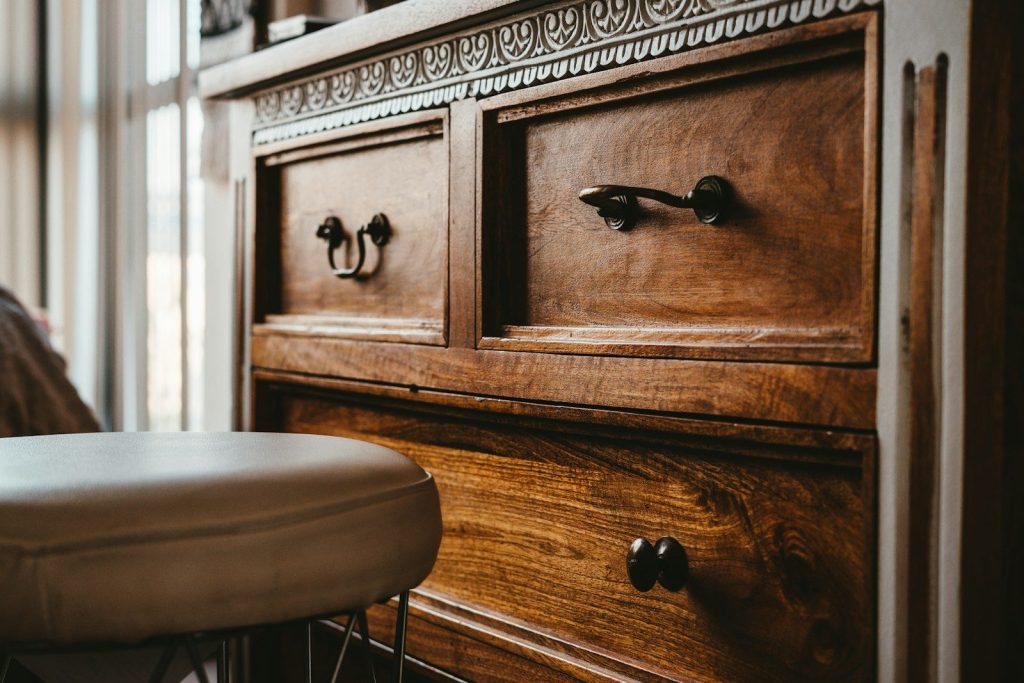
Artificially distressed furniture and heavily weathered finishes became a major farmhouse trend, though many designers feel the look has become overdone.
Pieces covered in excessive faux scratches, chipped paint, or exaggerated aging can make spaces feel dated rather than charming.
Natural wood textures and cleaner finishes have become more popular in recent years.
6. Matching Furniture Sets
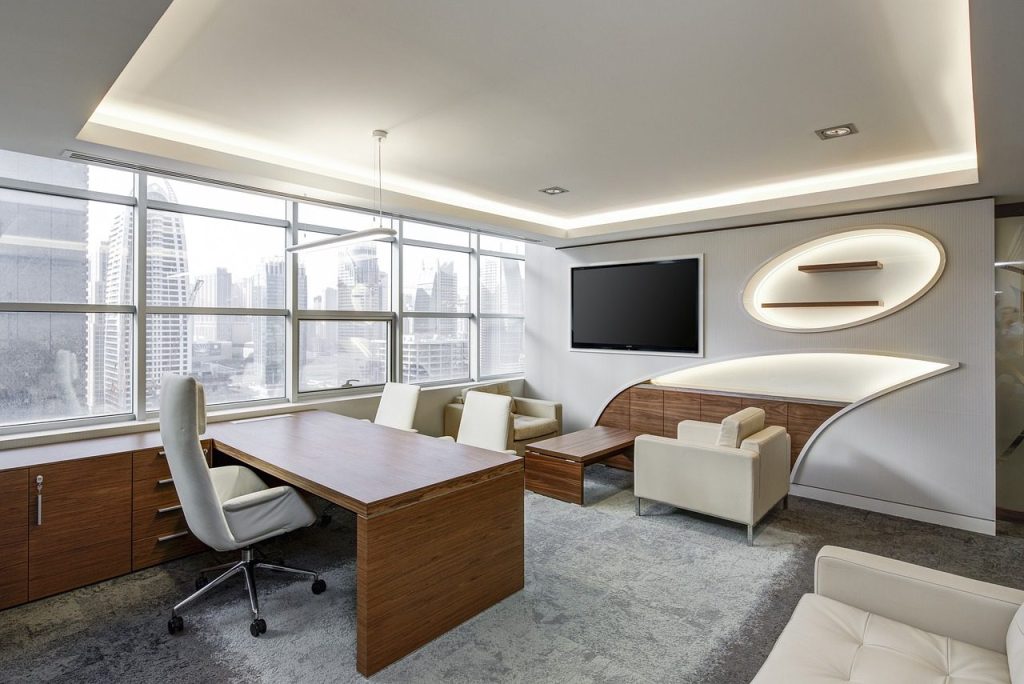
Perfectly matched living room sets can make spaces feel more like furniture showrooms than personal homes.
Designers often prefer mixing textures, materials, and shapes to create a room with more depth and personality.
Pairing different accent chairs, tables, and fabrics usually creates a more collected and relaxed appearance.
7. Open Shelving Filled With Décor
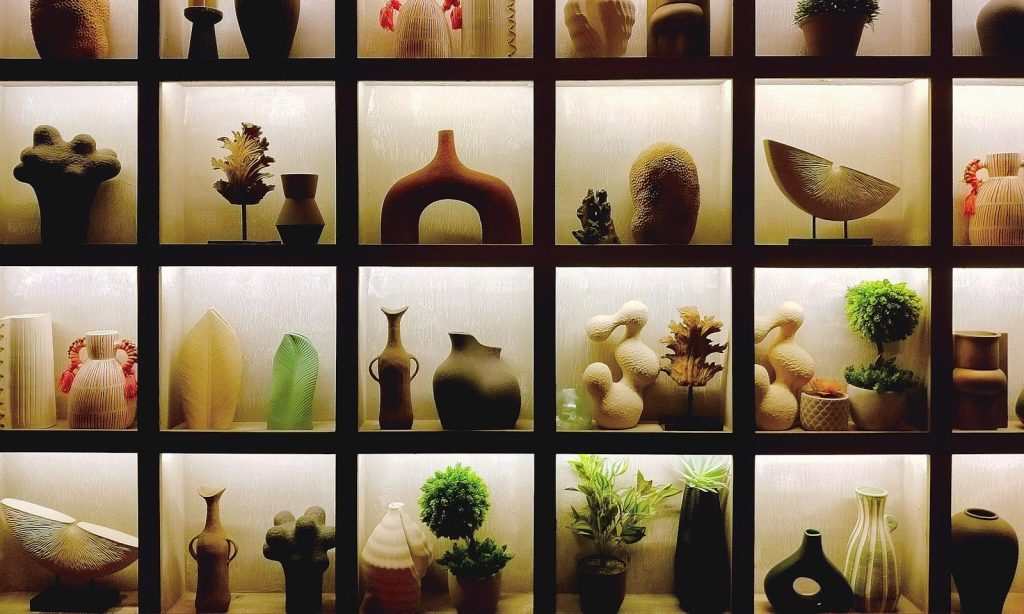
Open shelves packed with decorative objects may look attractive in photos, though they can quickly collect dust and create visual clutter in real life.
Too many small decorative pieces can make living rooms feel busy and harder to keep organized.
Many designers now favor simpler styling with fewer items that have more visual impact.
8. Harsh Cool-Toned Lighting
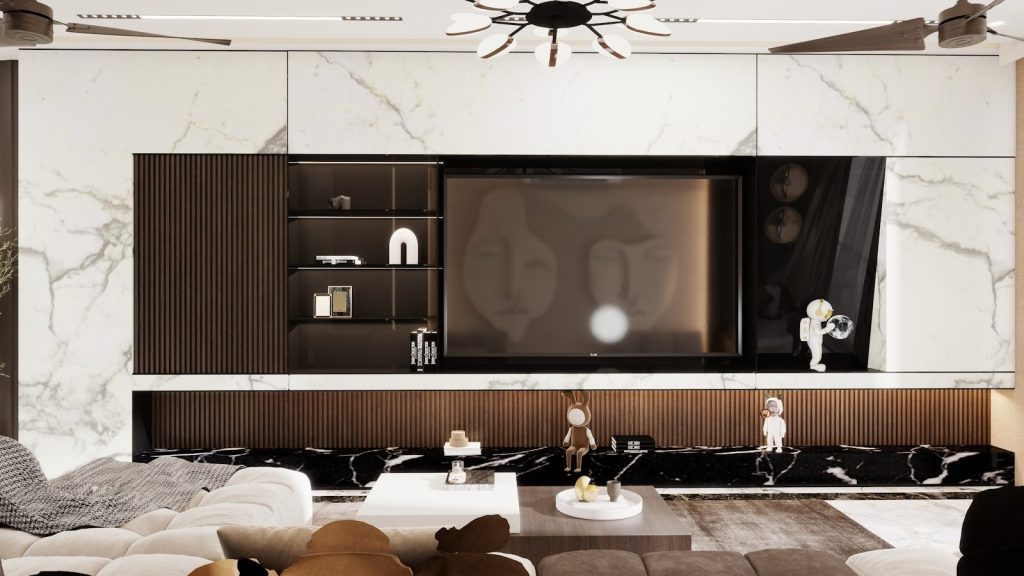
Cool white lighting can make living rooms feel cold and unwelcoming, especially during evenings.
Warm lighting generally creates a softer and more comfortable atmosphere for relaxing or entertaining guests.
Layered lighting with floor lamps, table lamps, and dimmers often feels more balanced than relying on one bright overhead fixture.
9. Fast Furniture That Falls Apart Quickly
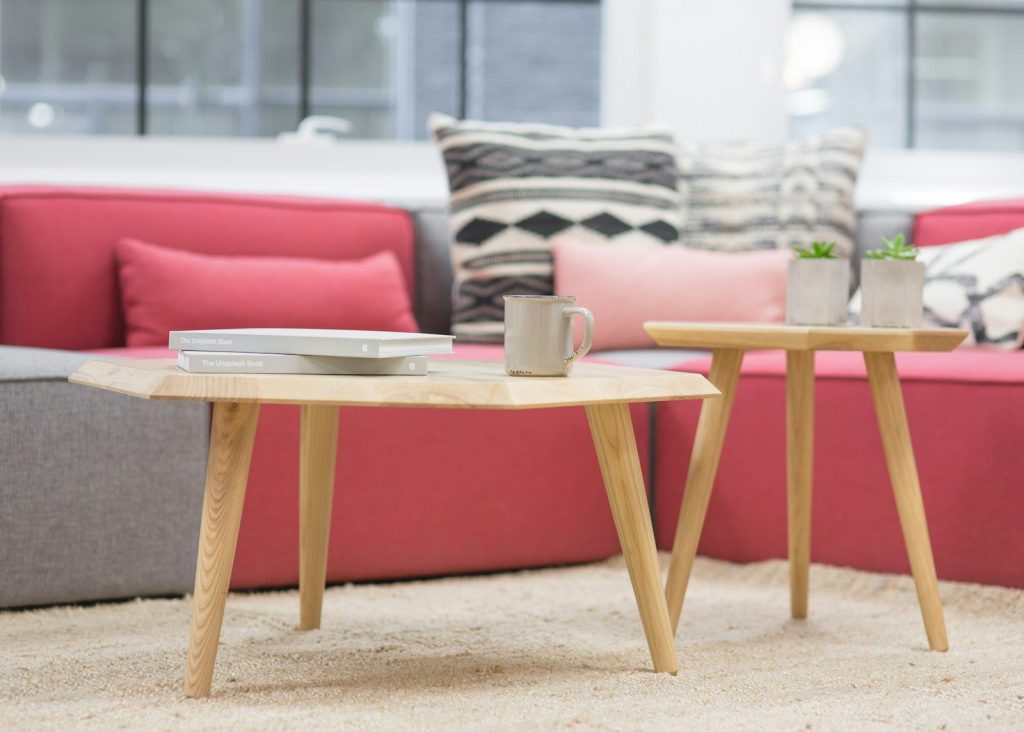
Low-quality furniture designed around short-term trends often wears out much faster than homeowners expect.
Wobbly tables, sagging cushions, and peeling materials can make living rooms look tired within just a few years.
Many designers encourage investing in timeless, durable pieces that age more gracefully over time.
10. TVs Mounted Too High
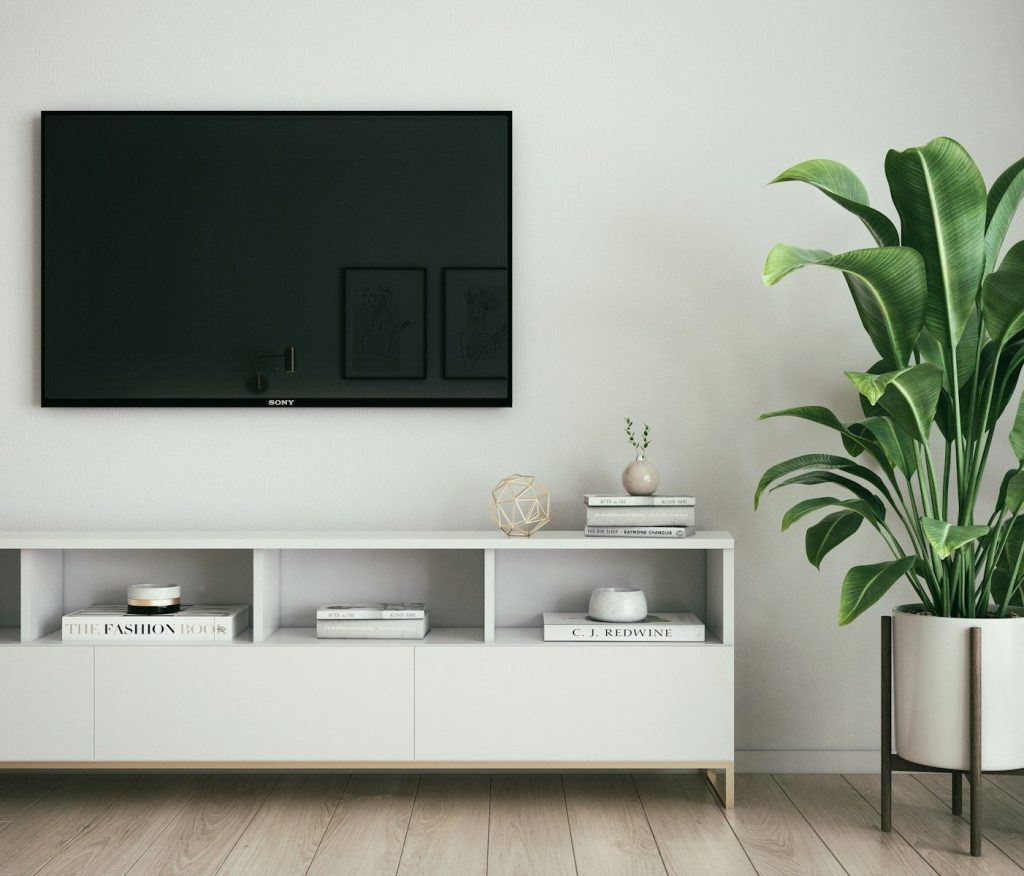
Mounting televisions extremely high above fireplaces became a common design trend, though it often creates uncomfortable viewing angles.
Designers frequently point out that a television placed too high can strain the neck and disrupt the visual balance of the room.
A lower, eye-level position usually feels more comfortable and natural for daily use.
Final Thoughts
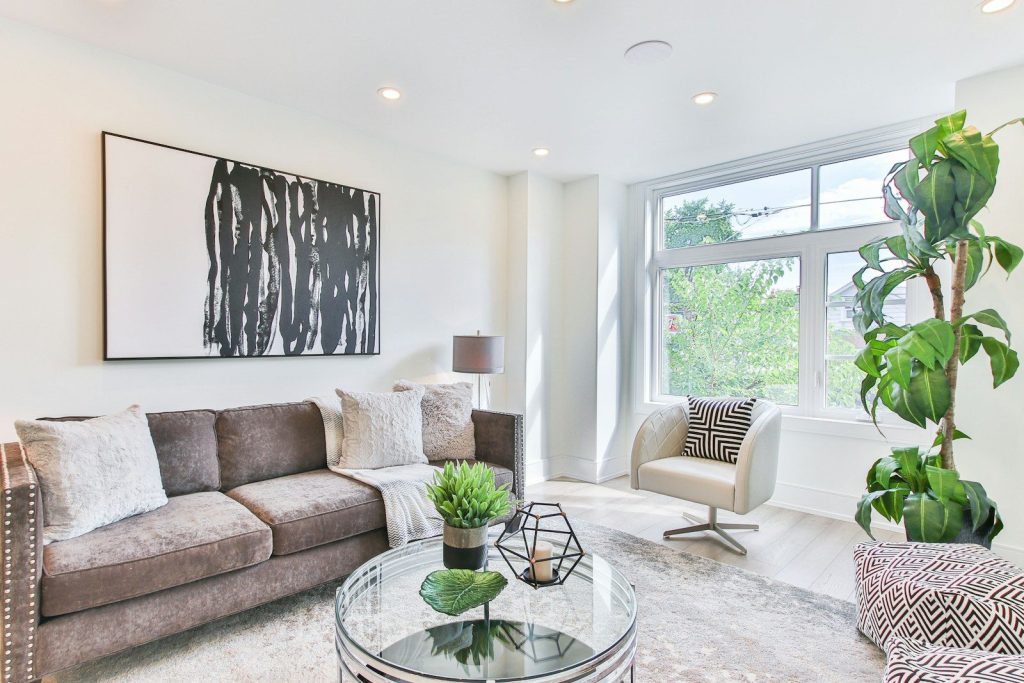
Living rooms are one of the most used spaces in a home, so design preferences often shift alongside changing lifestyles and comfort priorities.
Trends that focus heavily on social media aesthetics sometimes lose popularity once homeowners realize they are difficult to maintain or uncomfortable for everyday living.
Designers generally aim for spaces that feel functional, welcoming, and timeless rather than overly trend-driven.
Focusing on comfort, balance, and practicality often leads to spaces that feel stylish long after short-lived trends fade away.