

Many people assume flexibility is something you’re either born with or not. In reality, stiffness often develops because of daily habits rather than age alone. Hours spent sitting, limited movement variety, and repetitive routines can gradually make the body feel tighter over time. The good news is that improving flexibility does not require becoming a yoga expert or spending an hour stretching every day. These flexibility hacks focus on small changes that can help you move more comfortably and feel less stiff throughout the day.
Start With A Two-Minute Morning Stretch Reset
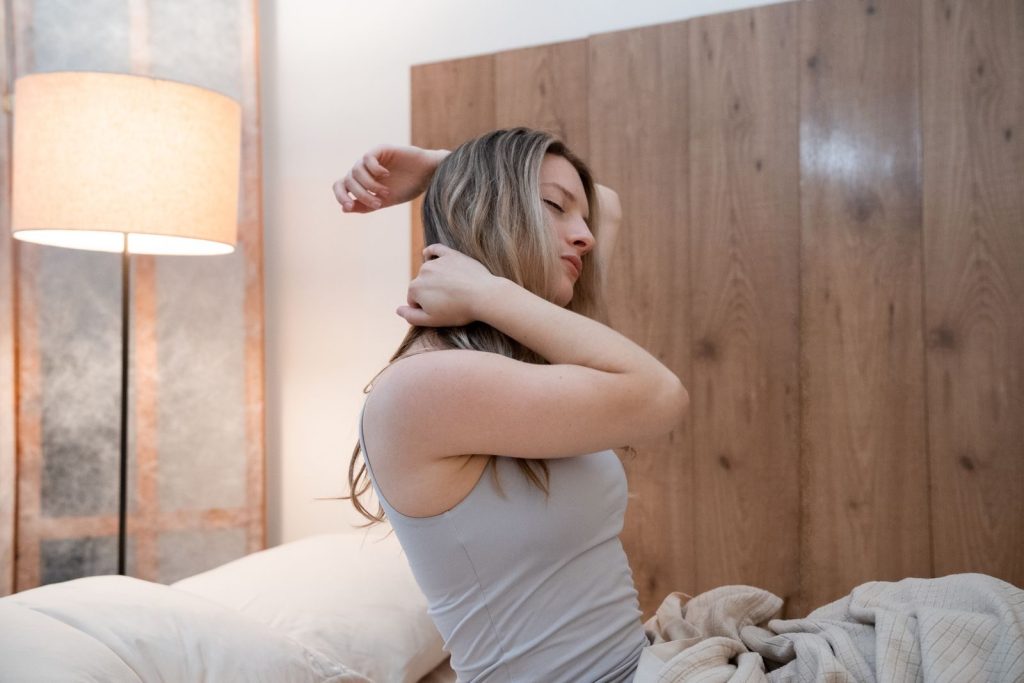
Many people wake up feeling stiff because the body has been inactive for several hours. A simple two-minute routine that includes reaching overhead, gentle spinal twists, and light hamstring stretches can help restore movement before the day begins. The goal is not intensity but consistency, giving joints and muscles a chance to wake up gradually rather than jumping straight into a busy schedule.
Turn Television Time Into Hip Mobility Time
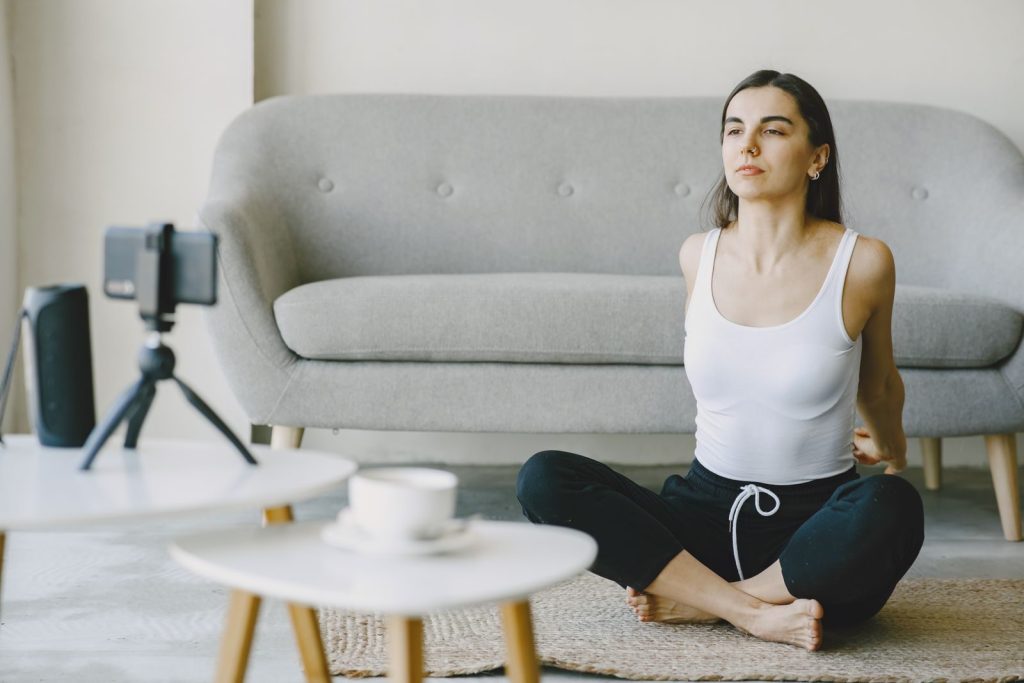
Hours spent sitting can leave hips feeling tight and restricted. Instead of waiting for a workout session, use part of your television time to sit on the floor, perform gentle hip openers, or move through comfortable mobility exercises. This approach turns otherwise inactive time into an opportunity to improve movement without feeling like extra work.
Pay More Attention To Your Ankles
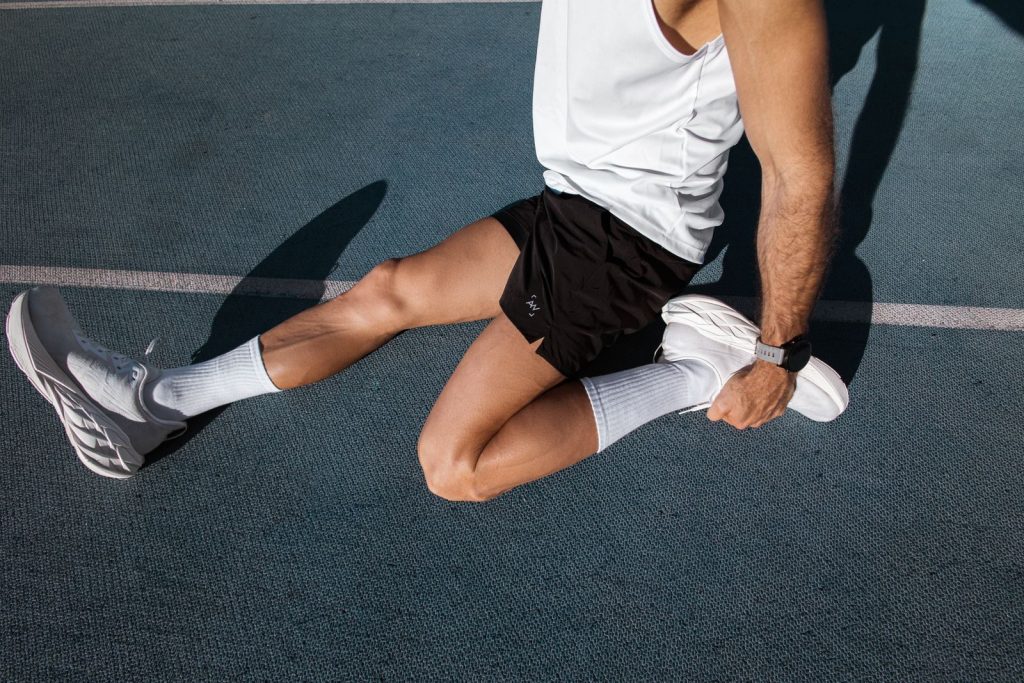
Ankle flexibility rarely gets much attention, yet it influences walking, balance, squatting, and overall movement quality. Limited ankle mobility can affect how the rest of the body moves, sometimes creating unnecessary strain elsewhere. Spending a few minutes performing ankle circles, calf stretches, or controlled ankle movements can provide benefits that extend beyond the feet.
Stop Waiting Until You’re Already Stiff
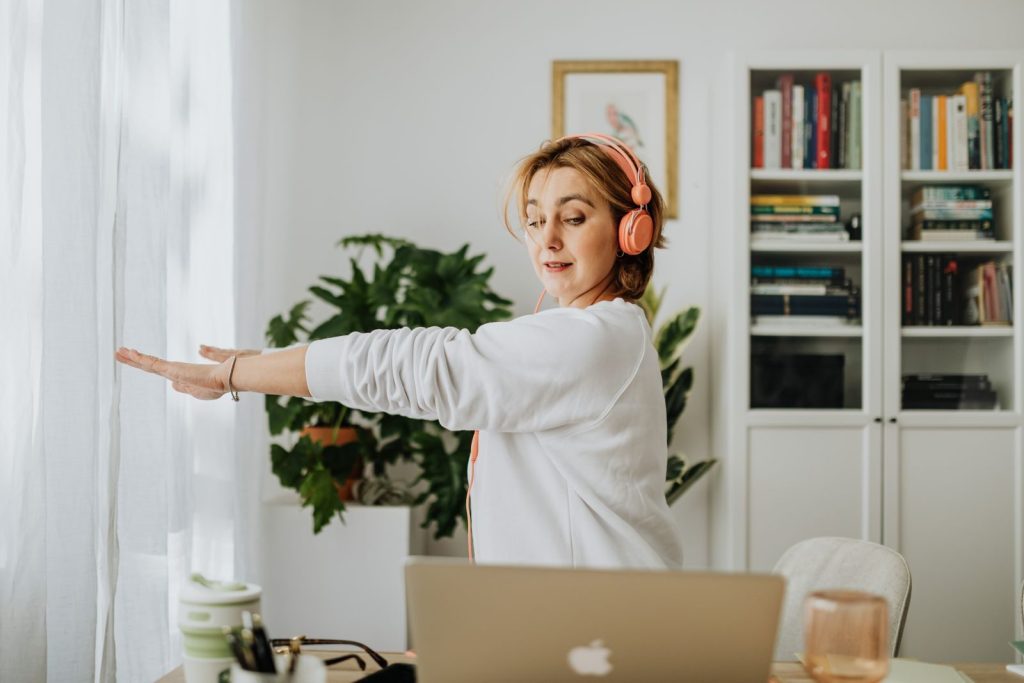
Many people only stretch after they start feeling discomfort. Building short movement breaks into the day can help prevent stiffness from developing in the first place. Standing up regularly, walking around the room, or performing a few simple stretches throughout the day often works better than trying to undo hours of inactivity all at once.
Use Yoga Poses As Movement Breaks
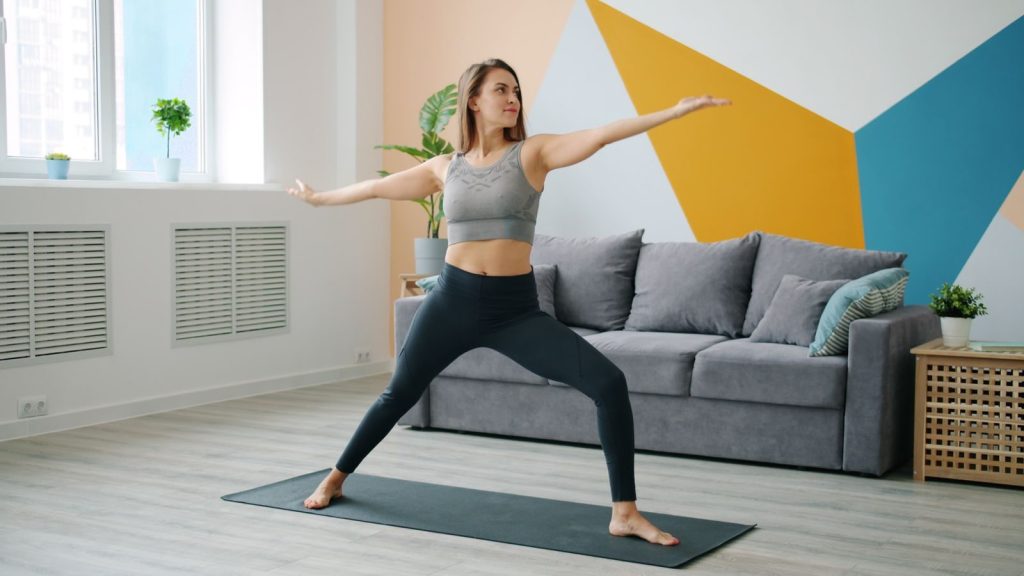
You do not need a full yoga class to benefit from yoga-based movements. Simple poses such as Cat-Cow, Child’s Pose, or Downward Dog can be used as quick movement breaks during the day. These exercises help encourage mobility across multiple areas of the body while requiring very little space or equipment.
Image Idea: Person practicing a simple yoga pose on a mat at home.
Stretch While The Muscles Are Warm
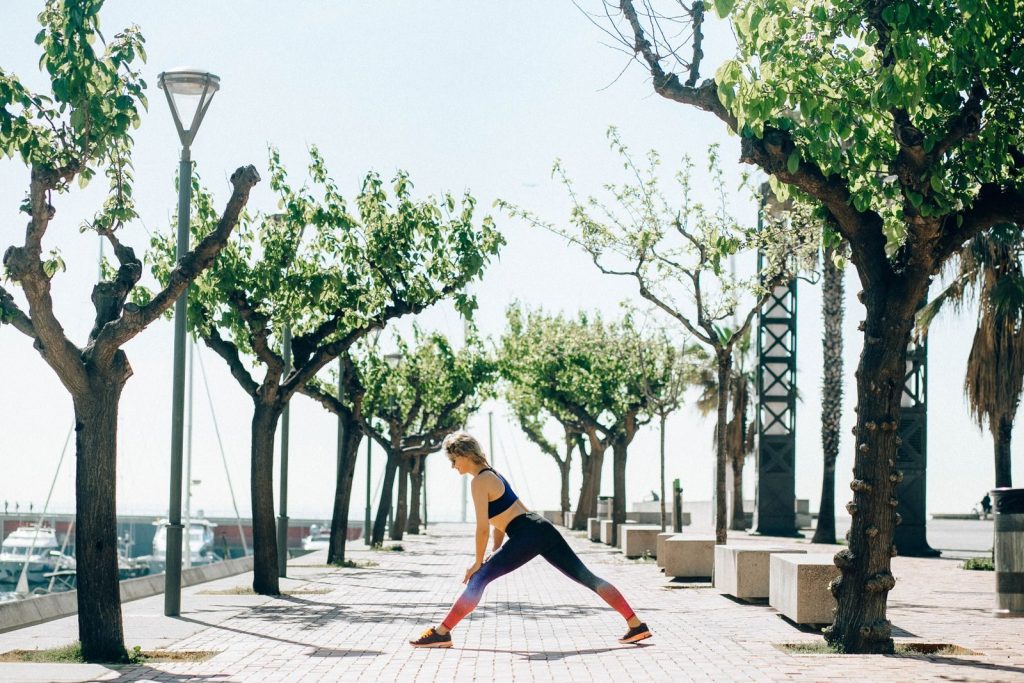
Flexibility work often feels more comfortable after the body has been moving. Taking a walk, doing household chores, or completing a workout before stretching may allow muscles to move more freely than stretching immediately after long periods of sitting. Many people find their stretches feel smoother and more productive when performed after some light activity.
Create A Five-Minute Evening Flexibility Ritual
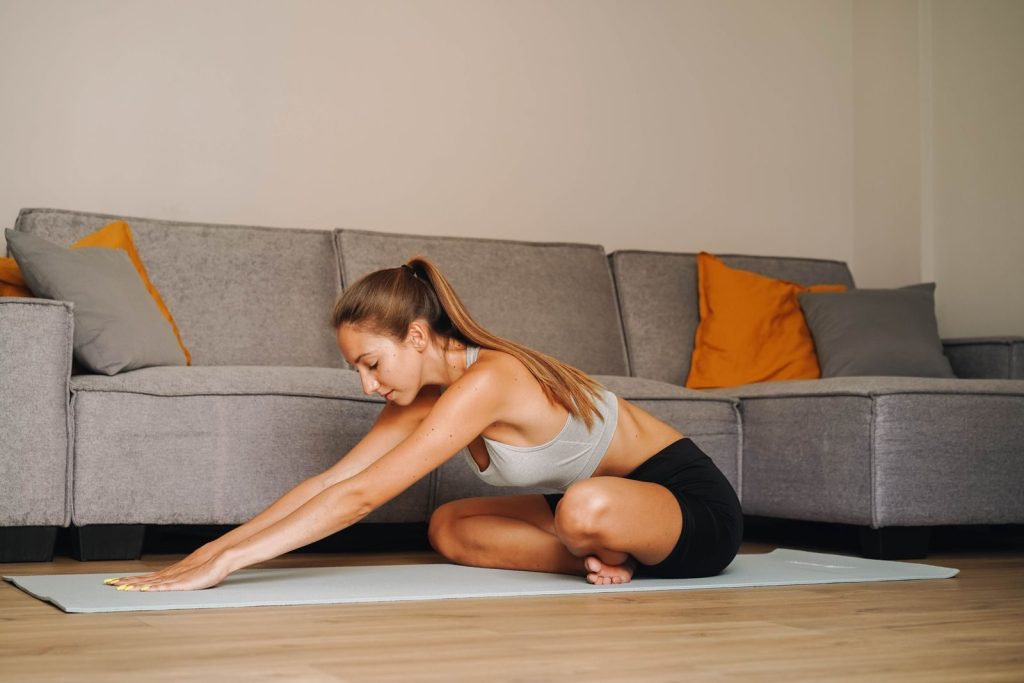
Evening can be an excellent time to unwind while giving the body extra movement. A short routine focused on the hips, lower back, shoulders, and hamstrings can help release tension accumulated throughout the day. Keeping the routine brief makes it easier to maintain consistently, which is often more important than the length of any individual session.
Focus On Consistency Instead Of Intensity
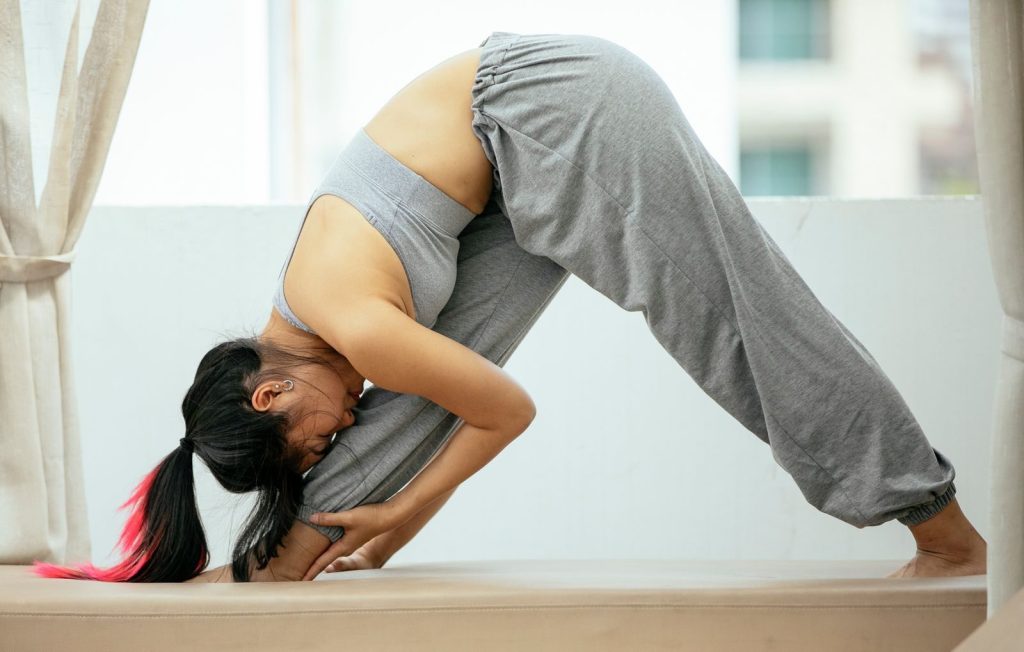
One of the biggest flexibility mistakes is trying to force dramatic results too quickly. Small amounts of stretching performed regularly often produce better long-term results than occasional intense sessions. Improving flexibility is usually less about pushing harder and more about creating habits that the body can maintain over time.
Better Flexibility Often Starts With Better Habits
Many people think flexibility requires special talent or lengthy workout sessions, but daily movement habits often matter much more. Small actions such as moving more often, paying attention to mobility, stretching while warm, and building short routines into the day can gradually make the body feel more comfortable and capable. The goal is not perfect flexibility. It is simply moving through life with a little less stiffness and a little more ease.