

Most people assume a meaningful workout needs a full hour, a gym, and a real-time commitment before it counts for anything. A study led by researchers at Penn State College of Medicine found that just four minutes of daily strengthening exercise significantly improved strength, mobility, and fall risk in adults over 65, with measurable changes within twelve weeks. A separate Harvard study drawing on thirty years of data from over 111,000 adults added another layer: it is not just how much people move, but how varied that movement is, that consistently shows up in longevity research. Put the two findings together, and the picture is the same; more is not always the point. Doing it daily, and varying what you do, is.
Four Minutes Actually Has to Be the Right Four Minutes
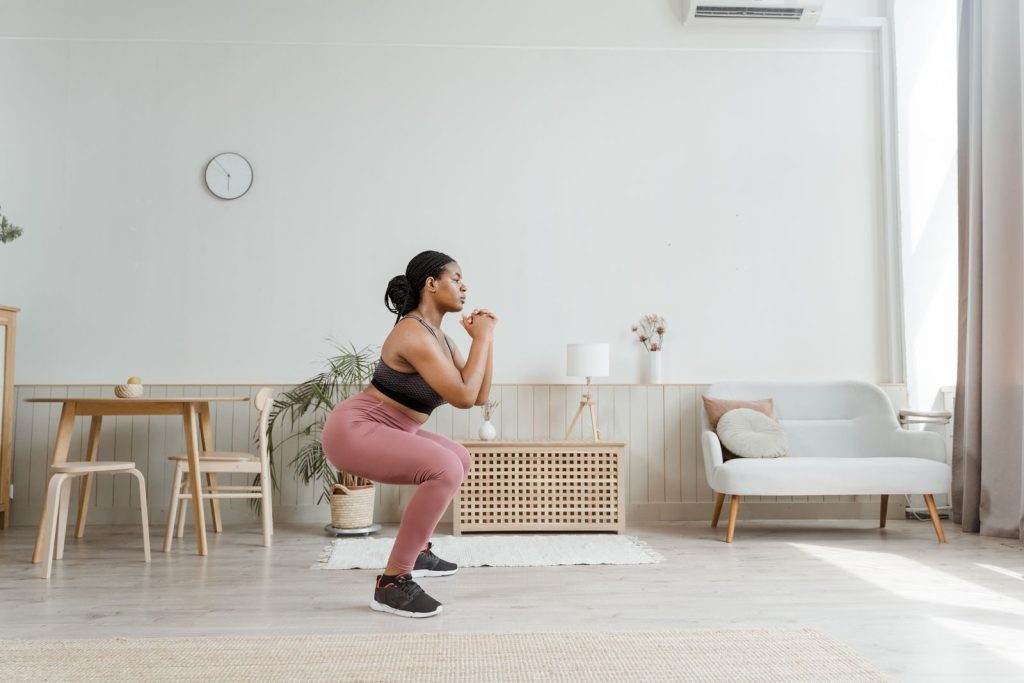
The Penn State finding was built around strengthening exercise specifically, movements that work muscles against resistance rather than just elevating the heart rate. A four-minute walk counts as movement but does not replicate the same outcome. Bodyweight squats, wall push-ups, calf raises, and similar resistance-based movements done daily for a short, consistent block are what the research points to, not just any four minutes of not sitting.
The Habit Stacks Better Than a Workout Ever Will

A four-minute block is short enough to attach to something that already happens every day without negotiation, the coffee brewing, the teeth brushing, the moment before a shower. Habit researchers call this implementation intention, anchoring a new behavior to an existing cue so the decision to do it never has to be made fresh each day. The workouts people do consistently are almost never the ones they plan carefully, they are the ones that were already next to something else.
Variety Matters More Than Volume, According to 30 Years of Data

The Harvard study found that people who mixed different types of movement, walking, strength work, flexibility, and balance, showed better longevity outcomes than those who did more of one type alone. The body appears to respond to different demands rather than the same demand repeated, which means a four-minute block that rotates between different movement types is doing more than the same four-minute block done identically every day.
Breaking Up Sitting Time Is Its Own Separate Hack

A study from University College London involving over 14,000 adults found that even five extra minutes of exercise-like movement per day was associated with lower blood pressure, but redistributing time away from sitting showed distinct benefits of its own. Standing up and moving for two or three minutes every hour does something that a concentrated four-minute morning block does not fully address, which is why the two habits work better together than either one alone.
Bodyweight Is Enough to Count as Resistance

One of the most common barriers to daily strengthening exercise is the assumption that it requires weights or equipment. The Penn State study used movements the participants could do at home without anything, and the outcomes were significant within twelve weeks. Squats, push-ups, lunges, and wall sits generate enough muscular demand to trigger the same adaptive response that weights produce, particularly for people who are not already doing regular training.
Balance Work Is the Category Most People Skip Entirely

The Harvard data identified balance and flexibility as the movement types most consistently missing from people’s routines, even among those who exercised regularly. Single-leg stands, heel-to-toe walks, and simple stability movements take under a minute each and can be rotated into any four-minute block without any equipment. They are also the category most directly linked to fall prevention, the mechanism behind a significant proportion of longevity-threatening injuries in later life.
Image idea: balance standing single leg
Talk to a Doctor Before Building Any Routine Around a Medical Goal

The research is genuinely compelling, but a four-minute exercise habit built around a personal health goal, managing a condition, recovering from injury, or addressing a specific risk factor, is worth discussing with a doctor first. General daily movement is broadly safe for most people, but the specifics of what those four minutes should involve depend on individual circumstances that no study average can fully account for.
Start Small Enough That Skipping Feels Harder Than Doing It

The most consistent finding across habit research is not which exercise is best but which one actually gets done every day. Four minutes is short enough that the excuse not to do it rarely survives contact with reality, which is most of what makes it work. Start with one movement, attach it to one existing habit, and add variety gradually rather than designing the perfect routine that gets abandoned in week two.