

French toast has been a breakfast favorite for generations, but a small change to the batter can make a noticeable difference. Sometimes the best cooking tips are the ones that have quietly stood the test of time.
One vintage trick from the Betty Crocker kitchen continues to impress home cooks because it adds more flavor without making the recipe complicated. It is an easy upgrade that transforms an everyday breakfast into something that tastes special.
A Simple Pantry Ingredient Changes Everything
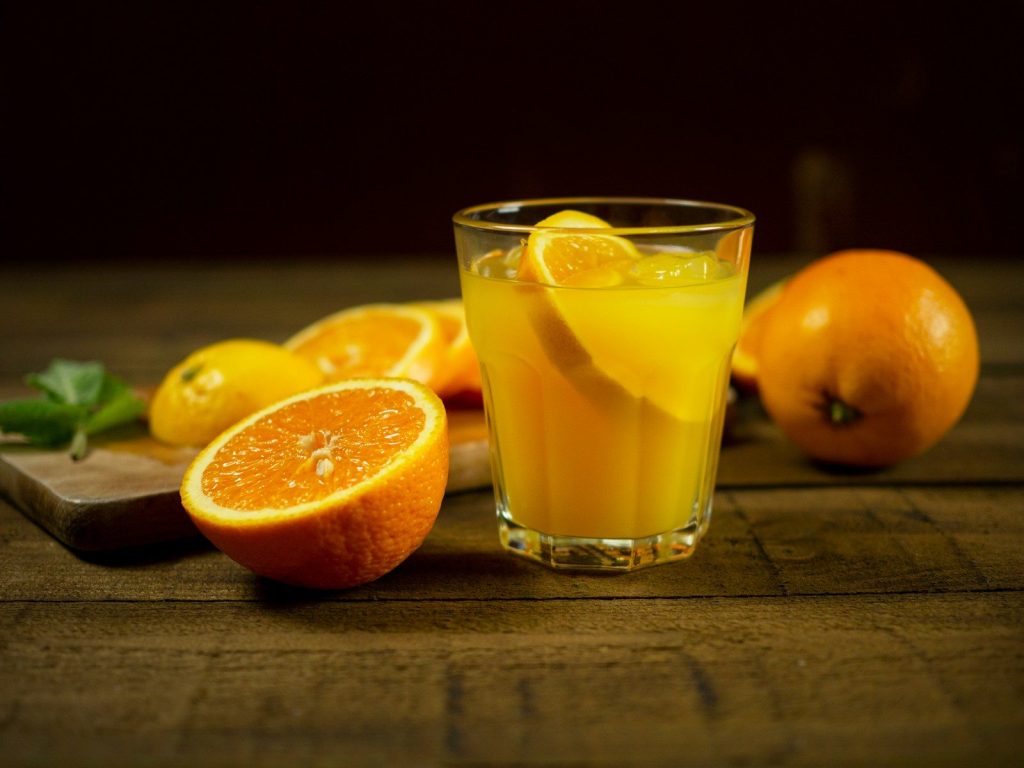
The classic trick is adding a small amount of orange juice to the egg mixture before soaking the bread. While it may sound unusual, the citrus adds a subtle brightness that balances the richness of the eggs and milk.
Rather than making the toast taste like oranges, the juice enhances the overall flavor. The result is a fresher and more complex bite that feels lighter without sacrificing the comforting qualities of traditional French toast.
Why Citrus Works So Well
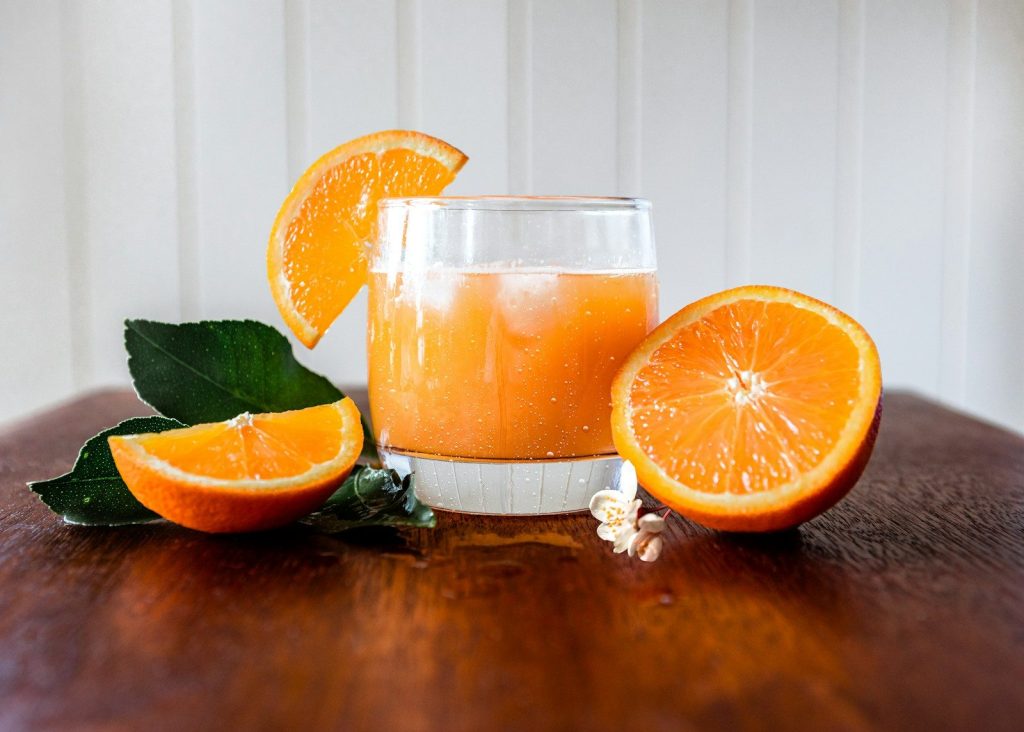
Orange juice contains natural acidity that helps cut through the richness of butter, eggs, and syrup. That balance keeps each bite from feeling overly heavy.
The gentle citrus notes also complement common spices like cinnamon, nutmeg, and vanilla. Together, they create a breakfast that tastes more layered and satisfying.
Choose the Right Bread
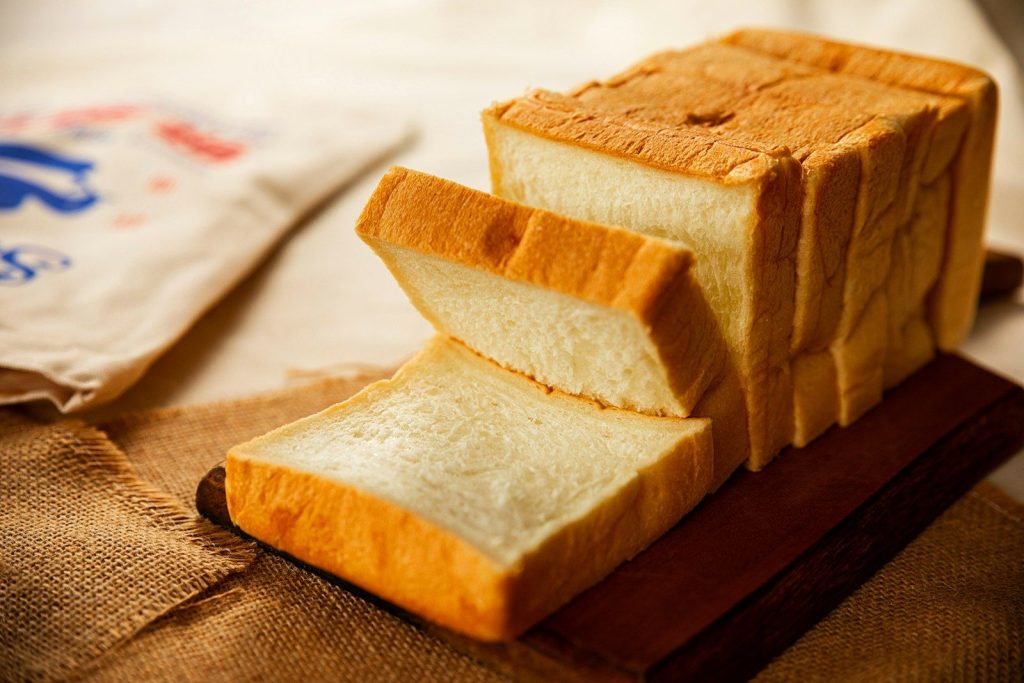
Even the best batter cannot rescue bread that is too soft or too fresh. Slightly stale slices absorb the custard more evenly without falling apart.
Thicker breads such as brioche, challah, or Texas toast work especially well. They remain soft inside while developing a crisp golden exterior during cooking.
Do Not Rush the Soaking Step
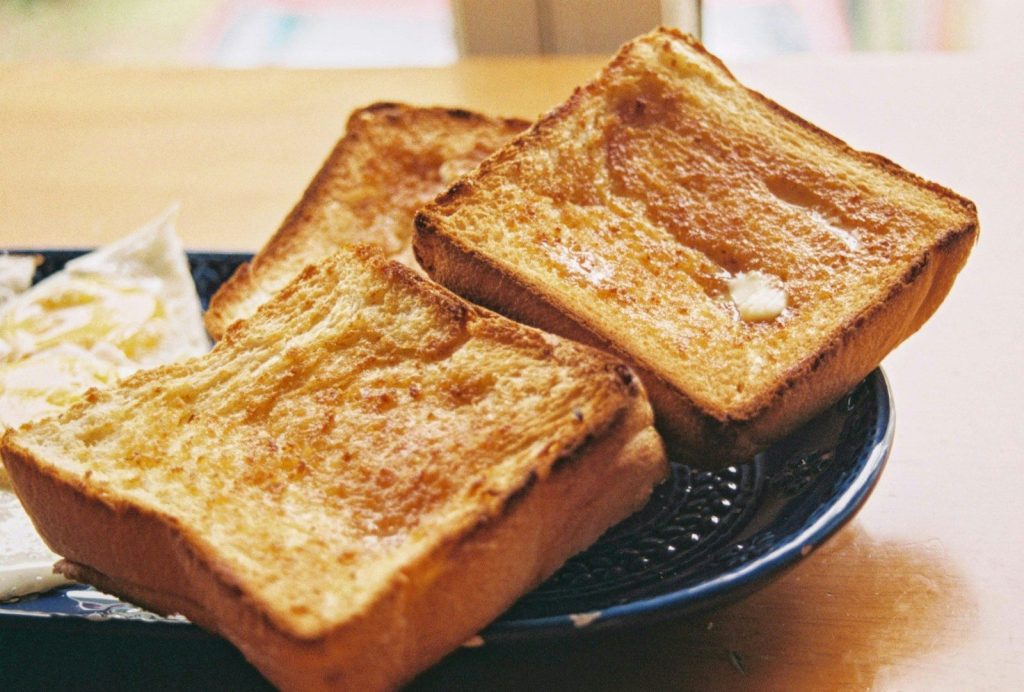
Allow the bread enough time to absorb the custard mixture without becoming overly saturated. A few extra moments help the flavors spread throughout each slice.
Turning the bread once during soaking ensures both sides receive equal coverage. This creates a more consistent texture after cooking.
Cook Over Moderate Heat
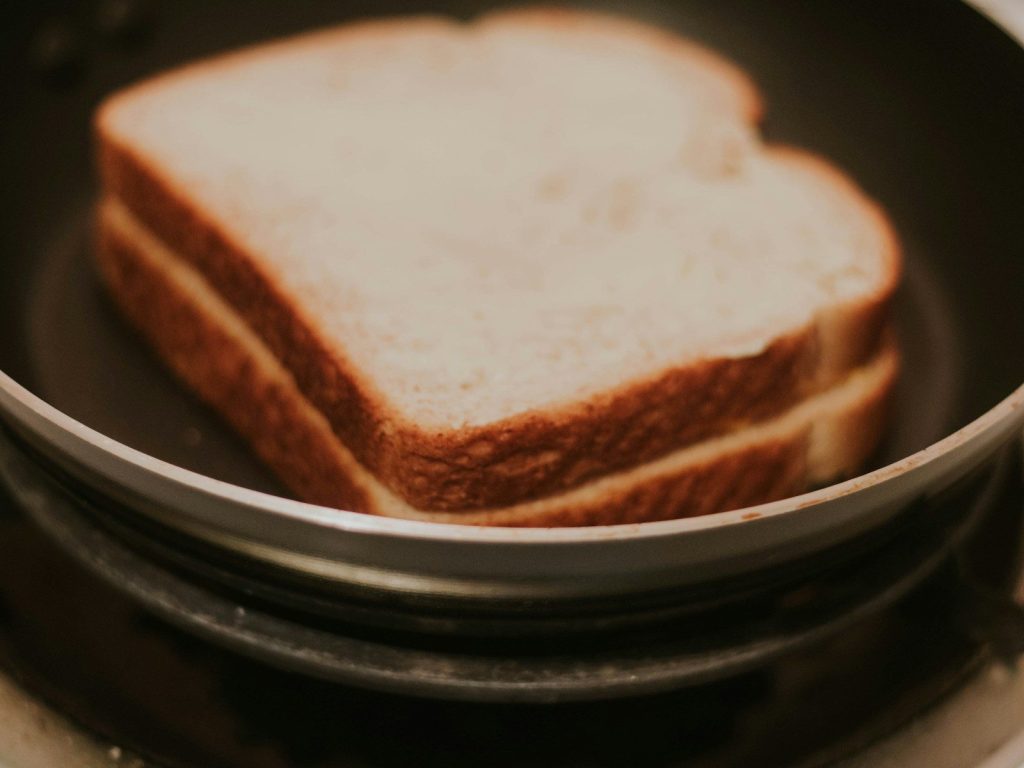
Using very high heat may brown the outside before the center has fully cooked. Medium heat allows the toast to cook evenly while developing a beautiful golden crust.
A lightly buttered skillet or griddle also helps create crisp edges without burning the surface. Patience is often the key to better results.
Build Flavor With Simple Toppings
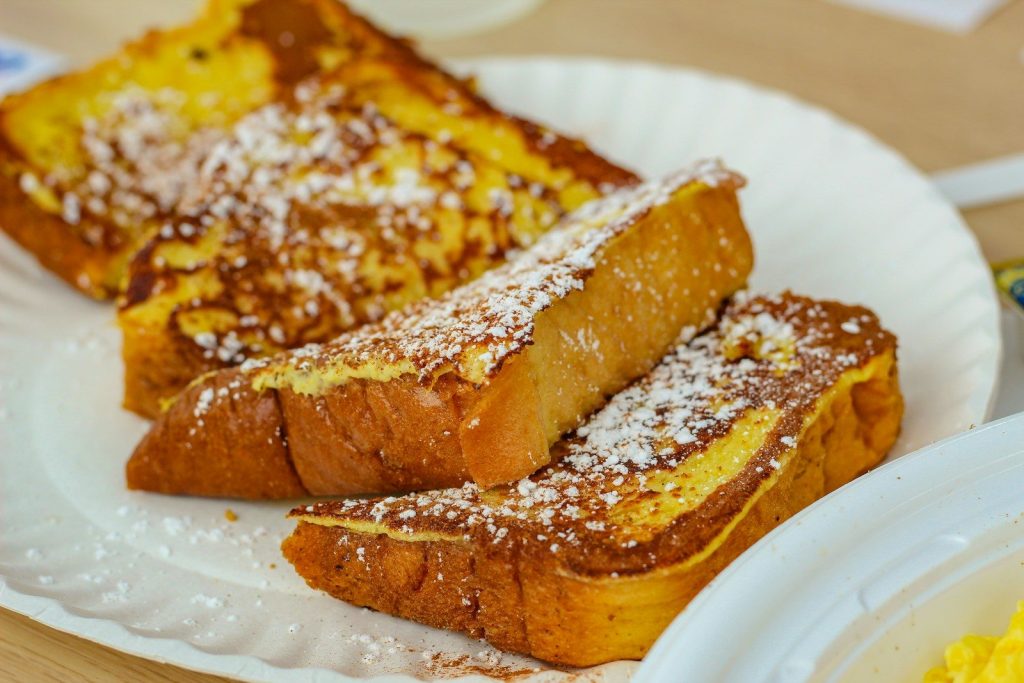
Once the French toast is cooked, keep the toppings balanced so the citrus flavor can still shine. Fresh berries, powdered sugar, toasted nuts, or warm maple syrup all pair beautifully with the subtle orange notes.
For an extra touch, add a little grated orange zest just before serving. It reinforces the flavor without overpowering the dish.
Small Details Make a Big Difference
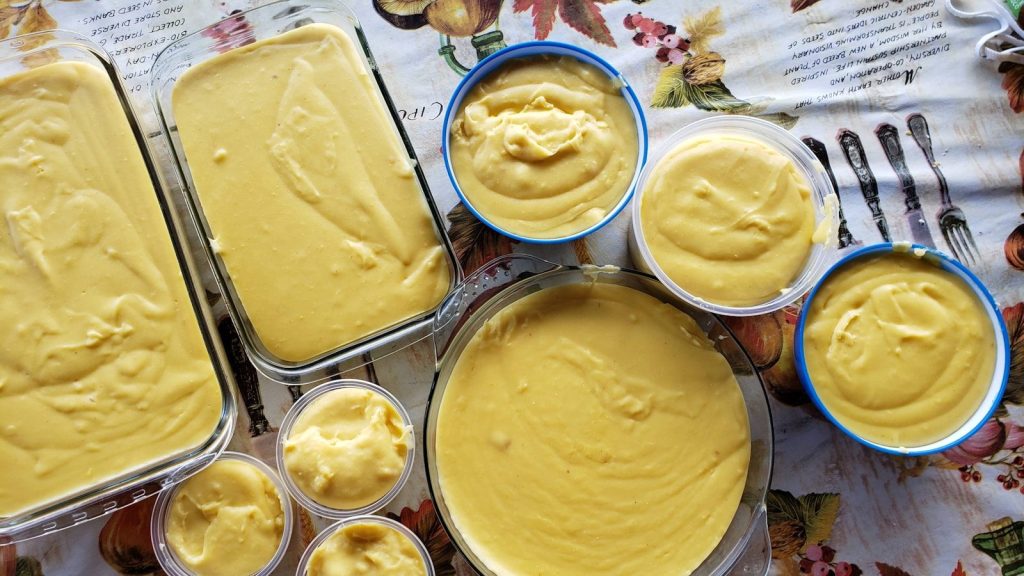
Whisking the custard thoroughly creates a smoother mixture that coats the bread evenly. Even distribution helps prevent pockets of cooked egg from forming.
Using fresh spices and quality vanilla extract also improves the final flavor. These small upgrades work together with the citrus to elevate the entire recipe.
A Timeless Trick Worth Bringing Back
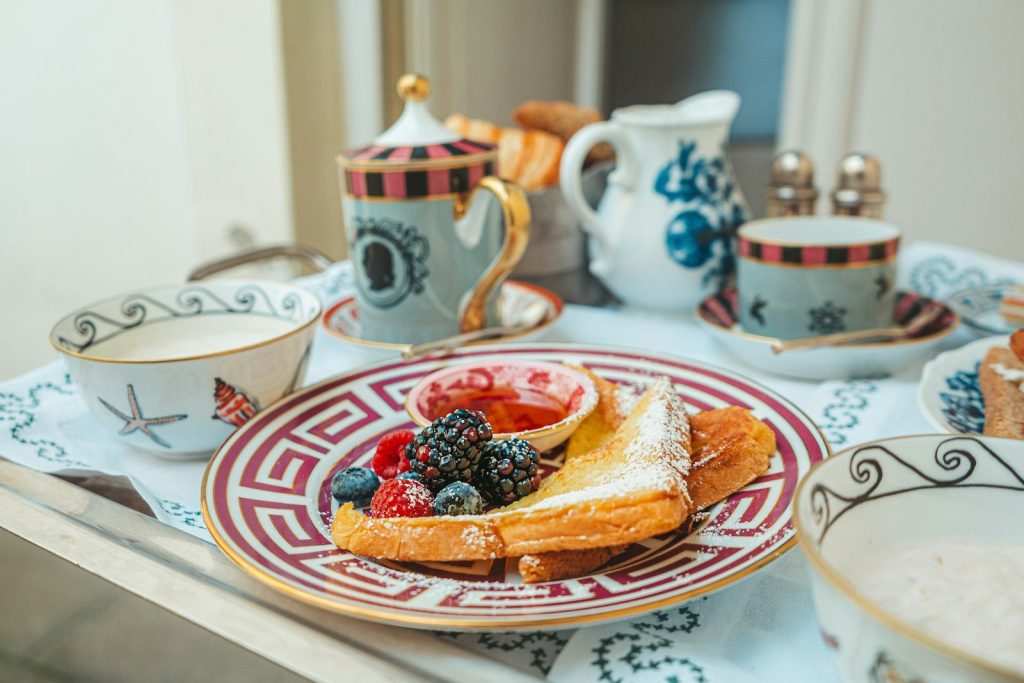
Many classic recipes remain popular because they rely on thoughtful techniques rather than expensive ingredients. This orange juice addition is a perfect example of how one small adjustment can refresh a familiar favorite.
Whether you are making breakfast for your family or serving brunch to guests, this old-school tip adds a little extra flavor with very little effort.
Sometimes the simplest kitchen secrets are the ones that deserve another moment in the spotlight. A splash of orange juice may be all it takes to make your next batch of French toast your best one yet.