

Scammers often change tactics when their first attempt fails. Instead of sounding friendly, they may suddenly use fear, urgency, or intimidation to pressure people into acting without thinking.
Knowing how these tricks work can help you respond with confidence instead of panic. These practical safety hacks can reduce the chances of making a rushed decision when someone tries to scare you into complying.
Recognize Fear as a Manipulation Tool

Many scams become more aggressive when victims hesitate. Threats are often designed to create panic rather than reflect a real ability to carry them out.
The moment a conversation shifts from persuasion to intimidation, treat it as a major warning sign. Fear is one of the oldest scam tactics.
Never Rush Because Someone Demands It
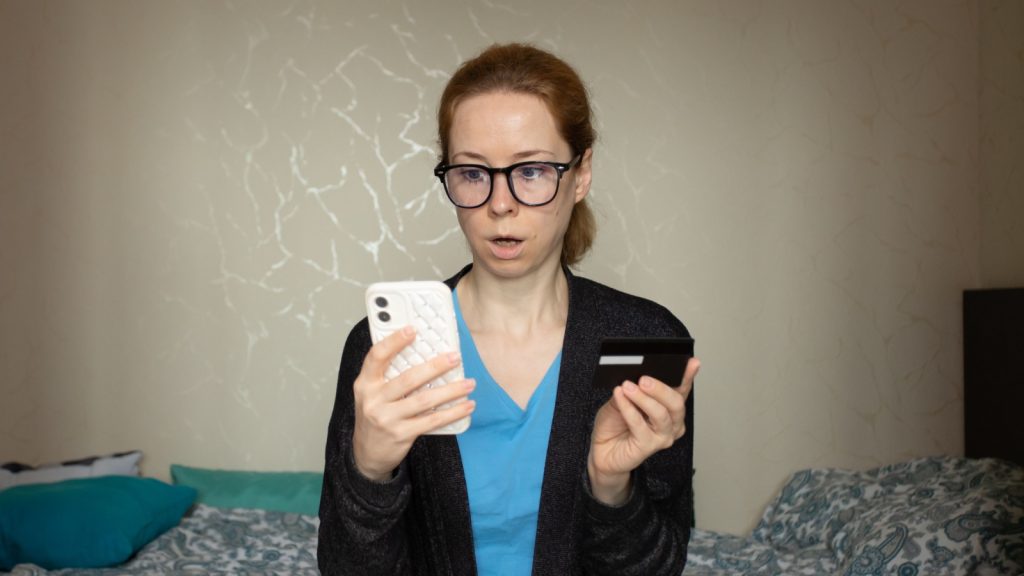
Scammers want quick decisions before you have time to think. Claims that you must act immediately are meant to override careful judgment.
Give yourself permission to slow down. Legitimate organizations rarely demand instant action through threats or intimidation.
Save Evidence Before Taking Action
If someone becomes threatening, preserve messages, emails, usernames, and screenshots. Good records can be useful if you need to report the incident later.
Avoid deleting everything immediately. Documentation is often more valuable than trying to argue with the scammer.
Do Not Negotiate With Threats

Trying to reason with a scammer usually encourages more demands. Responding repeatedly tells them they still have your attention.
The safer approach is to avoid rewarding intimidation. Every reply gives them another opportunity to apply pressure.
Protect Your Accounts Right Away

If you shared passwords or personal information, change your credentials as soon as possible. Enable two-factor authentication wherever available.
Acting quickly can reduce the impact of stolen information. Prevention is much easier than recovering compromised accounts.
Talk to Someone You Trust

Scammers often rely on embarrassment to keep people silent. Sharing the situation with a trusted friend or family member can provide a calmer perspective.
A second opinion makes emotional decisions easier to avoid. Isolation often benefits the scammer more than the victim.
Report Suspicious Activity
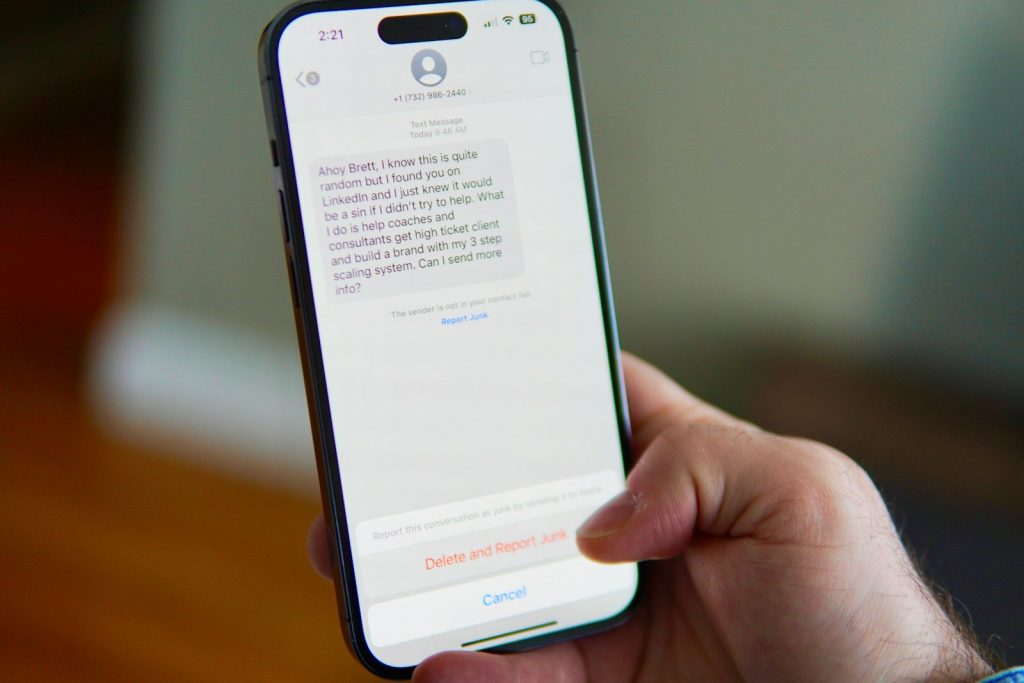
If money, personal information, or serious threats are involved, report the incident through the appropriate authorities or the platform where the contact occurred.
Reporting may also help protect other people from the same scam. Taking action benefits more than just one victim.
Build Habits Before a Scam Happens

The strongest defense starts before you receive a suspicious call or message. Staying cautious with unexpected requests makes you less likely to react emotionally.
When you recognize common manipulation tactics, threats lose much of their power. Preparation is one of the simplest ways to stay safer online.