

Canned vegetables are convenient, but they often get labeled as bland or forgettable. Most people assume the only way to improve them is with complicated seasoning blends or extra cooking steps, but that is not actually true.
Some of the best kitchen upgrades come from very small changes that quietly transform texture and flavor. Once you see how a single addition can shift the entire result, you start rethinking everyday pantry staples completely.
Stop Treating Canned Veggies as Final Form
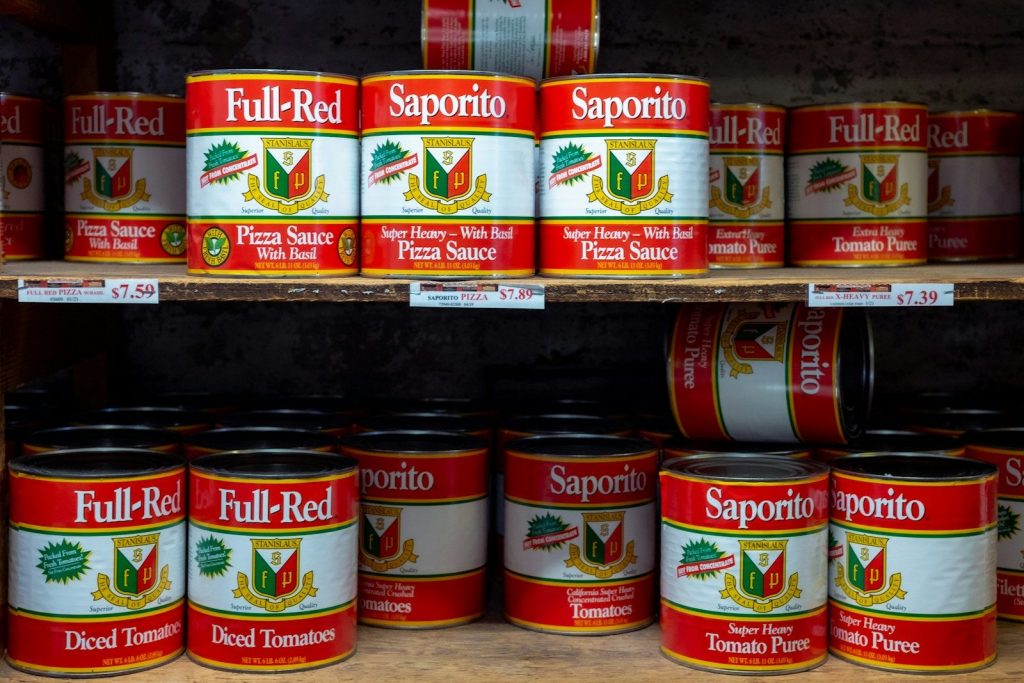
Most people open a can, heat it, and serve it right away. That habit locks in a flat flavor that never really develops or improves in the pan.
A better approach is to think of canned vegetables as a base rather than a finished dish. Even one small adjustment can turn them from plain to noticeably richer.
The Simple Fat Trick That Changes Everything
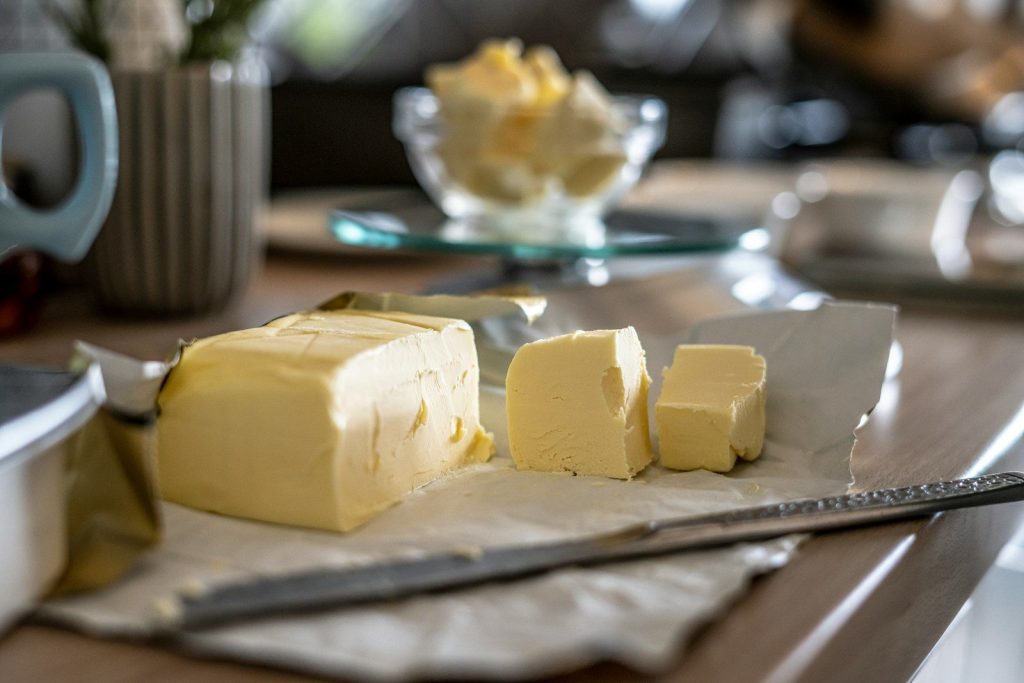
A small amount of butter or olive oil can completely change the mouthfeel of canned vegetables. It smooths out sharp canned notes and adds depth instantly.
Let it melt into the heat before serving so it coats every bite evenly. The difference feels subtle at first but builds with every forkful.
Salt Timing Matters More Than You Think
Most people salt at the end without thinking about timing. That often leads to uneven flavor that sits on top instead of blending in.
Try adding a pinch early while heating. It helps the seasoning settle into the vegetables instead of feeling like an afterthought.
Acid Is the Missing Brightness Hack

Canned vegetables can taste heavy or muted, especially after heating. A small acidic touch brings them back to life.
A few drops of lemon juice or a light splash of vinegar can lift the flavor instantly. It creates balance without overpowering the dish.
Warm Fat Plus Steam Creates Better Texture
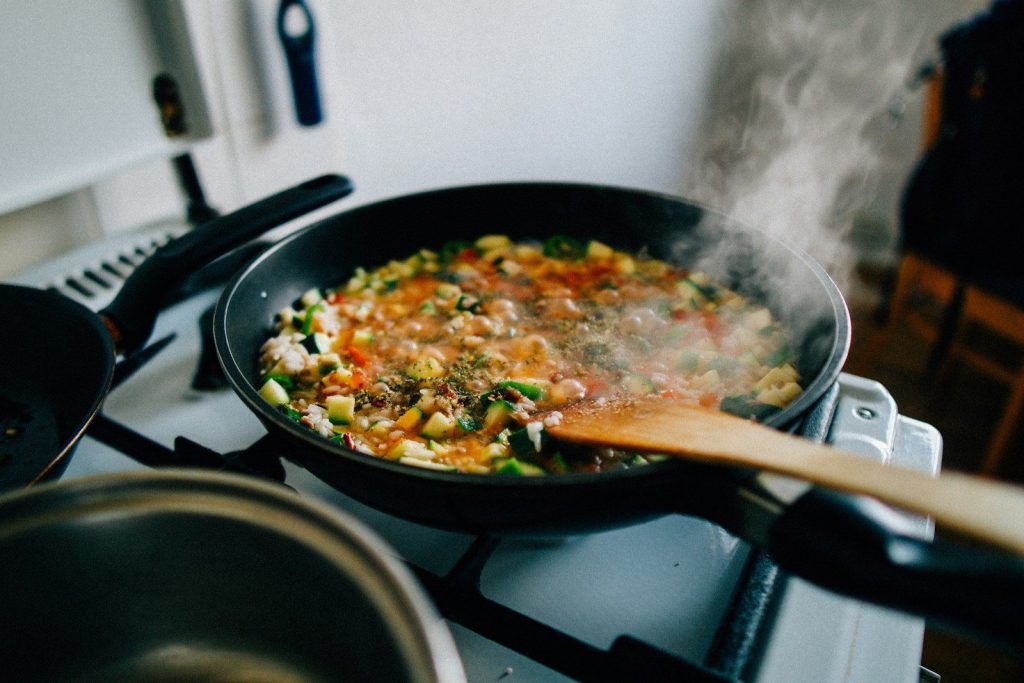
One reason canned vegetables feel soft is excess moisture. The trick is to combine gentle heat with a bit of fat.
Let them warm in a pan instead of microwaving. This reduces sogginess and helps them hold a better bite.
Layer Flavor Instead of Dumping It In
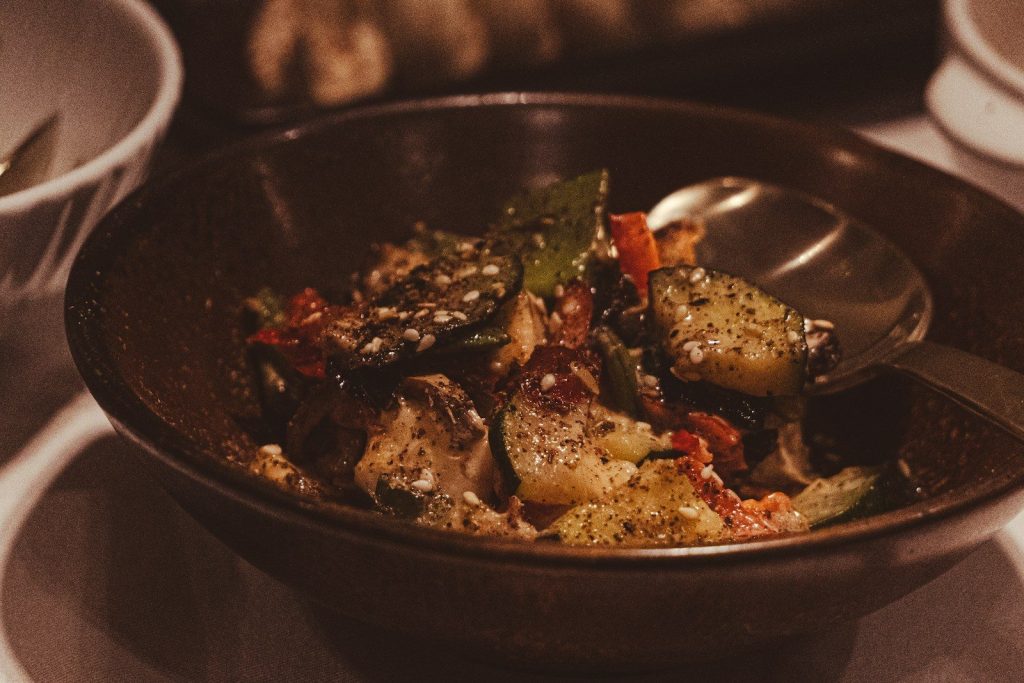
Dumping all seasoning at once can make flavors muddy. Building layers creates a more natural taste.
Start with fat, then salt, then a finishing touch like herbs or spice. Each step adds something without overwhelming the base.
Use Aromatics for Instant Upgrade Energy
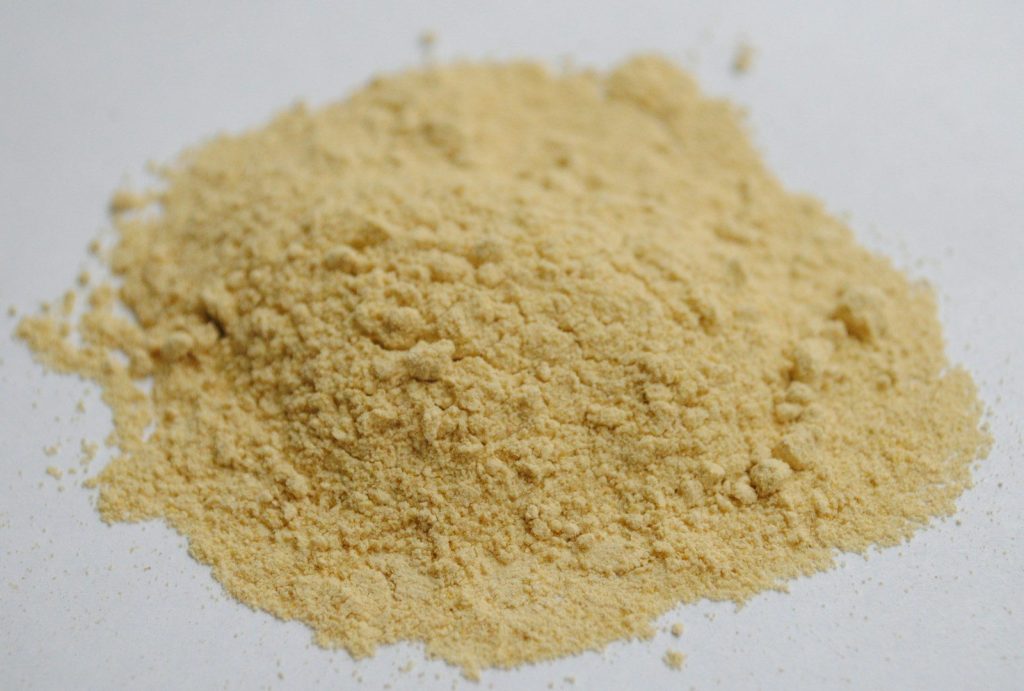
Garlic powder, onion powder, or even a quick sauté of fresh aromatics can shift canned vegetables into something more homemade.
You do not need much. Even a small amount added early in the cooking process changes the entire direction of flavor.
Think Like a Shortcut Cook, Not a Shortcut User
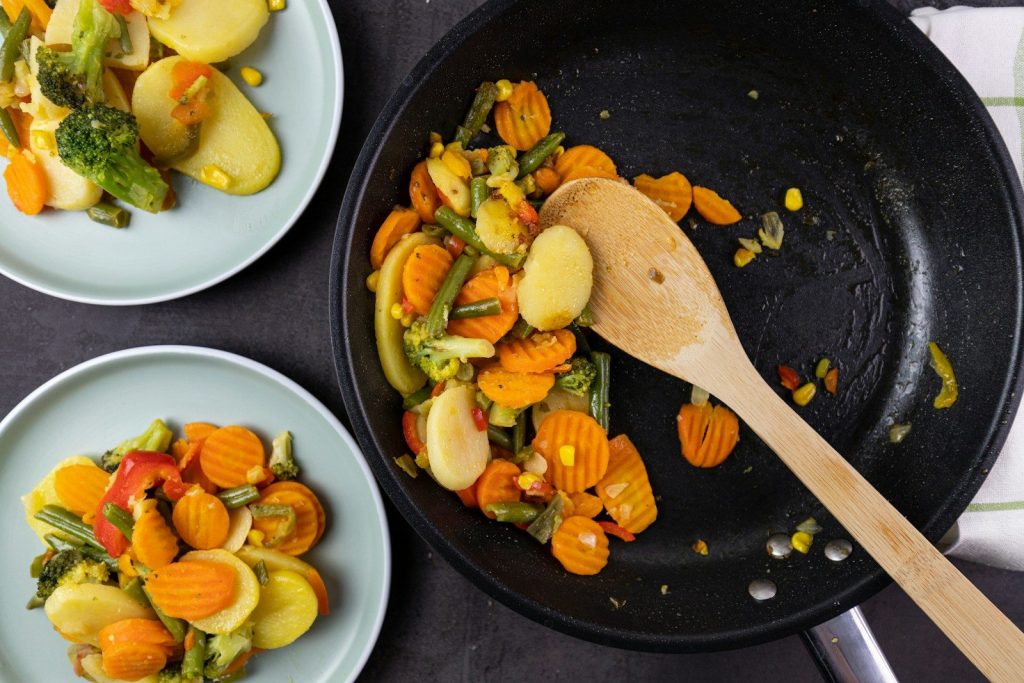
Canned vegetables are not meant to taste like fresh ones. They are meant to be improved quickly with smart additions.
Once you treat them as a base for fast upgrades, you stop fighting their convenience and start using it to your advantage.