

Fresh produce has a funny way of looking perfect at the store and disappointing by midweek. A lot of that waste starts in one place people rarely think about, the bottom drawers of the refrigerator.
Those drawers are not extra storage space. Used well, they can stretch freshness, reduce waste, and make groceries feel like they last twice as long. Here are the practical habits that quietly change everything.
Stop Treating the Drawer Like Random Storage
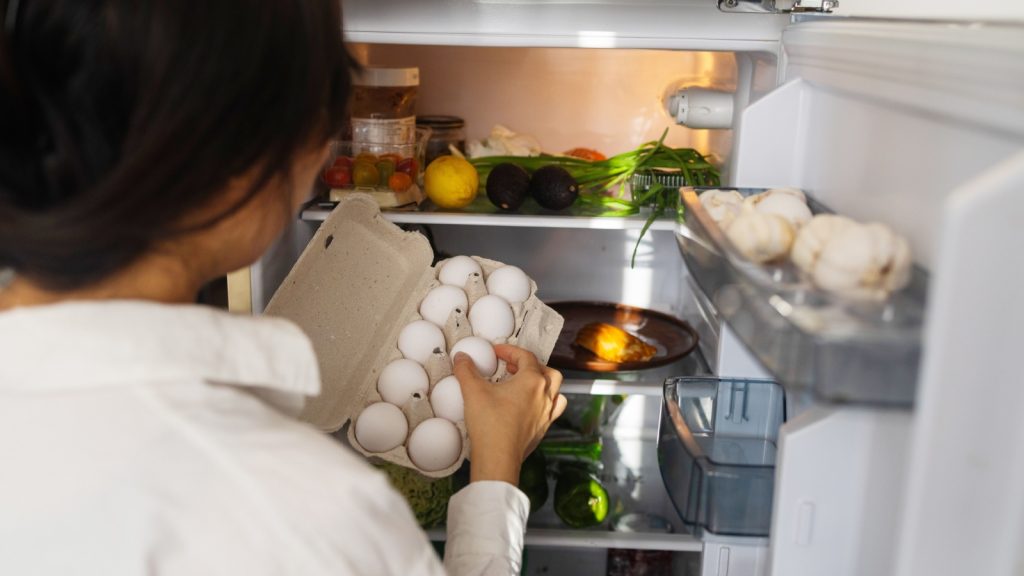
Most people toss produce into whichever drawer is open and call it a day. That habit creates too much moisture for some foods and too much airflow for others, which speeds up spoilage instead of slowing it down.
Think of each drawer as a mini climate zone. Once you assign purpose to each section, you start getting noticeably better results without changing what you buy.
Learn the Humidity Slider Secret
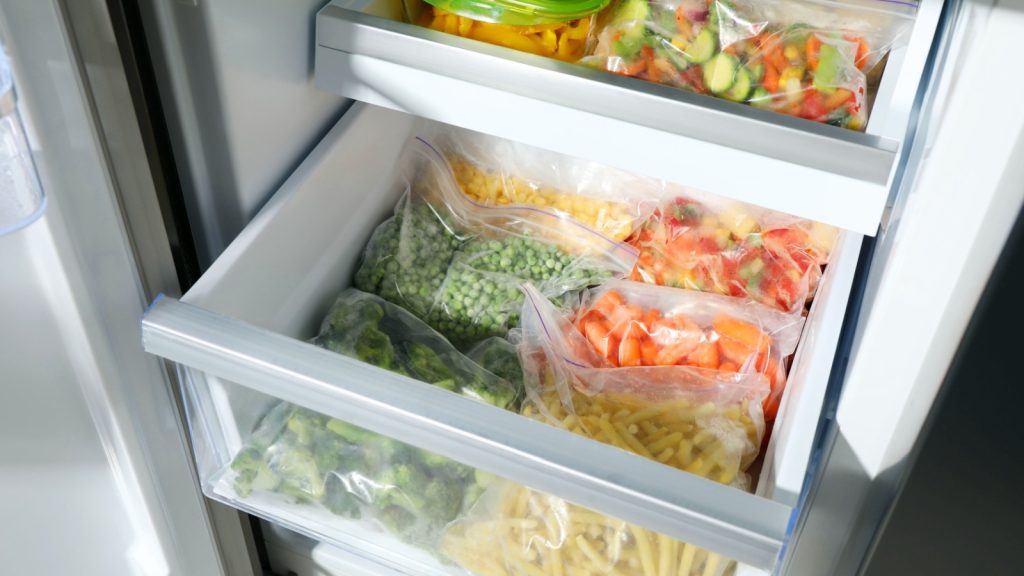
That tiny switch inside the drawer actually matters. High humidity means less airflow and more trapped moisture, while low humidity lets more air move through.
A simple memory trick helps. Foods that wilt usually like more humidity, and foods that ripen quickly usually benefit from more airflow.
Separate Fruits and Vegetables for Better Results
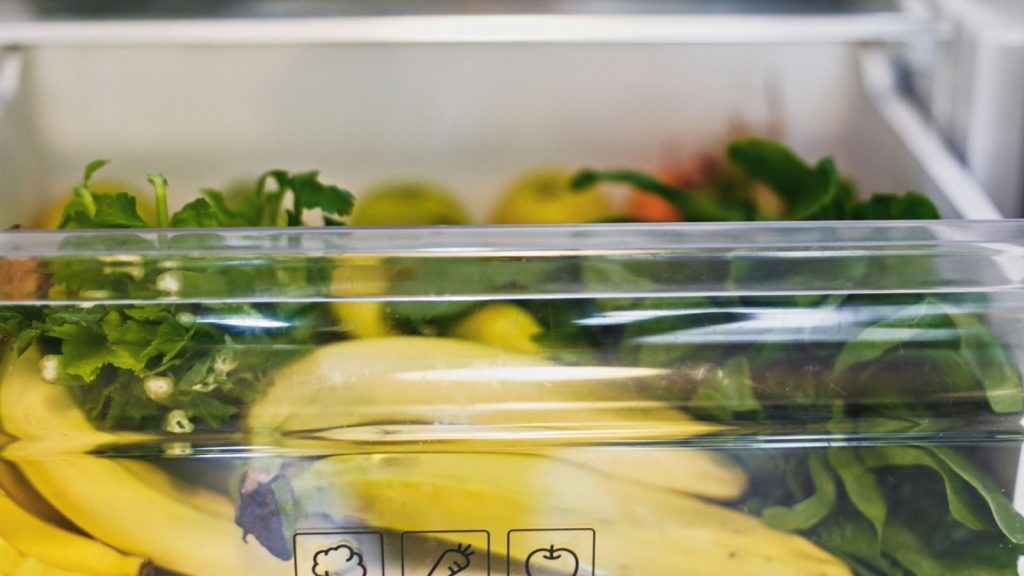
One hidden fridge mistake is storing everything together. Certain fruits release ethylene gas, which quietly pushes nearby produce to ripen and spoil faster.
Keep fruit in one drawer and vegetables in another whenever possible. This one adjustment can make weekly grocery runs feel much less wasteful.
Give Leafy Greens Their Own Environment
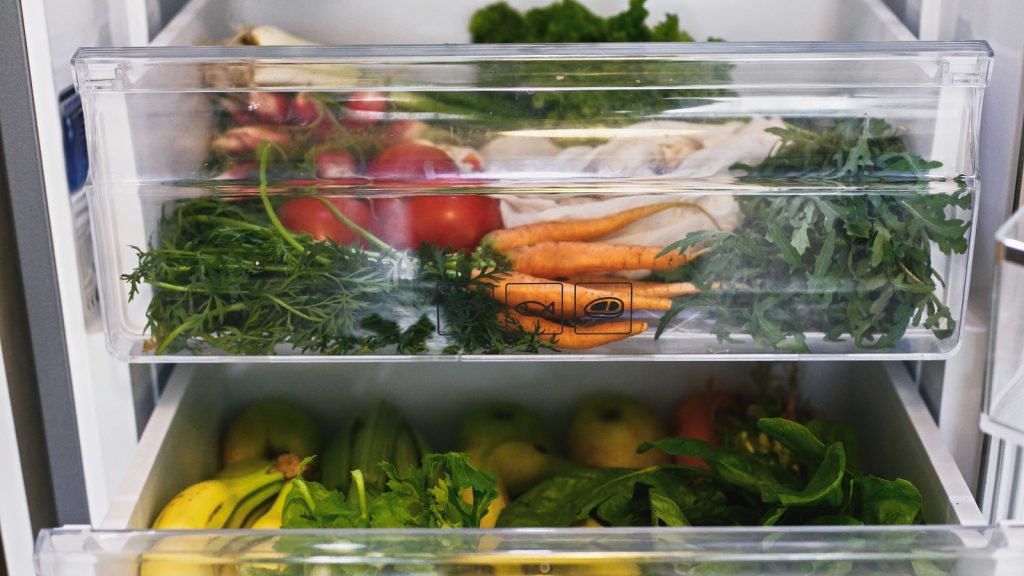
Lettuce, herbs, spinach, and other delicate greens lose quality quickly when exposed to excessive airflow. They usually do best in higher humidity conditions.
Try grouping similar greens together instead of mixing them with apples or avocados. You may notice fewer limp leaves and less midweek cleanup.
Do Not Wash Everything First
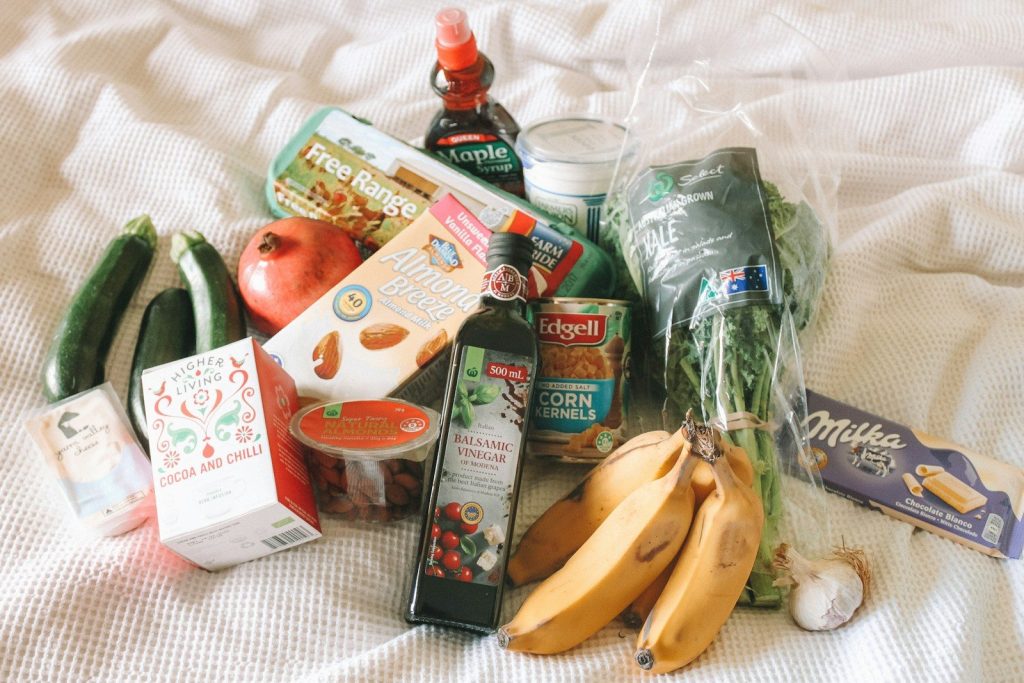
It feels productive to rinse produce immediately after shopping, but extra moisture can shorten storage life. Damp produce often breaks down sooner inside closed spaces.
Wash right before eating instead. That small timing change can keep textures fresher and reduce mystery sogginess at the bottom of the drawer.
Leave a Little Breathing Room
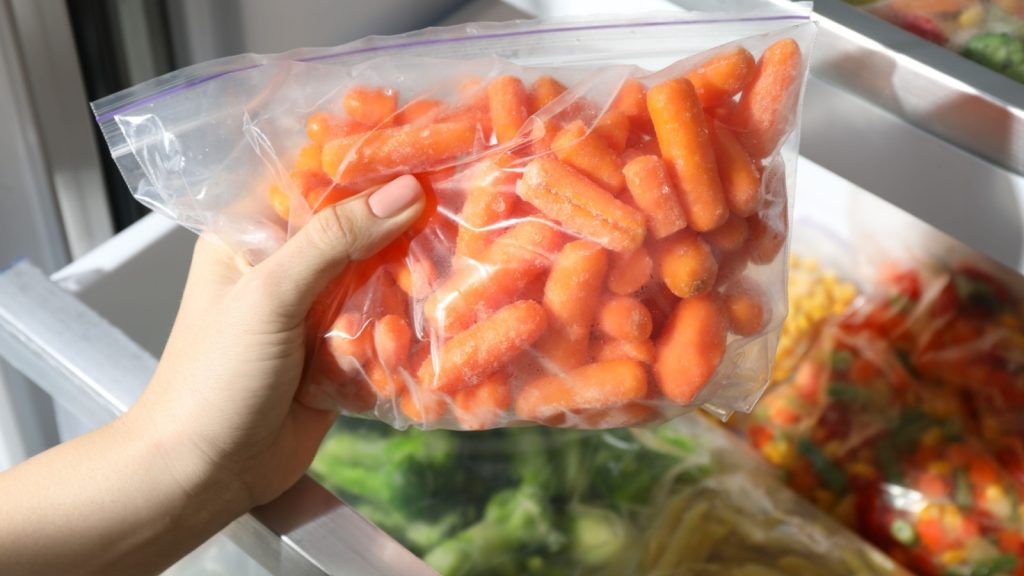
Packing every inch of drawer space seems efficient until airflow disappears. Crowding traps moisture unevenly and encourages soft spots and faster spoilage.
Keep produce loose enough that cool air can circulate. A drawer that looks slightly underfilled often performs better than one stuffed to capacity.
Know Which Foods Are Preferred Elsewhere
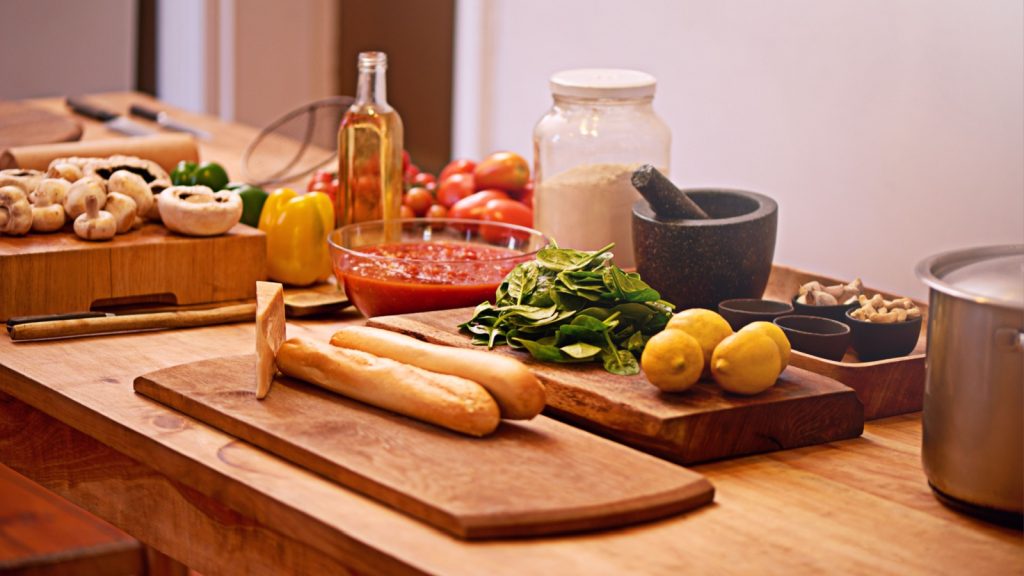
Not every fresh item belongs in the crisper. Some foods hold up better outside, depending on temperature and airflow needs.
If something keeps going bad faster than expected, try moving it to a shelf instead of replacing it. Storage location can matter more than people think.
Create a Five-Second Weekly Reset
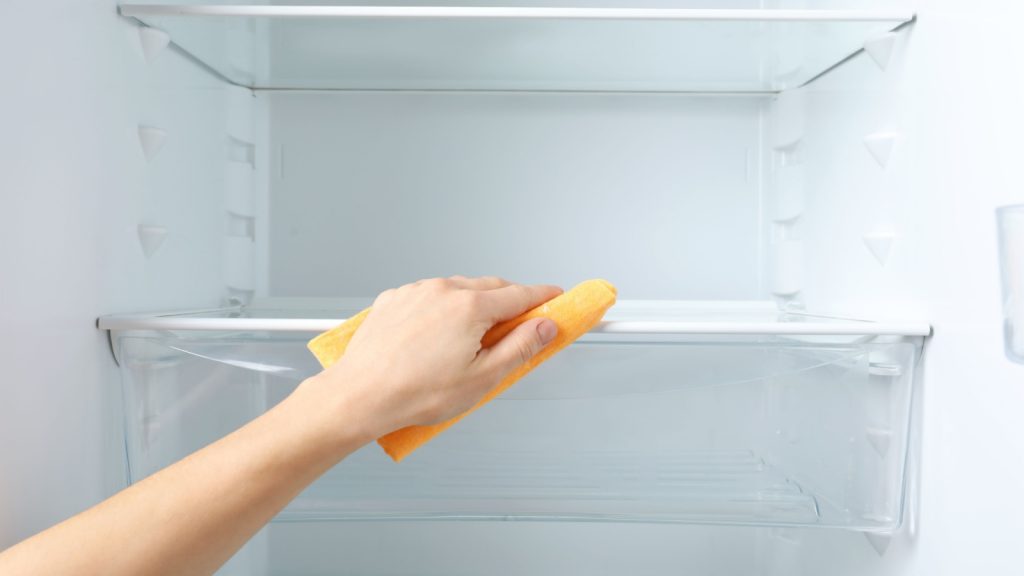
The easiest fridge habit is also the most overlooked. Once a week, remove anything spoiled and wipe out excess moisture before restocking.
That quick reset prevents one forgotten item from affecting everything around it. It takes almost no time and helps the whole system work better week after week.