

Most people either eat a spotted banana without a second thought or throw it away assuming it’s gone bad. Both responses miss something dietitians are increasingly clear about: spotted bananas aren’t the same fruit as a yellow one. The starch has almost entirely converted to natural sugar, the fiber has decreased, the antioxidants have peaked, and the digestive experience is fundamentally different. Whether all of that is working for you or against you depends entirely on what your body needs right now.
The Spots Are Not a Sign of Going Bad, They Are a Sign of Peak Antioxidants
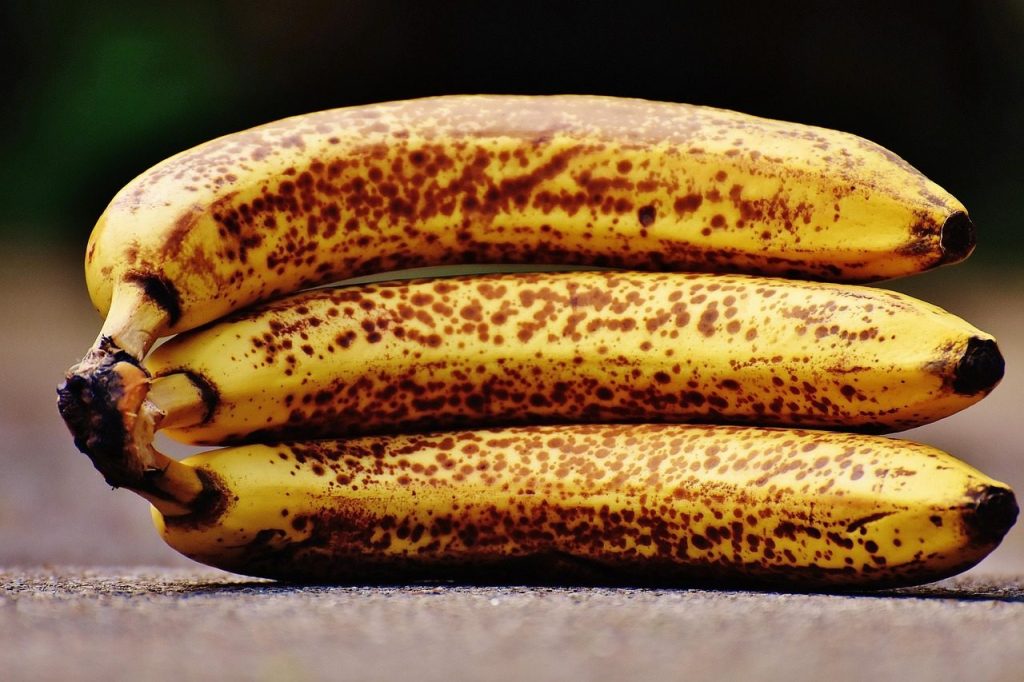
As a banana ripens, the breakdown of chlorophyll that turns the skin from green to yellow to spotted actually triggers a significant increase in antioxidant compounds. Spotted bananas carry higher antioxidant levels than their yellow or green counterparts, and research has linked these compounds to increased immune-supporting activity. Throwing them away at this stage is throwing away the most nutritionally developed version of the fruit.
If You Are Watching Blood Sugar, the Spotted One Is the Wrong Choice
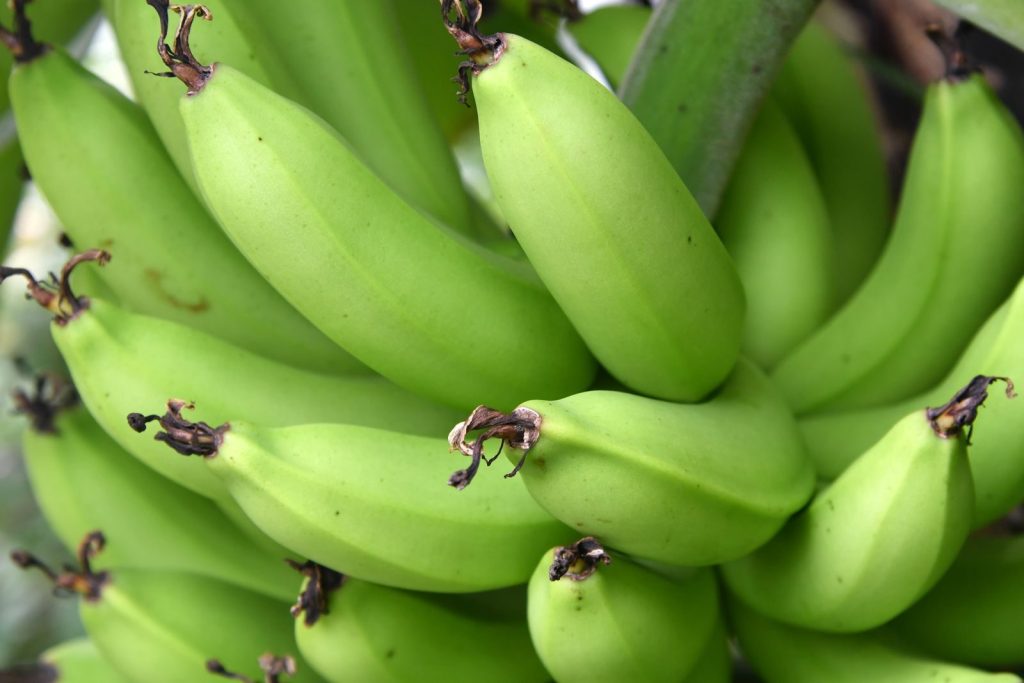
By the time brown spots appear, the resistant starch that gave an unripe banana its blood-sugar-stabilizing properties has almost entirely converted to simple sugars. For anyone managing blood glucose levels, insulin resistance, or a metabolic condition, a greener, firmer banana digests more slowly and causes a more gradual blood sugar response. The spotted one is genuinely a different food in this context, not just a riper version of the same one.
If You Are About to Work Out, the Spotted One Is Exactly Right

That same sugar conversion that works against blood sugar management works in favor of someone who needs quick, accessible energy before exercise. A spotted banana delivers fast-digesting carbohydrates that reach the muscles efficiently without sitting heavily in the stomach during a workout. It is the version dietitians specifically point to as a pre-exercise food for this reason.
If Gut Health Is the Goal, Start Green and Work Up Gradually
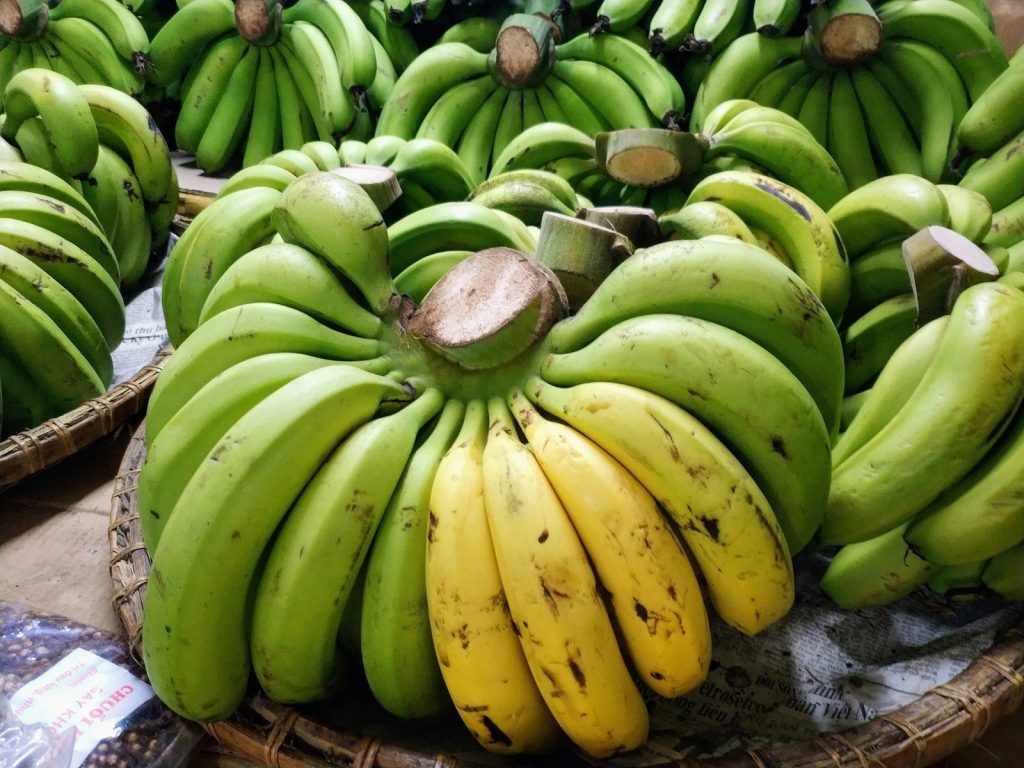
Green and slightly firm bananas contain resistant starch that passes through the small intestine undigested and feeds beneficial gut bacteria in the large intestine instead. For anyone working on microbiome balance or digestive regularity, starting with less ripe bananas and allowing them to ripen gradually over several days delivers a more sustained benefit than waiting for spots to appear. The trade-off is taste, green bananas are noticeably starchier and less sweet.
Image idea: green yellow banana comparison
A Spotted Banana Is the Easiest Digestive Option for Most People

The lower fiber and fully converted starch in a spotted banana means the digestive system has less work to do, which is why it tends to be the easiest to tolerate for people with sensitive stomachs, digestive issues, or anyone recovering from illness. The same qualities that make it less ideal for blood sugar management make it one of the gentler whole-food options available.
Pair a Spotted Banana With Protein if You Cannot Avoid It
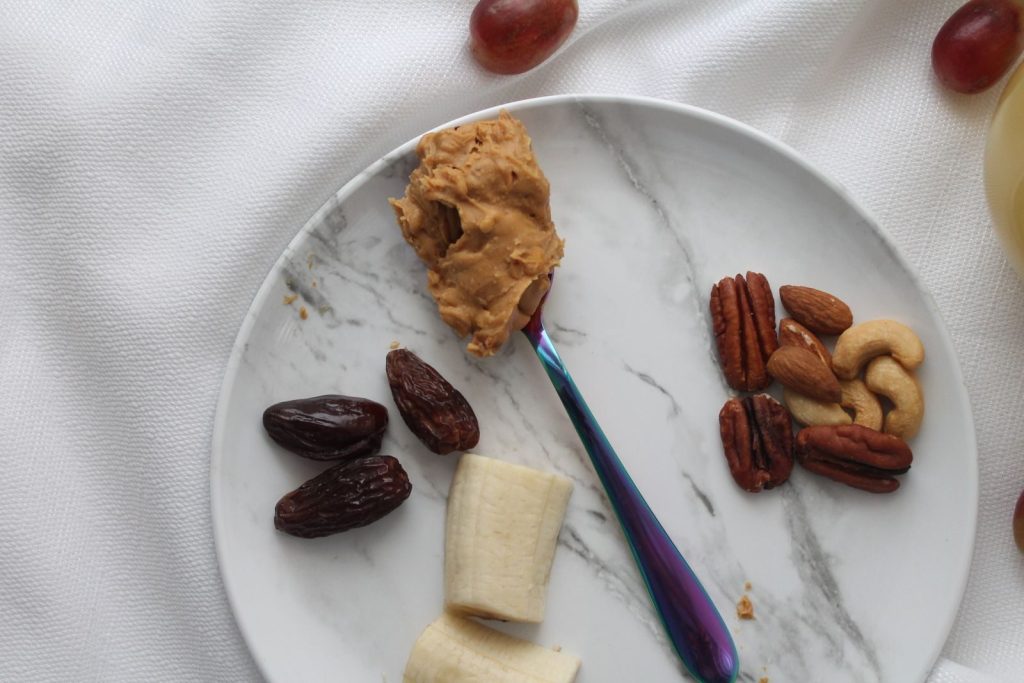
For anyone who prefers the taste of spotted bananas but needs to be more careful about blood sugar response, eating it alongside a protein source, a handful of nuts, a piece of cheese, or a spoonful of nut butter, slows how quickly the sugar enters the bloodstream. The banana itself has not changed, but the combination changes how the body processes it.
Never Throw Away a Spotted Banana Without Trying This First

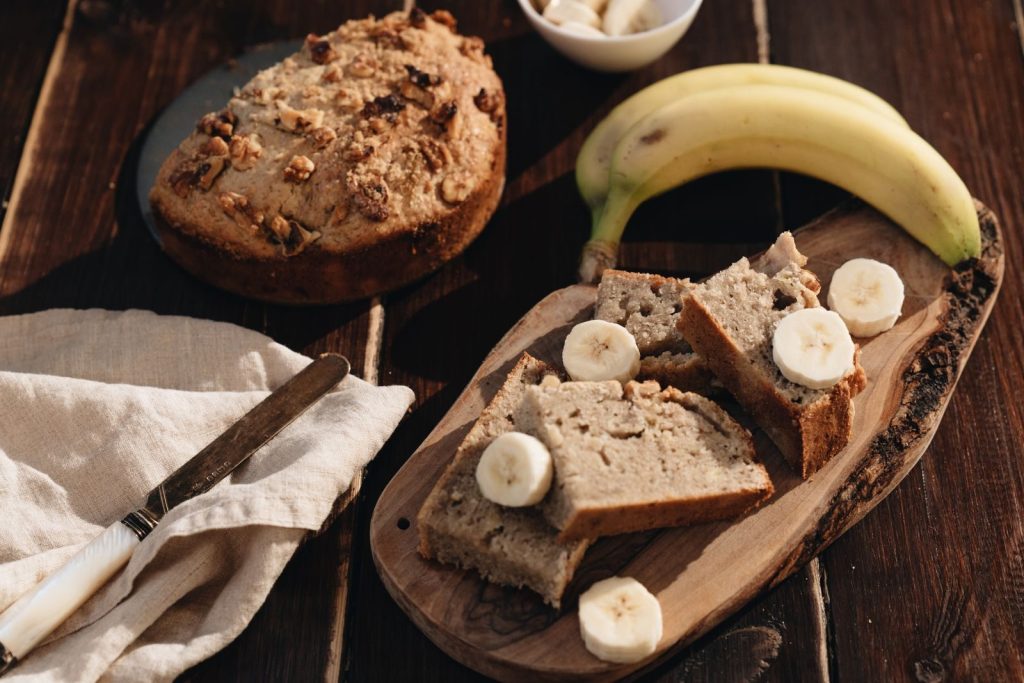
A spotted banana that has gone past the point of being pleasant to eat raw is at its sweetest and most aromatic, making it the ideal version for baking, where that depth of flavor is exactly what a recipe needs. Peeled and frozen spotted bananas also blend into a genuinely creamy, dessert-like texture that no other ripeness stage replicates, without anything added.
The Same Fruit, Seven Different Answers
There is no single correct answer to whether a spotted banana is good or bad, just the right answer for what your body needs today. One person’s ideal pre-workout snack is another person’s blood sugar concern, and the same fruit in the freezer makes a better ingredient than it ever did fresh.