

Parmesan garlic wings seem simple on paper. A little garlic, some butter, parmesan cheese, and crispy wings. Yet anyone who has tried making them at home knows the results can vary dramatically. Inspired by techniques highlighted in a popular Parmesan garlic wing recipe, these hacks focus on something many home cooks overlook: timing. In recipes like this, the difference between average wings and unforgettable wings often comes down to when each step happens rather than what ingredients are used.
Dry The Wings Before You Think About Seasoning
Many people focus on spices first and texture second. The chief’s approach starts with creating the conditions for crispiness before adding flavour. Excess moisture is one of the biggest obstacles to a crispy exterior, which is why taking time to dry the wings thoroughly can make such a noticeable difference. A dry surface allows heat to work more effectively, helping the wings develop the golden crust that Parmesan garlic wings are known for.
Let The Heat Create The Texture First
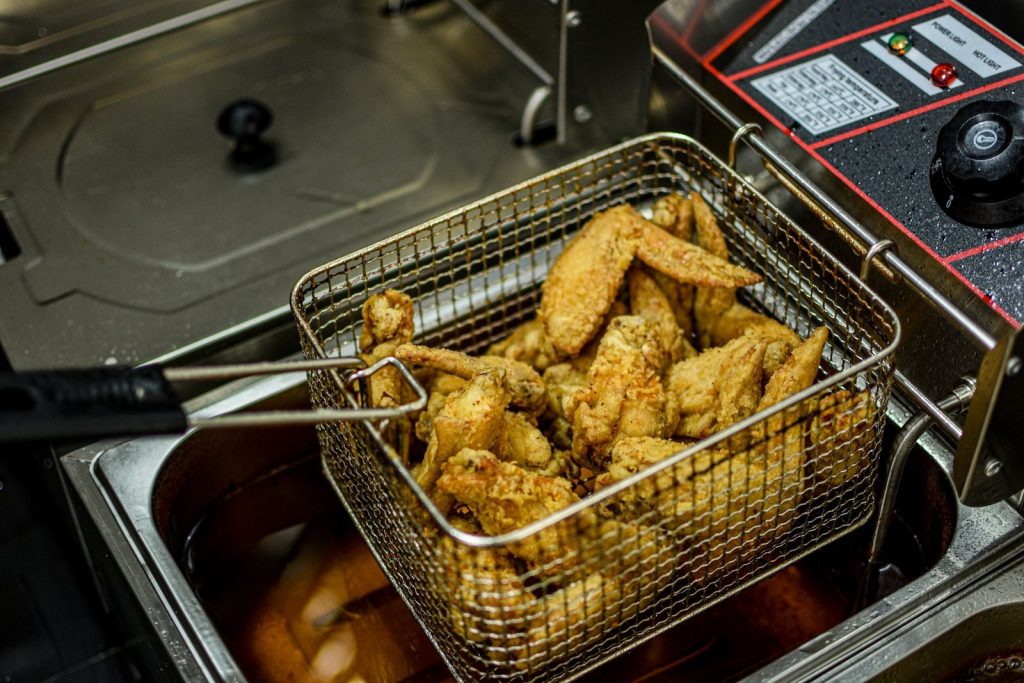
One of the easiest mistakes is becoming too focused on the sauce before the wings have fully developed their texture. Crispiness comes from proper cooking, not from seasoning alone. By allowing the wings to fully cook and develop colour before introducing butter, garlic, or cheese, you give yourself a stronger foundation for everything that follows.
Time The Garlic Carefully
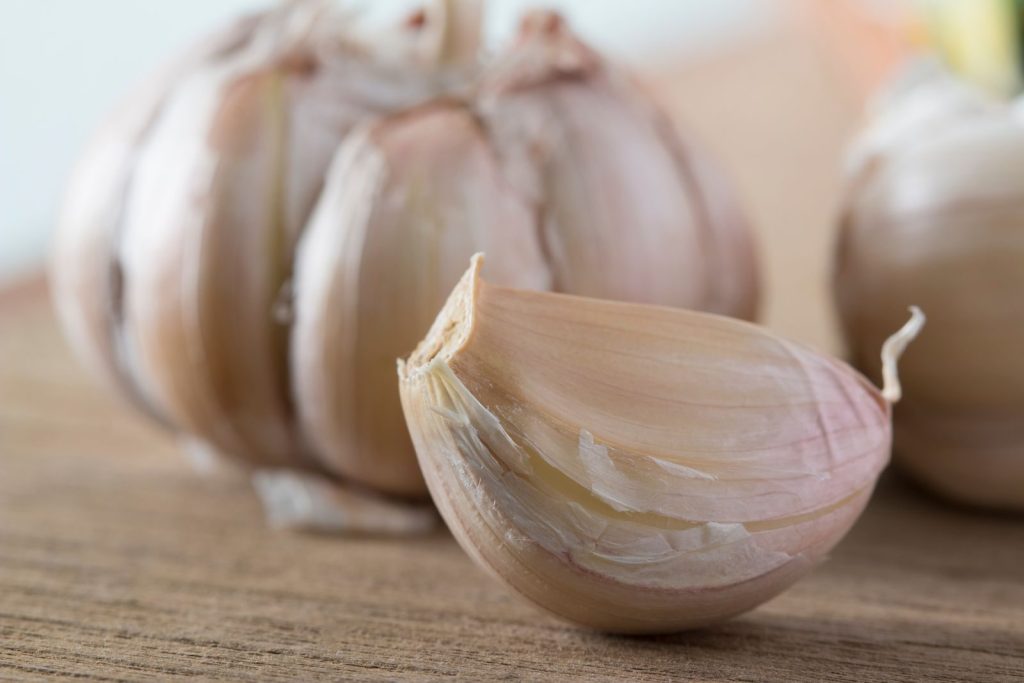
Garlic can completely change a character depending on when it is introduced. Cook it too aggressively, and it can become bitter. Add it at the right moment, and it develops a rich, aromatic flavour that carries through the entire dish. This is one reason Parmesan garlic wings often taste dramatically different from one recipe to another, even when the ingredients appear similar.
Treat The Sauce Like A Light Coating
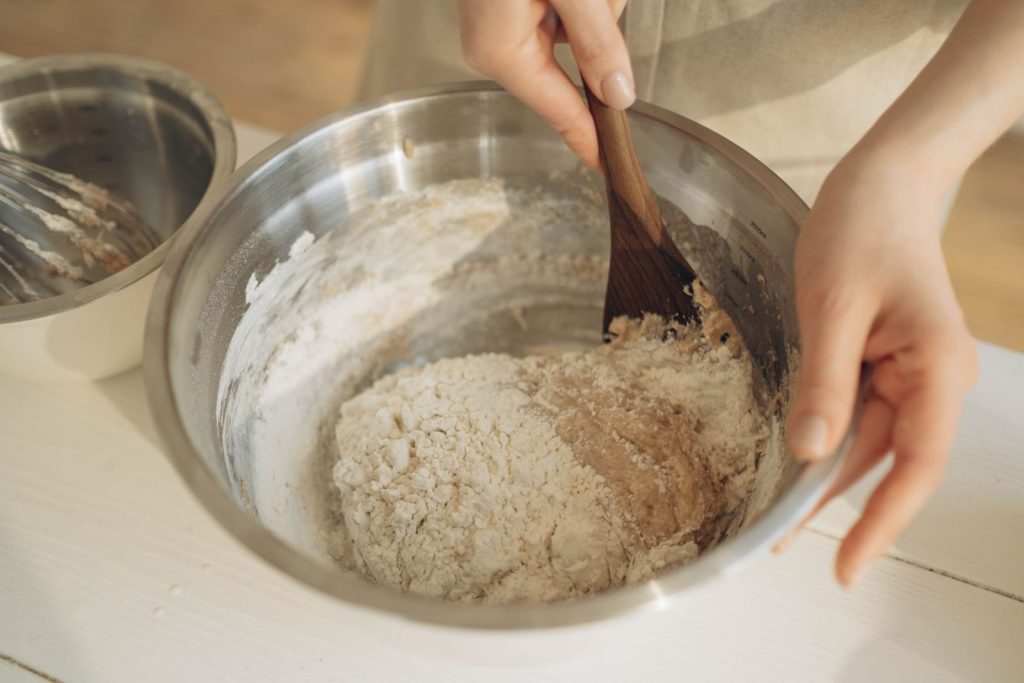
Many homemade wings lose their crisp texture because they are overwhelmed with sauce. The chef’s style focuses on coating the wings rather than soaking them. The goal is to distribute flavour evenly while preserving as much crispness as possible. A lighter coating often produces a better balance between texture and flavour.
Add Parmesan While The Wings Are Still Hot
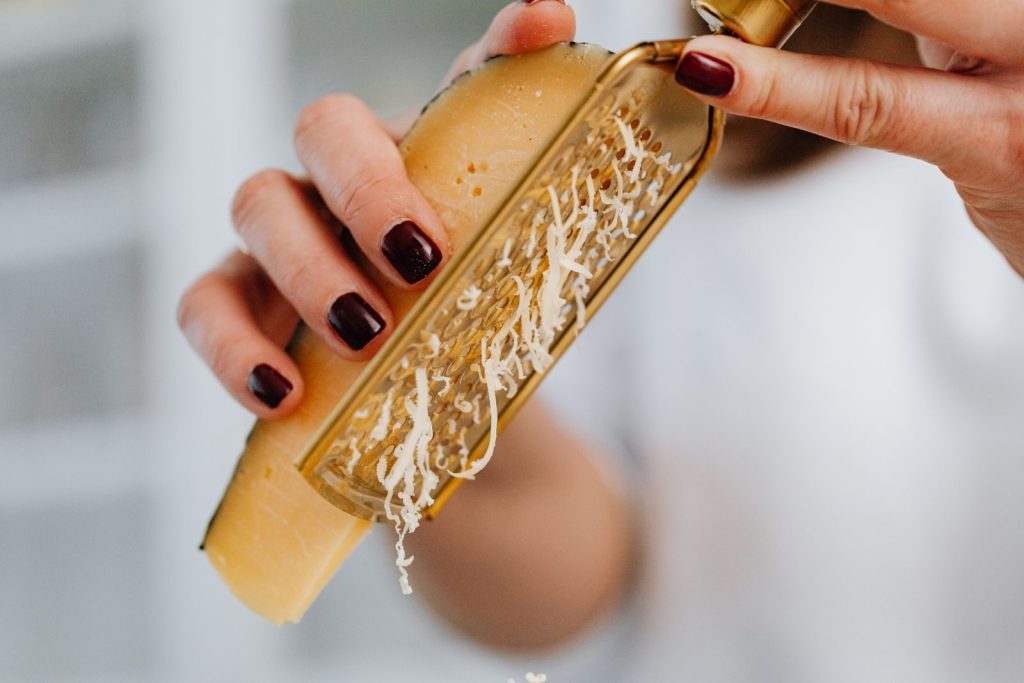
Timing matters when it comes to cheese. Parmesan adheres much better when the wings are still warm enough to help it stick naturally. Waiting too long can result in cheese falling away from the surface rather than becoming part of the coating. A simple timing adjustment can make the finished wings look and taste more cohesive.
Build Flavour In Layers Instead Of All At Once
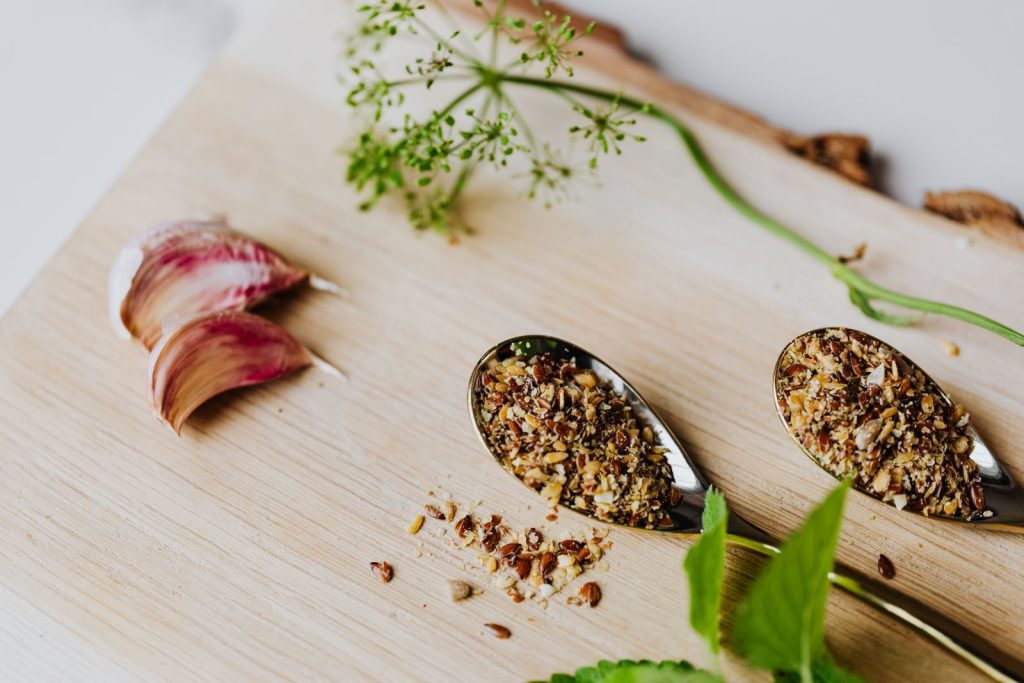
One reason restaurant-style wings often taste more balanced is because flavors are layered. Butter, garlic, parmesan, herbs, and seasonings each contribute something different. Rather than relying on one dominant ingredient, building flavor gradually allows each component to remain noticeable without overwhelming the others.
Give The Wings A Minute Before Serving
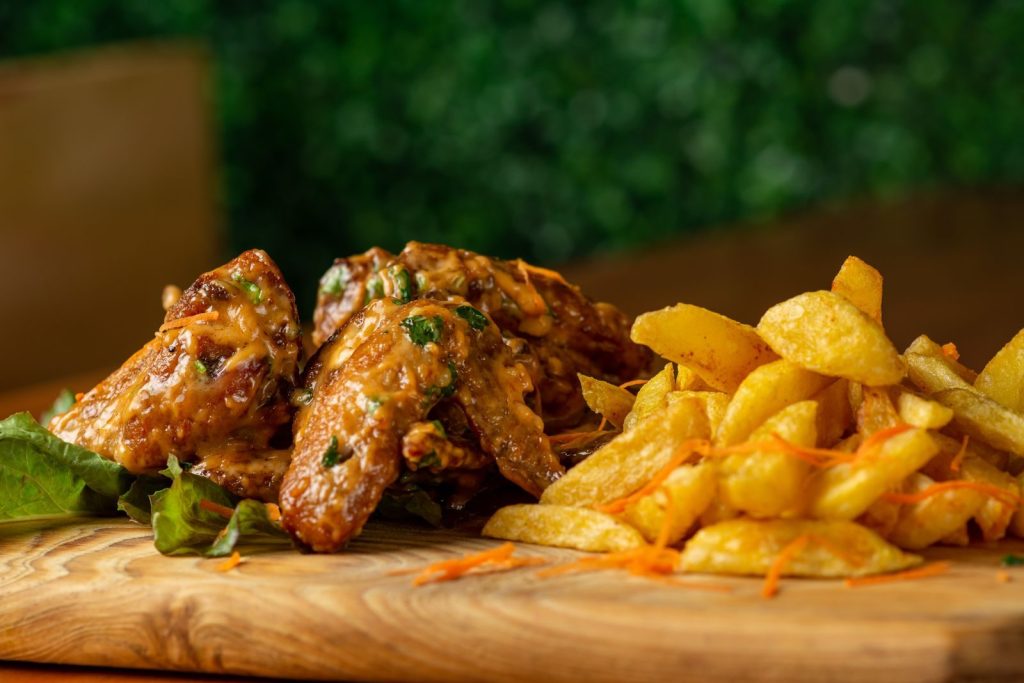
The final step is often the most overlooked. Allowing the wings a brief moment to rest helps the coating settle and cling more effectively to the surface. It is a small detail, but many cooks find that the texture and overall eating experience improve when the wings are not served the instant they leave the mixing bowl.
Great Wings Often Come Down To Timing, Not Ingredients
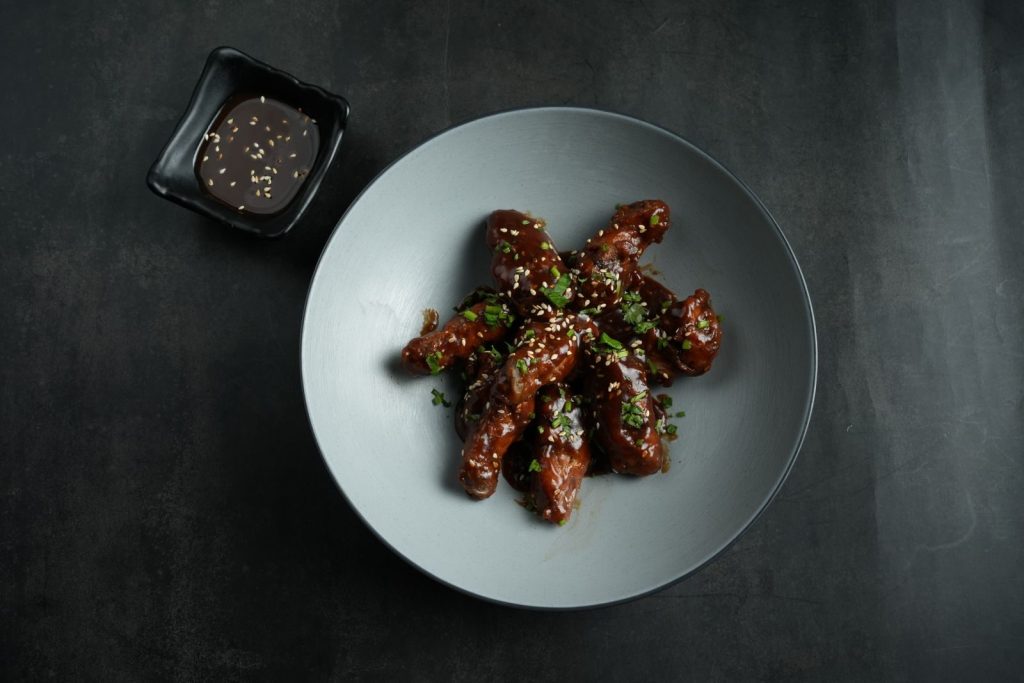
Parmesan garlic wings do not require a long list of complicated ingredients. What often separates memorable wings from disappointing ones is how each ingredient is introduced and when each step happens. Drying the wings properly, managing garlic carefully, coating rather than soaking, adding parmesan at the right moment, and allowing a short rest before serving can all contribute to a better final result. Sometimes the most important ingredient in a recipe is patience.