

Collagen routines usually start with powders, gummies, or beauty drinks, but food plays a bigger role than many people realise. Your body does not simply take collagen and send it straight to your skin. It breaks protein down into amino acids, then uses nutrients like vitamin C, zinc, and antioxidants to help build and protect collagen structures. Harvard Health notes that collagen supplements are broken down before absorption, and the NIH says vitamin C is required for collagen biosynthesis. That means a smarter beauty routine may start with what you put on your plate.
Pair Protein With Vitamin C On The Same Plate
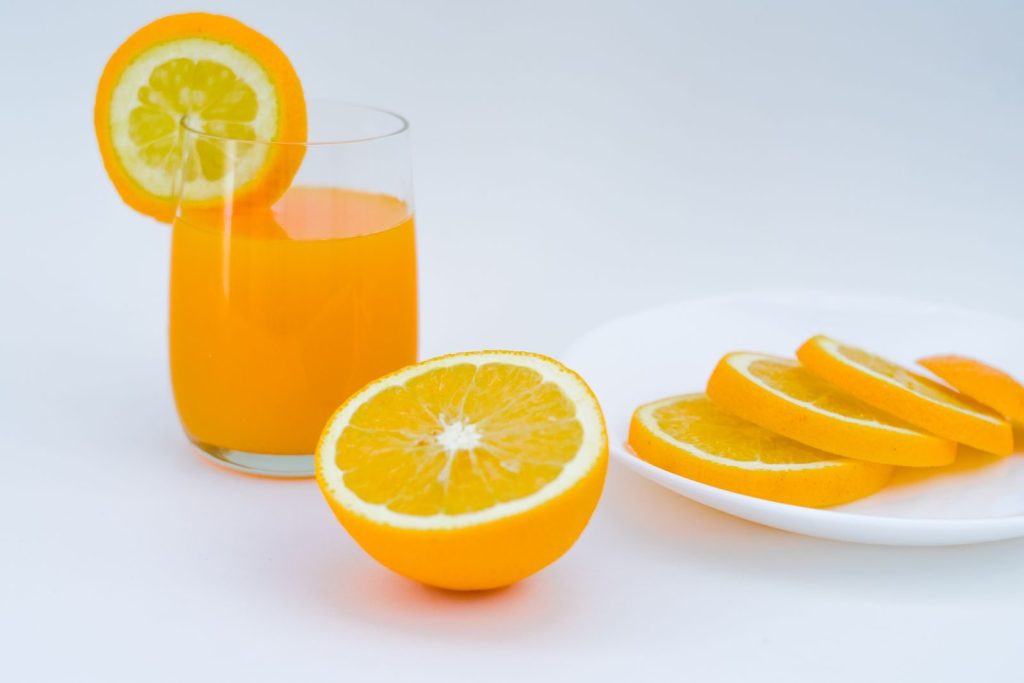
A collagen-supporting meal works better when it has both building blocks and helpers. Protein provides amino acids, while vitamin C helps the body form collagen. Instead of eating protein at one meal and fruit hours later, pair them together when possible. Eggs with kiwi, orange juice or salmon with citrus salsa can make the meal feel beauty-focused without needing a supplement ritual.
Use Kiwi As A Skin Routine Food
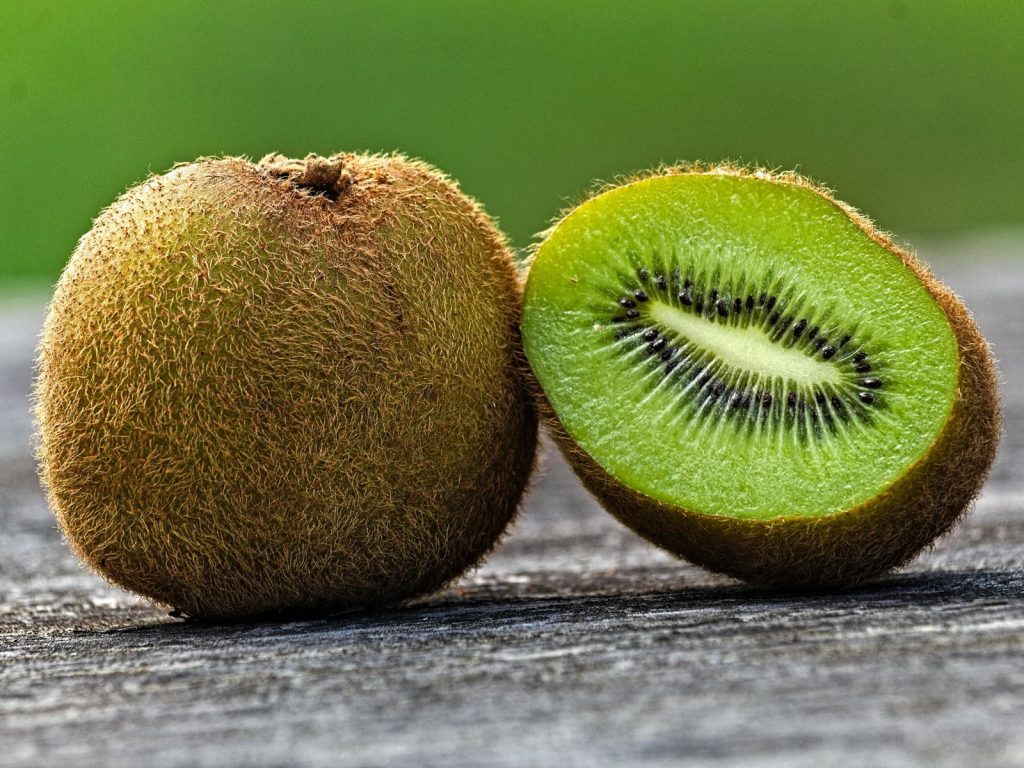
Citrus gets most of the attention, but kiwi is a vitamin C powerhouse and much easier to build into breakfast or snacks. Vitamin C supports collagen formation and also acts as an antioxidant, which makes it especially useful in a skin-focused diet. Adding kiwi to yogurt, smoothies, or oatmeal is a simple way to turn an ordinary meal into something that supports your collagen routine.
Image Idea: Close-up of sliced green kiwi on a white plate with a small fork.
Add Pumpkin Seeds Where You Already Add Crunch
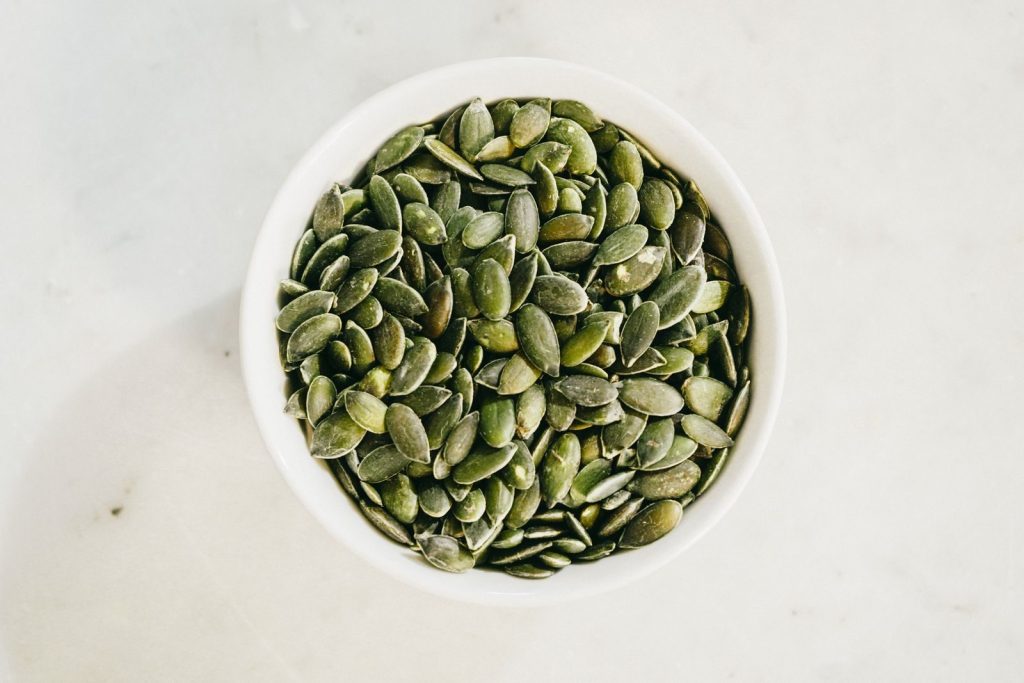
Zinc is involved in normal tissue maintenance and repair, so it deserves more attention in collagen conversations. Pumpkin seeds are one of the easiest zinc-rich foods to use because they do not require cooking. Sprinkle them over salads, soup, oatmeal, yogurt, or smoothie bowls. It is a tiny upgrade that adds crunch and gives your meal a more complete skin-supporting nutrient profile.
Choose Eggs When You Want A Low-Effort Amino Acid Boost
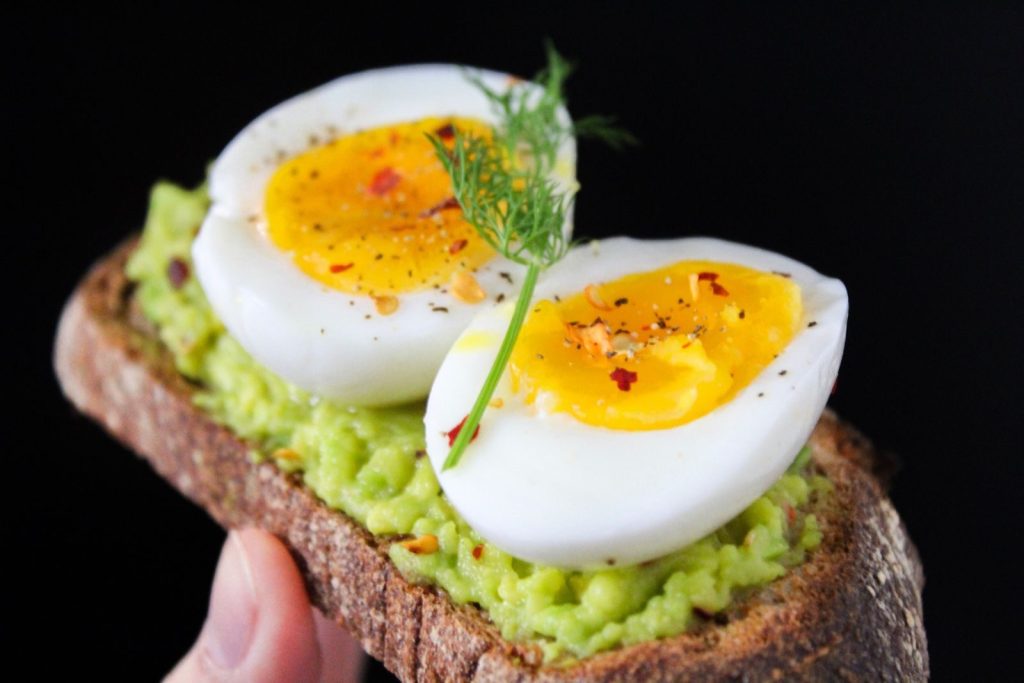
Eggs are useful in a collagen-friendly routine because they provide protein and amino acids without requiring complicated prep. They also fit into breakfast, lunch, or dinner, which makes them easier to use consistently. A boiled egg with fruit, an omelette with peppers, or eggs over greens can support the nutrients your body needs for normal skin structure.
Build A “Collagen Helper” Snack Instead Of A Sweet Snack
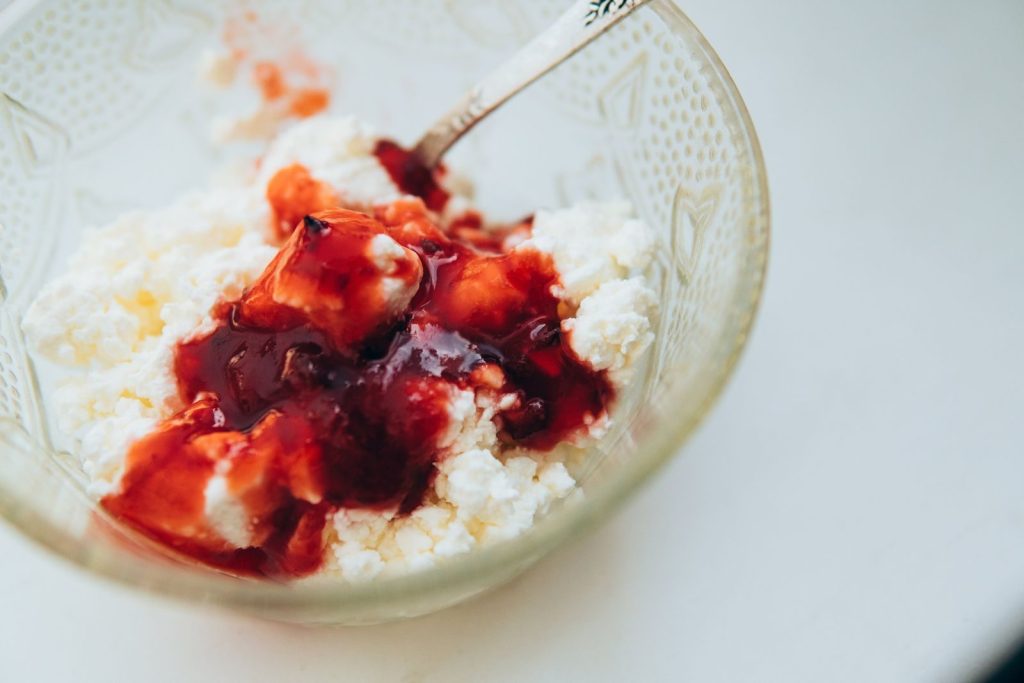
A snack can quietly support your beauty routine when it combines protein, vitamin C, and healthy fats. Think cottage cheese with berries, tuna on whole-grain crackers with lemon, or apple slices with nut butter and seeds. The point is not to make food complicated. It is to avoid snacks that give quick energy but do very little for skin-supporting nutrition.
Add Bell Peppers for Antioxidants Without Making Another Fruit Bowl
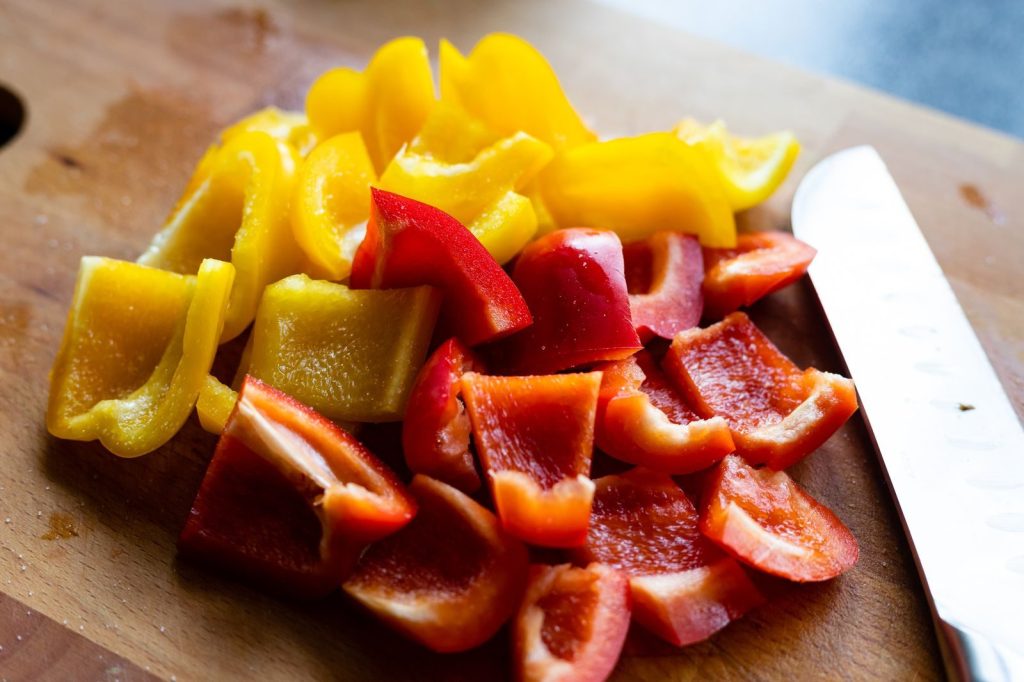
Bell peppers are an underrated collagen-helper food because they are rich in vitamin C, which has antioxidant properties, and work well in savoury meals. Add sliced peppers to wraps, omelettes, grain bowls, or stir-fries when you want collagen-supporting nutrients without another smoothie or fruit plate. They also bring colour and crunch, which makes simple meals feel fresher.
Think About Protecting Collagen, Not Just Building It
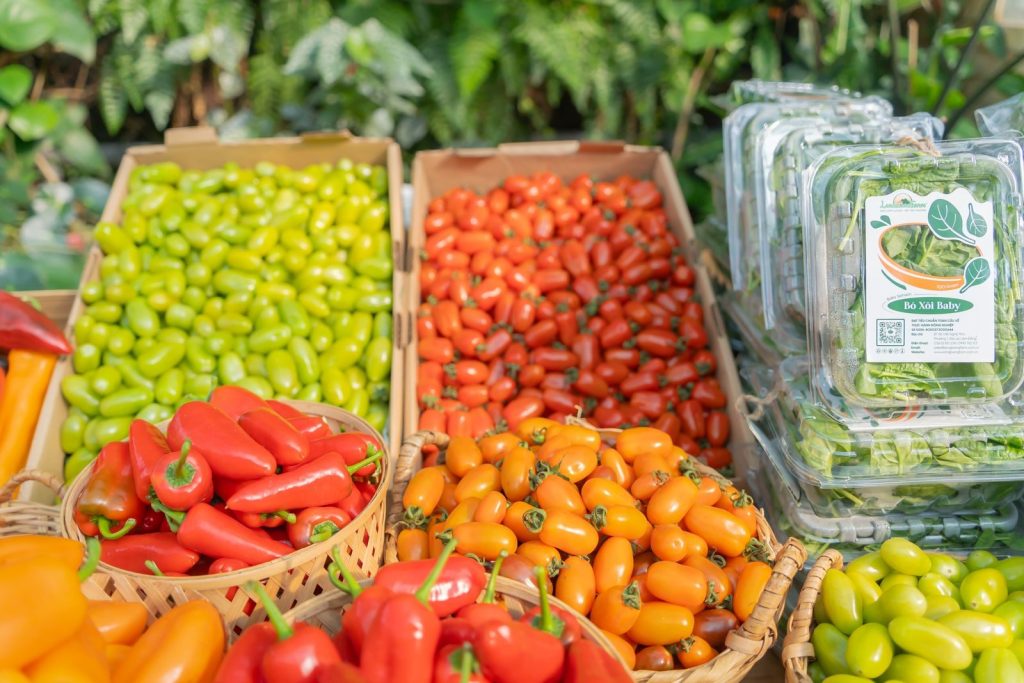
Collagen support is not only about production. Vitamin C-rich foods may help support skin against everyday oxidative stress. Berries, leafy greens, tomatoes, and colourful vegetables can all play a role in a skin-friendly eating pattern. A simple rule is to add one colorful plant food to meals you already eat instead of building a brand-new diet around beauty claims.
A Smarter Collagen Routine Starts Before The Supplement Aisle
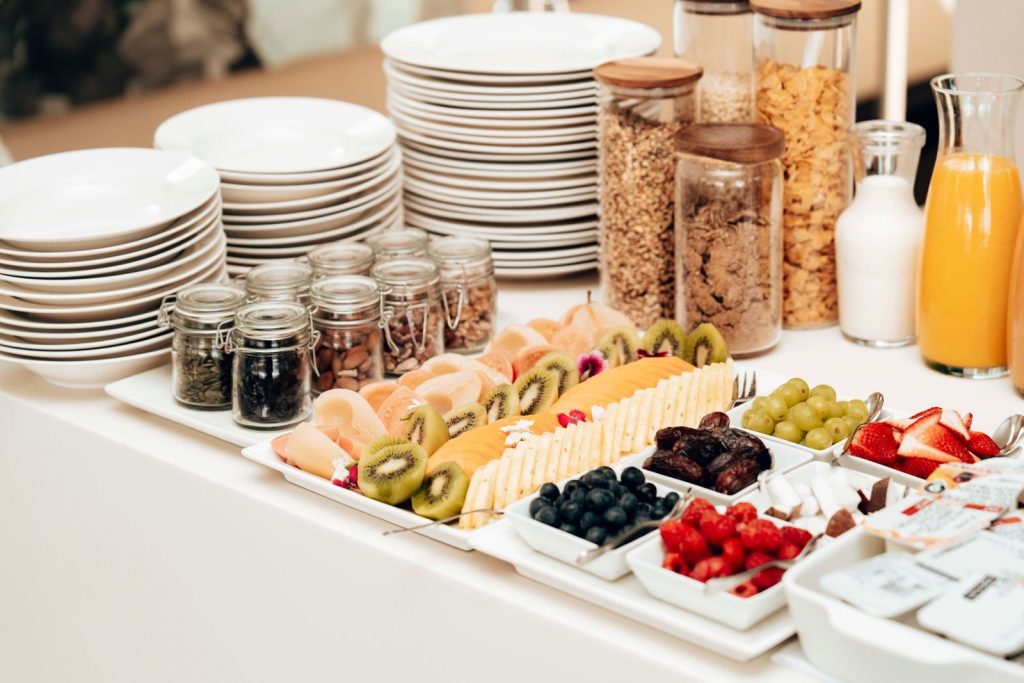
Collagen support is less about one magic product and more about giving your body the right materials consistently. Protein provides amino acids, vitamin C helps collagen formation, zinc supports tissue maintenance, and colourful plant foods add antioxidant support. None of these food hacks promises instant skin changes, but together they create a more complete beauty routine than relying on one powder or drink alone. The real upgrade may be learning how to build meals that support the process your body already knows how to do.