

Ever noticed how one cucumber gets the VIP treatment while the others sit uncovered in the produce aisle? That plastic sleeve might look unnecessary at first glance, but it actually reveals a surprisingly useful lesson about keeping fresh foods crisp, flavorful, and out of the trash.
The real story goes beyond packaging. Once you understand why certain cucumbers are wrapped, you can borrow the same freshness-saving strategies at home. From smarter shopping habits to better storage tricks, these insights can help stretch the life of your produce and make every grocery run a little more efficient.
The Grocery Store Clue Most Shoppers Miss

That plastic wrap is often a signal that you’re looking at a more delicate variety. English cucumbers have thinner skin than standard cucumbers, which makes them more vulnerable to drying out and getting damaged during transport.
Instead of viewing the wrapper as extra packaging, think of it as a freshness indicator. When produce receives added protection, it’s often because the item needs help preserving texture, moisture, and appearance before reaching your kitchen.
Why Thin Skin Can Be a Big Advantage

Many shoppers focus on appearance, but thinner skin offers practical benefits. It is typically easier to eat, often requires less peeling, and can deliver a cleaner crunch in salads and sandwiches.
The tradeoff is that delicate produce loses moisture faster. Knowing this can help you identify which fruits and vegetables need extra care after purchase instead of treating every item the same way.
Shop for Shelf Life, Not Just Looks
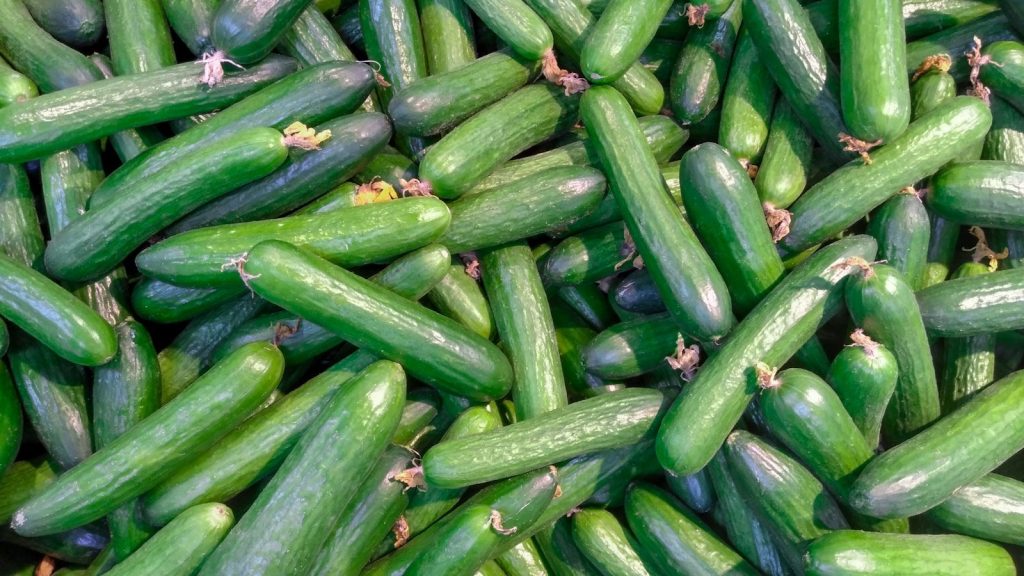
A cucumber that feels firm today may not stay that way for long if it has already lost moisture. When shopping, gently check for firmness and avoid produce that feels soft or slightly bendy.
This simple habit can reduce food waste at home. A few seconds spent choosing fresher produce often means several extra days before it starts losing quality in the refrigerator.
Leave the Protection in Place
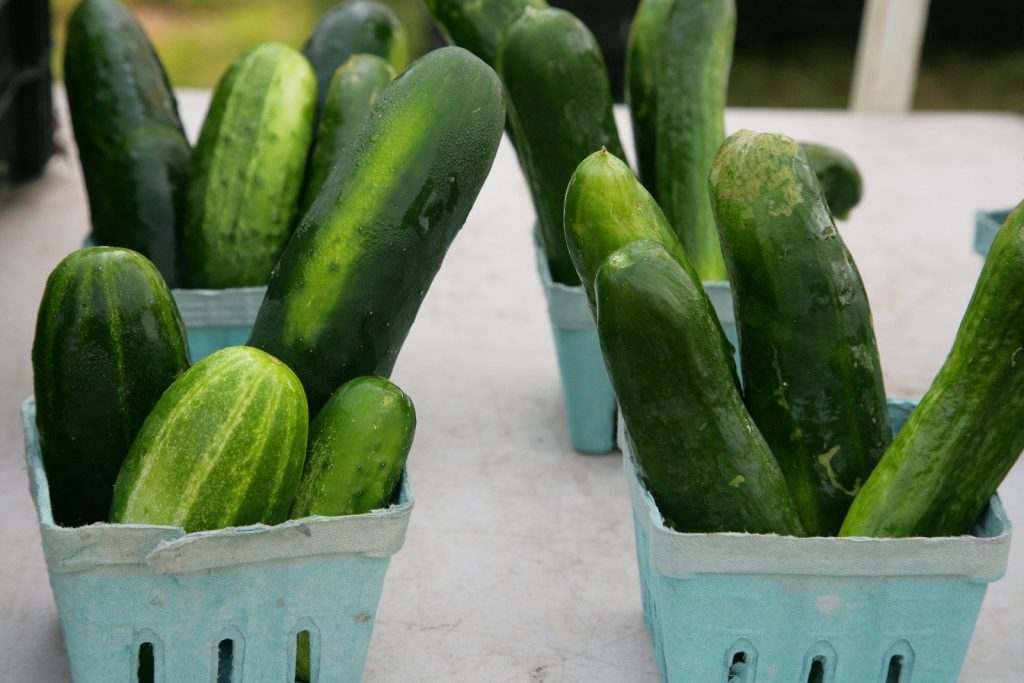
Many people remove packaging the moment they get home. With English cucumbers, that can speed up moisture loss and shorten freshness.
If you are not using the cucumber immediately, keep the wrapping on until you’re ready to cut it. The barrier helps maintain the crisp texture that makes these cucumbers popular in the first place.
Create a Better Fridge Strategy
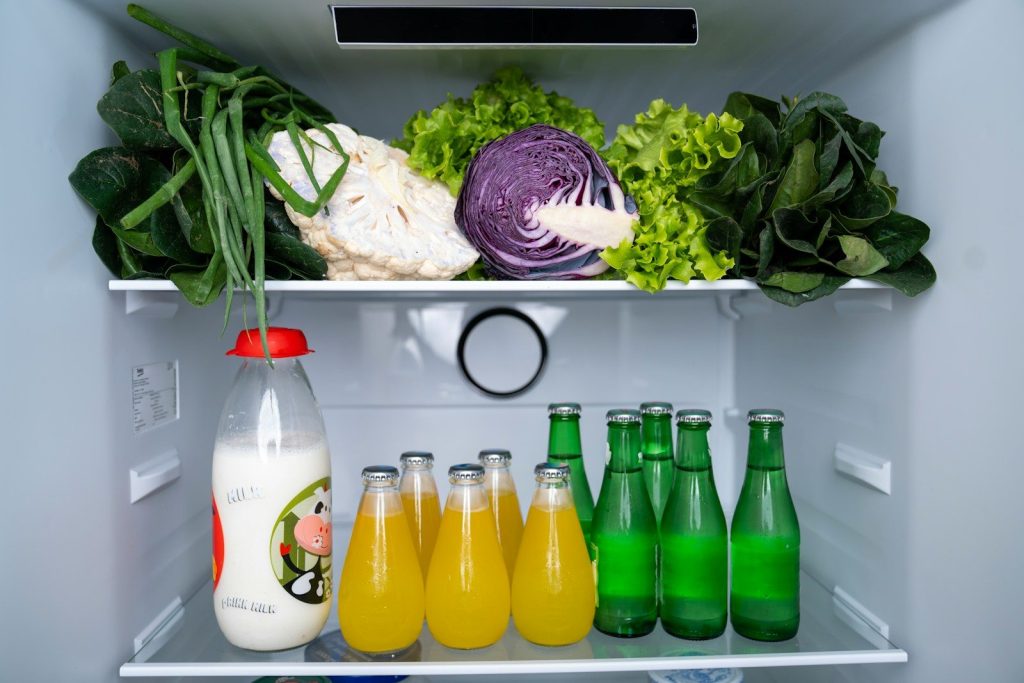
Not every refrigerator shelf performs the same way. Some areas run colder, while others maintain a slightly warmer temperature that certain vegetables prefer.
Placing delicate cucumbers in a less frigid section can help preserve texture longer. Small placement changes often deliver better results than constantly replacing spoiled produce.
A Simple Backup When the Wrap Is Gone
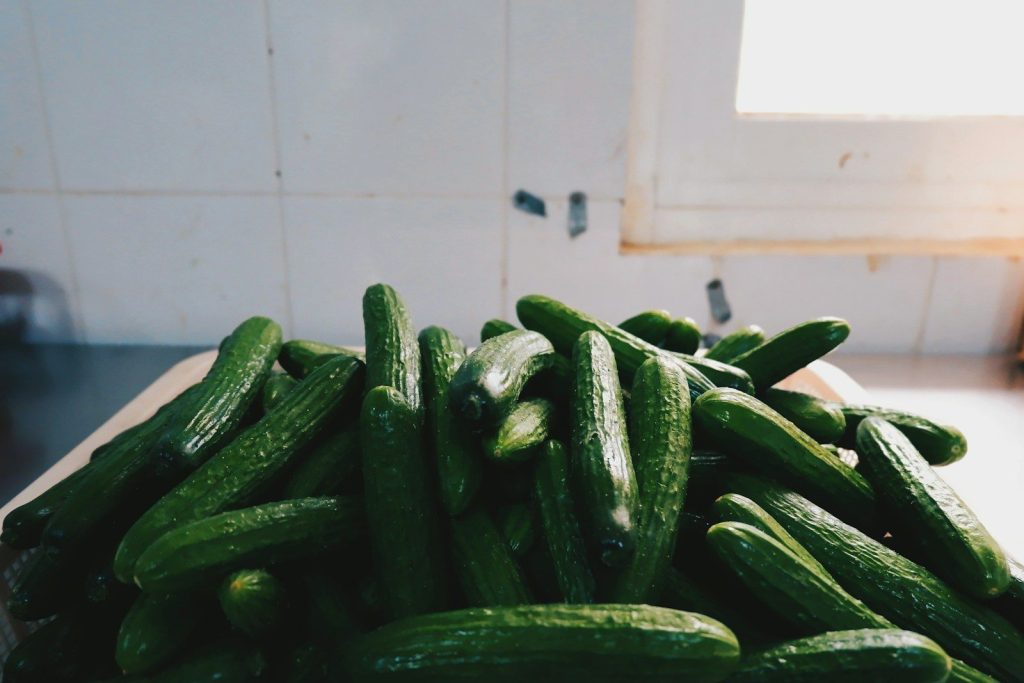
Sometimes the original packaging gets removed or damaged. That doesn’t mean freshness is lost. A paper towel can become your next best tool.
Wrapping the cucumber in a dry paper towel helps manage excess moisture while still protecting it from dehydration. It is an easy fix that requires no special storage products.
Make Partial Use Last Longer
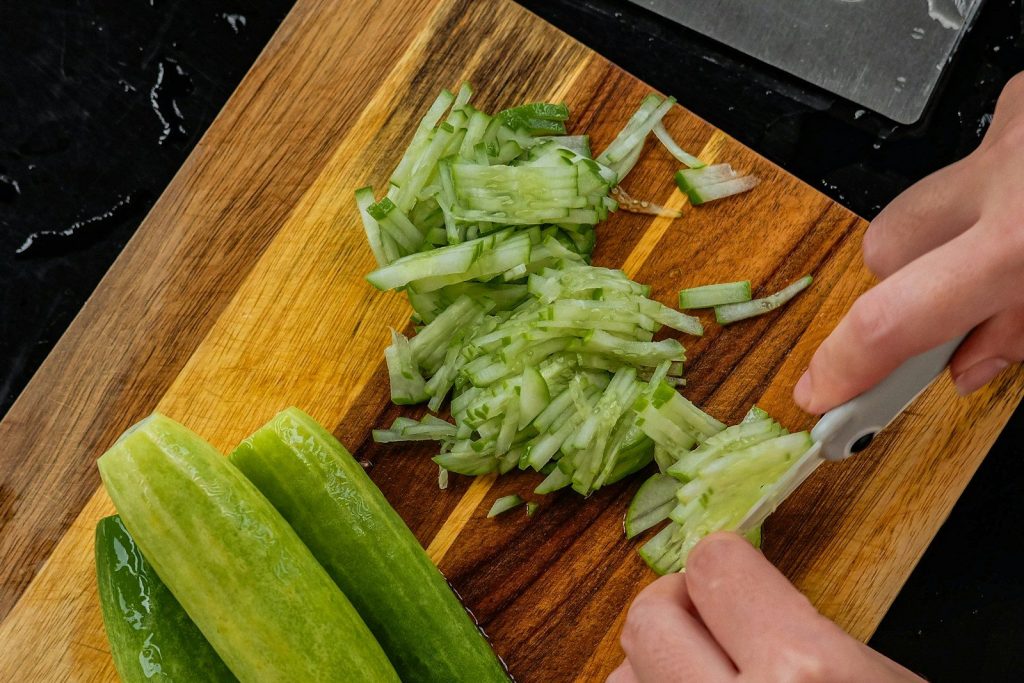
Cutting into a cucumber starts a countdown. The exposed surface loses moisture much faster than the untouched portion.
Instead of leaving leftovers uncovered, protect the cut end and store it properly. This small step can preserve crunch and flavor long enough for another meal rather than sending half a cucumber to the compost bin.
Turn Extras Into Future Convenience

Buying produce in bulk can save money, but only if it gets used. When cucumbers start piling up, think beyond salads.
Sliced cucumbers can be frozen for future smoothies and blended drinks. The texture may change, but the refreshing flavor remains, giving you a practical way to reduce waste while keeping useful ingredients ready to go.