

Your grocery cart may look like it is filled with simple, healthy choices, but some everyday foods come with unexpected questions. From how produce is grown to how it is handled before reaching your kitchen, small details can change the way you shop and prepare what you eat.
The good news is that a few smart habits can make your routine feel easier and more controlled. These practical strategies help you choose, clean, store, and use fruits and vegetables in ways that reduce unnecessary exposure to things you may not even think about.
The Shopping Moves That Change Everything
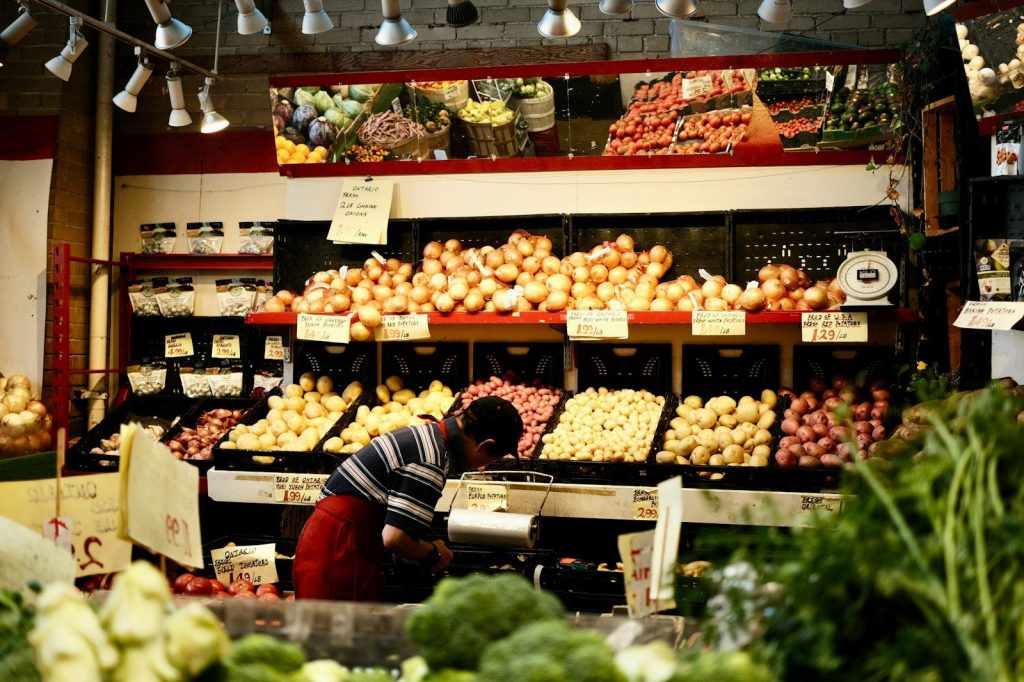
The way you pick produce can make a bigger difference than most people realize. Instead of grabbing items quickly, try paying attention to where foods come from, how they are packaged, and whether they have been heavily processed before reaching the shelf. Small choices at the store can become powerful daily habits.
Fresh does not always mean perfect, and labels do not always tell the full story. A useful approach is to compare options, rotate your choices, and avoid relying on the same few foods every week. Variety can help you build a more balanced routine while lowering dependence on one source.
The Simple Rinse Routine Many People Miss
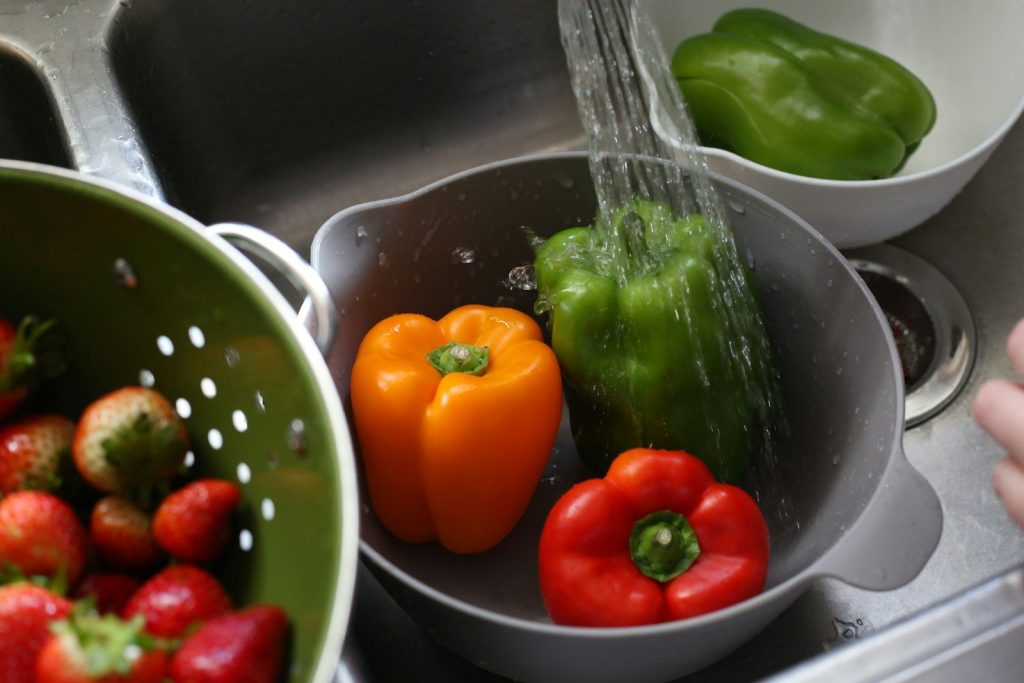
Cleaning fruits and vegetables is more than a quick splash under water. A careful rinse can help remove dirt, residues, and unwanted particles that may sit on the surface. Paying attention to preparation before eating gives you an extra layer of control without adding much time.
Different produce needs different handling. Firm items can often benefit from a more thorough scrub, while delicate foods require gentler treatment. Making cleaning part of your normal kitchen rhythm can turn a forgotten step into an easy habit that supports smarter eating.
Why Your Produce Rotation Matters More Than You Think
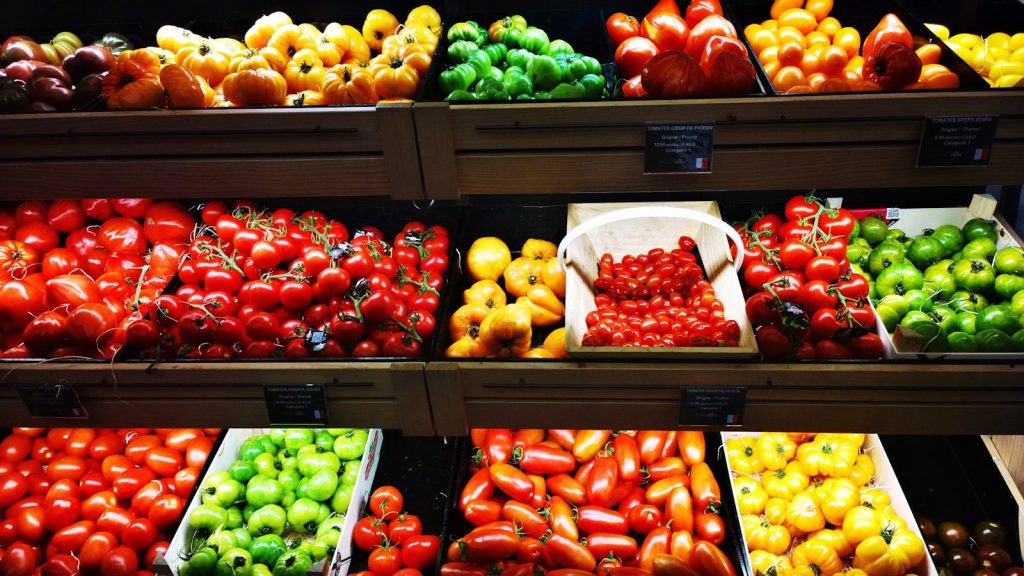
Eating the same fruits and vegetables every day may seem like a healthy shortcut, but changing your choices can be a smarter strategy. Rotating produce gives your meals more variety and helps prevent your routine from depending too heavily on a single type of food.
A colorful grocery list can also make planning easier. Mixing seasonal options, frozen choices, and different varieties lets you keep meals interesting while creating a flexible approach. The goal is not perfection, but building simple patterns that work long term.
The Kitchen Storage Trick That Protects Freshness
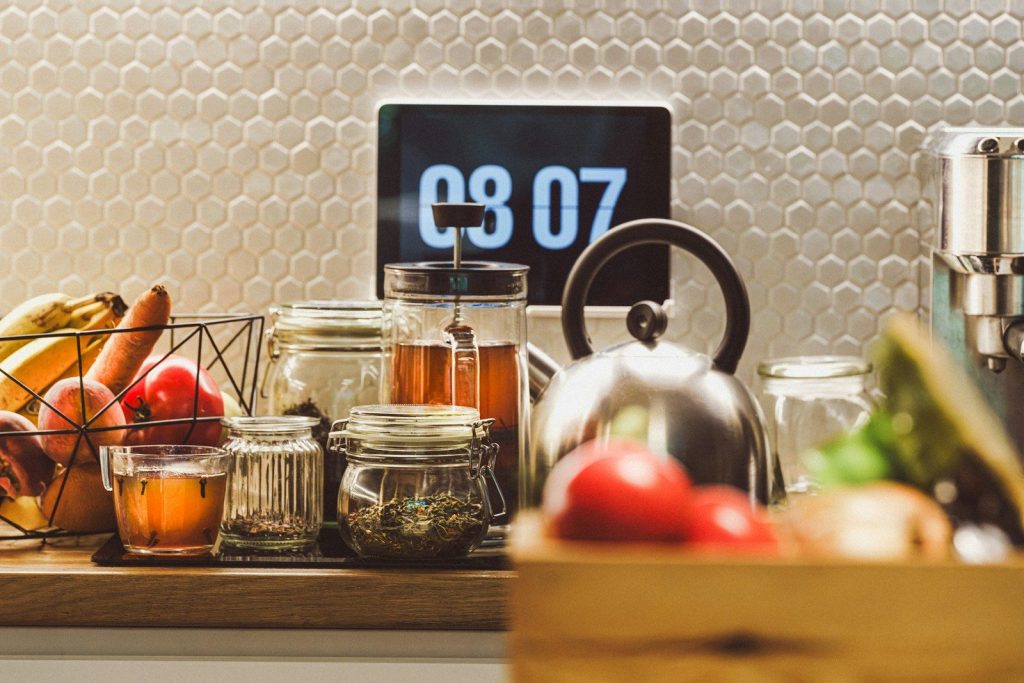
How you store produce after buying it can affect how long it stays useful. Foods sitting too long in the wrong conditions may lose quality, making it tempting to waste them or replace them more often. Better storage habits help you get more value from every trip.
Separating certain items, using proper containers, and checking your refrigerator regularly can make a noticeable difference. A few minutes of organization can keep your kitchen cleaner and help you notice what needs to be used before it gets forgotten.
The Hidden Advantage of Choosing Different Sources

Many shoppers focus only on the food itself and forget about its journey. Where produce is grown, handled, and packaged can influence what ends up on your plate. Looking beyond appearance can help you make choices that better match your personal priorities.
Local markets, seasonal options, and trusted sellers may offer alternatives worth exploring. You do not need to completely change your routine overnight. Even small adjustments in where you buy certain items can make grocery shopping feel more intentional.
The Preparation Habit That Makes Meals Smarter

Cooking methods can change how you experience the foods you bring home. Simple preparation choices, like trimming outer layers or combining ingredients thoughtfully, can help you create meals that feel both safer and more enjoyable.
Your kitchen habits do not need to become complicated. A few repeatable steps before cooking or serving can make your routine smoother. The best strategies are the ones you can actually keep doing when life gets busy.
The Labels Worth Paying Attention To

Food labels can be useful, but only when you know what information matters. Instead of scanning every detail, focus on clues about sourcing, processing, and handling that can guide better decisions during shopping.
Learning what different terms mean can save time and reduce confusion. Once you understand the basics, choosing between options becomes faster. The goal is to make informed picks without turning every grocery trip into a research project.
The Everyday Choices That Add Up Over Time

The biggest changes often come from small actions repeated consistently. Washing carefully, storing properly, mixing up your choices, and staying aware of what you buy can create a routine that feels simple instead of overwhelming.
You do not need a completely new lifestyle to improve your habits. A few thoughtful adjustments in your kitchen and shopping routine can help you feel more confident about the foods you bring home every day.