

Raised garden beds can be a great investment, but filling them with store-bought soil alone can quickly become expensive. Fortunately, many gardeners use a combination of affordable materials to reduce costs while still creating a healthy growing environment. These budget-friendly options can help fill space, improve soil structure, and stretch your gardening budget further.
1. Use Fallen Branches And Logs
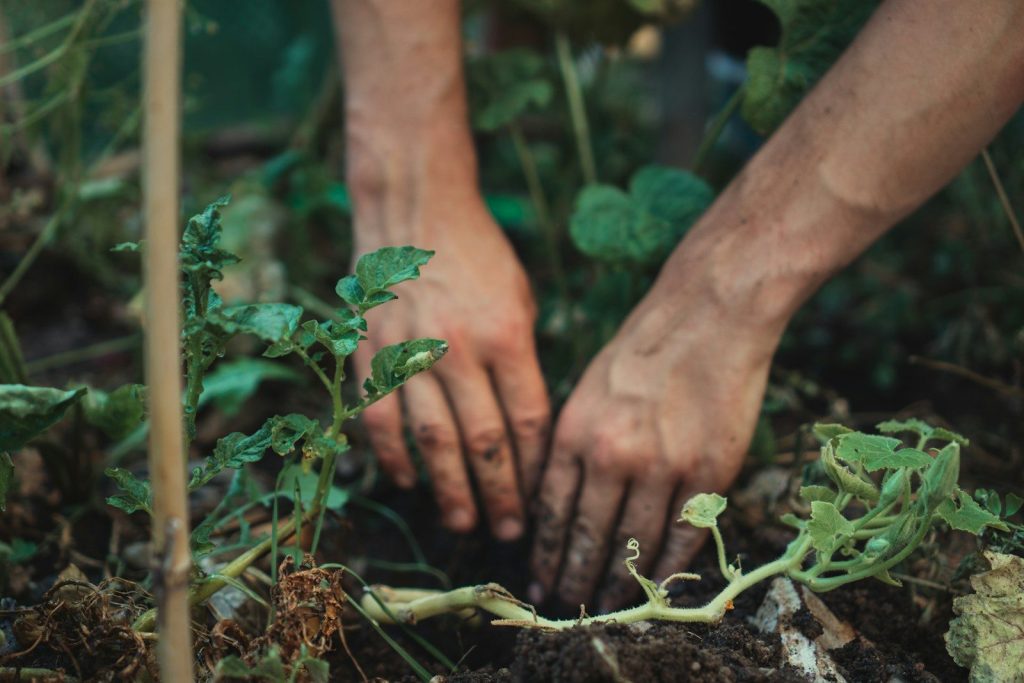
Large branches and small logs can take up significant space at the bottom of deeper raised beds. As they slowly break down, they can also contribute organic matter to the soil.
This approach is especially useful after seasonal pruning or storm cleanup.
2. Add Leaves From Your Yard

Autumn leaves are often available in abundance and can be an excellent filler material. Shredded leaves break down more quickly and help add organic matter to the bed over time.
Many gardeners save bags of leaves specifically for future garden projects.
3. Reuse Grass Clippings
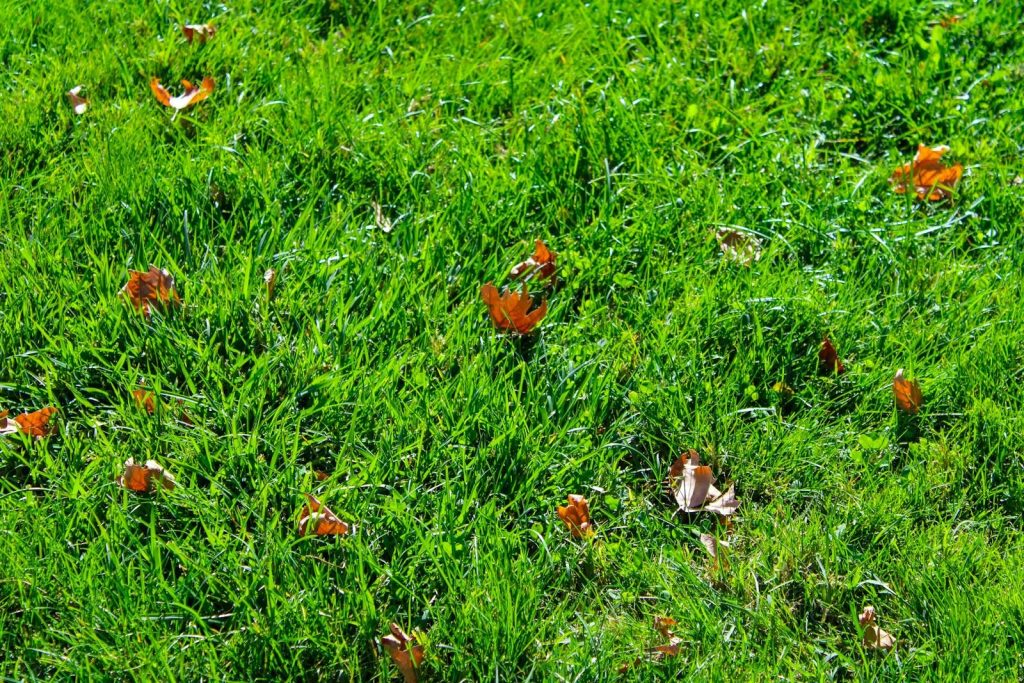
Untreated grass clippings can be layered into raised beds to help fill space and contribute nutrients as they decompose.
Allowing the clippings to dry slightly before adding them can help prevent dense, compact layers from forming.
4. Incorporate Finished Compost
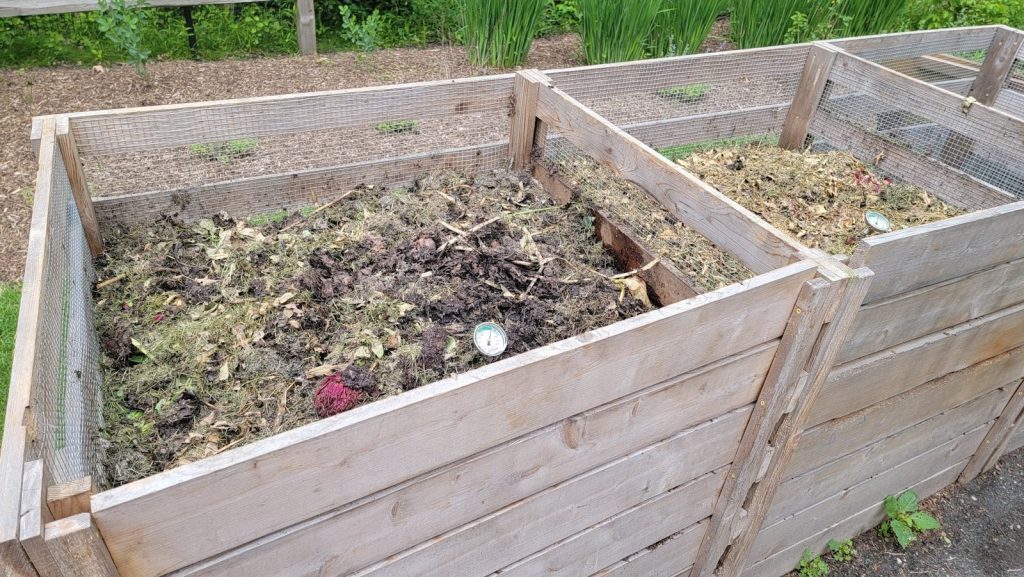
Homemade compost is one of the most valuable materials a gardener can add to a raised bed. Kitchen scraps, yard waste, and other compostable materials can eventually become rich organic matter for growing plants.
Using your own compost can significantly reduce soil costs.
5. Fill Space With Pine Needles

Pine needles can be used in lower layers where they gradually decompose. They are lightweight, readily available in many areas, and can help fill volume without adding significant expense.
They work particularly well when mixed with other organic materials.
6. Use Cardboard
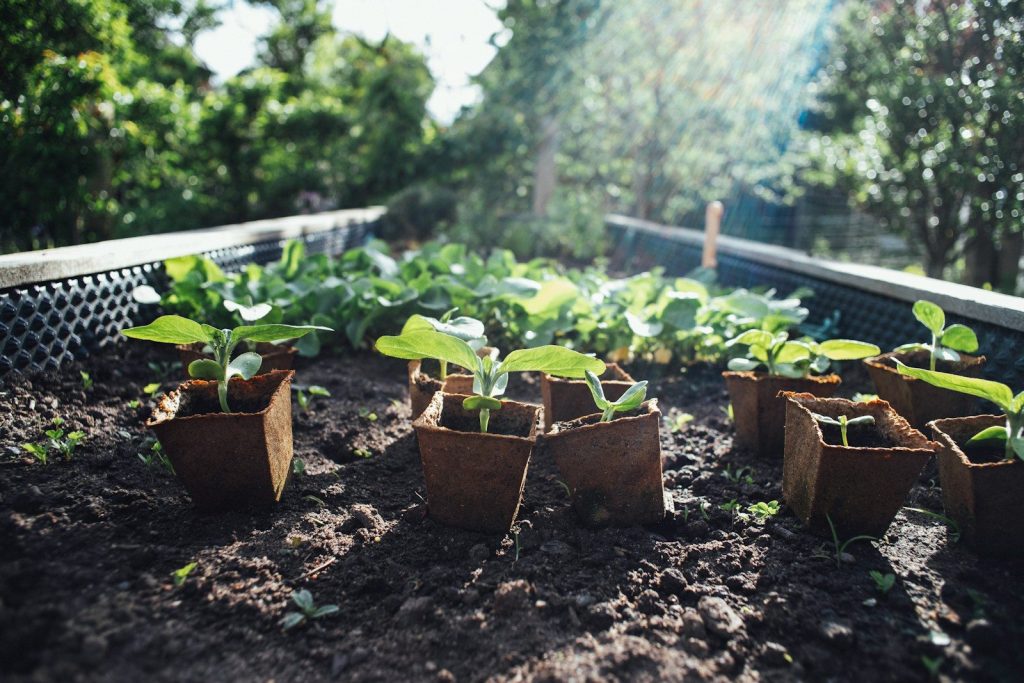
Plain cardboard can be placed near the bottom of a raised bed to occupy space and suppress weeds beneath the bed.
Removing tape, labels, and glossy coatings before use is generally recommended.
7. Add Straw
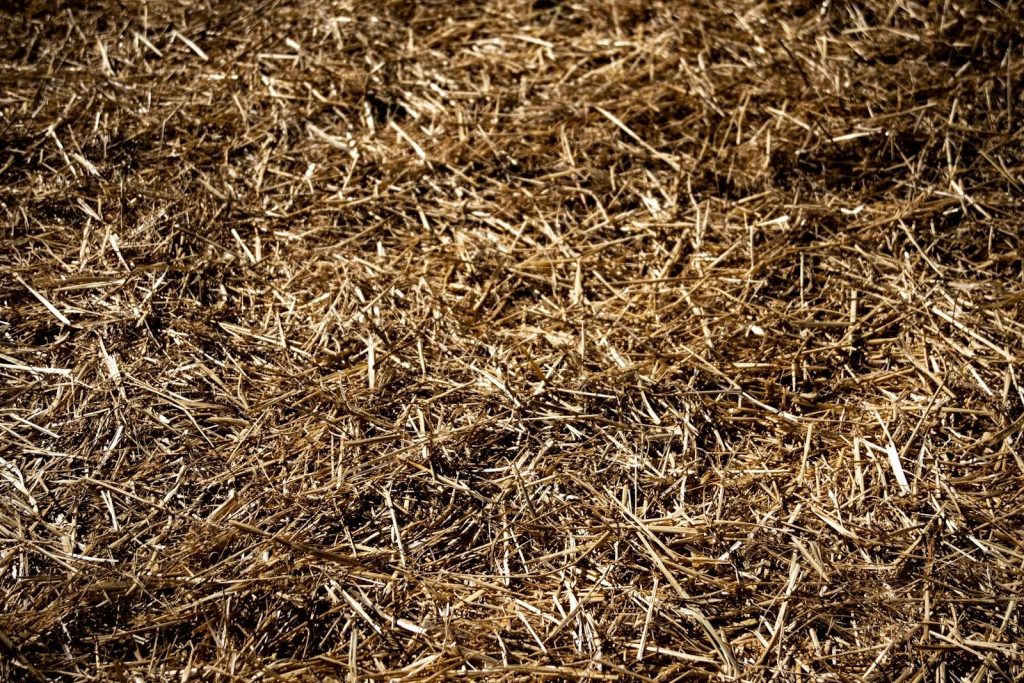
Straw can help fill large sections of a bed while keeping costs manageable. As it breaks down, it contributes organic material to the growing area.
Many gardeners use straw in combination with compost and soil to create a balanced planting environment.
8. Source Free Municipal Compost
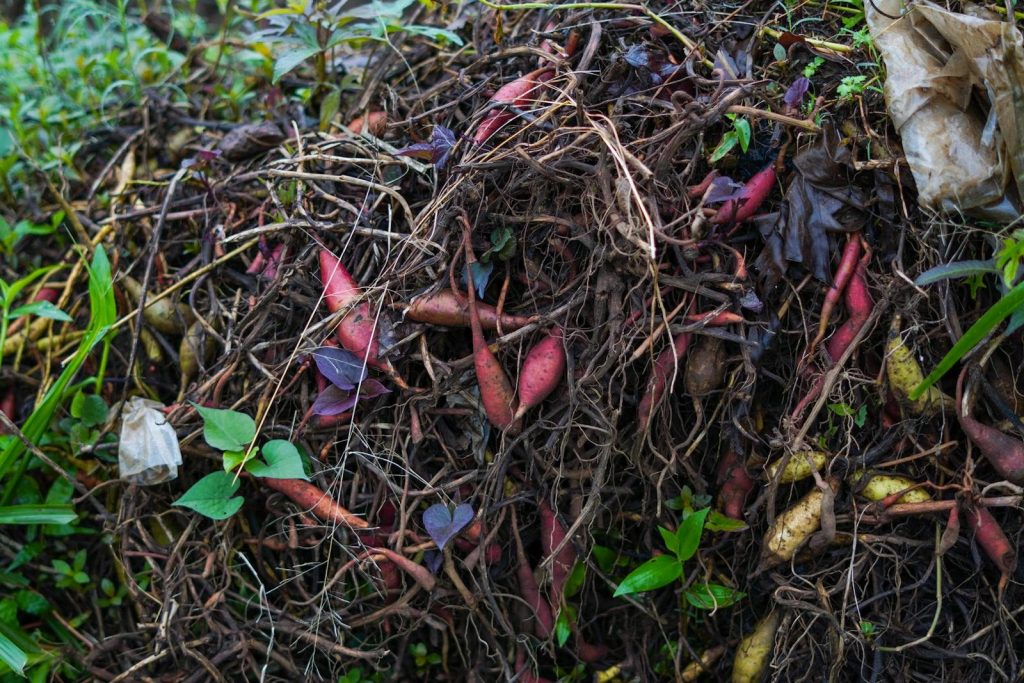
Some municipalities, recycling centers, and community programs offer free or low-cost compost made from collected yard waste.
Checking local resources can sometimes provide a substantial amount of material for larger garden projects.
9. Mix Topsoil With Organic Matter
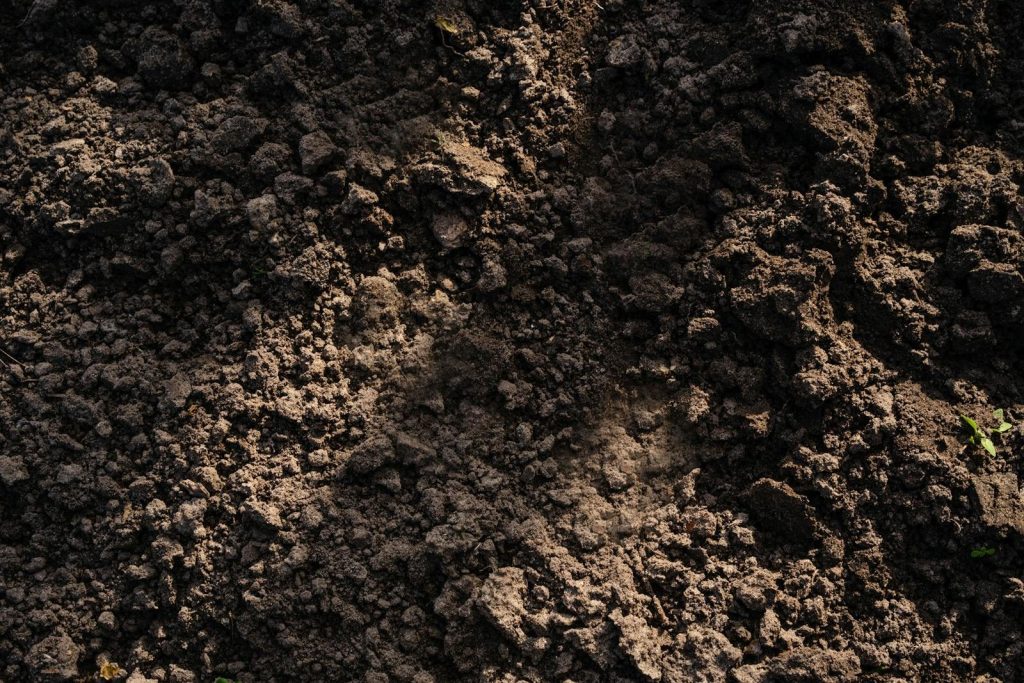
Using a blend of topsoil, compost, and other organic materials is often more economical than purchasing premium garden soil alone.
A thoughtful mix can create a productive growing medium while helping keep costs under control.
Build More, Spend Less
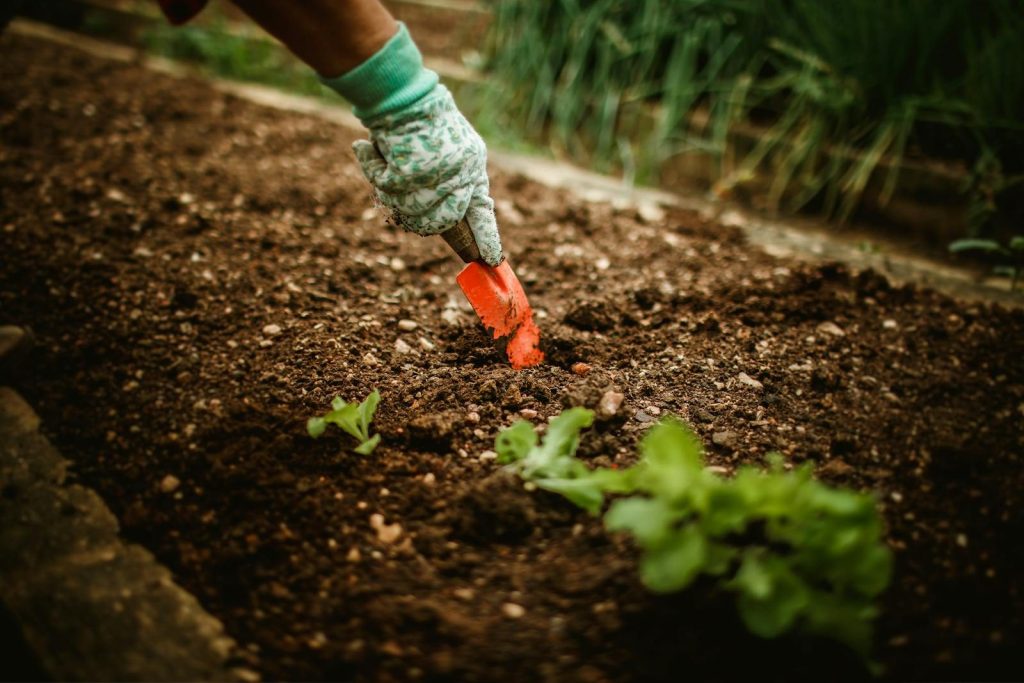
Filling raised beds does not have to drain your gardening budget. By using available natural materials and incorporating homemade or low-cost organic matter, you can create a productive growing space without overspending. A little creativity can go a long way when it comes to building healthy garden beds on a budget.