

According to Energy Star, heating water accounts for roughly 90% of the total energy a washing machine uses per cycle, which means the temperature dial matters more than almost any other laundry decision. Most people default to warm or hot out of habit, not necessity, and a handful of small changes can cut that energy use dramatically without making clothes any less clean.
Cold Water Handles Most Loads Just Fine
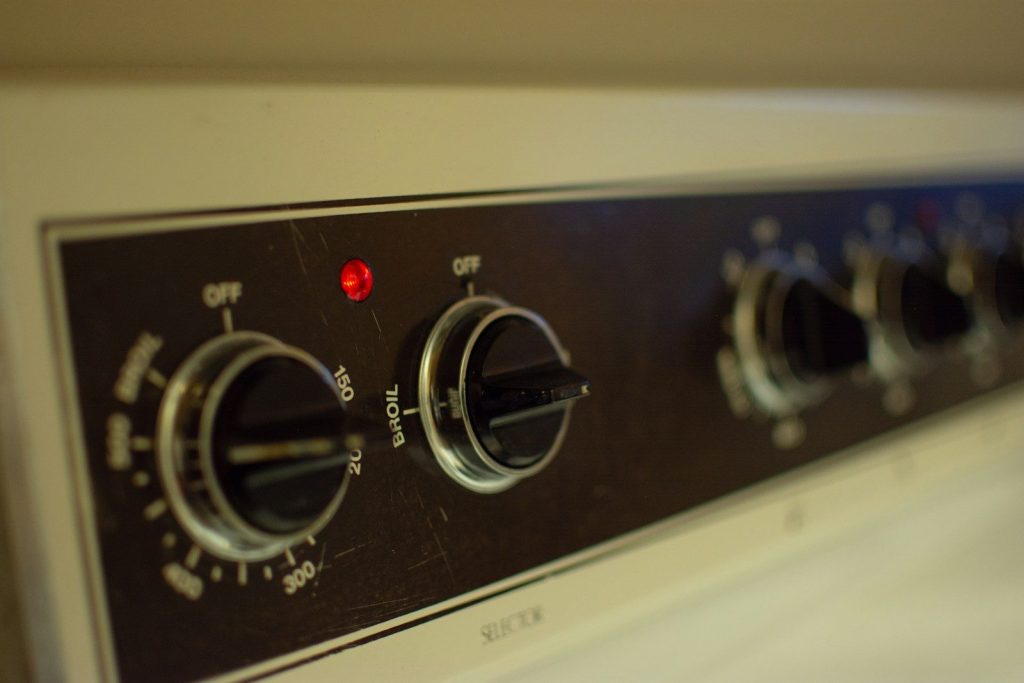
Switching from hot to cold can cut a washing machine’s energy use dramatically, and for the vast majority of everyday laundry, cold water cleans just as effectively as warm or hot. Modern detergents are built specifically to work in cold water, which makes this less of a compromise than it used to be years ago.
Know the Few Times Hot Water Actually Earns Its Place

Hot water still matters for genuinely oily or heavily soiled items, bedding or towels after an illness, or anything that needs real sanitizing, situations where the extra energy is doing real work. The hack isn’t avoiding hot water entirely, it’s reserving it for the loads that actually need it instead of using it as a default.
Check That Your Detergent Is Actually Built for Cold Water
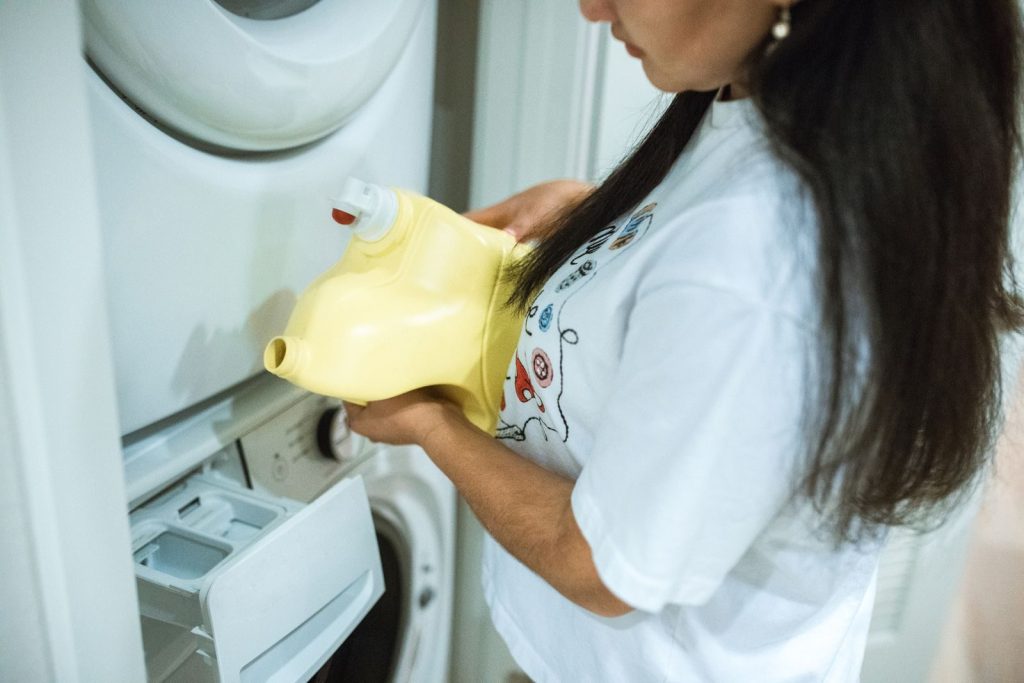
Not every detergent dissolves and activates the same way in cold water, and an older or budget formula can leave a load looking less clean simply because the enzymes inside it need warmth to work properly. A detergent labeled for cold-water use solves this without needing to raise the temperature at all.
Always Wait for a Full Load

Most washing machines use roughly the same amount of energy whether the drum is half full or completely full, which means running smaller loads more often wastes far more energy over a month than people realise. Waiting until there’s a full load is one of the simplest ways to cut down on total cycles run.
Skip the Sanitary Cycle Unless You Actually Need It
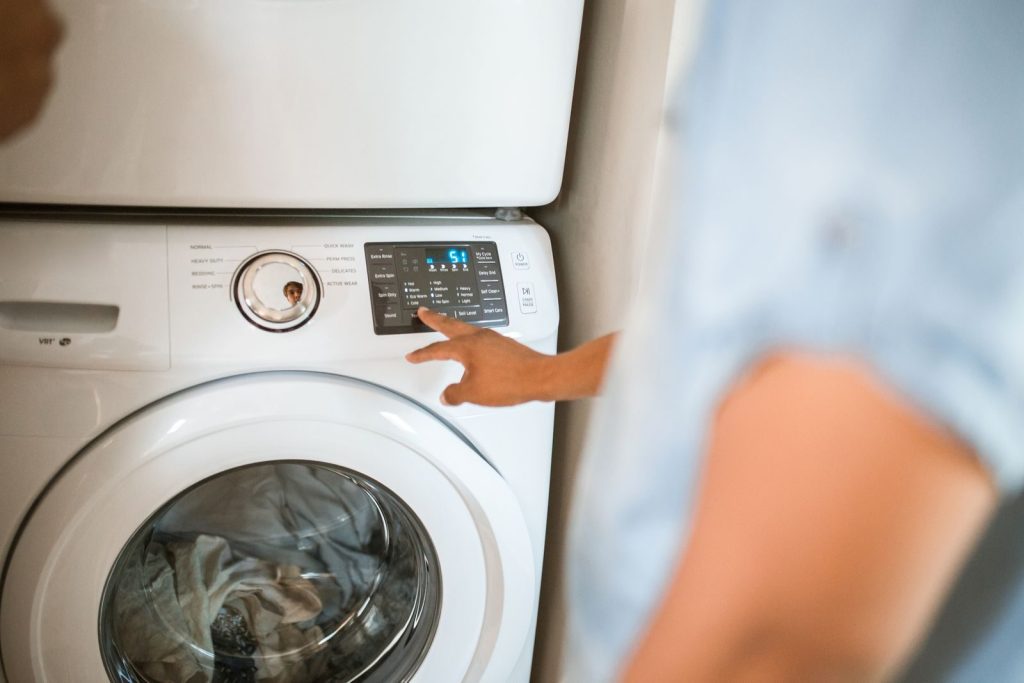
The sanitary or extra-hot cycle available on many machines uses noticeably more energy than a standard cycle, since it has to heat water to a much higher temperature to work. Saving it for genuine situations, illness, certain allergens, instead of running it as a routine setting keeps that energy spike rare instead of constant.
Set the Rinse Cycle to Cold, Even on a Warm Wash
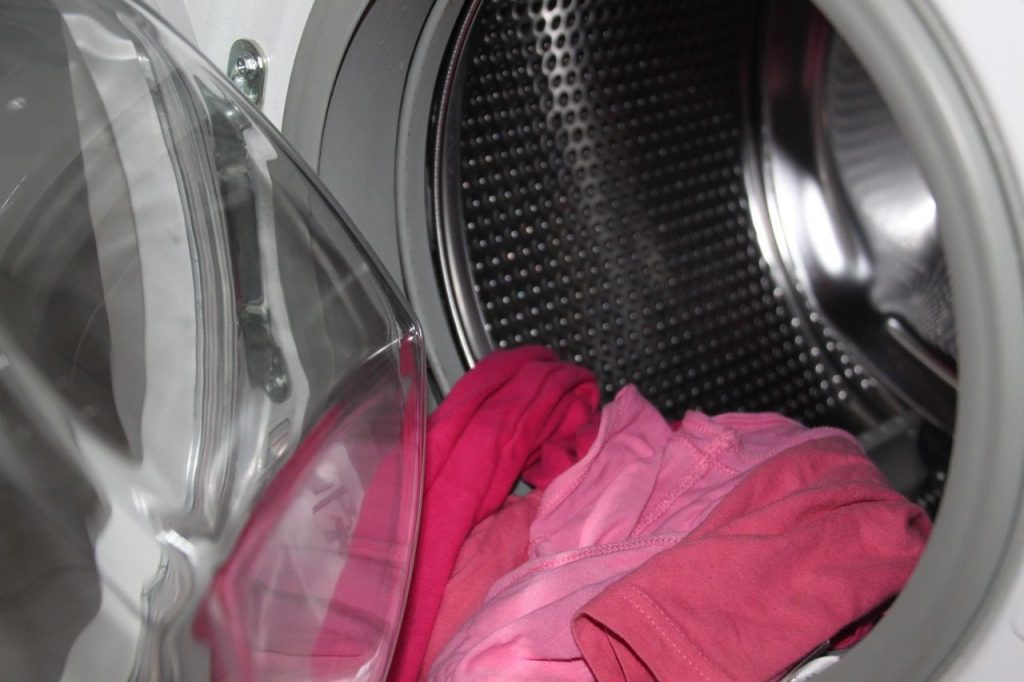
The rinse cycle’s only job is removing soap, which doesn’t require hot water to do effectively, yet many machines default to matching the rinse temperature to the wash temperature. Manually switching the rinse to cold, even on a warm or hot wash cycle, trims energy use without changing how clean the load comes out.
An Older Machine Might Be Working Against Every Other Hack

A washing machine more than a decade old is likely far less efficient at heating and using water than current models, which means even perfect habits can only go so far on outdated equipment. Checking a machine’s efficiency rating, especially if it’s due for replacement anyway, can matter more than any single setting change.
A Few Settings, A Real Difference

None of this requires new equipment or extra effort, just paying attention to a dial most people never think twice about. Cold water by default, hot water when it’s earned, and a full load every time covers most of what actually matters here.