

A hard-boiled egg looks like it should last forever sitting in the fridge, but boiling actually strips away the natural coating that protects a raw egg’s shell, which is exactly why a cooked egg spoils faster than an uncooked one. According to the USDA, properly stored hard-boiled eggs are good for up to a week, whether they’re peeled or still in the shell, but a handful of small habits make the difference between using that full week and tossing eggs early out of caution.
Get Them Into the Fridge Within Two Hours
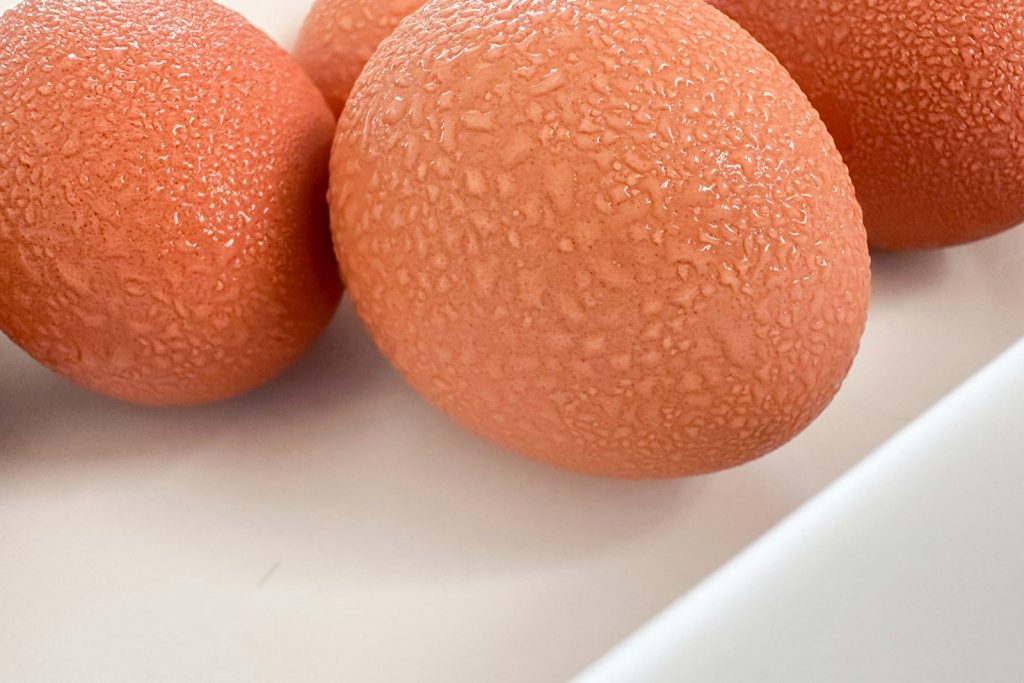
The USDA is specific on this one: cooked eggs left out for more than two hours, or just one hour if the room is especially warm, move into territory where bacteria can grow quickly enough to matter. Cooling them and refrigerating promptly is the single biggest factor in actually getting the full week of freshness.
Shock Them in an Ice Bath Right After Boiling
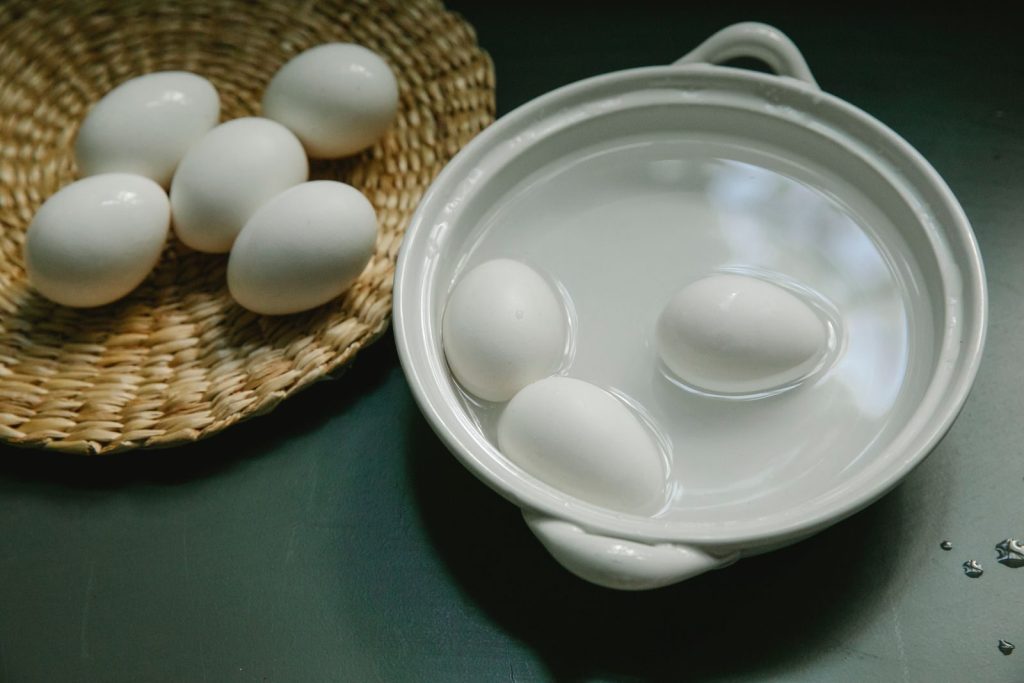
Dropping eggs straight from boiling water into a bowl of ice water stops the cooking process immediately and brings the temperature down fast, both of which help them hold up better in storage. It’s also the same trick that makes peeling easier, so it solves two problems with one step.
Leave the Shell On for the Full Week
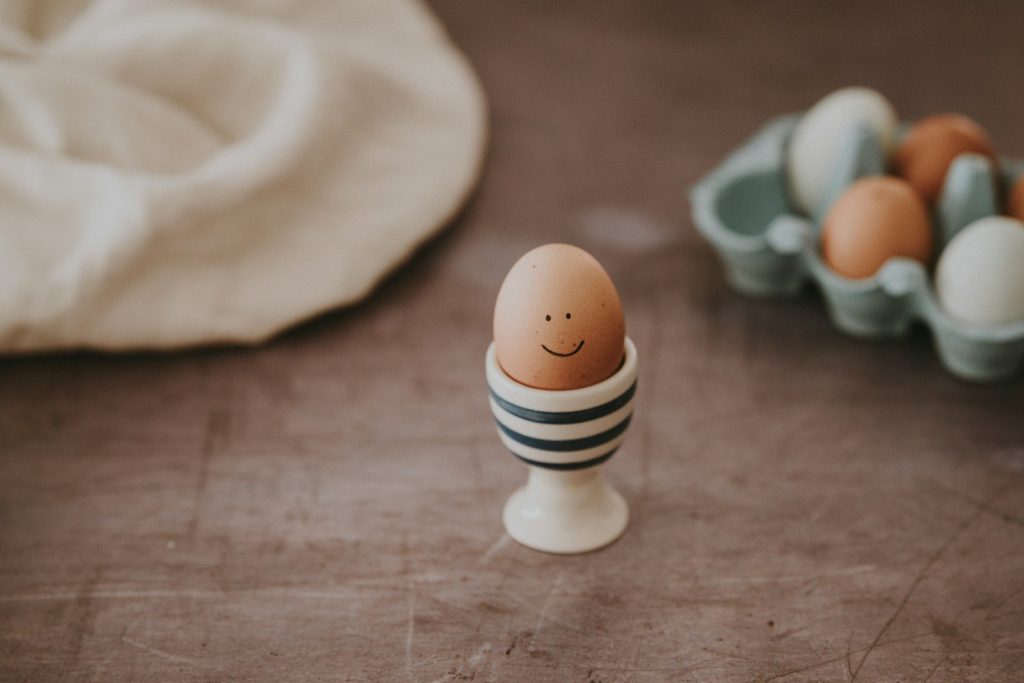
An unpeeled hard-boiled egg still has a barrier between the egg itself and everything in the fridge around it, which is part of why it holds up for the full week USDA guidelines allow. If you’re batch-cooking for the week ahead, leaving them unpeeled until you’re ready to eat them is the simplest way to stretch their freshness.
Eat Peeled Eggs Sooner Rather Than Later
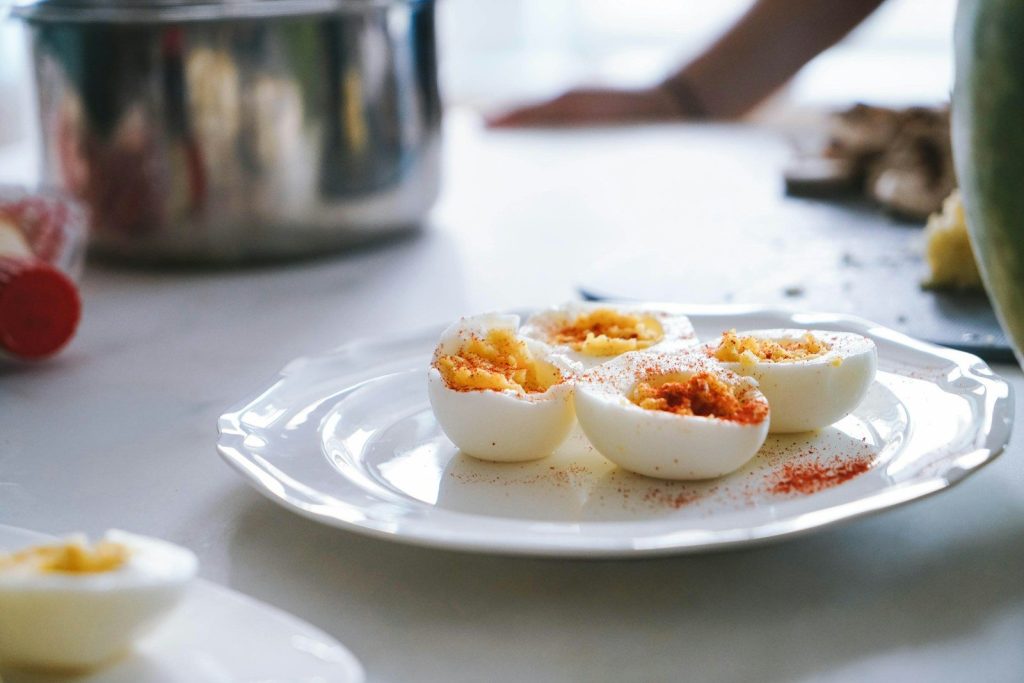
Once the shell is gone, that protective barrier is gone with it, and the egg is exposed directly to air and moisture in the fridge. Peeled eggs are best eaten the same day or within a day or two, not stretched out toward the full week that unpeeled eggs can manage.
Store Peeled Eggs With a Damp Paper Towel
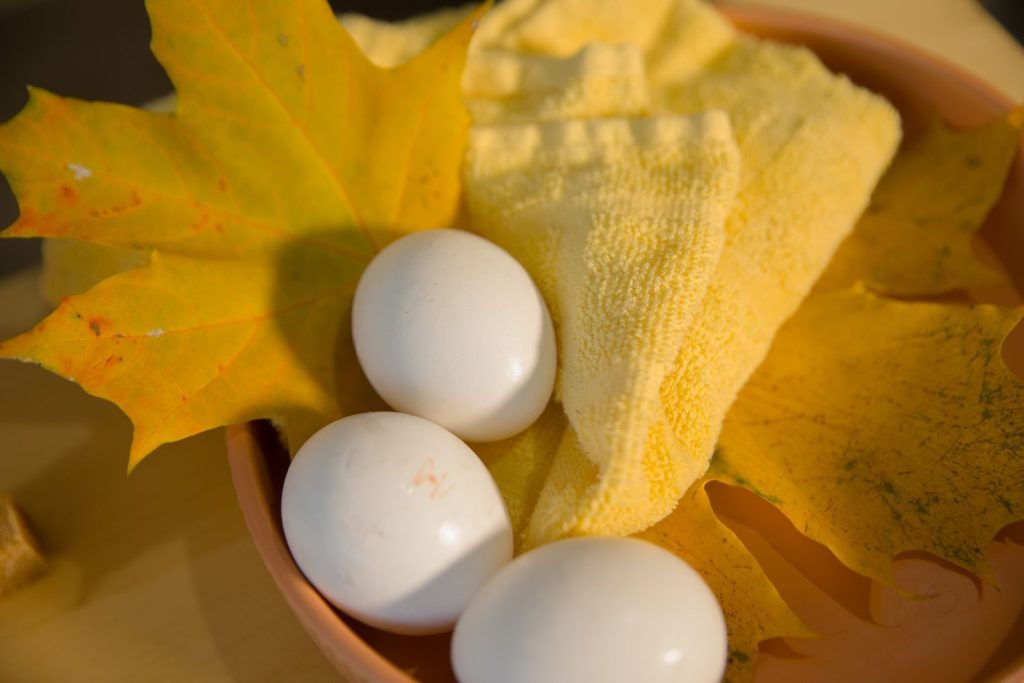
If peeled eggs do need to sit for a day, wrapping them loosely with a damp paper towel inside an airtight container helps keep them from drying out at the surface, which is usually what makes a peeled egg start to taste off before it’s technically spoiled. It’s a small step that noticeably improves texture.
Keep Them on a Shelf, Not in the Door
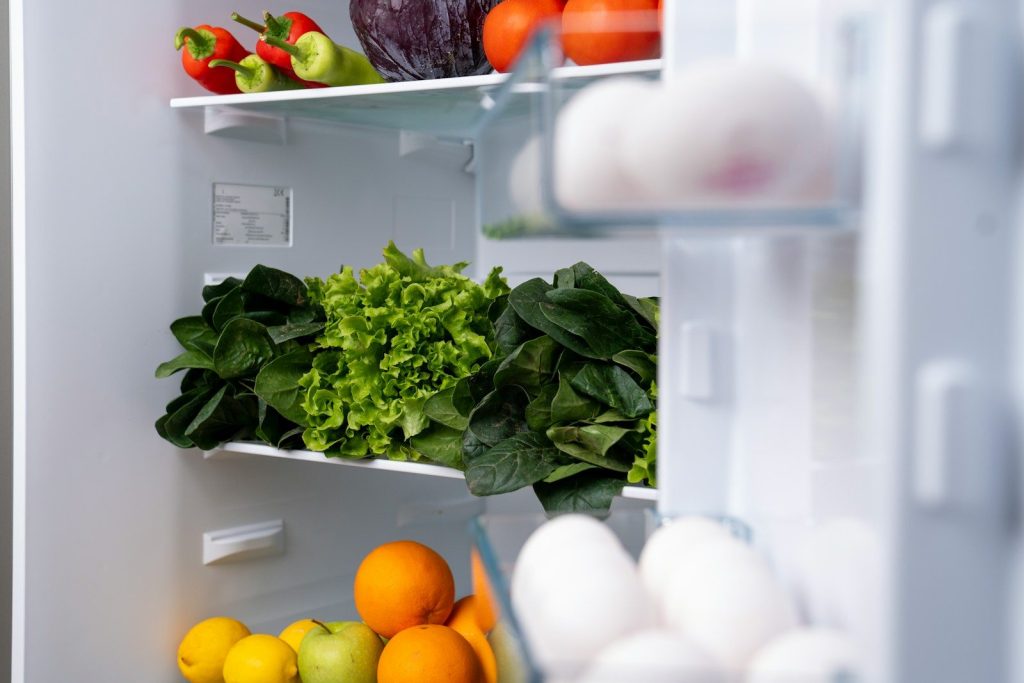
The door of the fridge sees the biggest temperature swings every time it opens, while the inside shelves stay consistently cold. Storing eggs there instead of in the built-in door rack keeps them at a more stable temperature, which matters more for food safety than people usually assume.
Know the Signs an Egg Has Actually Gone Bad
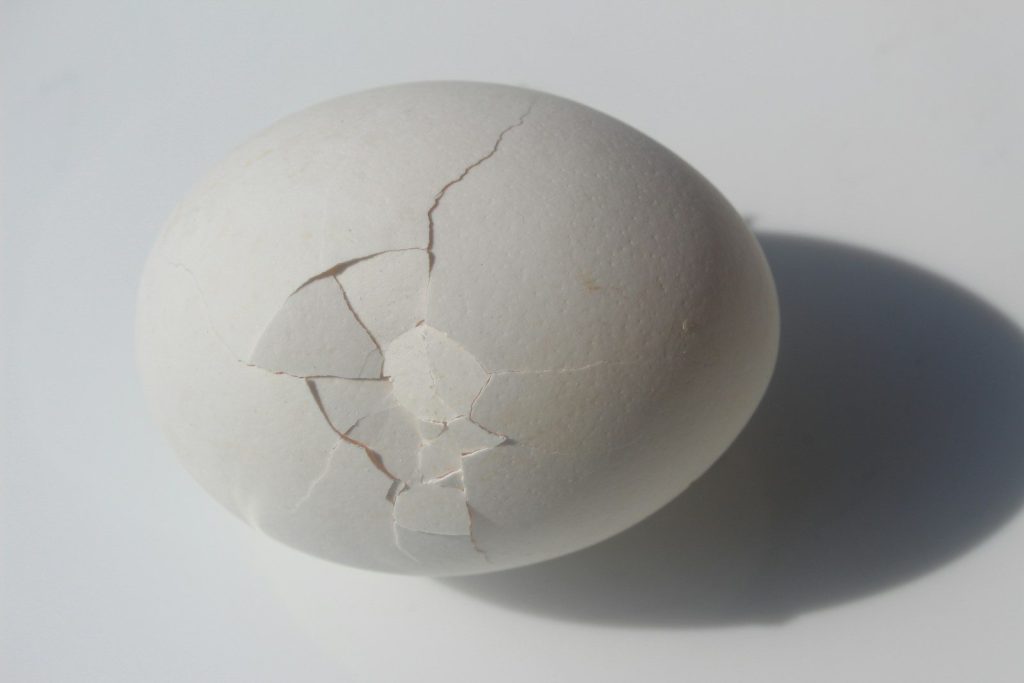
A sulfur-like smell, a slimy texture, or a chalky appearance on the surface are the real signals an egg is no longer good, not just the calendar date alone. When in doubt, a quick smell test after cracking the shell is more reliable than trying to remember exactly which day you boiled them.
A Week Is the Limit, Not a Guarantee
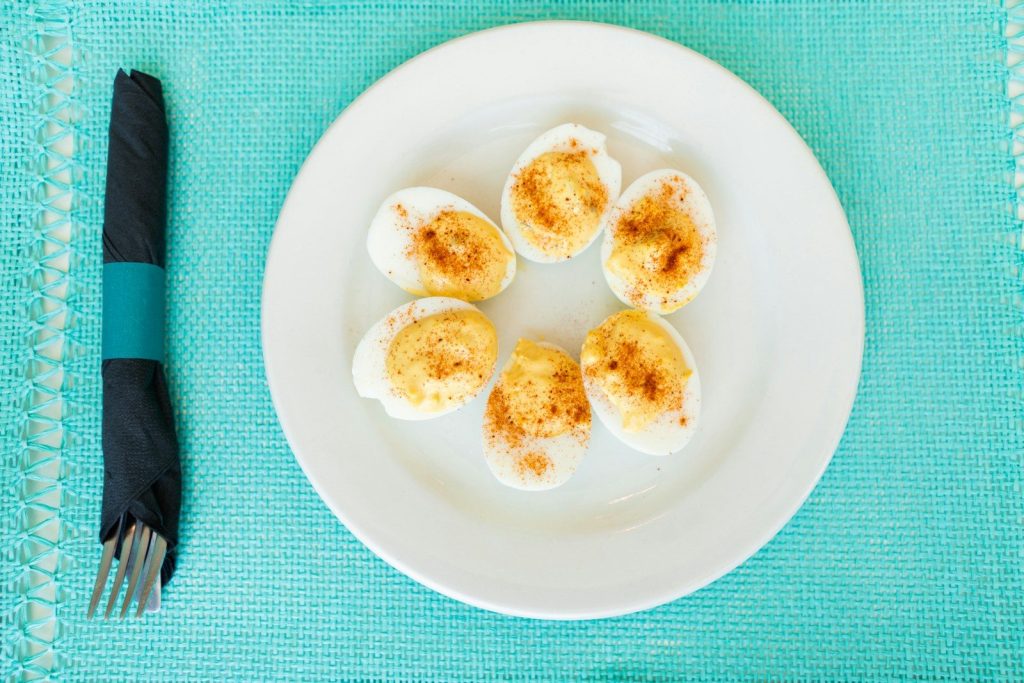
None of these habits stretch a hard-boiled egg past what USDA guidelines actually allow, they just make sure you get the full week instead of losing days to careless storage. Cool them fast, refrigerate promptly, and trust your nose over the calendar if something seems off.