

Walking is often treated like a simple box to check. Get your steps, close your fitness app, and move on with the day. Yet researchers continue finding that how you walk can influence the benefits you receive. Small changes can challenge your brain, improve balance, engage neglected muscles, and make the habit more rewarding. If your daily walk has become completely predictable, these clever hacks may help you see it in a different light.
Walk Backwards For A Few Safe Seconds

Physical therapists sometimes use backward walking because it challenges balance, coordination, and muscles differently than forward movement. Even a few seconds in a safe, obstacle-free area can make your brain pay closer attention to movement patterns that usually happen automatically.
Count Things Instead Of Steps

Many walkers become obsessed with step counts. Instead, try counting blue doors, flowering trees, birds, bicycles, or anything else you might encounter. This simple shift turns a walk into a brain exercise and encourages greater awareness of your surroundings.
Walk Through A Place You Normally Ignore

Most people use walking routes that are comfortable and familiar. Try exploring an industrial district, a university campus, an older neighborhood, or a botanical garden. New environments force your brain to process different visual information and can make the experience feel fresh again.
Carry Something Awkward

Not heavy. Awkward. A rolled yoga mat, a bouquet of flowers, or a grocery bag carried on one side changes how your body stabilizes itself. Your core and posture work differently when managing an uneven load.
Add A Curiosity Stop
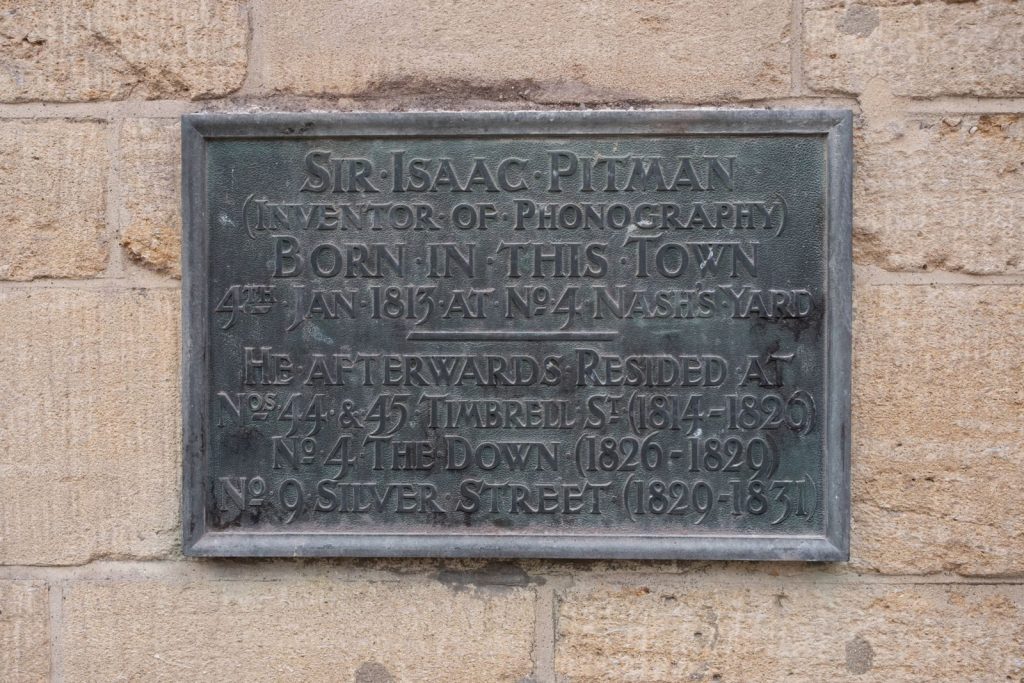
Choose one thing before leaving home that you want to learn about. Maybe it is a historical building, a tree species, a local business, or a monument. Walk with the goal of discovering something rather than simply covering distance.
Try The Silent Walk Experiment

Most people fill walks with podcasts, music, or phone calls. Once a week, try walking in complete silence. Many people report noticing sounds, details, and observations they would normally miss. The experience can feel surprisingly different even on a familiar route.
Finish Somewhere You Have Never Sat Before

The destination matters more than many people realize. End your walk on a bench you’ve never used, a different park, a waterfront, or a quiet public square. Giving your walk a new ending creates a stronger sense of exploration.
Let Your Non-Dominant Hand Lead

Carry your water bottle, bag, or coffee cup with your non-dominant hand during part of the walk. It sounds insignificant, but simple changes like this force the brain to pay more attention to movement patterns that usually happen on autopilot.
The Most Powerful Part Of Walking Might Be Variety

The biggest mistake many people make is assuming every walk should look exactly the same. The body adapts quickly to repetition, and so does the mind. Small changes in attention, environment, movement, and purpose can make a routine walk feel surprisingly different. Sometimes getting more from your daily walk is not about adding more minutes. It is about giving your brain and body something new to work with.