

Pick up almost any bath towel in your house and look just above the hem: there’s a woven stripe or pattern that looks decorative, but almost nobody who owns one actually knows it has a real name, a specific construction, and three separate jobs it’s quietly doing every time that towel goes through the wash. It’s called a dobby border, and once you know what it’s actually for, you’ll never look at a towel the same way again.
It Has an Actual Name, and Almost No One Knows It
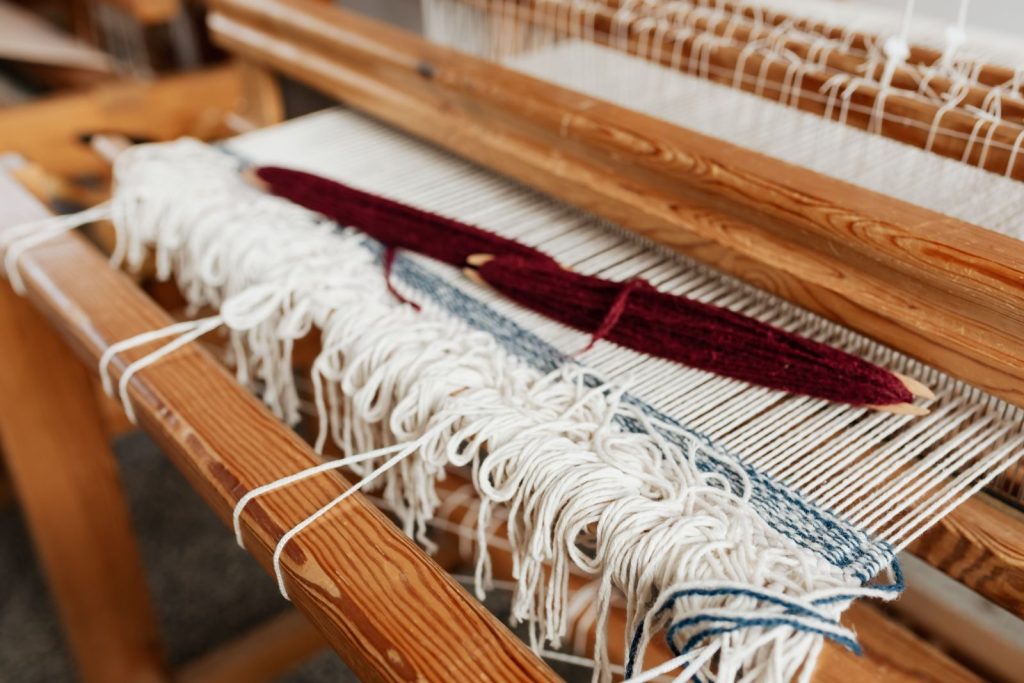
That woven stripe is called a dobby border, made on a special loom attachment that weaves geometric patterns directly into the fabric. The name traces back to “draw boy,” an old term for a weaver’s assistant who controlled the pattern threads by hand before the process was mechanised. It’s been sitting on your towels your whole life with a name you’ve never once heard.
It’s Not the Same Weave as the Rest of the Towel

The fluffy part of a towel is made of raised loops, called terry pile, which is what actually absorbs water. The border is woven completely flat and dense instead, with no loops at all, which is why it feels different under your hand and shows up on towels in everything from budget sets to five-star hotels.
It’s Quietly Keeping Your Towel From Warping
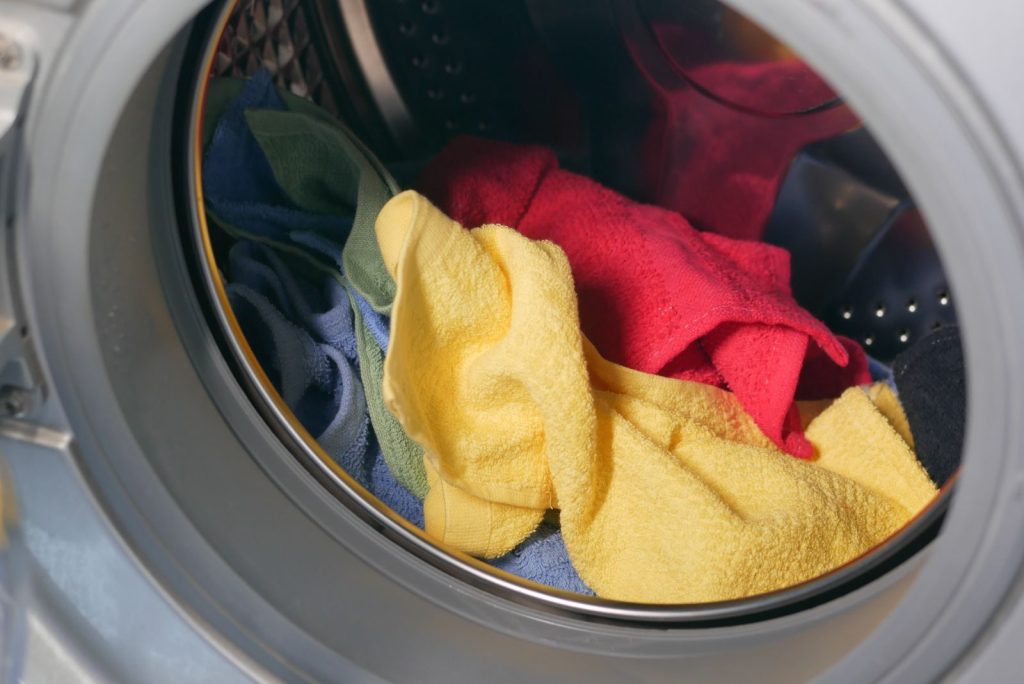
A towel that’s just loose terry loops from edge to edge tends to bow and lose its shape after enough trips through the washing machine. The tightly woven border acts like a structural frame along the ends, holding the whole towel flatter and straighter for far longer than it would manage on its own.
It’s the Reason the Edges Don’t Fray
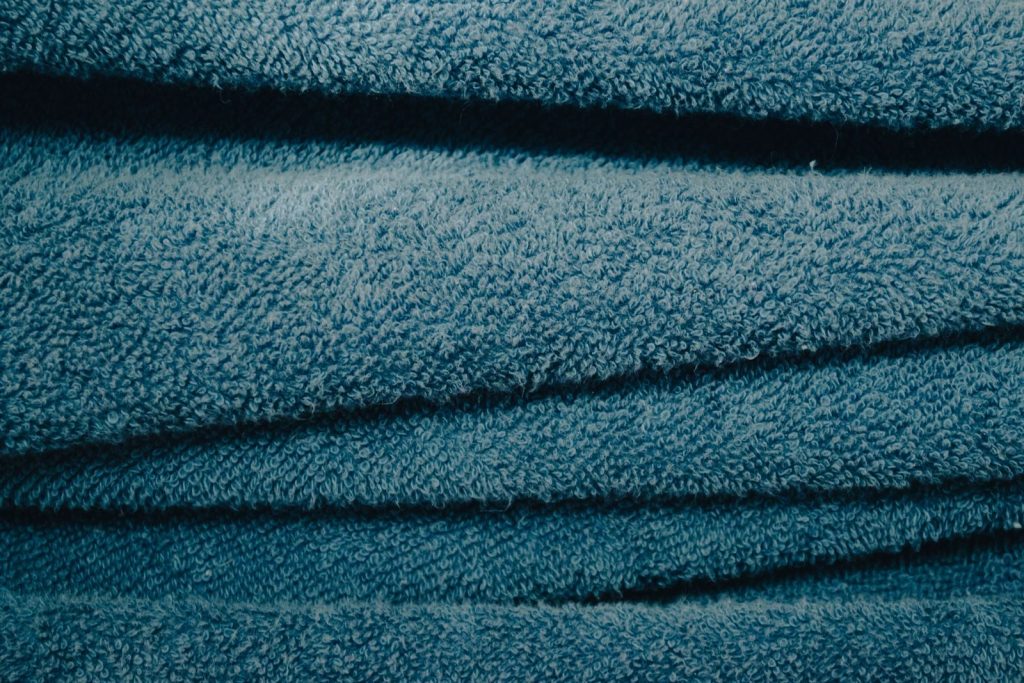
Loose terry loops are exactly the kind of edge that unravels fast once a few threads work their way free, which is what happens to the cheap dish towels that fall apart within a year. The dense, flat weave at the border resists that fraying in a way the rest of the towel physically can’t.
Use It to Judge Quality Before You Buy
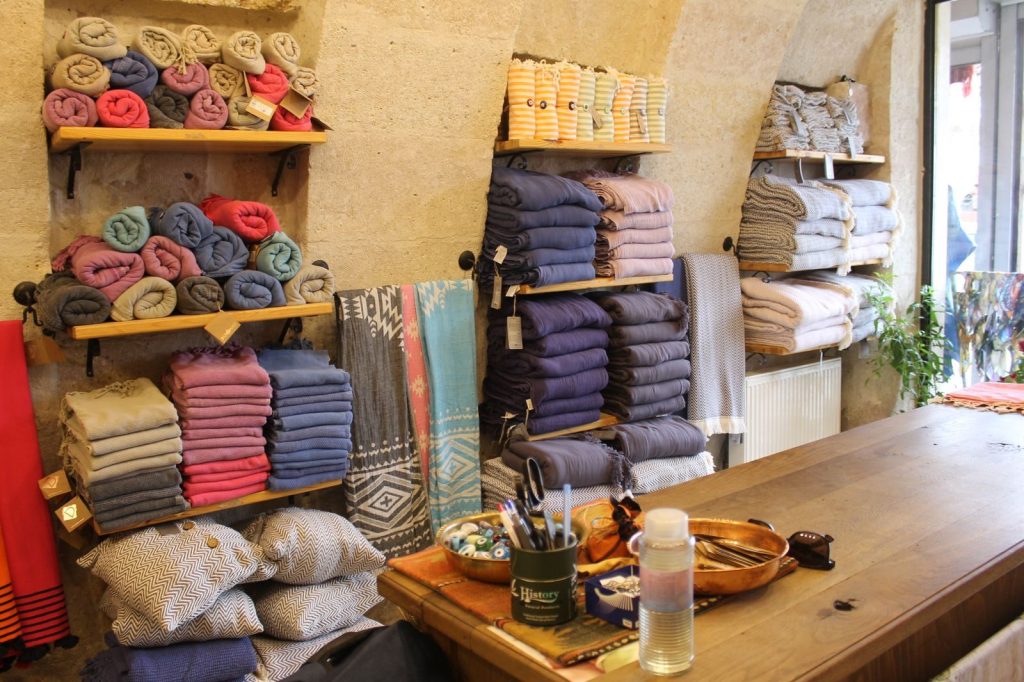
A wide, crisp, evenly woven border on the shelf is usually a sign of a better-made towel overall, since brands that cut corners on construction rarely bother investing in a clean dobby border either. It takes about two seconds to check, and it’ll tell you more than the thread count printed on the tag.
Dry Your Hands on the Loops, Not the Stripe
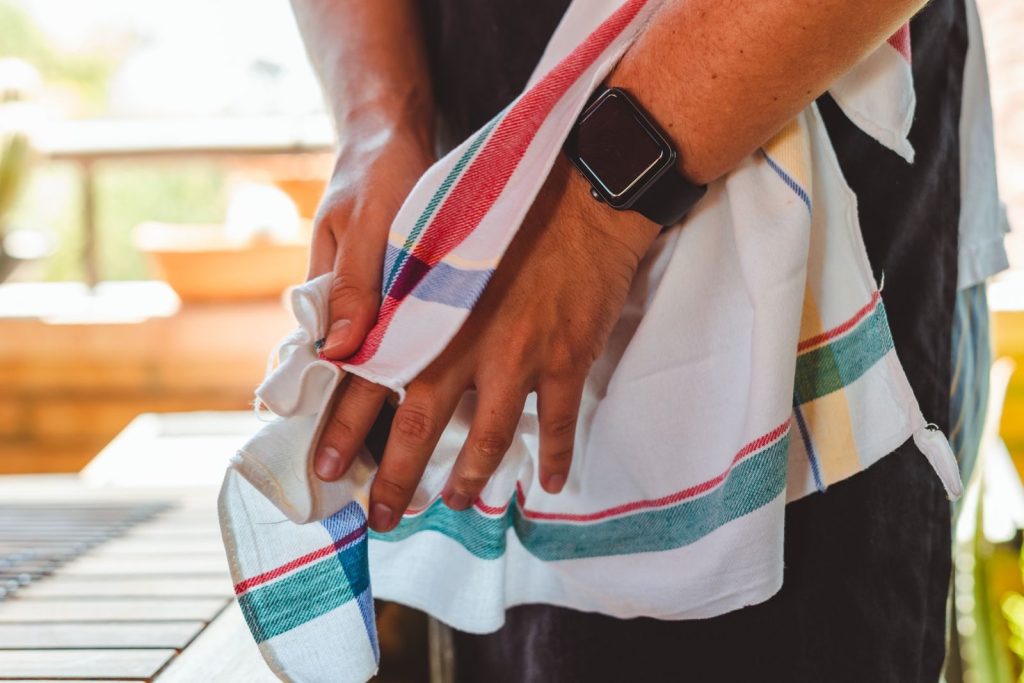
That border isn’t built for absorbency, it’s built for structure, so drying your hands or face specifically on the looped terry section instead of the flat stripe will always work better. It’s a small habit, but it’s the difference between a towel that actually dries you off and one that just moves the water around.
Hang It With the Border Facing Out to Dry Faster
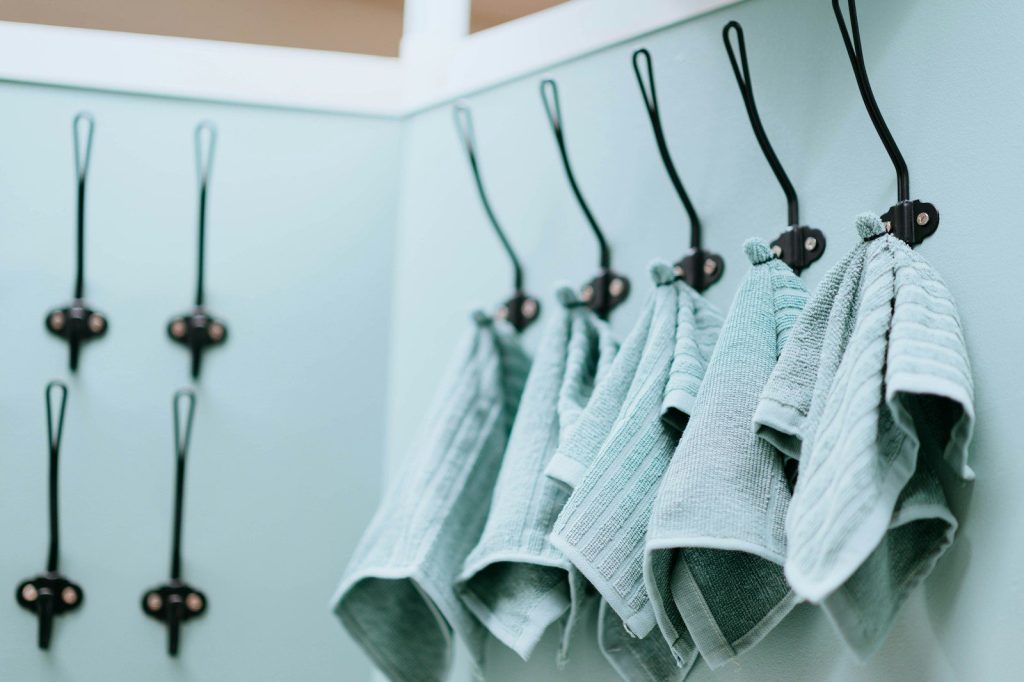
Since the flat woven border holds far less water than the looped terry pile, positioning a damp towel so that section faces outward, where airflow hits it most, helps the whole towel dry out faster between uses. It’s a small fold that makes a real difference in a humid bathroom.
You’ll Never Look at a Towel the Same Way Again
A detail almost everyone has touched a thousand times and never once questioned turns out to be doing real structural work, not just sitting there for decoration. Next time you’re folding laundry or shopping for new towels, that little woven stripe just became the most interesting thing in the linen closet.