

Blood pressure is influenced by many factors, including age, genetics, and daily habits. While some factors are beyond your control, certain lifestyle choices can play an important role in supporting healthy blood pressure levels. Even small adjustments can have a meaningful impact when practiced consistently over time.
1. Stay Physically Active

Regular physical activity helps support heart health and circulation. Activities such as walking, cycling, swimming, yoga, and gardening can all contribute to an active lifestyle.
Finding an activity you enjoy often makes it easier to stay consistent.
2. Eat More Potassium-Rich Foods

Potassium helps balance the effects of sodium in the body. Foods such as bananas, sweet potatoes, spinach, beans, and avocados are natural sources of this important mineral.
Including a variety of potassium-rich foods in your diet may help support healthy blood pressure levels.
3. Reduce Excess Sodium

Many packaged and restaurant foods contain significant amounts of sodium. Paying attention to food labels and preparing more meals at home can help you manage your intake.
Small changes in daily food choices can add up over time.
4. Maintain A Healthy Weight

Carrying excess weight can place additional strain on the heart and blood vessels. Reaching and maintaining a healthy weight is often recommended as part of an overall heart-healthy lifestyle.
Even modest weight loss may offer benefits for some individuals.
5. Prioritize Quality Sleep

Sleep is essential for many aspects of health, including cardiovascular function. Consistently getting enough rest may help support normal blood pressure patterns.
Creating a regular sleep schedule can make quality rest easier to achieve.
6. Manage Daily Stress

Stress is a normal part of life, but ongoing stress can affect overall wellbeing. Activities such as deep breathing, meditation, reading, or spending time outdoors may help promote relaxation.
Finding healthy ways to unwind can benefit both mental and physical health.
7. Limit Alcohol Consumption

Alcohol can influence blood pressure, particularly when consumed in large amounts. Following recommended guidelines and being mindful of intake can support long-term heart health.
Moderation is often encouraged by healthcare professionals.
8. Quit Smoking

Smoking affects blood vessels and places extra strain on the cardiovascular system. Quitting smoking is one of the most significant steps a person can take to support heart health.
Many people begin experiencing health benefits shortly after they stop smoking.
Healthy Habits Add Up Over Time
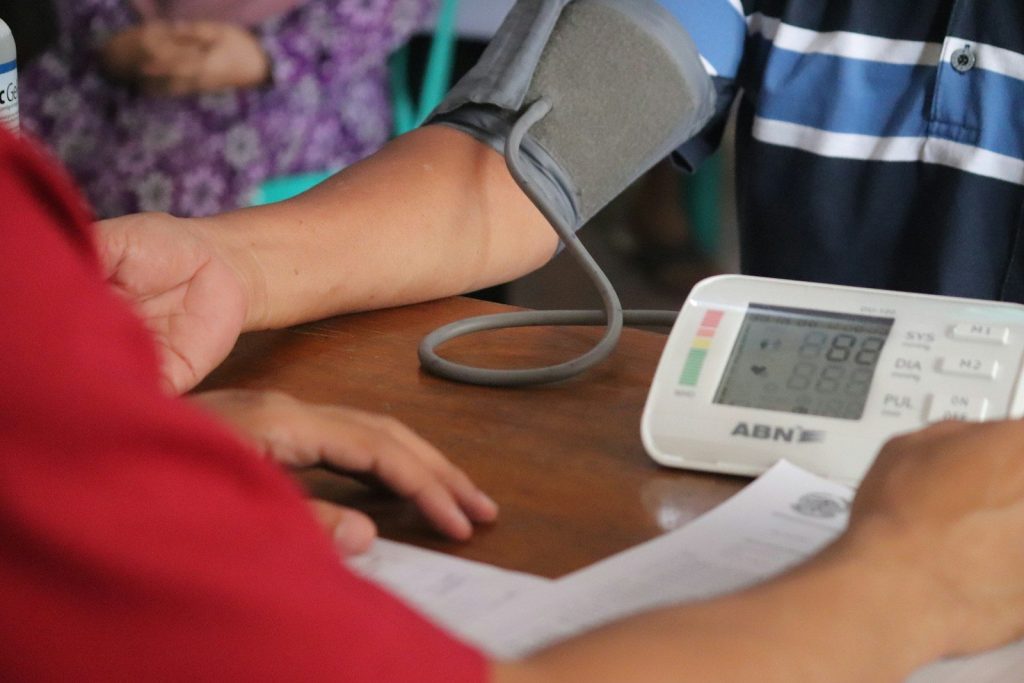
Supporting healthy blood pressure levels often involves a combination of daily choices rather than a single solution. Consistent habits such as staying active, eating a balanced diet, managing stress, and getting enough sleep can all contribute to long-term cardiovascular health. Small steps taken today may lead to meaningful benefits in the future.