

Professional cleaners reach for the same handful of methods over and over for one simple reason: grease responds to a small set of specific chemical reactions, not whatever’s strongest on the shelf. The pros are also consistent about what to avoid; bleach and other harsh chemicals strip the finish right off most cabinets, which means the gentle methods aren’t a compromise, they’re actually the correct ones. Here’s what professional cleaners reach for first, and why each one works on grease specifically.
Dish Soap and Warm Water for Everyday Buildup
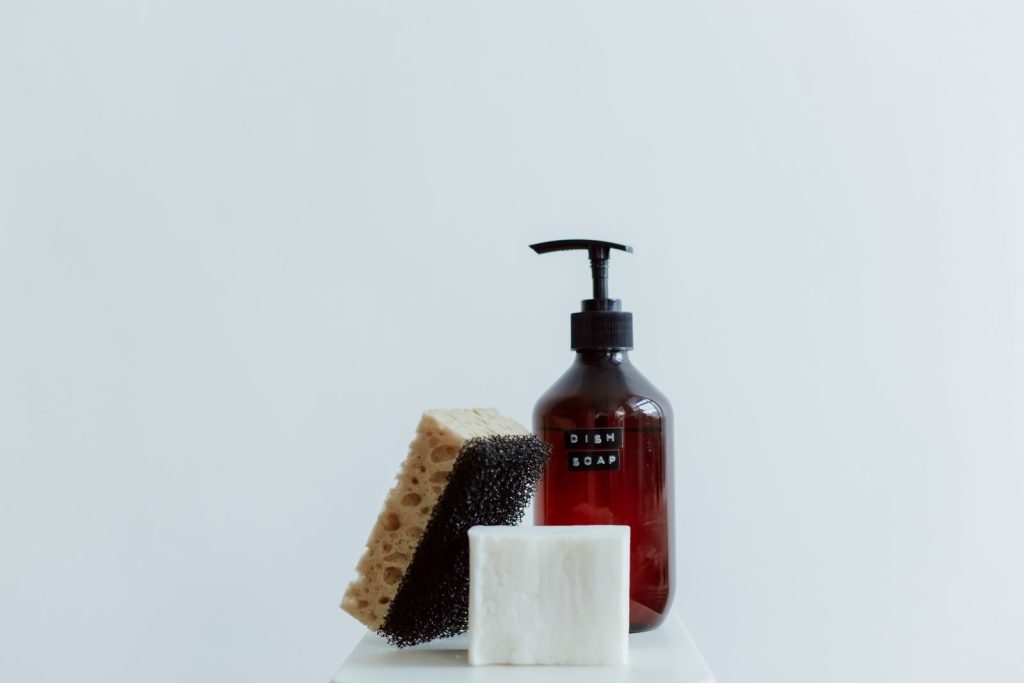
A few drops of dish soap in warm water handle routine grease without any risk to the finish, since dish soap is built to break down fat in the first place. It’s the method pros reach for most often simply because it’s already sitting under every sink, and a quick wipe-down keeps grease from ever building up to the point where a stronger method is needed.
A Diluted Vinegar Solution, Adjusted for Your Cabinet Material
Vinegar’s acidity breaks down grease while also neutralizing lingering cooking odors, but the ratio matters depending on what you’re cleaning. A roughly equal mix of vinegar and water works for most surfaces, while wood cabinets do better with a more diluted version, closer to one part vinegar to two parts water, to protect the finish underneath.
A Baking Soda Paste for the Stuck-On Spots
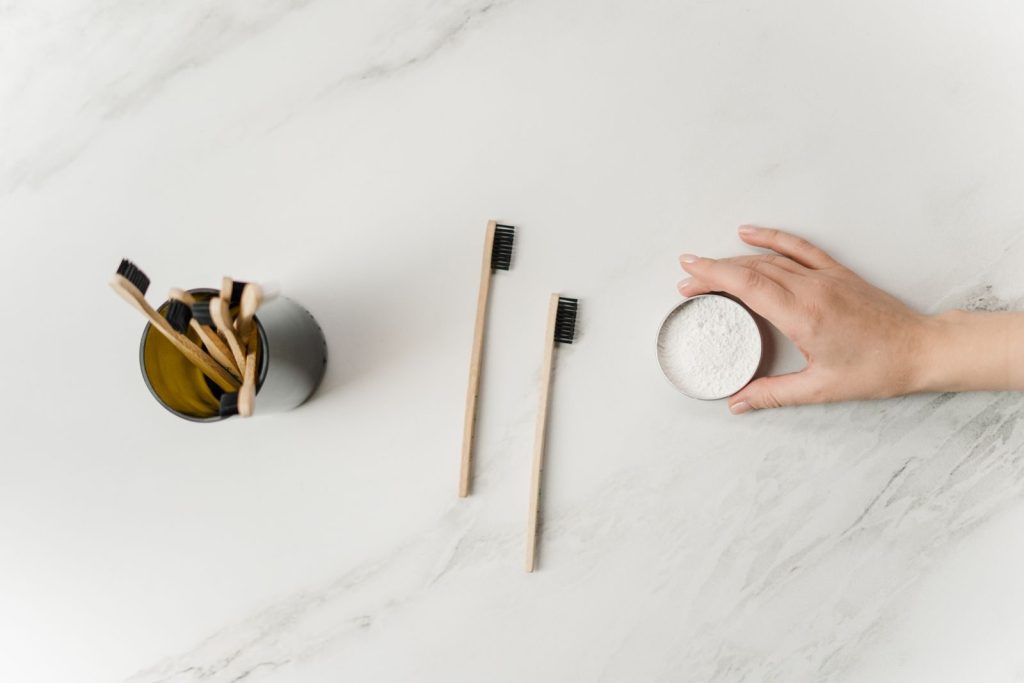
When soap and vinegar aren’t cutting through caked-on grease, a thick paste of baking soda and a small amount of water adds just enough gentle abrasion to lift it without scratching most finishes. It also doubles as the go-to fix for tomato sauce splatters on white cabinets, where a quick wipe alone usually isn’t enough.
Lemon and Salt for a Natural Scrub
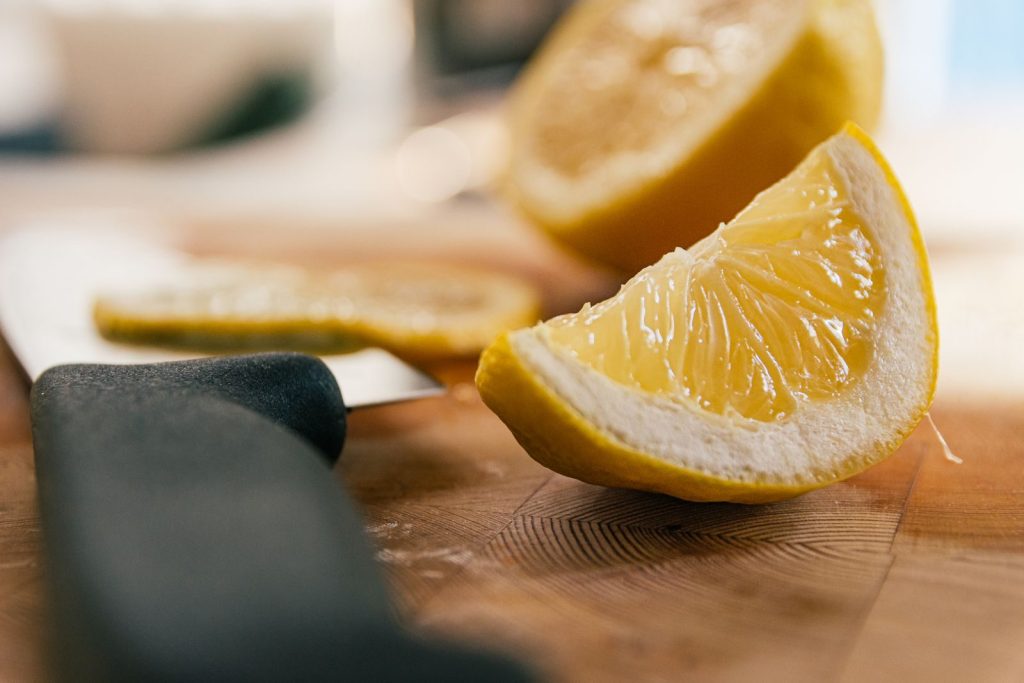
Halve a lemon, dip the cut side in salt, and use it directly on greasy spots, the citrus oils help break down the grease while the salt provides a gentle scrubbing texture without any synthetic ingredients involved. It’s a less obvious method than vinegar or baking soda, but it works through the same basic principle, acid plus light abrasion.
A Touch of Cooking Oil to Loosen Really Old Grease
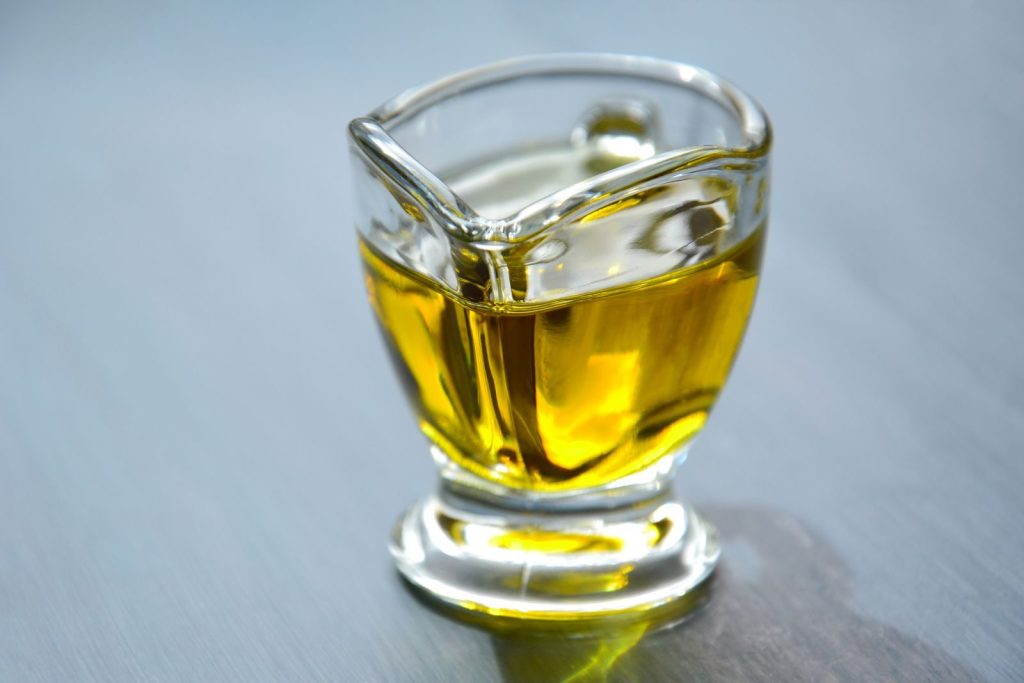
Grease that’s hardened over weeks or months sometimes resists soap and water entirely, and a small amount of cooking oil rubbed into the spot first can loosen it in a way water-based cleaners can’t, since grease dissolves more easily in oil than in water. Follow it immediately with dish soap and a damp cloth so you’re not left with an oily residue.
Steam for Wood Cabinets You Don’t Want to Soak
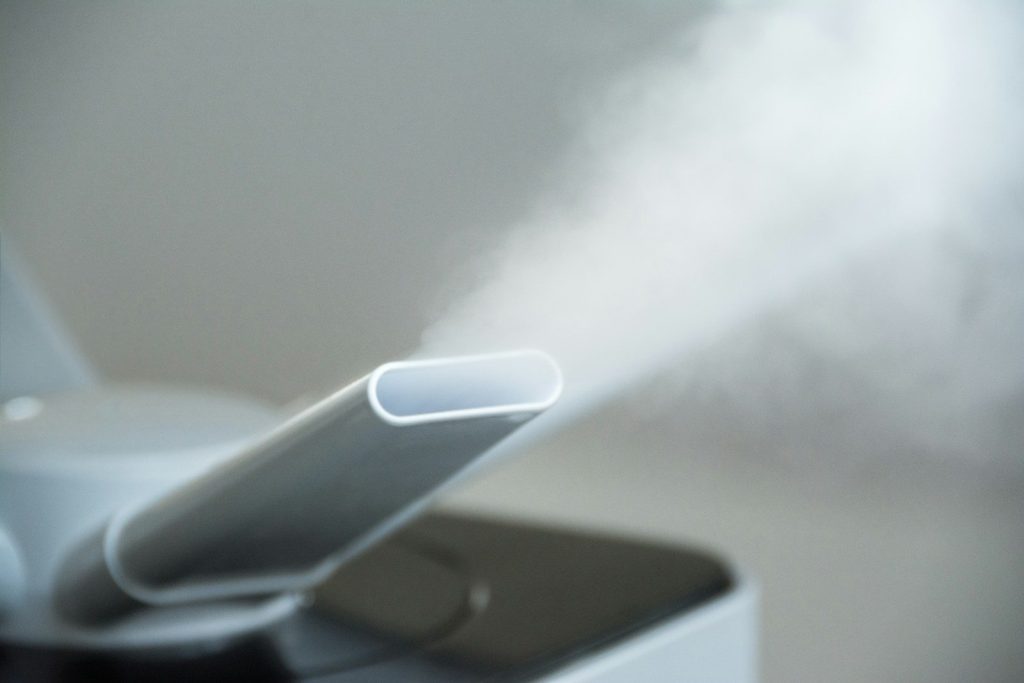
A handheld steamer loosens grease using heat and vapor instead of a liquid that has to sit and soak, which matters most on wood cabinets, where too much standing moisture can warp or dull the finish over time. Wipe immediately after steaming to lift the loosened grease before it has a chance to resettle.
Sometimes Just the Right Cloth Does the Job
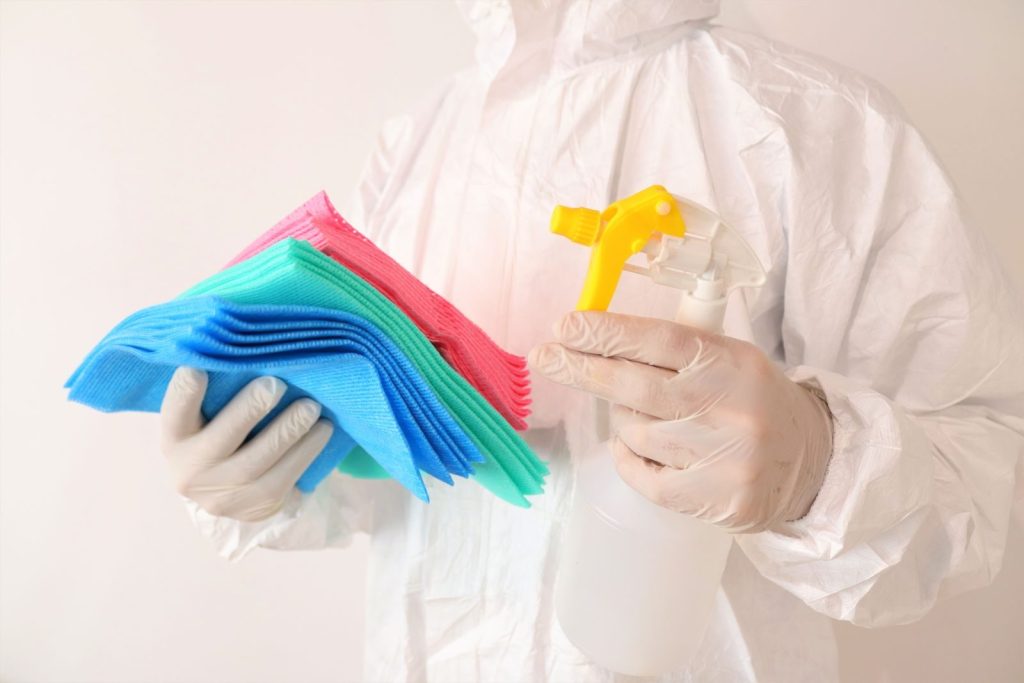
A microfiber cloth with nothing but warm water is occasionally enough on its own for light grease and fingerprints, since the fabric’s texture grabs onto grime in a way a regular dish towel doesn’t. It’s worth trying before reaching for any product at all, especially on cabinet hardware and handles where hand oils build up the fastest.
Gentle Isn’t the Compromise, It’s the Method

None of these requires anything harsh, and that’s intentional. Professional cleaners are consistent about avoiding bleach and other aggressive chemicals, specifically because they strip the finish these methods are designed to protect. Start with whichever one matches what’s already in your kitchen, and save the stronger combinations for building up the lighter methods that don’t fully clear.