

Reusing something usually feels like the responsible choice, less waste, less spent, more out of what you already bought. But a handful of common kitchen habits cross the line from resourceful into genuinely risky, not because reusing is bad in general, but because these specific items were never built to be used a second time, or they pick up something on the first use that doesn’t go away just because they look fine. None of these requires buying anything fancy to fix, just knowing where reuse actually saves you something and where it’s quietly costing you.
Frying Oil Used for More Than One or Two Rounds
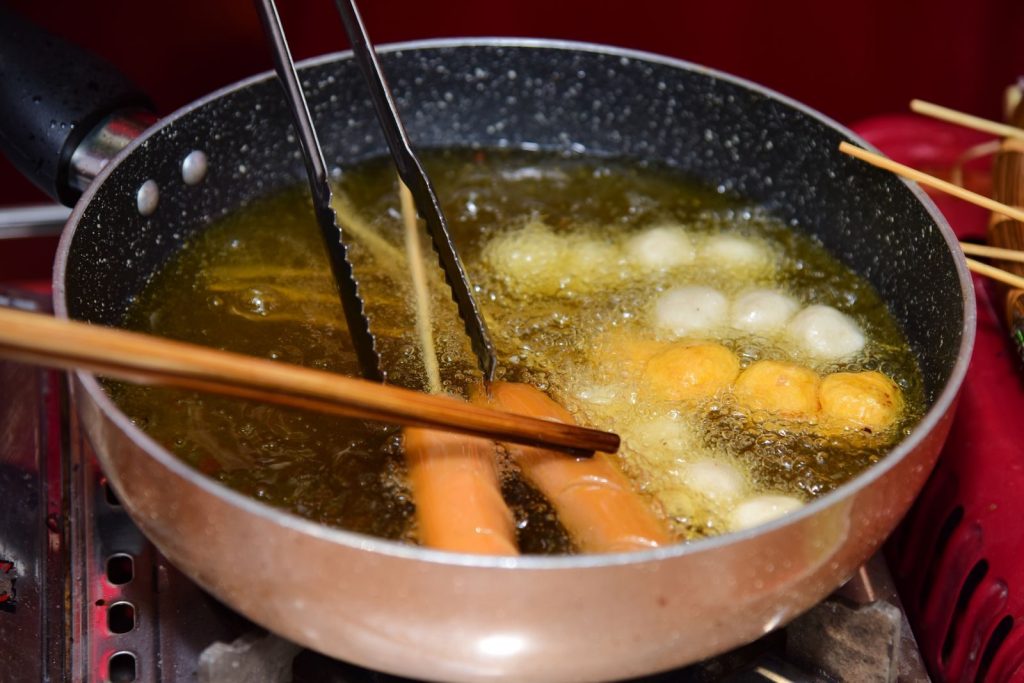
Oil breaks down a little more with every round of heating, picking up burnt food particles and developing compounds that weren’t there in the first batch. A few reuses for similar foods is generally fine if the oil still looks and smells clean, but oil that’s gone dark, foamy, or smells off has broken down enough that it’s doing more harm than the cost of replacing it.
A Sponge That’s Been in Rotation for Weeks
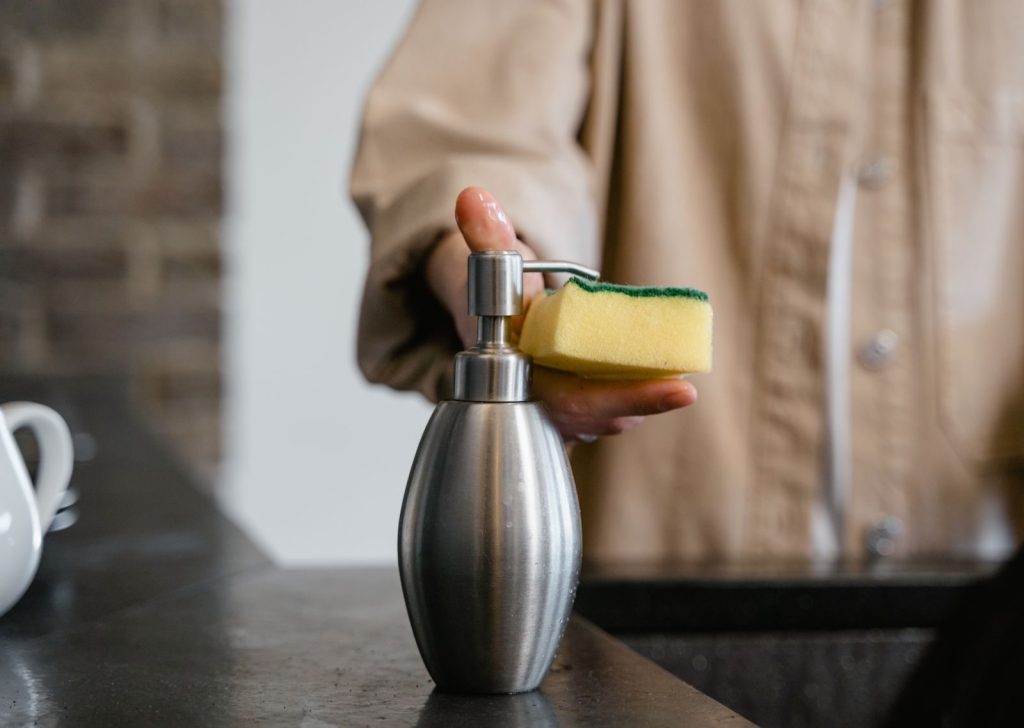
A damp sponge sitting on the counter with bits of food trapped inside is one of the most reliable bacteria breeders in the entire kitchen, and wiping a counter with it doesn’t clean; it redistributes. Swapping it out on a regular basis, or switching to a brush that dries out fully between uses, does more for an actually clean kitchen than any cleaning spray.
Marinade That Touched Raw Meat, Poured Back On as a Sauce
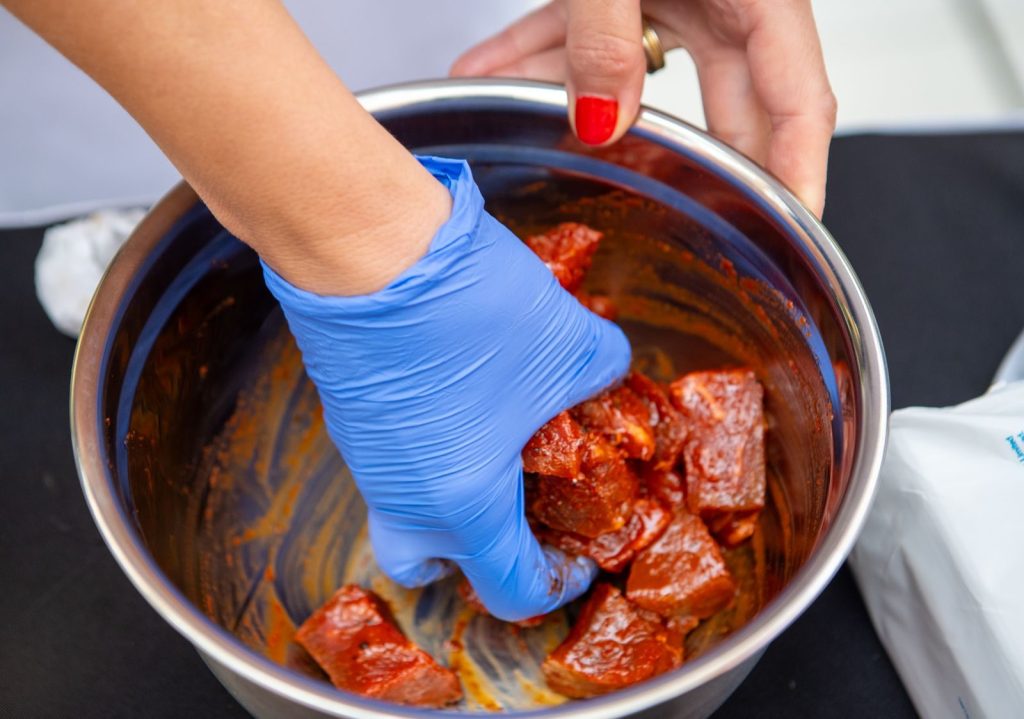
Whatever raw chicken or beef sat in transferred straight into that liquid, and pouring it over the cooked dish afterward brings that risk along with it. If you want to use it as a sauce, set a portion aside before the raw meat ever touches it, or bring the whole batch to a full boil first to make it safe again.
A Disposable Water Bottle Refilled Day After Day
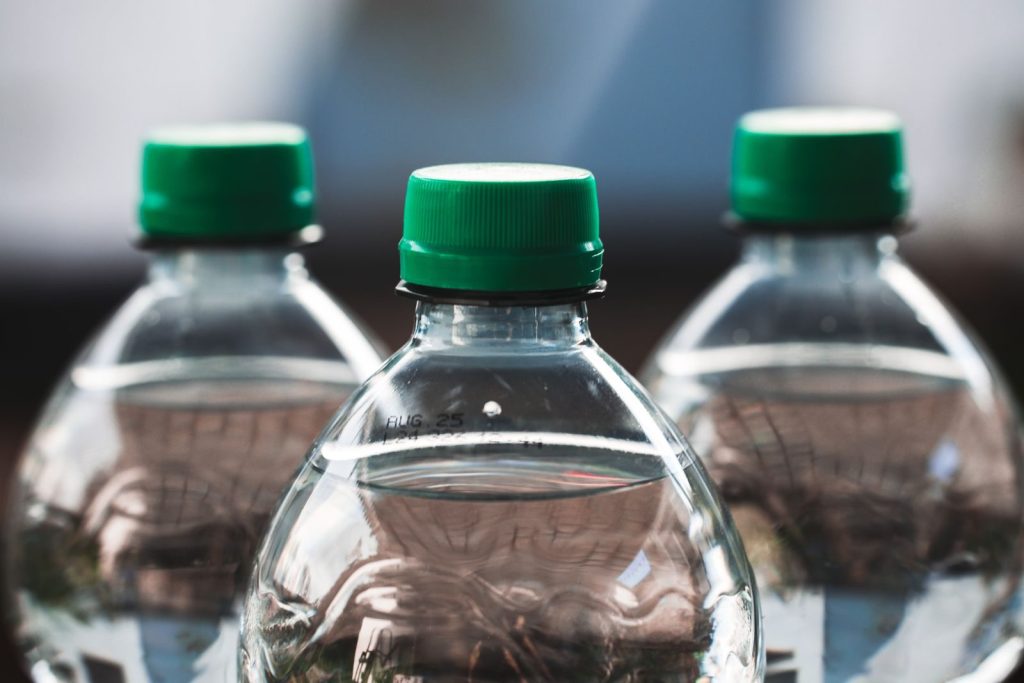
Thin single-use plastic isn’t built to be washed and refilled the way a reusable bottle is, and the cap threads in particular are nearly impossible to fully clean by hand, which is exactly where bacteria tend to build up. A real reusable bottle costs less over a month than replacing the same disposable one every single day.
Foil That Already Wrapped Raw Meat
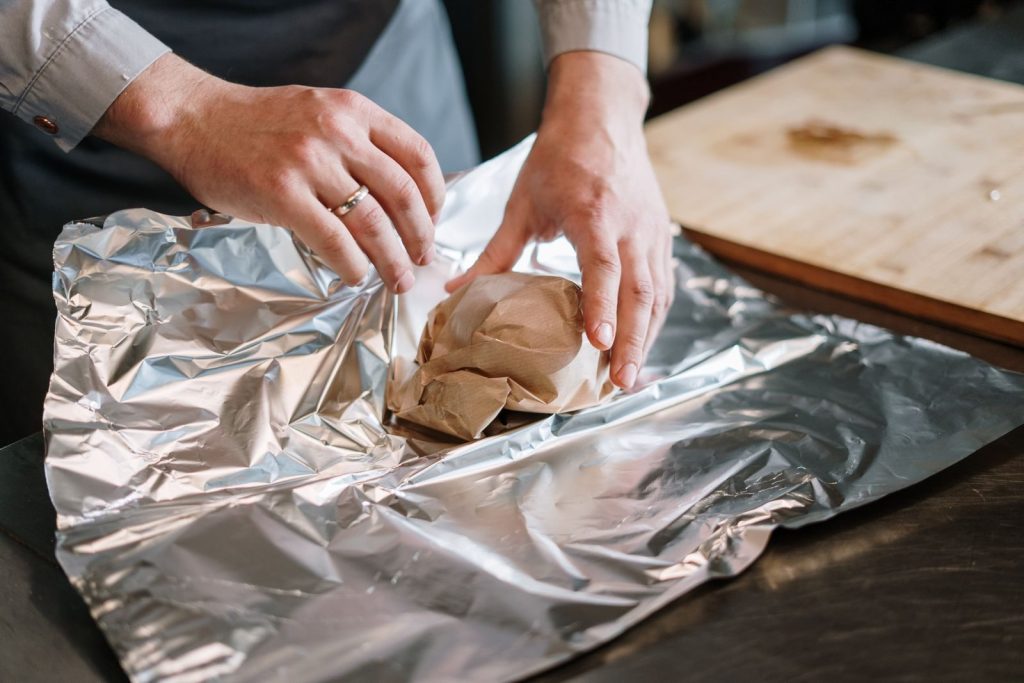
Foil that’s touched raw chicken or beef carries that risk on its surface, and the same sheet often has tiny tears from the first use that defeat the point of wrapping something a second time. A fresh sheet costs a few cents; the cleanup from cross-contamination costs a lot more.
An Old Pasta Sauce or Mayonnaise Jar Used for Home Canning
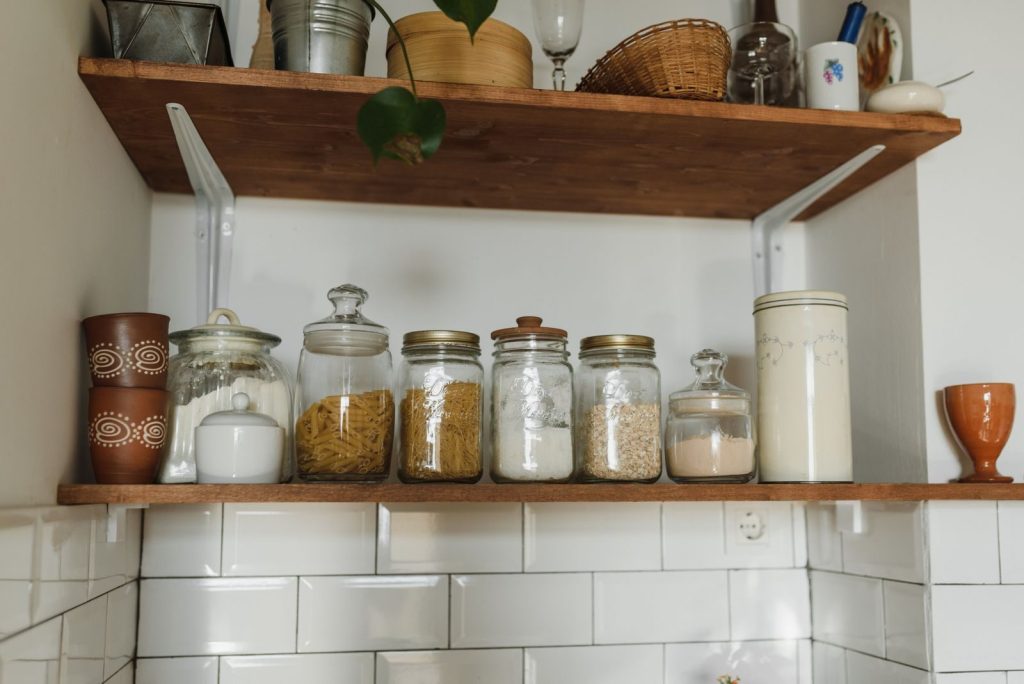
These jars are tempting to reuse since they look just like a canning jar, but their rims are thinner, and the glass isn’t tempered the same way, which adds up to a real risk of cracking or a seal that never fully forms during processing. Extension food-safety experts specifically advise against it, especially for pressure canning, since a failed seal here doesn’t just waste a jar, it risks spoiled food that looks fine on the shelf.
A Paper Towel Used to Wipe Up a Mess, Then Used Again
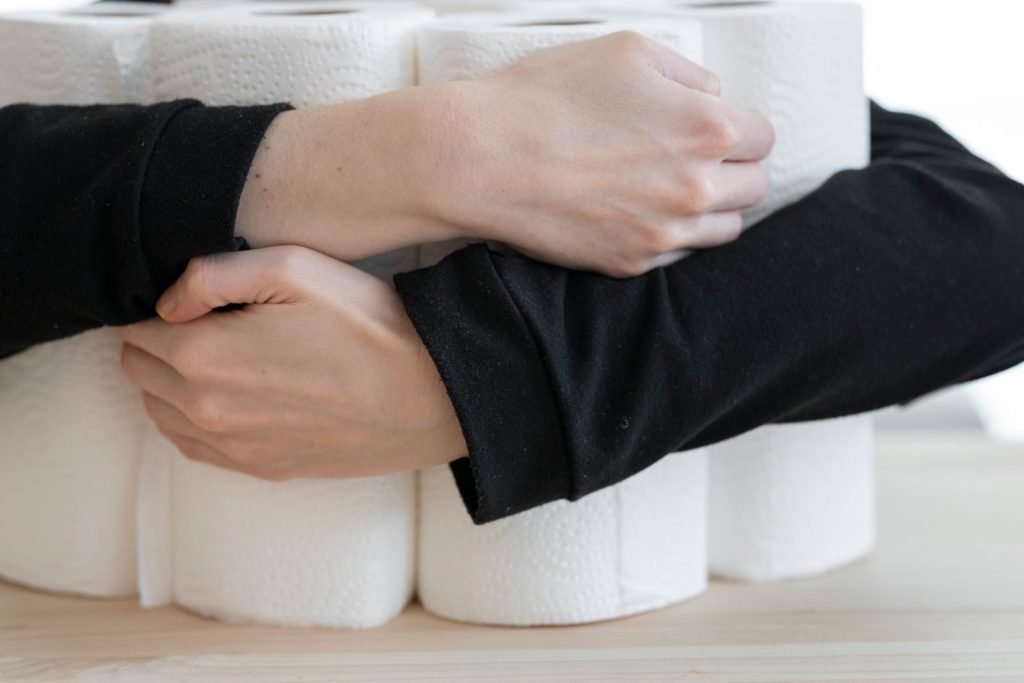
Once a paper towel has picked something up, raw meat juice, a spill, anything questionable, drying out doesn’t undo that. Reaching for the same one again just moves whatever it absorbed onto the next surface instead of actually cleaning it.
Disposable Chopsticks, Washed and Put Back Into Rotation
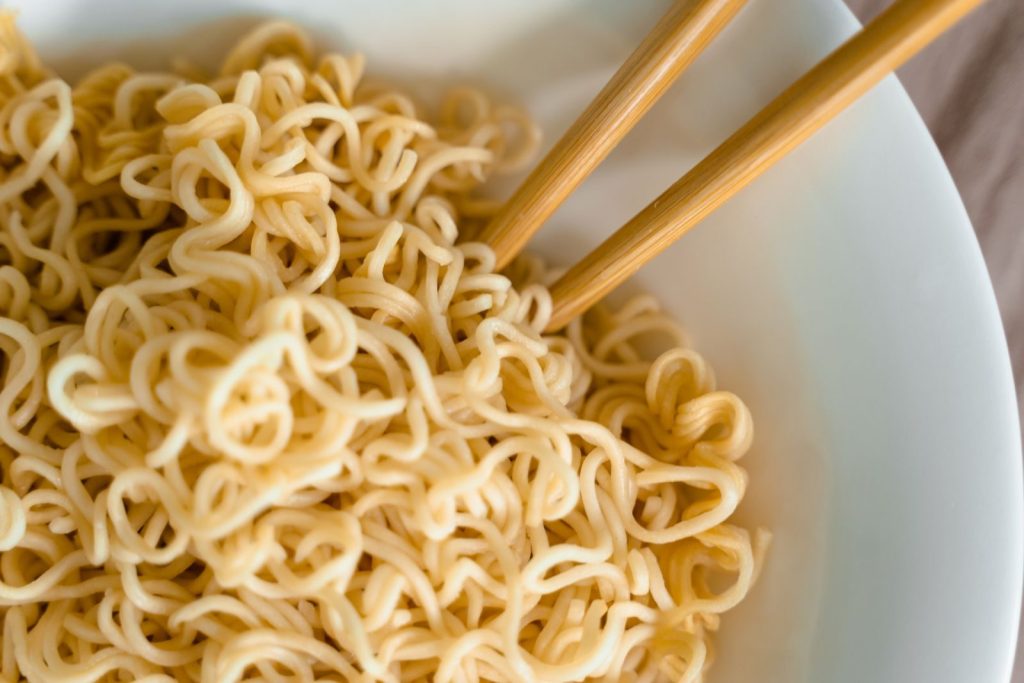
The bamboo or wood used for single-use chopsticks isn’t treated the way a reusable set is, so once they’ve absorbed water from washing, they’re more likely to harbor bacteria or develop mold in a way a proper reusable pair won’t. They’re genuinely meant for one use, even though the material makes them look durable enough for more.
A Condiment Bottle Topped Off Instead of Being Washed Out
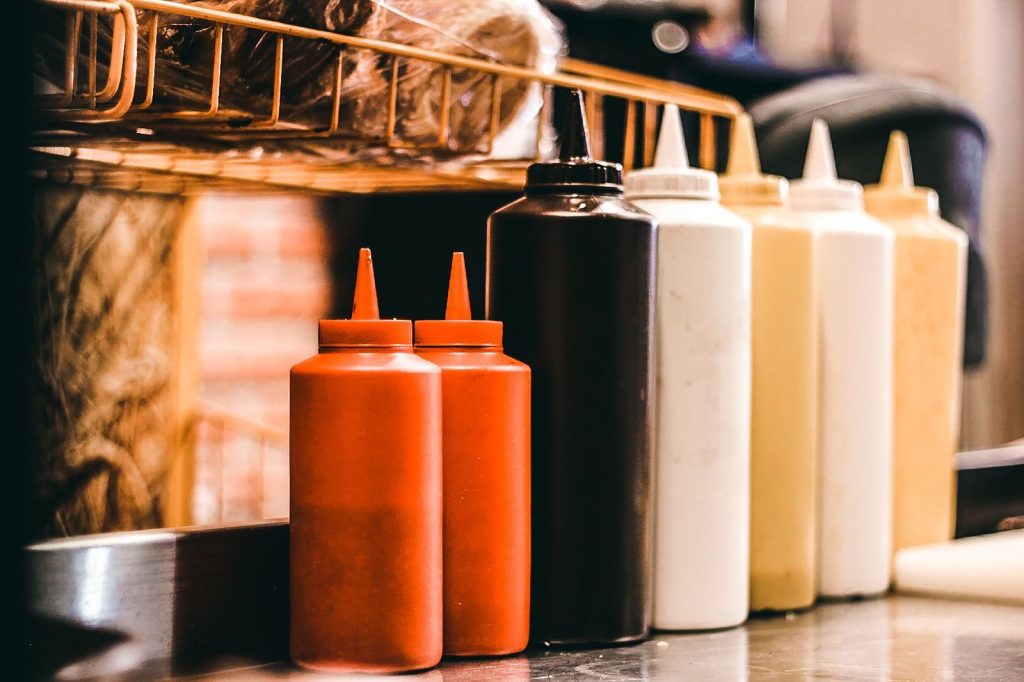
Squeezing a fresh batch of ketchup or syrup into a bottle that still has old residue at the bottom means that layer never actually gets cleaned, it just sits there mixing with whatever gets added on top of it. An occasional full wash between refills takes a minute and avoids letting that buildup go untouched for months at a time.
Resourceful and Risky Aren’t the Same Thing

Saving money and avoiding waste are genuinely good instincts; the issue is only with the specific items here that were never designed to be reused, or that quietly pick up contamination on the first use. Swap out the cheap, disposable ones regularly, and save the real reusing for things actually built to handle it.