

A lot of people treat a daily crossword or sudoku puzzle as their brain workout for the day, and researchers studying cognitive ageing have a blunt response to that: not every mentally engaging activity actually builds new neural pathways. The puzzles that genuinely protect long-term brain health share two specific qualities, real novelty and real difficulty, and a crossword you’ve gotten good at over the years usually has neither left to offer. None of this means crosswords are worthless; it means they shouldn’t be the only thing in the rotation.
Why Crosswords Stop Working Once You’ve Mastered Them
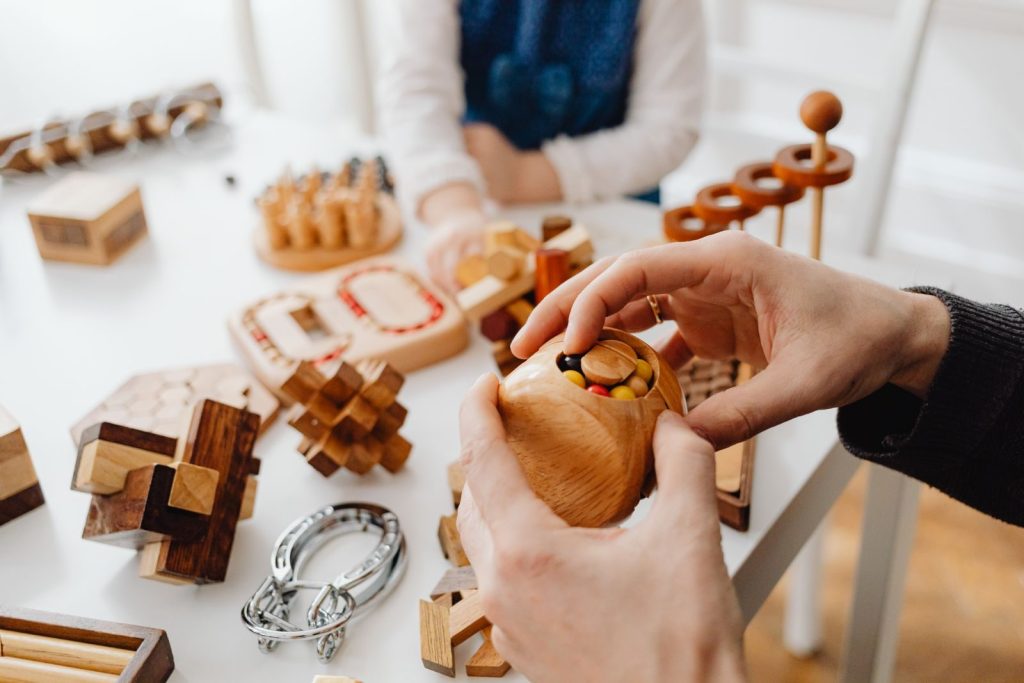
The brain changes most when it’s working through something genuinely unfamiliar, not when it’s executing a skill it already has on autopilot. A crossword you’ve done for years draws on vocabulary and pattern recognition you’ve already built, which makes it comfortable, but comfortable is exactly what stops driving new neural growth. The activity itself isn’t the problem, the staleness is.
Pick Something With an Actual Learning Curve

A new language, an instrument you’ve never touched, or even a cooking technique you’ve always avoided forces the brain to build connections that don’t exist yet, which is a fundamentally different kind of work than refining a skill you already have. It doesn’t need to be something dramatic, the size of the challenge matters less than the fact that it’s genuinely new to you.
Add a Second Task on Top of a Physical One

Naming objects out loud while on a walk, counting backward by sevens during a workout, or recalling a grocery list while exercising forces two systems to work at once instead of one running on autopilot while the other does the work. This kind of dual-tasking is harder than it sounds the first few times you try it, which is exactly the point.
Take an Unfamiliar Route on Purpose
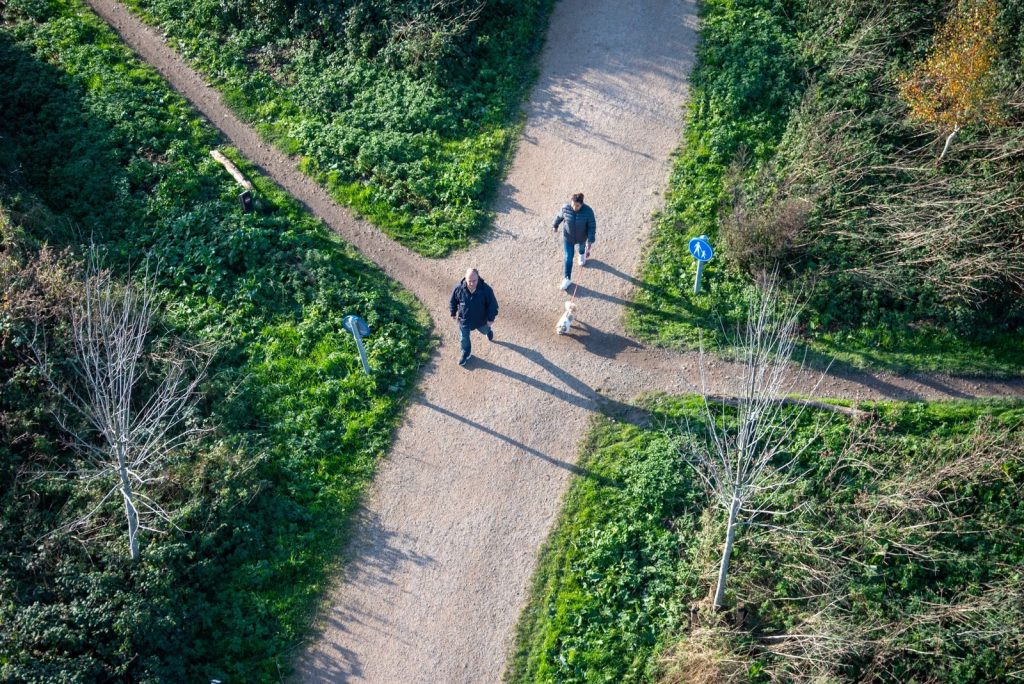
Finding your way somewhere new activates the brain’s spatial navigation system in a way that a familiar commute never does, since there’s nothing left to figure out on a route you’ve driven a thousand times. A different way home, a new trail, or even rearranging furniture so you have to navigate a room differently keeps that system genuinely working instead of coasting.
Choose Games That Require Strategy, Not Just Memory
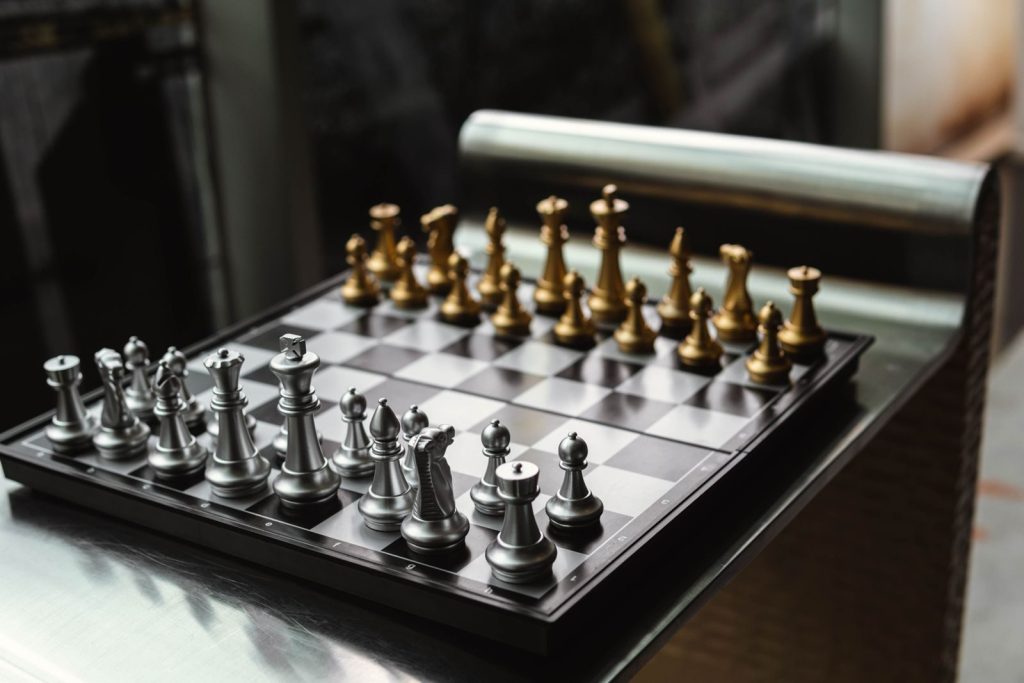
A game like chess, bridge, or strategic card games demands remembering what’s already happened, predicting what comes next, and adjusting your approach in real time, which is a meaningfully bigger lift than matching pairs or filling in a grid from memory. The unpredictability of playing against another person is part of what makes it work better than a solo, repeatable puzzle.
Make the Challenge Social Instead of Solo

A book club, a discussion group, or a class with other people requires listening, interpreting, and responding in ways a solitary activity never demands, stacking real cognitive effort on top of the social connection that’s already protective on its own. The combination does more than either piece would alone.
Notice When Something’s Gotten Easy, Then Make It Harder

Almost any activity on this list eventually becomes the next crossword, comfortable, familiar, and no longer much of a stretch, once you’ve been doing it long enough. Treat that comfort as a signal instead of a finish line: move up a skill level, switch instruments, or take on a harder version of the same game, since the goal is staying at the edge of your ability, not settling into a new routine.
The Goal Is Staying Uncomfortable, on Purpose

None of this requires hours of free time or a complete hobby overhaul, just choosing activities that still ask something of you instead of ones that have become second nature. A genuinely new skill, a tougher game, or even a different route home does more for long-term brain health than another year of the same comfortable puzzle.