

There’s a single move that separates a forgettable can of vegetables from something a chef would actually plate, and it has nothing to do with the vegetables themselves. It’s about what happens in the pan before they ever reach the plate, a few minutes of real cooking technique instead of just a reheat. None of these moves requires special equipment or a trip to a speciality store, just a different way of thinking about a can you already have in the pantry.
Get the Butter to the Exact Right Stage
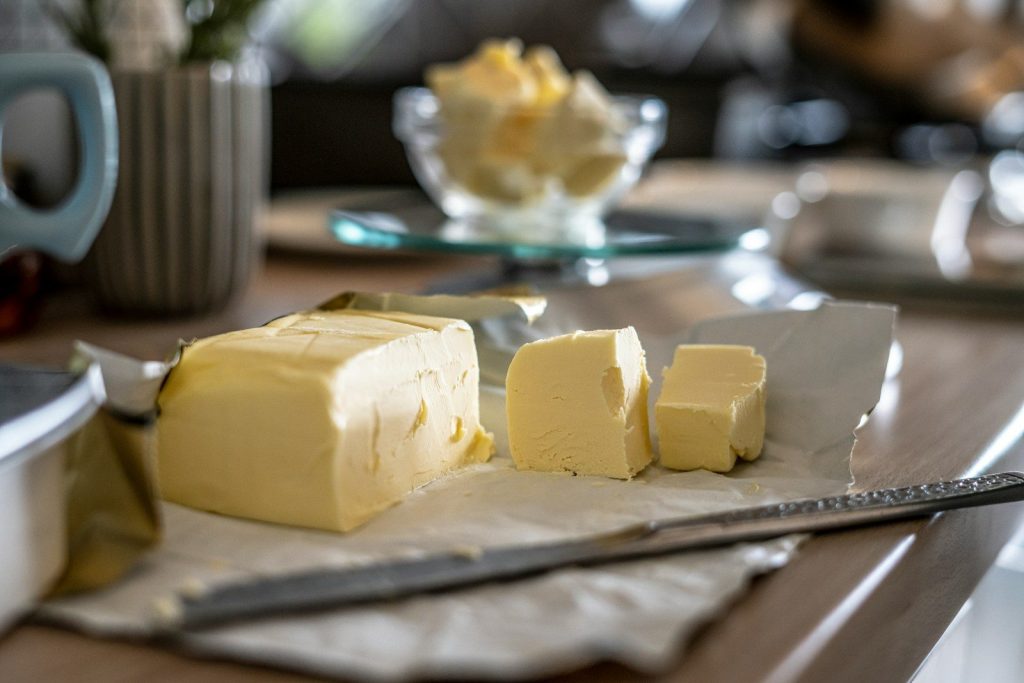
The single most important moment in this whole technique happens before the vegetables even touch the pan. Melt the butter over medium heat and wait until the foam settles down, right at the edge of browning but before it actually does, that narrow window is where the butter develops a nutty depth plain melted butter never reaches. Add the vegetables a beat too early or too late and you lose most of the effect.
Drain Well, and Don’t Pour the Liquid Down the Drain
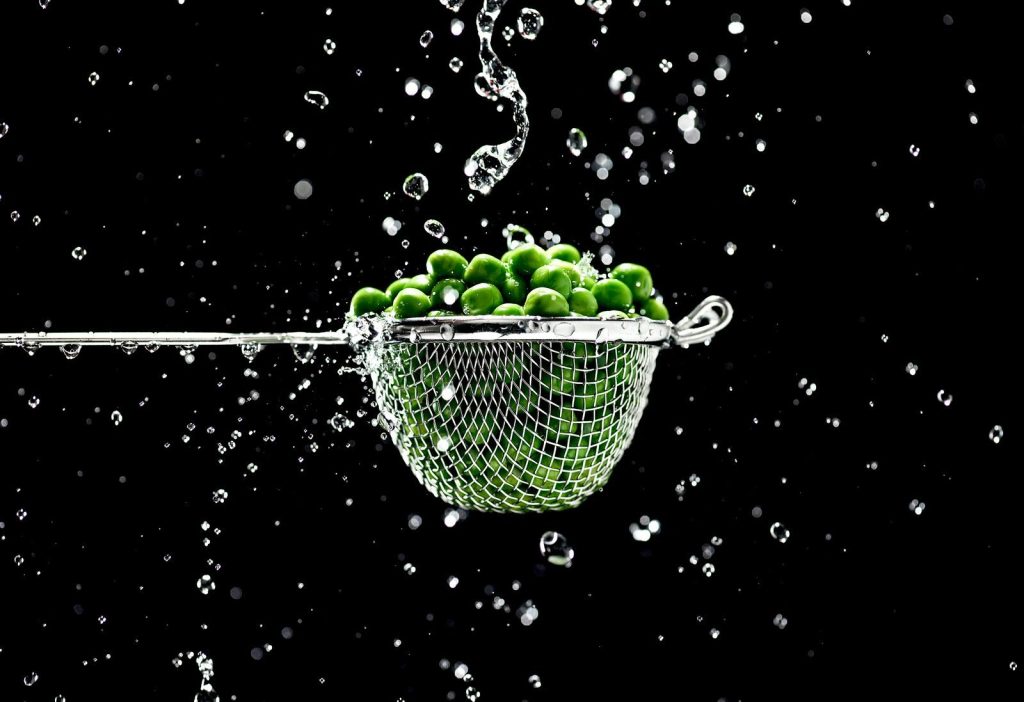
Vegetables that go into the pan still wet from the can steam instead of browning, which defeats the entire point. Drain them thoroughly first, pat them dry if you want to be precise about it, and set the canning liquid aside instead of tossing it. That liquid carries real flavor and works beautifully stirred into a soup, gravy, or pan sauce later instead of going to waste.
Give Certain Vegetables a Quick Rinse First
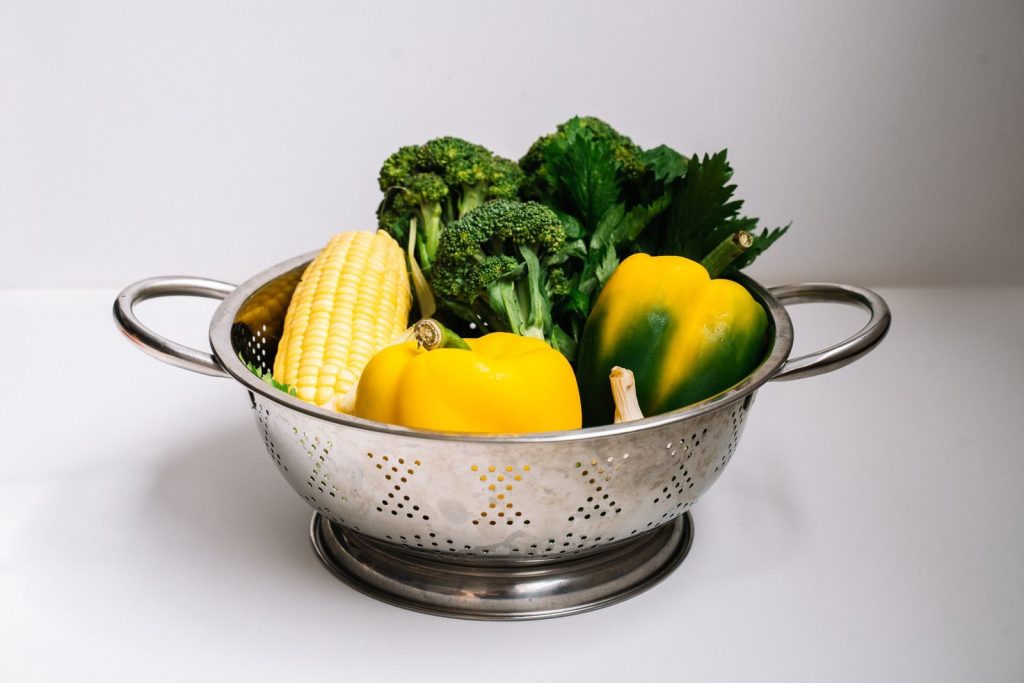
Not every canned vegetable needs this, but corn, green beans, and peas specifically carry a metallic, tinny taste straight from the can that a rinse under cold water noticeably softens before they hit the hot fat. Vegetables packed in a thicker sauce or tomato base, on the other hand, are better left as is, since that liquid is often doing useful work in the final dish.
Swap the Fat to Match What You’re Making
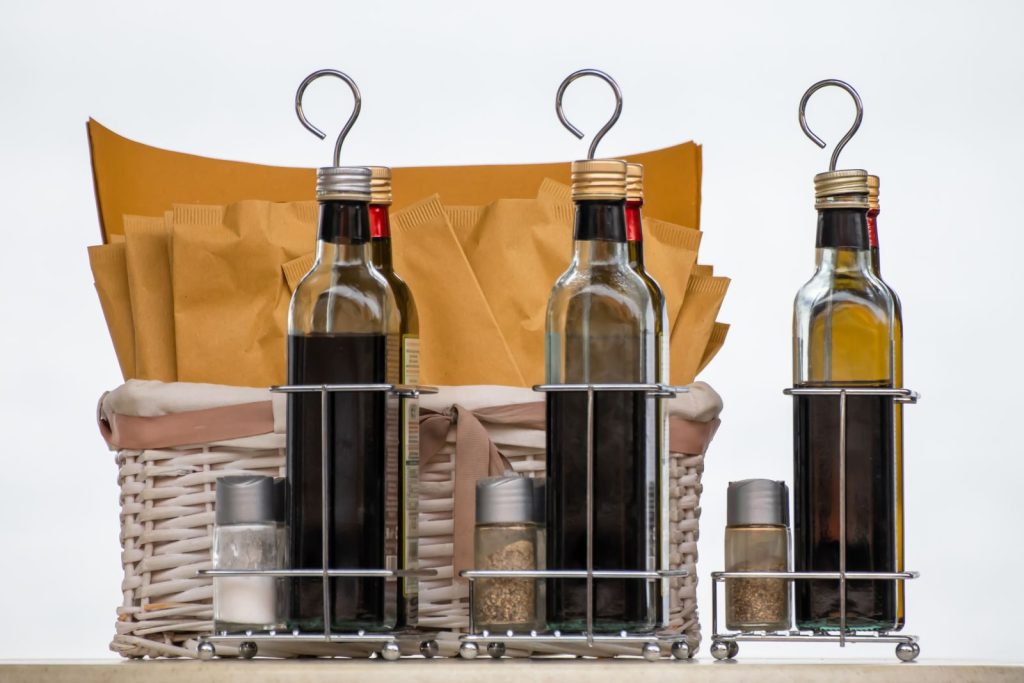
Butter is the classic choice, but it’s not the only one. Olive oil pulls the same vegetables toward a Mediterranean direction, bacon grease adds a smoky, savory backbone that works well stirred into beans or greens, and a neutral oil keeps things simple if you want the vegetable’s own flavor to lead. The browning technique stays exactly the same, only the fat changes the direction it takes the dish.
Build a Flavour Base With Aromatics First
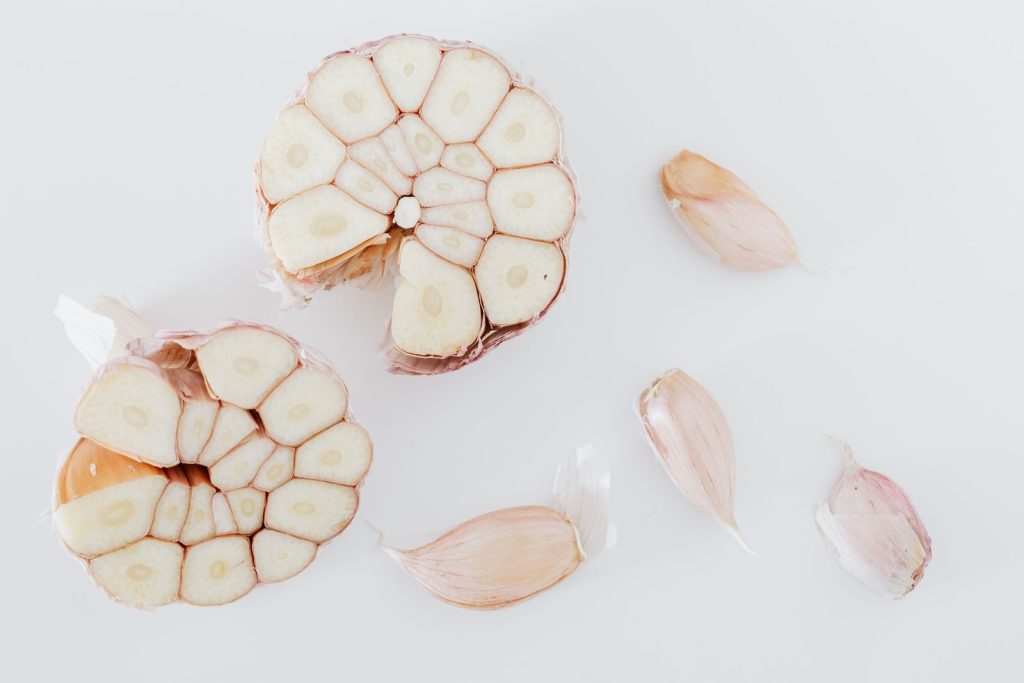
Before the vegetables go in, give the hot fat a head start with something aromatic, a smashed garlic clove, a few thin slices of shallot, or even a pinch of red pepper flakes. By the time the vegetables hit the pan, they’re absorbing flavour from the fat itself, not just picking up colour, which is most of what separates a side dish that tastes intentional from one that tastes like an afterthought.
Finish With Acid, Not Just Salt
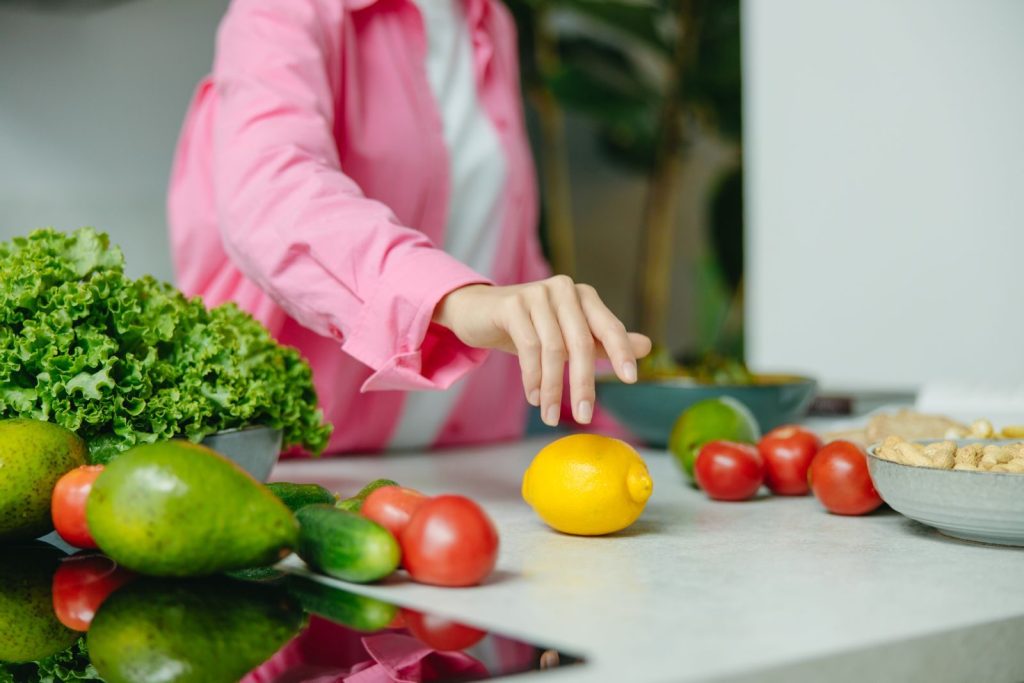
Browned butter and caramelized edges add richness, but richness without contrast can taste flat. A squeeze of lemon juice or a small splash of vinegar right at the end cuts through that richness and wakes the whole dish back up, the same finishing move restaurant kitchens lean on constantly and home cooks tend to skip entirely.
Use Them as a Flavour Base, Not Just a Side
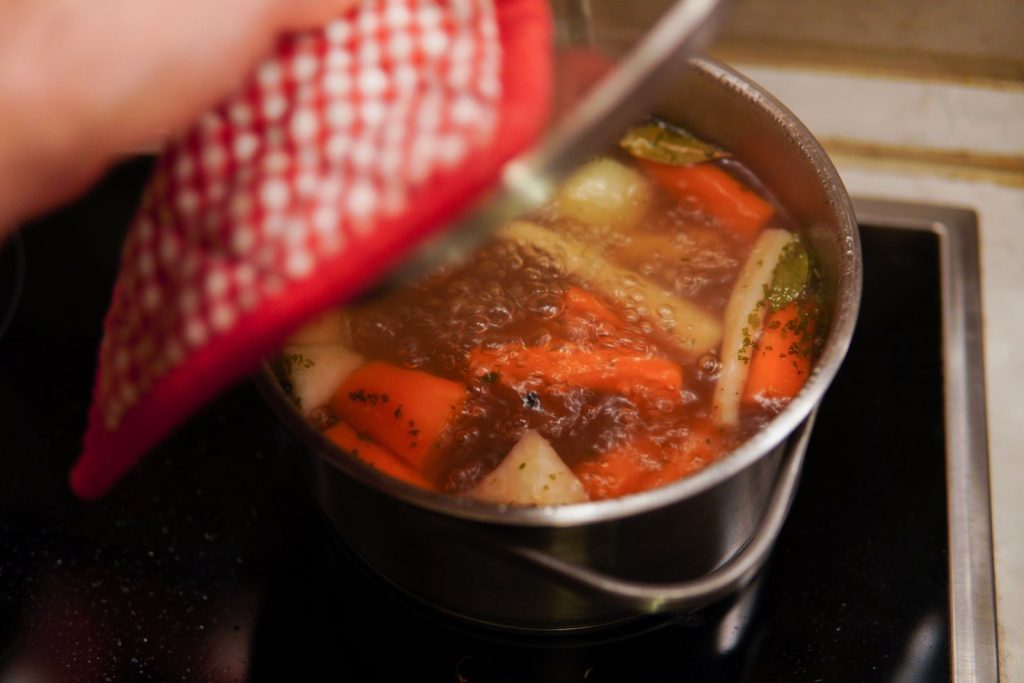
Once browned, these vegetables don’t have to stay a standalone side dish. Stir them into a simmering stew, fold them into pasta sauce, drop them into chilli, or toss them through a grain bowl; the browning flavour carries through into whatever they’re added to, doing more work for the final dish than a can of plain, unseasoned vegetables ever could.
A Pantry Staple, Treated Like It Matters
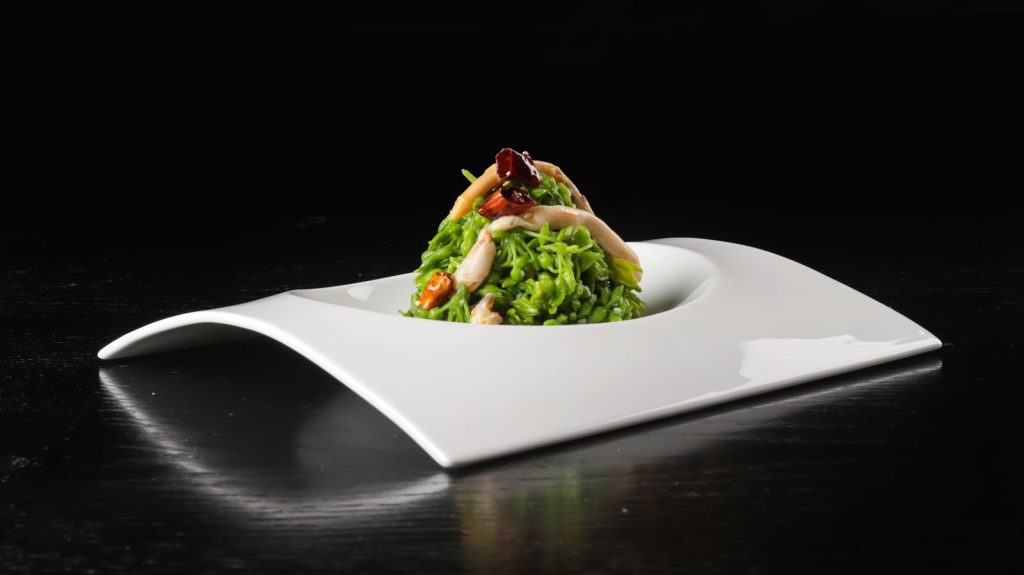
None of this requires a specialty ingredient or a complicated recipe, just a few extra minutes of attention to a can most people open and dump straight into a pot. Get the butter right, drain properly, and finish with something bright, and the same canned vegetables that usually disappear into a meal unnoticed start tasting like they were the point all along.