

Many people can make it through the day without thinking much about dessert, only to find themselves searching the pantry for cookies, chocolate, or ice cream after dinner. While occasional cravings are completely normal, persistent evening urges for something sweet may have underlying causes. Understanding what is driving those cravings can help you make choices that leave you feeling more satisfied throughout the day.
1. You Didn’t Eat Enough During The Day

Skipping meals or eating very little during the day can catch up with you in the evening. By nighttime, your body may be looking for a quick source of energy, making sugary foods especially appealing.
A balanced breakfast and lunch can help prevent extreme hunger later in the day.
2. Your Meals Lack Protein

Protein helps promote feelings of fullness and satisfaction. If your meals are low in protein, you may find yourself feeling hungry again soon after eating.
Adding foods such as eggs, yogurt, fish, beans, or lean meats to meals may help reduce the urge to snack on sweets later.
3. You’re Not Getting Enough Sleep

Sleep plays an important role in regulating hunger and appetite. Research has shown that poor sleep can influence hormones that affect food cravings.
After a restless night, sugary snacks may seem particularly tempting during the evening hours.
4. Stress Is Catching Up With You

A stressful day can leave many people reaching for comfort foods at night. Sweet treats often become associated with relaxation, rewards, or emotional relief.
Finding other ways to unwind may help break the connection between stress and sugary snacks.
5. You’re Dehydrated

Sometimes thirst can be mistaken for hunger. Mild dehydration may leave you feeling unsatisfied even after eating, leading to unnecessary snacking.
Drinking water throughout the day can help support normal appetite signals.
6. You Eat Out Of Habit

For some people, dessert has become part of the nightly routine. Over time, the brain begins to expect something sweet at a certain hour, even when physical hunger is not present.
Recognizing habitual eating patterns can make them easier to change.
7. Your Diet Is Low In Fiber

Fiber helps slow digestion and supports longer-lasting fullness. Meals lacking fiber may leave you feeling hungry sooner than expected.
Foods such as fruits, vegetables, beans, and whole grains can help create a greater sense of satisfaction after meals.
8. You’re Looking For A Mental Boost

After a long day, many people turn to sweets for a quick mood lift. Sugar can feel rewarding in the moment, which helps explain why cravings often appear during the evening when energy levels start to dip.
Activities such as reading, taking a walk, or talking with friends can provide a similar sense of enjoyment without relying on food.
Understanding Your Cravings
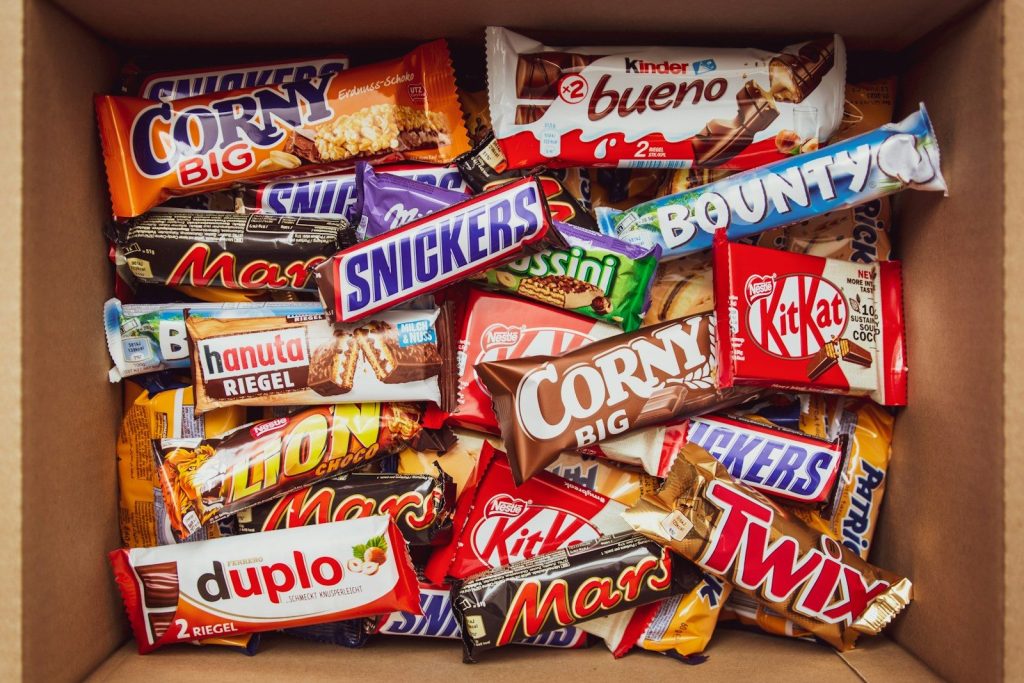
Evening cravings for sweets are often influenced by a combination of habits, hunger, sleep, and lifestyle factors. Paying attention to when cravings occur and what may be triggering them can provide valuable insight. Small adjustments throughout the day may help you feel more satisfied and reduce the urge to reach for sugary snacks every night.