

Even sheets that look perfectly clean are quietly host to dust mites feeding on the skin cells everyone sheds overnight, along with sweat, body oil, and a layer of bacteria that builds up far faster than most people assume. None of this is a reason to feel disgusted by your own bed; it’s just biology, and pretty much everyone’s sheets work the same way. The fixes are mostly about technique, not extra effort, washing smarter rather than washing more.
Wash on the Hottest Setting Your Fabric Can Handle
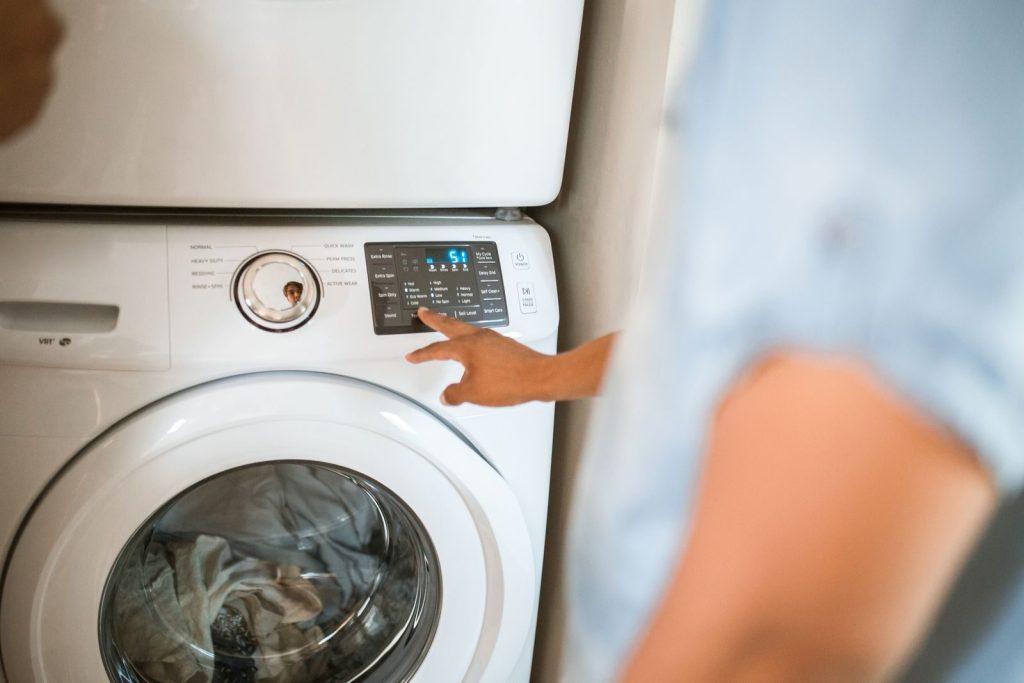
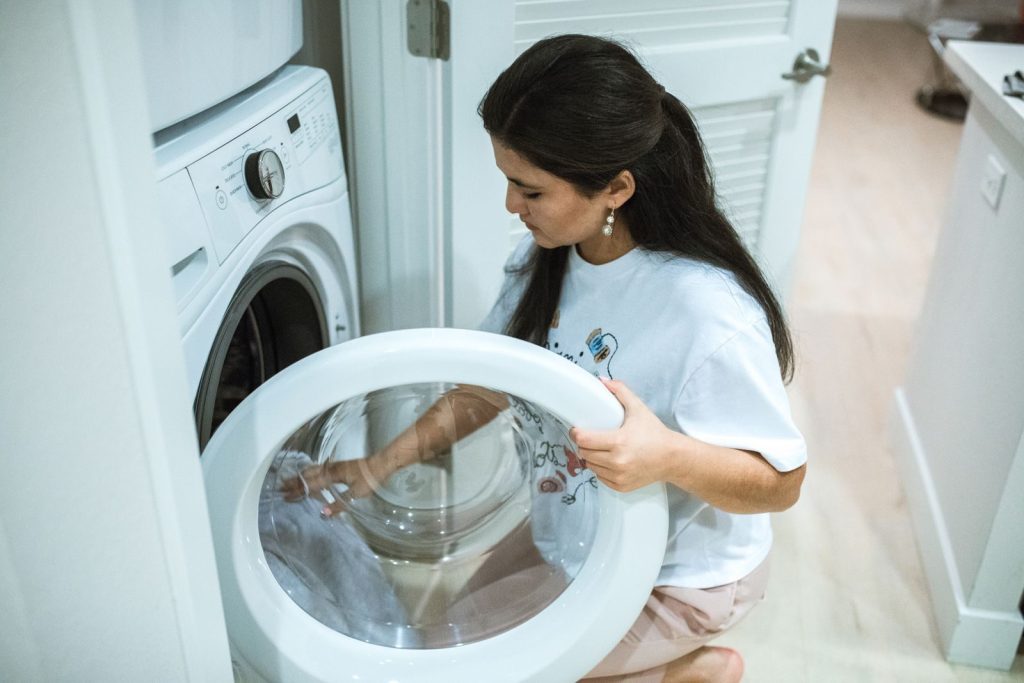
Detergent alone doesn’t kill dust mites or most bacteria, heat does. A cool or warm wash mostly just relocates everything around the fabric rather than eliminating it, while the hottest setting your sheets are rated for actually breaks down what’s accumulated. Check the care label first, since some fabrics wear out faster at high heat, but for standard cotton blends, going hotter is the difference that actually matters.
Don’t Make Your Bed the Moment You Wake Up

It sounds backwards, but pulling the covers up immediately traps the moisture your body loses overnight underneath them, and trapped moisture is exactly the humid environment dust mites need to thrive. Leaving the bed open and unmade for a while lets that moisture evaporate into the room instead, which makes the whole mattress a noticeably less hospitable place for them to multiply.
Dry With Real Heat, Not Just Air
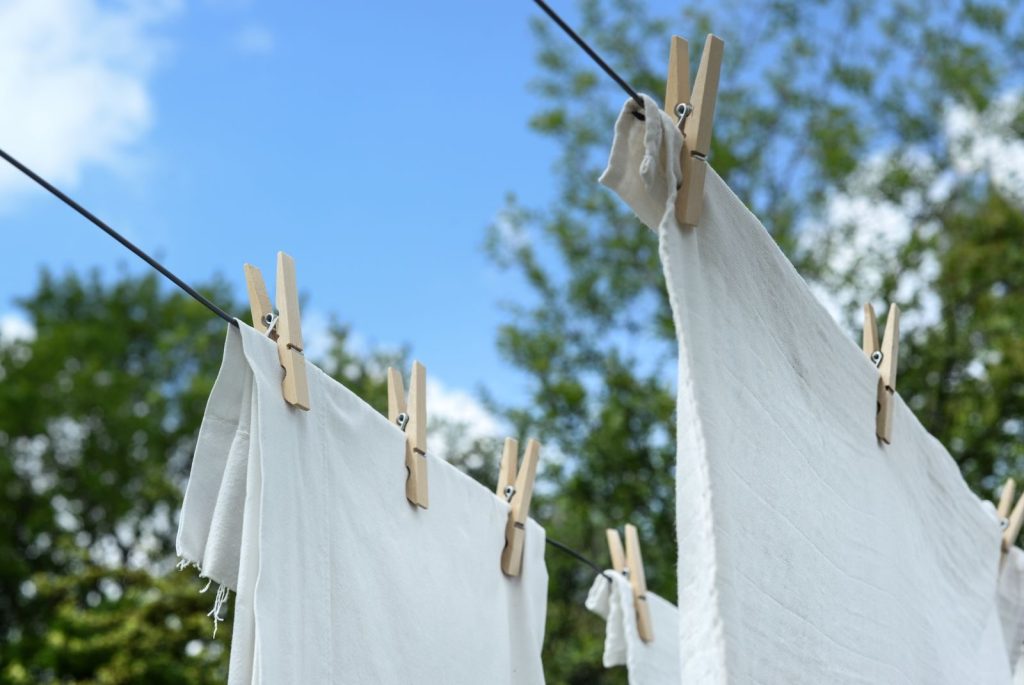
A cool air-dry leaves a lot of what washing was supposed to remove still clinging to the fibers. Drying on the highest heat your fabric allows, or hanging sheets in direct sunlight when you can, finishes the job that detergent and water started, since both heat and UV exposure work against what a gentle dry cycle leaves behind.
Vacuum the Mattress, Not Just the Sheets
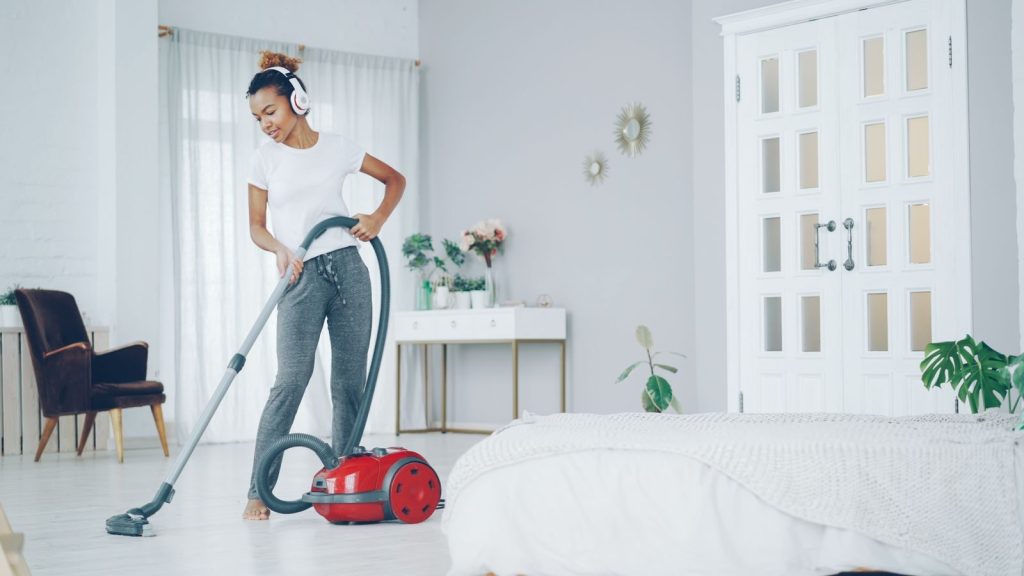
Washing your sheets does nothing for what’s built up directly on the mattress surface underneath them. A pass with your vacuum’s upholstery attachment, every time you change the sheets, pulls out the skin cells and dust that have worked their way through to the mattress itself, the exact food source that keeps the cycle going.
Add a Washable Protector You Actually Wash
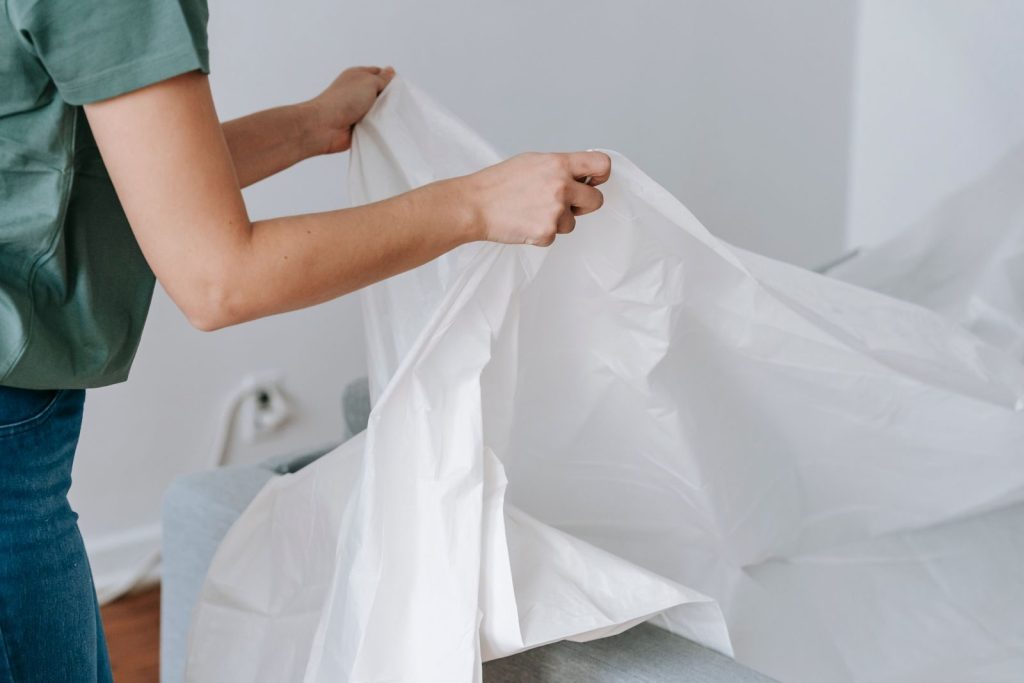
A mattress and pillow protector works as a barrier that catches buildup before it reaches fabric you can’t easily clean, but only if you actually wash the protector itself on a regular basis. Treating it as a one-time purchase instead of another piece of laundry defeats most of the point.
Your Pillow Needs Its Own Wash, Not Just the Case
A pillowcase only covers what’s happening inside the pillow; it doesn’t stop it. Sweat, oil, and skin cells work their way through the fabric over time, so the pillow itself needs an occasional wash too. Check the care label for whether it’s machine-washable, and eventually, a full replacement after long-term use, since buildup inside a pillow isn’t something laundering can fully reverse forever.
Give Pets Their Own Spot, or Wash More Often If They Share Yours
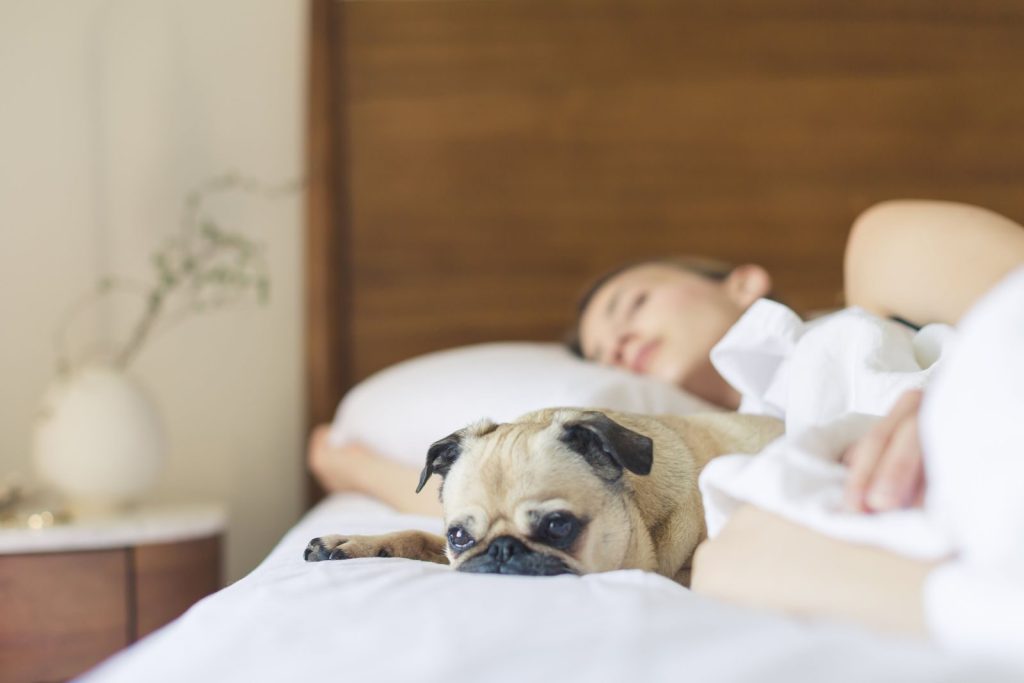
A pet sleeping in the bed adds hair, dander, and whatever they tracked in from outside straight into the mix. A separate pet bed solves it cleanly, but if that’s not happening, shortening the wash interval specifically because of a shared bed keeps that extra variable from compounding everything else on this list.
Cleaner Sheets Without Doing More Laundry
None of this means washing constantly, it means making the washes you already do count for more. Hotter water, real heat when drying, a vacuum pass on the mattress itself, and a protector you actually launder cover most of what builds up, without adding a single extra trip to the laundry room.