

“Forever chemicals” sounds like something that belongs in a factory, not a fruit bowl, but PFAS, the chemical group behind that nickname, has turned up in recent pesticide testing on a surprising range of everyday produce, with stone fruit like peaches, nectarines, and plums showing up as some of the most frequently affected. Worth knowing upfront: not everyone agrees that the label fits perfectly here; environmental groups classify the fungicide behind those stone fruit results as a PFAS, while some regulators draw that line differently. Either way, none of this means you should stop eating fruits and vegetables; health researchers are still clear that the benefits of eating produce far outweigh the risk at typical exposure levels. It does mean a few small shopping and prep habits can meaningfully cut down what ends up on your plate.
Know Which Produce Tends to Test Highest
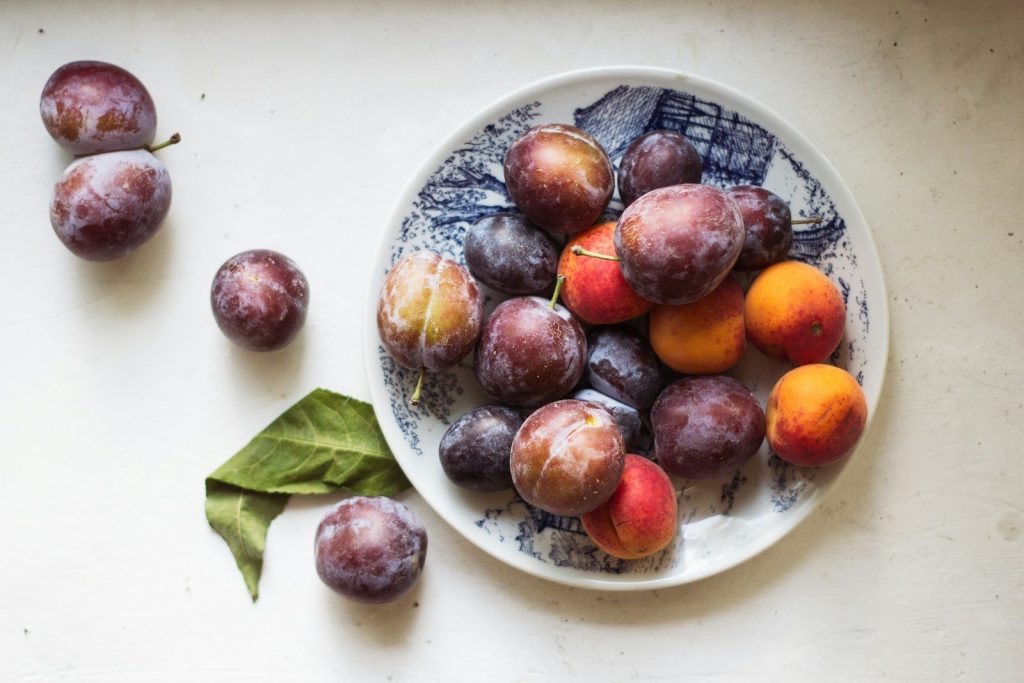
Stone fruit consistently comes up as one of the most affected categories in recent testing, largely because of a fungicide sprayed on after harvest to keep mould from spreading during storage and shipping. Berries, cherries, and grapes also show up often, while items like pineapple, avocado, onion, and cabbage tend to test much cleaner. Knowing which categories run higher lets you focus your effort where it actually matters instead of stressing over every piece of produce in the cart.
Understand What Washing Actually Removes
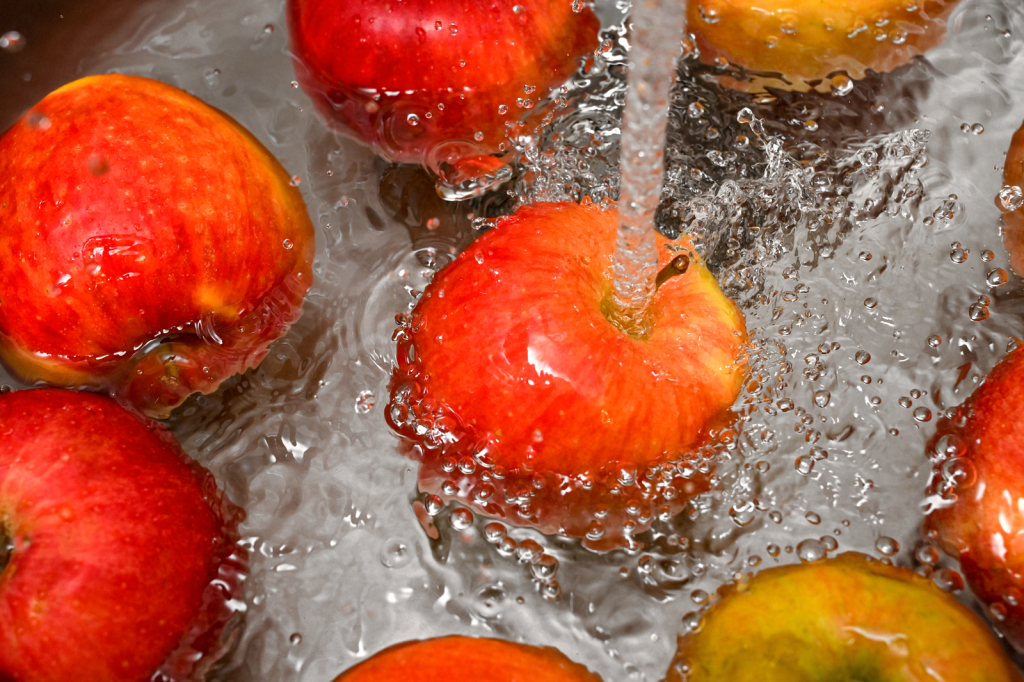
Not all PFAS contamination behaves the same way, and that distinction matters more than most produce advice admits. A fungicide sprayed onto the surface after harvest, like the one found on stone fruit, can genuinely be reduced by washing and peeling. But PFAS that a plant absorbs through its roots from contaminated soil or irrigation water becomes part of the plant’s own tissue, and no amount of rinsing pulls that back out. Knowing which type you’re dealing with keeps you from over-relying on a rinse that was never going to solve the problem.
Give High-Risk Produce a Real Soak, Not a Splash
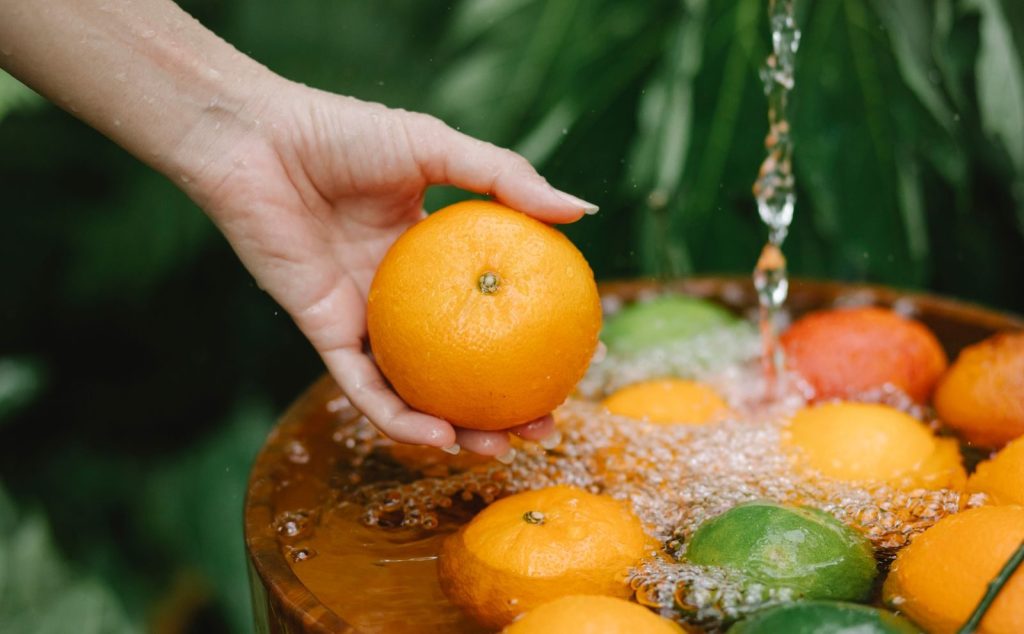
A few seconds under the tap barely disturbs surface residue. A short soak in water with a spoonful of baking soda, followed by a firm scrub with a produce brush or your hands, removes meaningfully more than a quick rinse does, especially on stone fruit and grapes, where the residue sits right on the skin. Dry it off afterwards instead of letting it air dry, since the wiping motion itself lifts off a bit more.
Peel the Worst Offenders When You Can
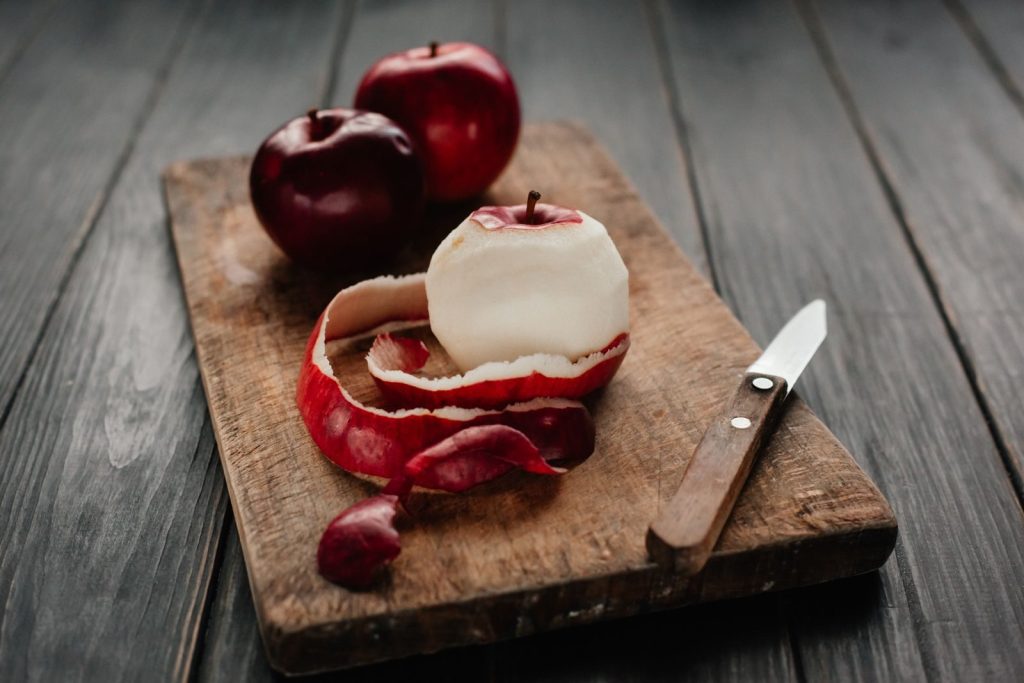
Peeling won’t help with anything a plant has absorbed internally, but for surface-level residue, it removes the layer where most of it concentrates. Stone fruit, apples, and cucumbers are easy candidates here; you lose a bit of fiber and nutrients in the skin, but for produce you already know tests high, it’s a reasonable trade-off on the days you’d rather not think about it.
Ask the Grower Directly at a Farmers Market
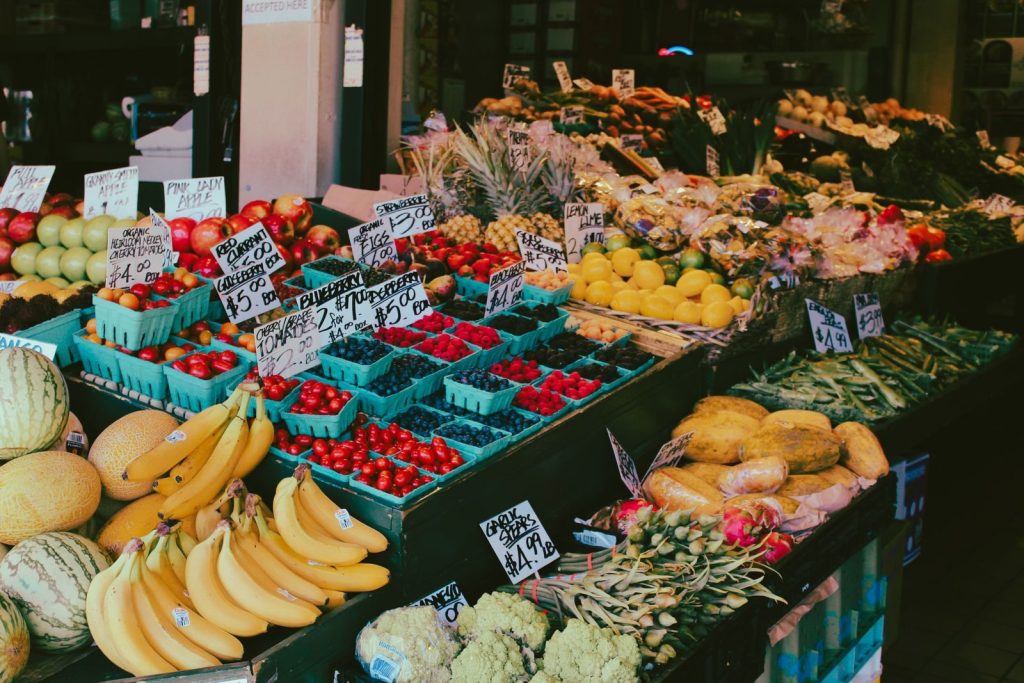
A grocery store shelf can’t answer questions, but a farmer at a market stand can. Asking what’s sprayed on stone fruit or berries before harvest, and especially what’s applied after picking to extend shelf life, gets you information no label is required to disclose. It also tends to steer you toward smaller operations that rely less on the post-harvest treatments large commercial supply chains use to survive long shipping times.
Swap In a Few Lower-Risk Picks for Routine Buys
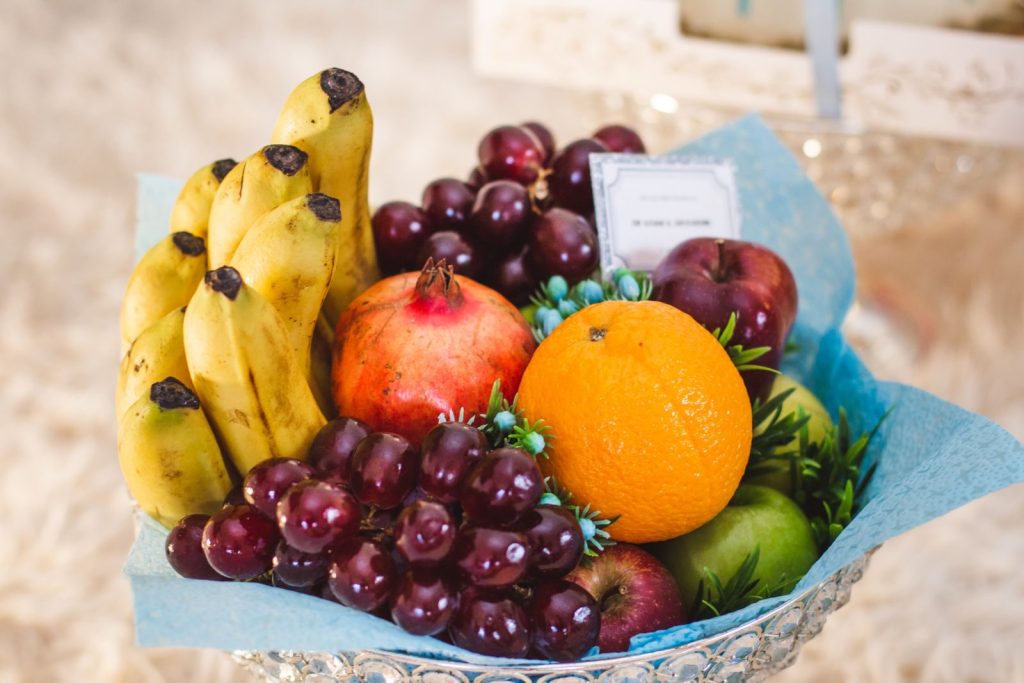
You don’t need to overhaul your grocery list, just shift a few regular purchases. If berries or stone fruit are a weekly habit, rotating in produce that consistently tests cleaner, things like bananas, watermelon, mango, and kiwi, cuts your overall exposure without asking you to give up the categories you actually use most.
Spend Your Organic Budget on the Worst Offenders, Not Everything
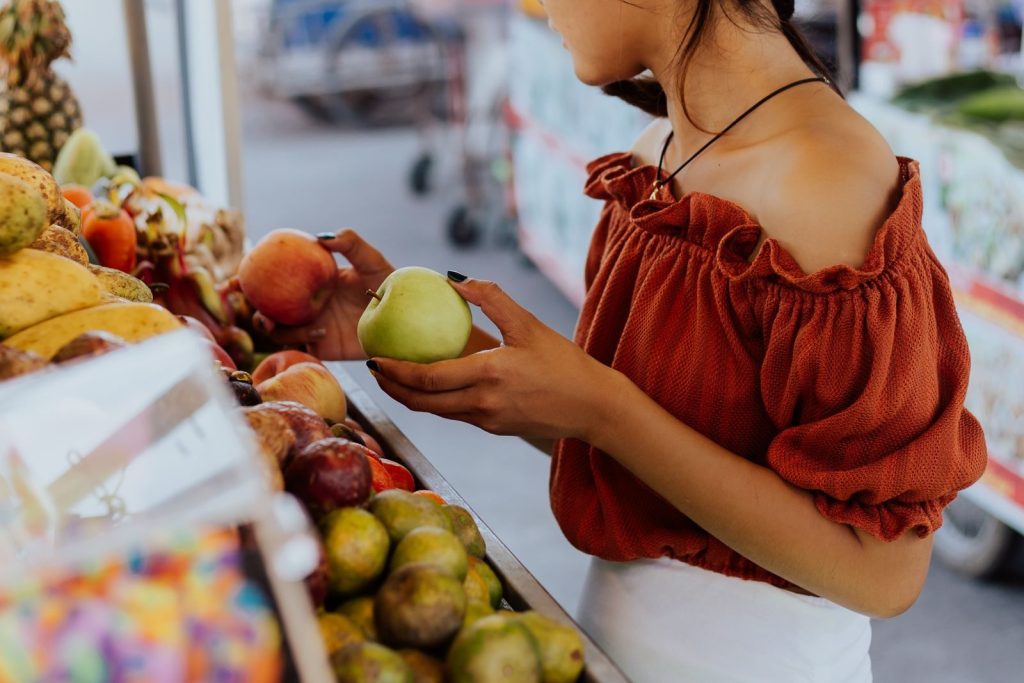
Going fully organic gets expensive fast, but organic standards prohibit the synthetic pesticides showing up in this testing, which makes strategic spending more useful than blanket spending. Put the organic budget toward stone fruit, strawberries, and grapes specifically, and feel free to buy the cleaner-testing categories conventional, since the difference there is much smaller.
Small Habits, Not a Full Overhaul
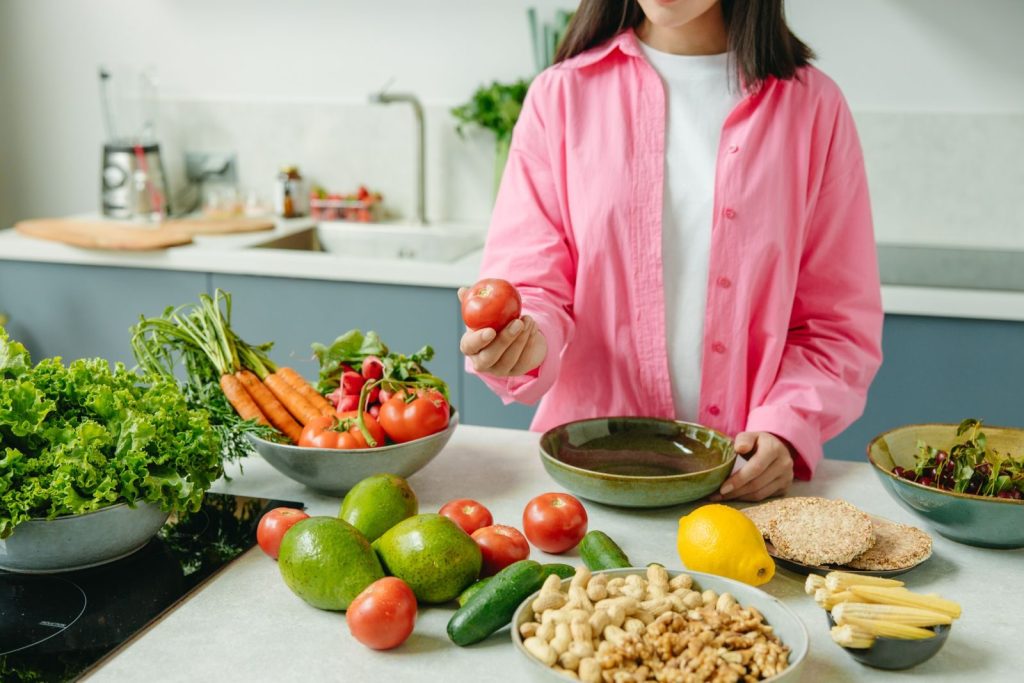
None of this is a reason to eat less fruit and fewer vegetables; researchers are consistent that walking away from produce altogether is a worse outcome than the exposure these habits address. A soak instead of a splash, a peel where it makes sense, and a little more intention about where stone fruit and berries come from gets you most of the benefit without turning grocery shopping into a research project.