

Every kitchen has its debates. Whether something should be rinsed before cooking, whether the pan should be hot before the oil goes in, whether resting meat actually makes a difference or is just something chefs say to sound authoritative. These arguments have been running at dinner tables and in cooking forums for decades, mostly because the answers were buried in food science that nobody bothered to translate into plain language. Here is what the science and the professionals actually agree on, stated plainly and without qualification.
Rinsing Rice Depends Entirely on What You Are Making, Not on a Universal Rule
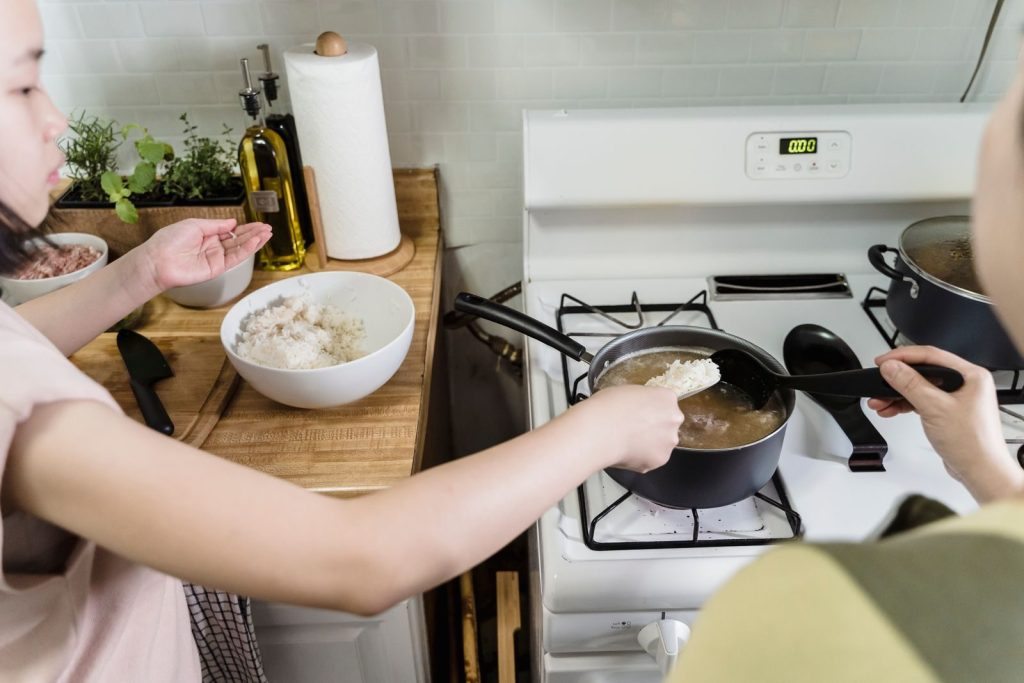
The rice rinsing debate exists because both sides are right in different contexts. Rinsing removes excess surface starch, which produces separate, distinct grains ideal for pilaf, fried rice, or any dish where individual grains matter. Not rinsing keeps that surface starch intact, which is exactly what creates the creamy, cohesive texture that makes a proper risotto or rice pudding work. The debate was never about which approach is correct. It was about the fact that neither approach is universally correct, and understanding why each one exists makes the choice obvious before the water is ever turned on.
Salting Pasta Water Is Not About Flavor, It Is About Structural Integrity
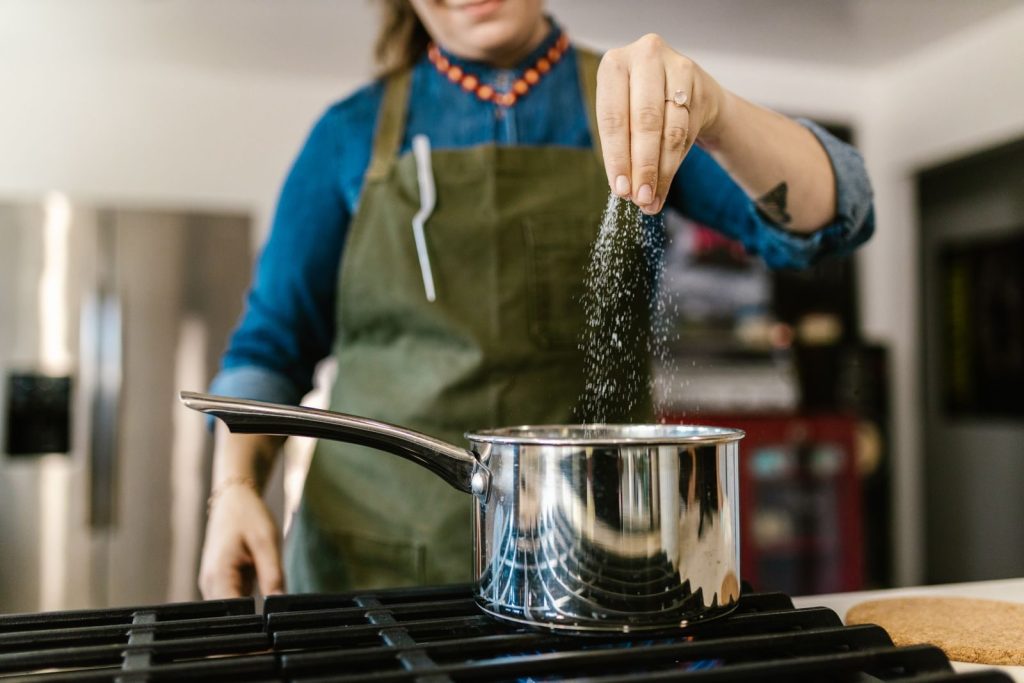
The instruction to salt pasta water is one of the most repeated pieces of cooking advice and also one of the least understood. Salt raises the boiling point of water only marginally, which is not the point. What it actually does is strengthen the gluten network in pasta as it cooks, which produces a firmer texture that holds its shape better, absorbs sauce more evenly, and resists becoming mushy if the pasta sits for a few minutes after draining. Under-salted pasta water produces structurally weaker pasta regardless of how carefully the cooking time is followed.
Oil in Pasta Water Does Nothing Useful and Actually Creates a Problem
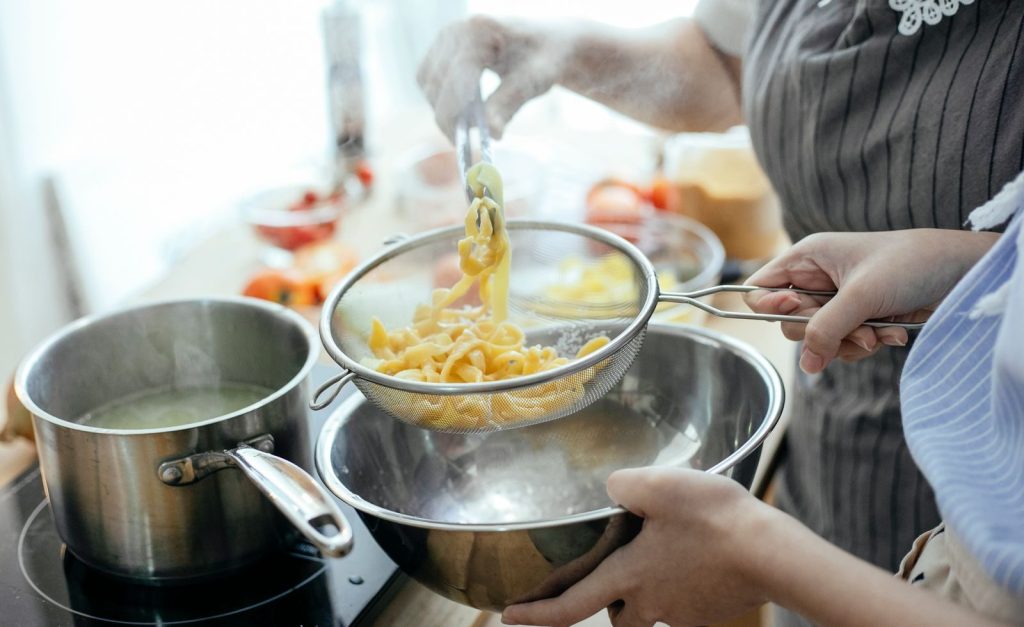
Adding oil to pasta cooking water is one of the most widespread cooking myths in any home kitchen. The oil floats on the surface throughout cooking and never contacts the pasta until draining, at which point it coats the outside of each strand with a thin layer that prevents sauce from adhering properly. The result is pasta that slides around in whatever sauce it is served with rather than absorbing it. The only solution to pasta sticking together after draining is tossing it immediately with the sauce rather than letting it sit in a colander.
Resting Meat After Cooking Is Not Optional and the Science Explains Exactly Why
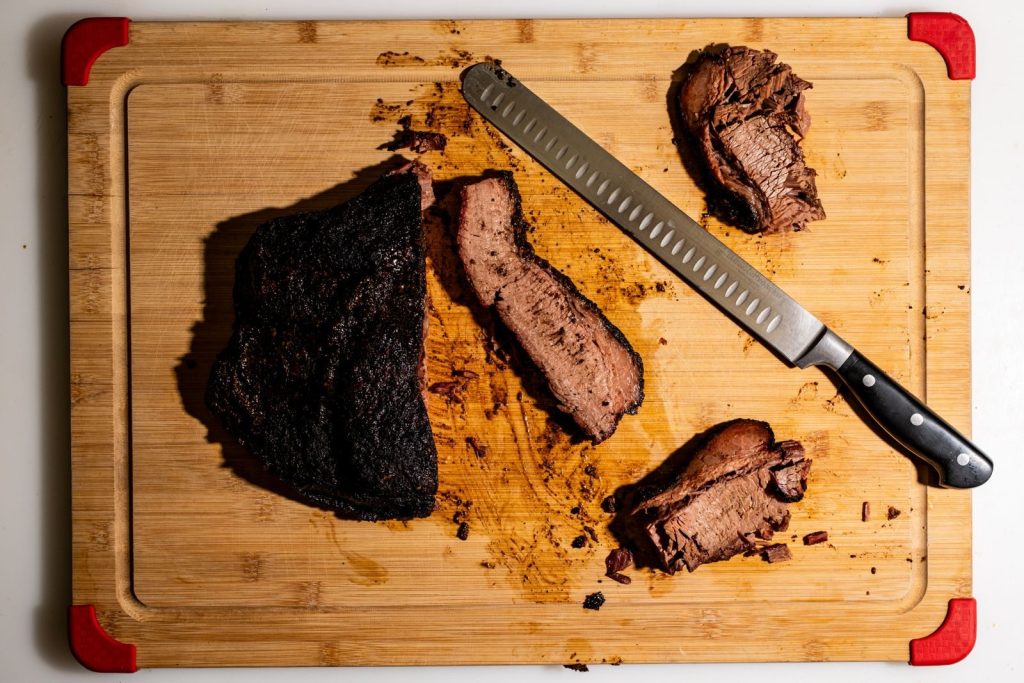
When meat cooks, heat drives moisture toward the centre of the cut as the outer layers contract. Cutting into meat immediately after cooking releases that moisture onto the cutting board rather than back into the fibre, which is the difference between a juicy result and a dry one. Resting allows the muscle fibres to relax and reabsorb the redistributed moisture evenly throughout the cut. A chicken breast needs five minutes, a steak needs the same, and a large roast needs significantly longer. The resting time is not a suggestion. It is the last step of the cooking process.
Cold Butter Into a Hot Pan Is Almost Always the Wrong Move
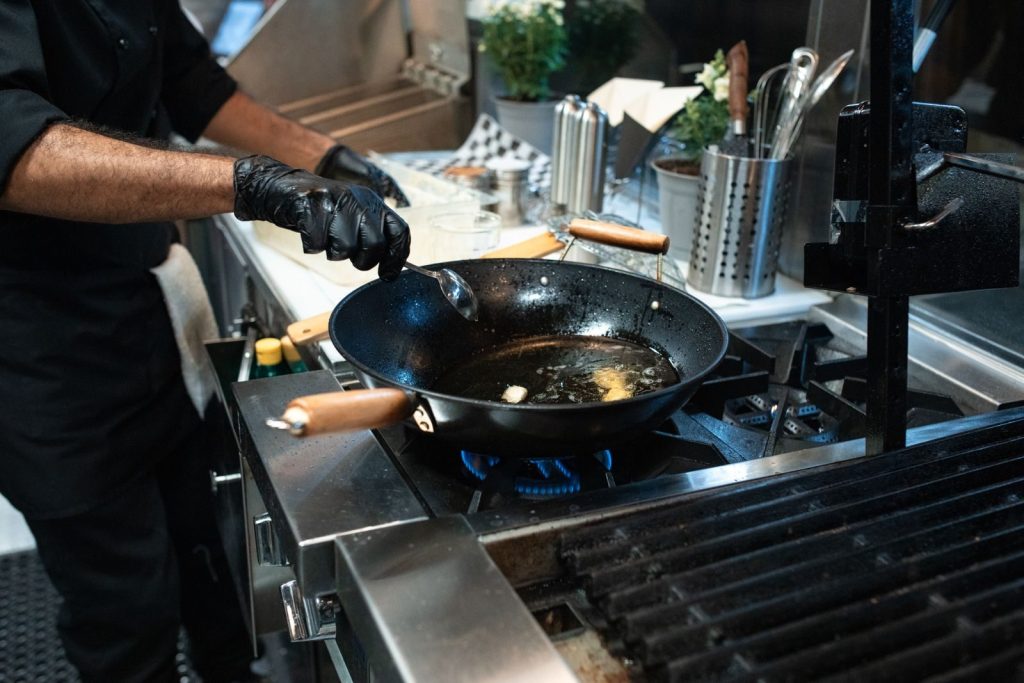
The debate about whether butter or oil should go into a pan first, and at what temperature, comes down to understanding smoke points. Butter contains milk solids that burn at a relatively low temperature, turning bitter and dark before the pan reaches the heat needed for most cooking tasks. Adding cold butter to an already hot pan accelerates that burning. The correct approach for most tasks is either using clarified butter, which has the milk solids removed and a much higher smoke point, or adding butter at medium heat and monitoring it closely, or using oil first and finishing with butter purely for flavour at the end of cooking.
Washing Raw Chicken Spreads Bacteria Rather Than Removing Them
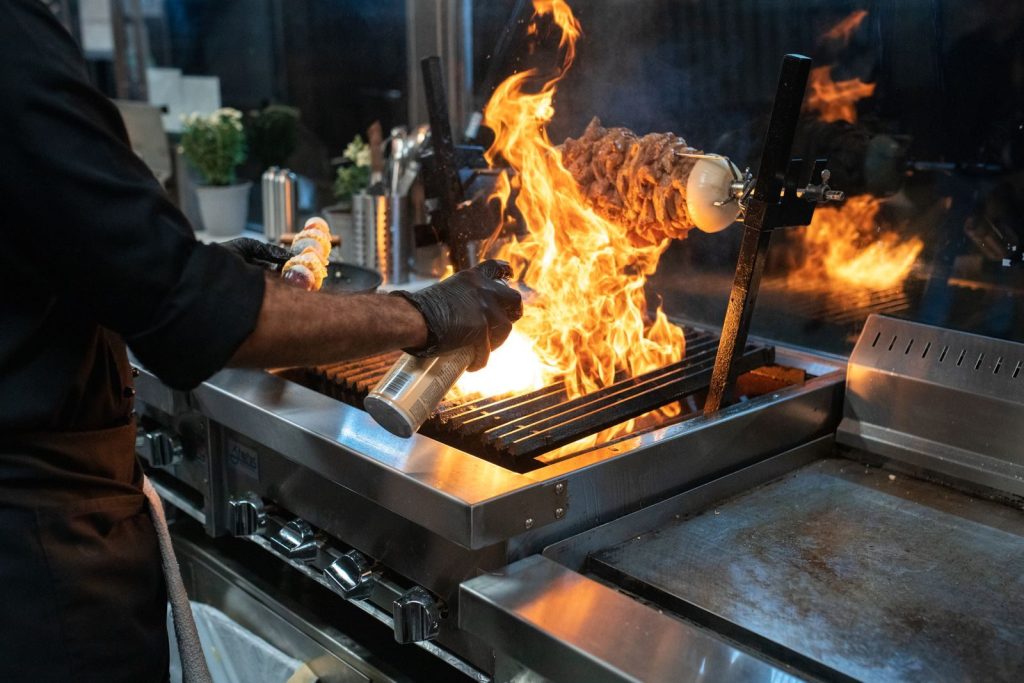
The instinct to rinse raw chicken under the tap before cooking is one of the most persistent food safety myths in home kitchens. Water splashing off the surface of raw chicken carries bacteria across the sink, the surrounding counter, and anything else within range of the splash zone in a way that is genuinely difficult to fully sanitise afterwards. Cooking chicken to a safe internal temperature of 165 degrees Fahrenheit kills every pathogen present on the surface and throughout the meat completely and eliminates the need for rinsing entirely.
Preheating the Pan Before Adding Oil Produces Better Results Than Oil in a Cold Pan
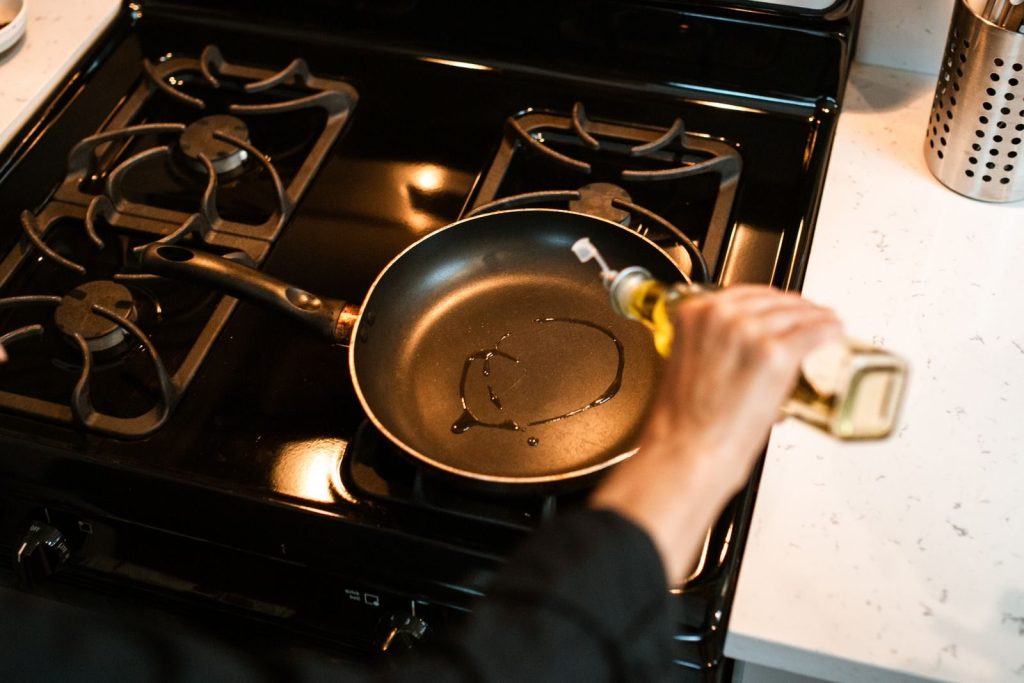
A properly preheated pan creates a surface condition called the Leidenfrost effect when oil is added, where the oil spreads evenly across the entire cooking surface immediately, rather than pooling in low spots. Even oil distribution is what produces consistent browning across the full surface of whatever goes into the pan, rather than patchy results where some areas colour and others steam. A properly preheated, evenly oiled pan is the single factor most responsible for the difference between home-cooked food and restaurant-quality results from identical ingredients.
Cooking From Room Temperature Produces More Even Results Than Cooking From Cold
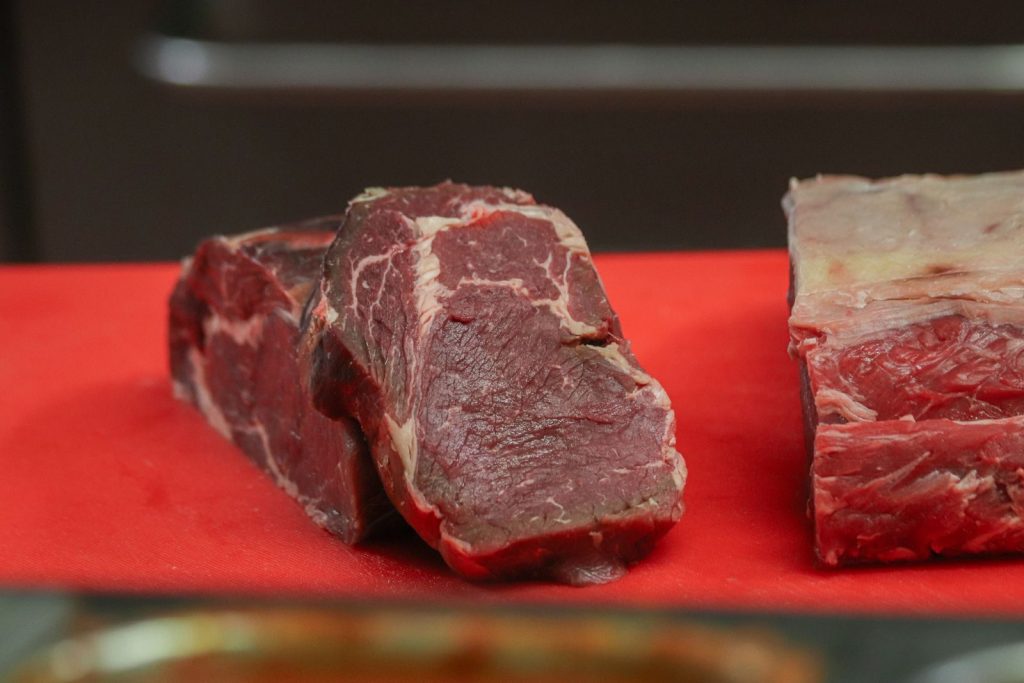
Taking meat, fish, or eggs directly from the refrigerator and placing them immediately into a hot pan or oven creates a temperature gradient that causes the outside to overcook before the centre reaches the correct temperature. Allowing protein to sit at room temperature for twenty to thirty minutes before cooking closes that gap significantly and produces far more even results throughout. This is especially important for thick cuts of meat and whole fish, where the temperature difference between the surface and the centre is greatest.
Every Debate in That Kitchen Had an Answer. Now You Have It.
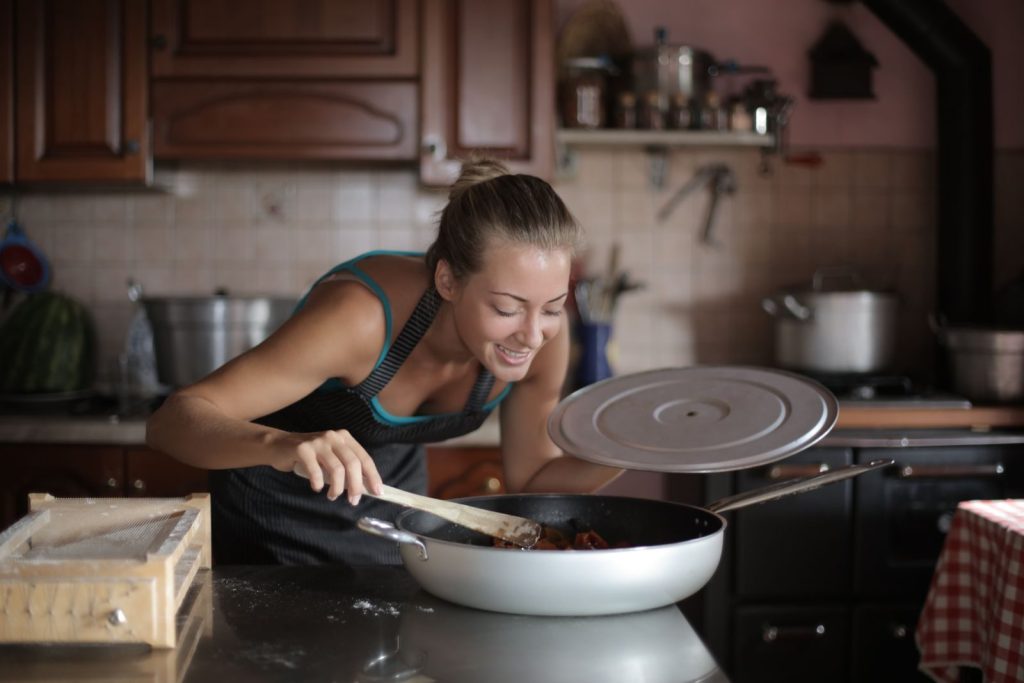
The kitchen was never the problem. The misinformation was always the real issue quietly sitting between a home cook and genuinely confident results. Once the science behind these everyday decisions is understood, the debates disappear entirely and what replaces them is something far more useful, the certainty of knowing exactly what to do and precisely why it works.