

Food laws vary widely around the world, and some popular international foods face strict rules in the United States. Safety concerns, environmental protections, agricultural regulations, and food standards have all played a role in limiting certain products. While many of these foods remain popular in their home countries, they can be difficult or even impossible to find in America.
1. Haggis
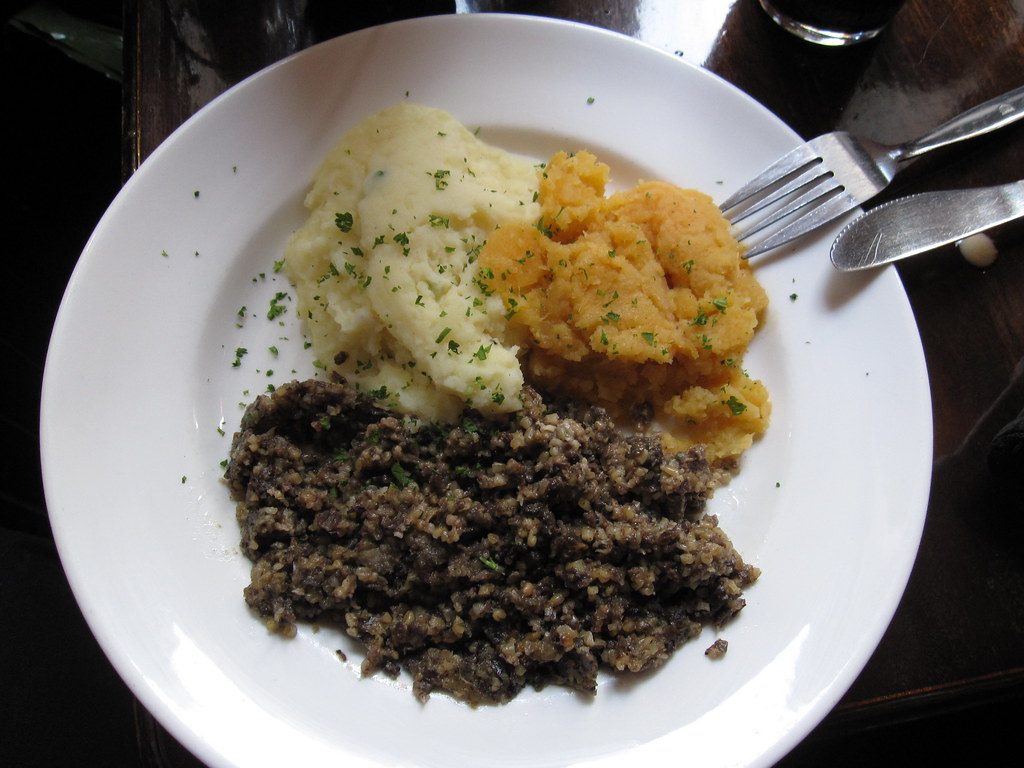
Haggis is a traditional Scottish dish made with sheep organs, oats, spices, and suet. Authentic versions contain sheep lung, which has been prohibited in food products by U.S. regulations for decades.
Scottish officials have repeatedly pushed for changes that would allow traditional haggis imports into the country.
2. Casu Marzu
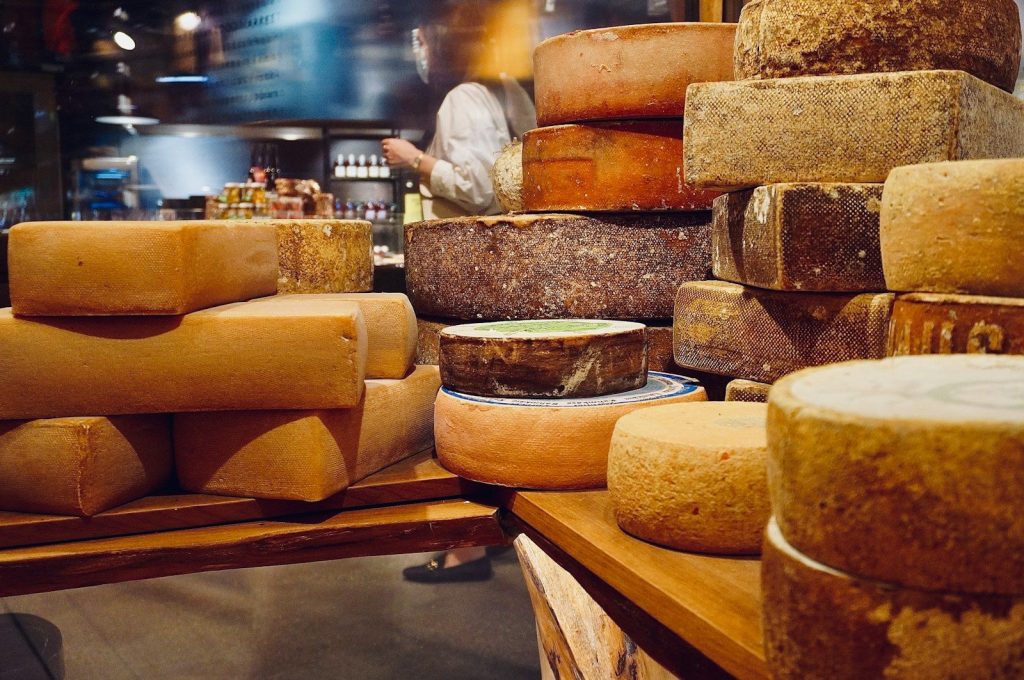
This famous cheese from Sardinia, Italy, is known for containing live insect larvae during the fermentation process.
Health concerns surrounding the larvae have kept casu marzu off the American market, making it one of the most unusual foods restricted in the United States.
3. Fresh Ackee
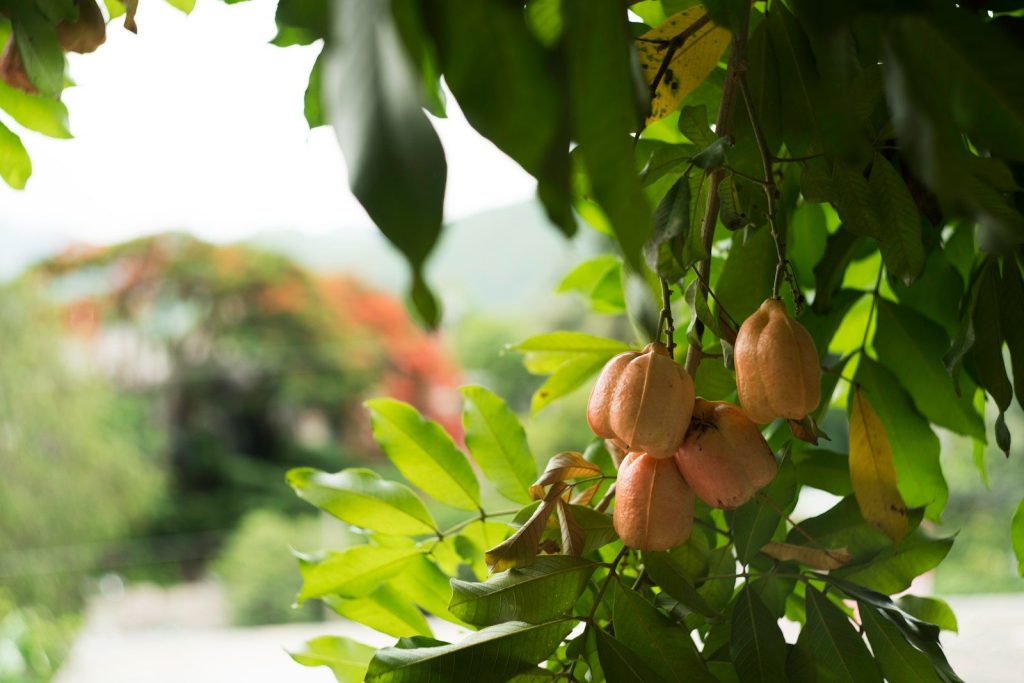
Ackee is Jamaica’s national fruit and a key ingredient in the country’s well-known ackee and saltfish dish.
The fruit naturally contains toxins when unripe, which can lead to serious health problems. Processed, canned, and approved products are allowed, but fresh ackee remains heavily restricted.
4. Kinder Surprise Eggs

These chocolate eggs are a favorite treat across much of Europe. Each egg contains a toy hidden inside the chocolate shell.
American law prohibits non-edible objects embedded within food products, which led to restrictions on the original version of Kinder Surprise eggs.
5. Fugu
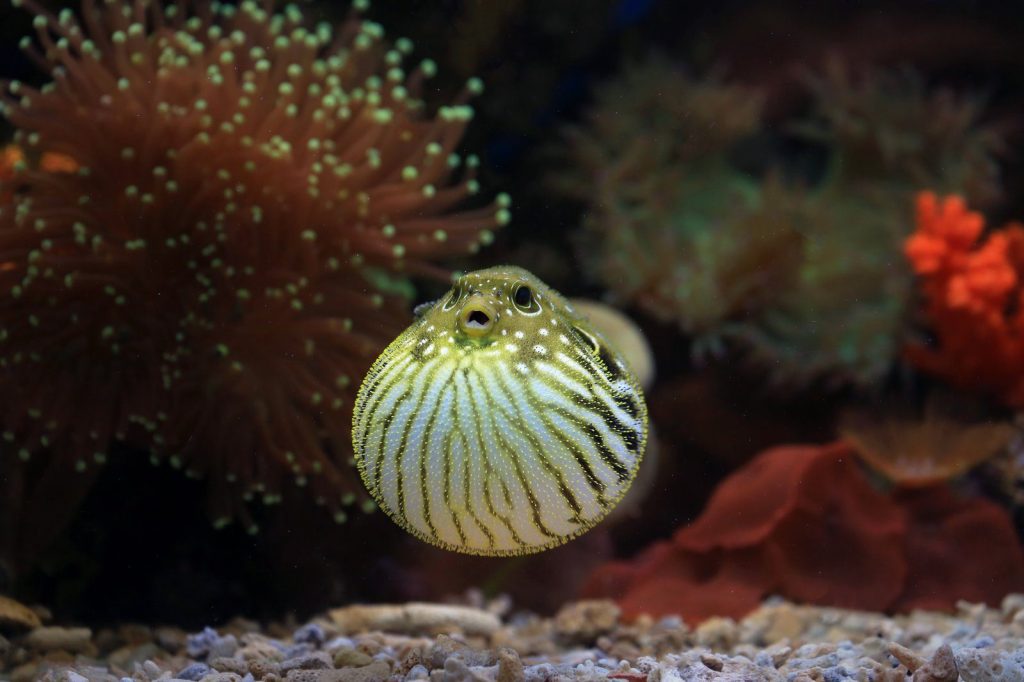
Fugu is a Japanese delicacy made from pufferfish. Certain parts of the fish contain tetrodotoxin, a powerful toxin that can be fatal if prepared incorrectly.
Strict import and preparation requirements have limited its availability in the United States.
6. Authentic Brie De Meaux
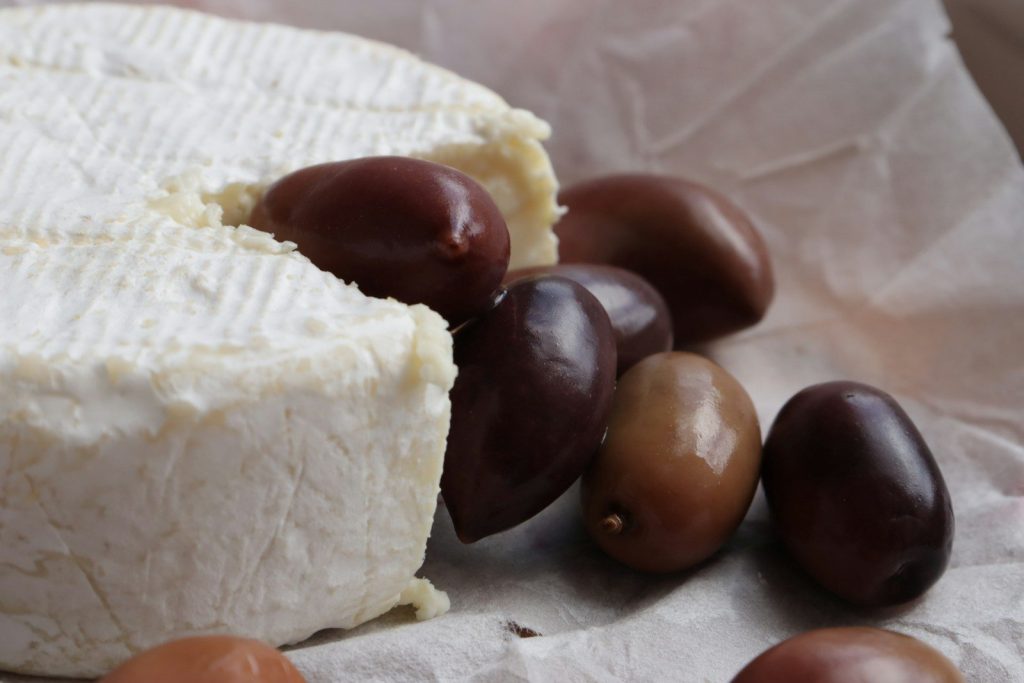
Many Americans enjoy brie cheese, but authentic Brie de Meaux from France faces restrictions due to raw milk regulations.
Traditional versions are often made with unpasteurized milk and aged for less than the period required under U.S. food safety rules.
7. Black Pudding
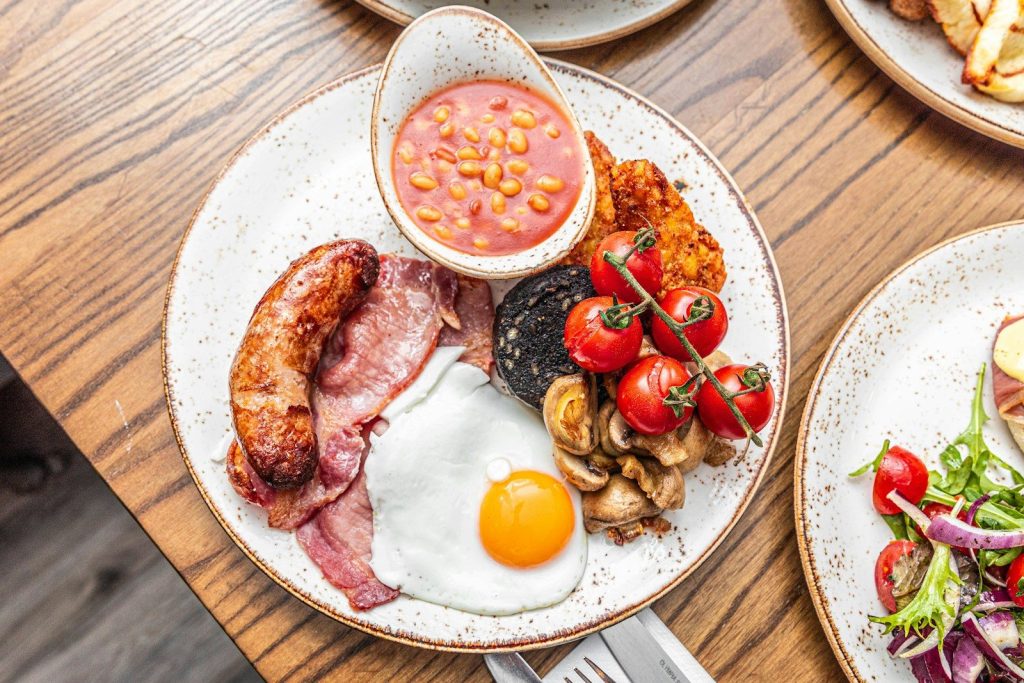
Black pudding is a traditional sausage commonly eaten in parts of the United Kingdom and Ireland. It is made using animal blood along with oats and seasonings.
Import restrictions involving blood products and certain animal organs have limited access to authentic versions in the United States.
8. Wild Beluga Caviar
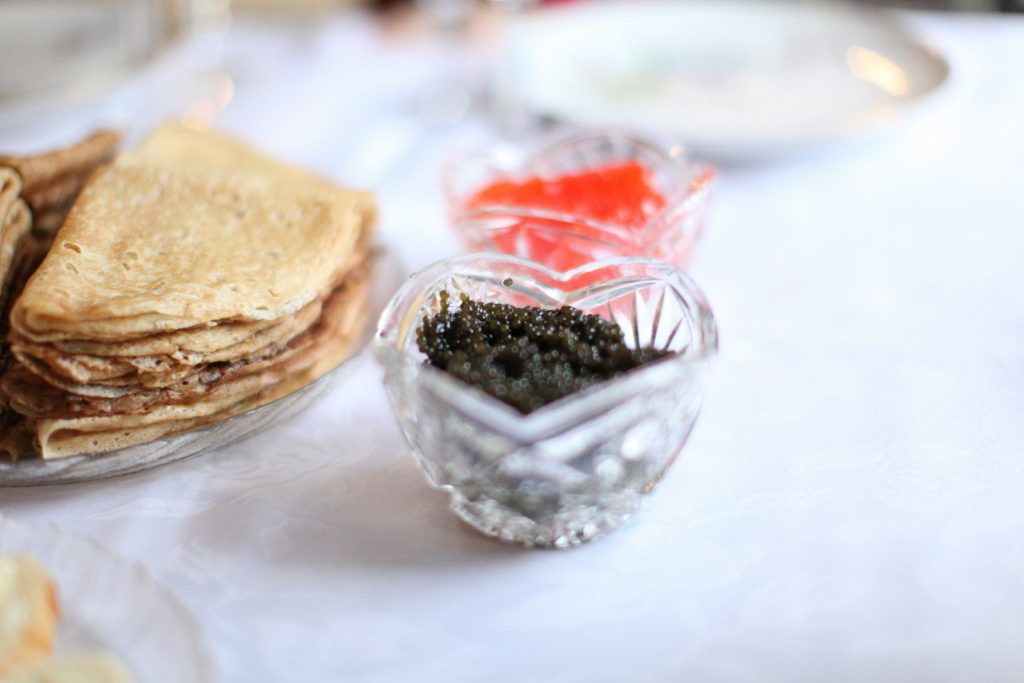
Beluga caviar has long been considered a luxury food item around the world.
The United States banned imports of wild beluga caviar to help protect endangered beluga sturgeon populations. Environmental concerns played a major role in the decision.
9. Horse Meat
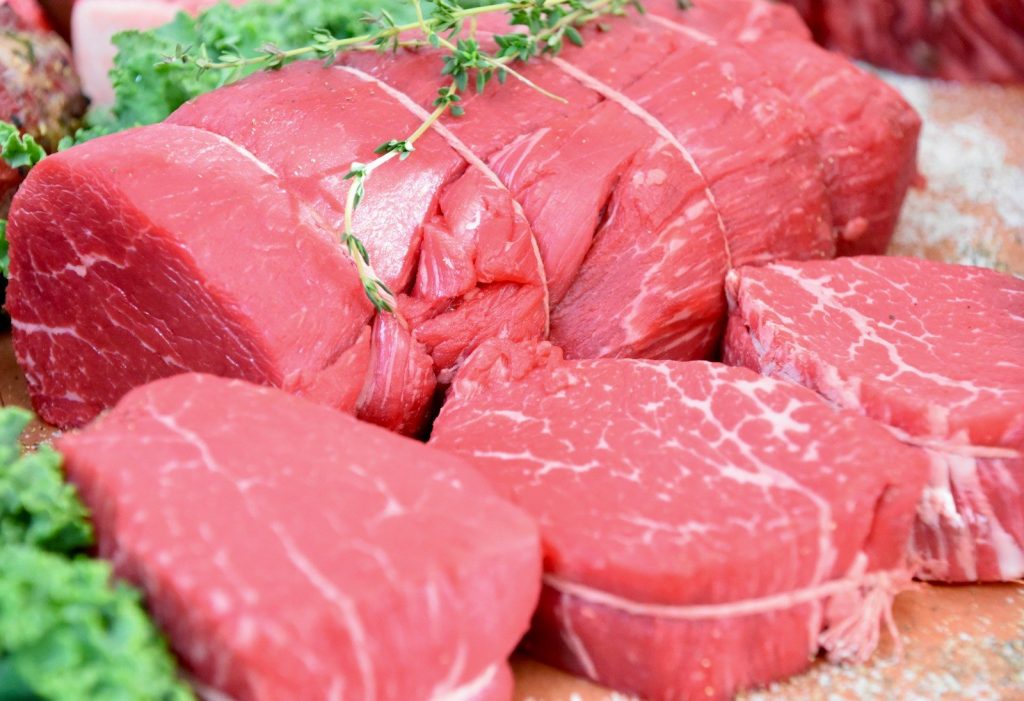
Horse meat is consumed in several countries and remains part of traditional cuisine in certain regions.
In the United States, federal restrictions on horse meat inspections have effectively prevented it from becoming a legal food product for commercial sale.
10. Certain Raw Milk Cheeses
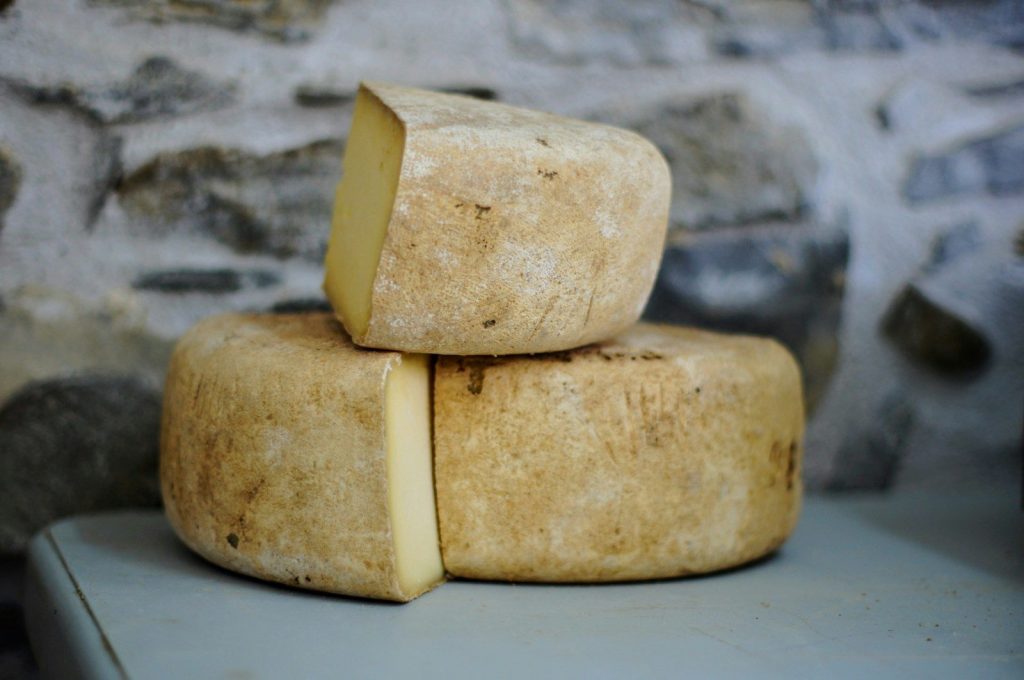
A number of traditional European cheeses are difficult to import due to American regulations on unpasteurized dairy products.
Some varieties of brie, camembert, and other soft cheeses face restrictions when they do not meet federal aging requirements.
Food Rules Can Look Very Different Around The World
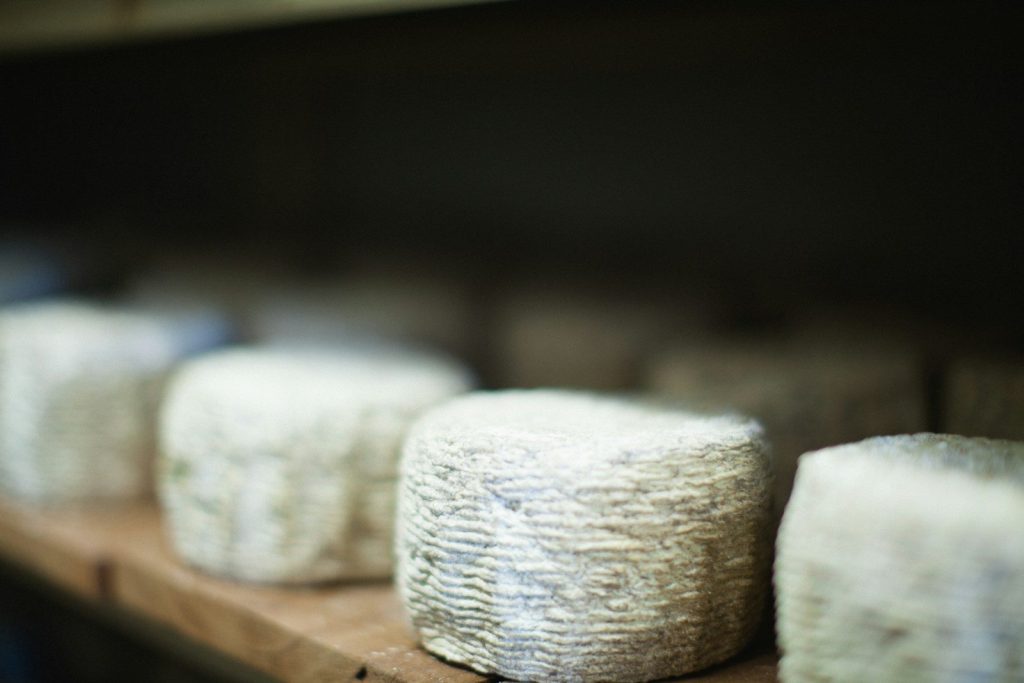
Many international foods carry deep cultural significance and remain widely enjoyed in their countries of origin. Regulations in the United States often reflect concerns about public health, environmental protection, or agricultural safety. As global food trends continue to grow, some of these restrictions remain a topic of debate among travelers, chefs, and food enthusiasts alike.