

Peanut butter sits in more kitchens than almost any other single food, eaten daily by millions of people who think of it as nothing more than a convenient, tasty spread. But what is actually happening inside the body each time it is eaten is a considerably more interesting story than the protein and healthy fat summary that gets repeated everywhere. Some of it is genuinely impressive. Some of it depends entirely on which jar is being opened. All of it is worth knowing before the next spoonful.
The Type of Fat in Peanut Butter Is Actively Improving the Flexibility of Your Arteries

Oleic acid, the primary monounsaturated fat in peanut butter, does something specific to arterial walls that most people never connect back to their morning toast. It reduces arterial stiffness, the gradual hardening of blood vessel walls that is one of the earliest and most significant markers of cardiovascular risk. A daily intake of oleic acid through natural peanut butter contributes to maintaining the elasticity that keeps blood pressure lower and circulation more efficient over time, quietly and without any obvious signal that anything beneficial is happening at all.
The Timing of When You Eat It Changes What It Actually Does to Your Blood Sugar

Peanut butter eaten alongside a high carbohydrate food, like toast, oatmeal, or fruit, significantly blunts the blood sugar spike that those carbohydrates would produce eaten alone. The fat and protein slow gastric emptying, which means glucose enters the bloodstream more gradually rather than all at once. But peanut butter eaten late at night as a standalone snack on an empty stomach produces a different effect entirely, delivering a slow and steady supply of calories through the night that supports muscle preservation during sleep without disrupting blood sugar the following morning.
Commercial Peanut Butter Is Doing Something to Your Inflammation That Natural Peanut Butter Is Not

The ingredient list is where the two versions of peanut butter diverge in a way that matters significantly inside the body. Commercial varieties contain partially hydrogenated oils added to prevent separation and extend shelf life. These oils introduce trans fats even in amounts too small to require disclosure on the label, and trans fats are among the most potent dietary drivers of systemic inflammation known to nutritional science. Natural peanut butter with nothing but peanuts and salt does not introduce this problem. The oil that separates to the top is not a flaw; it is evidence that nothing has been chemically altered.
Your Satiety Hormones Are Responding to It in a Way That Suppresses Appetite for Hours

Peanut butter triggers the release of peptide YY and cholecystokinin, two hormones produced in the gut that signal fullness to the brain and slow the return of hunger after eating. This hormonal response is stronger and longer-lasting than the response produced by most other common breakfast additions because of the specific combination of protein, fat, and fibre working simultaneously. The practical result is that two tablespoons of peanut butter eaten in the morning reliably delays the return of genuine hunger by two to three hours more than the same calorie count from a carbohydrate-only source.
Roasting Reduces a Harmful Compound Most People Have Never Heard of in Connection With Peanuts
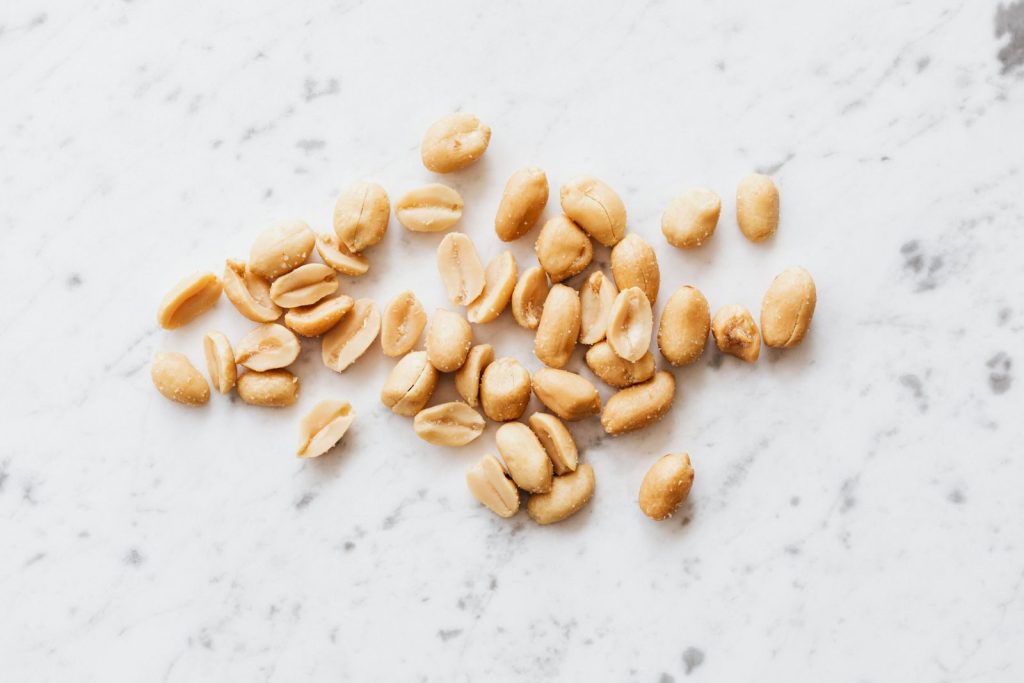
Raw peanuts carry a naturally occurring mold byproduct called aflatoxin, a compound produced by fungi that grow on peanuts during storage and one of the most potent naturally occurring carcinogens identified in food science. Roasting significantly reduces aflatoxin levels, which is one of the less discussed reasons why roasted peanut butter is the safer daily choice over raw peanut products. Commercial peanut butter manufacturers also test for aflatoxin levels before processing, making regulated commercial natural peanut butter one of the safest forms of the product available despite its simple ingredient list.
It Is Preserving Your Muscle Mass in a Way That Becomes Increasingly Important After 35

After the mid-thirties the body begins losing muscle mass at a rate of roughly one percent per year in a process called sarcopenia, and dietary protein becomes progressively more important as a tool for slowing that loss. Peanut butter delivers a meaningful amount of protein alongside leucine, an amino acid that specifically triggers muscle protein synthesis, the process by which the body builds and repairs muscle tissue. A daily serving contributes to the protein threshold required each day to maintain muscle mass in a way that becomes more significant with every passing decade.
The Resveratrol in Peanut Butter Is the Same Compound That Made Red Wine Famous

Peanuts contain resveratrol, the antioxidant compound most commonly associated with red wine and most frequently credited for the cardiovascular benefits observed in populations with high wine consumption. Peanut butter delivers resveratrol in every serving, quietly contributing the same antioxidant protection that generates headlines whenever it appears in a study about wine, without the alcohol, without the calories, and without the price. Most people eating peanut butter daily have no idea they are getting a compound that researchers have spent decades studying for its anti-ageing and heart-protective properties.
The Jar You Open Every Morning Is Doing More Than You Ever Gave It Credit For
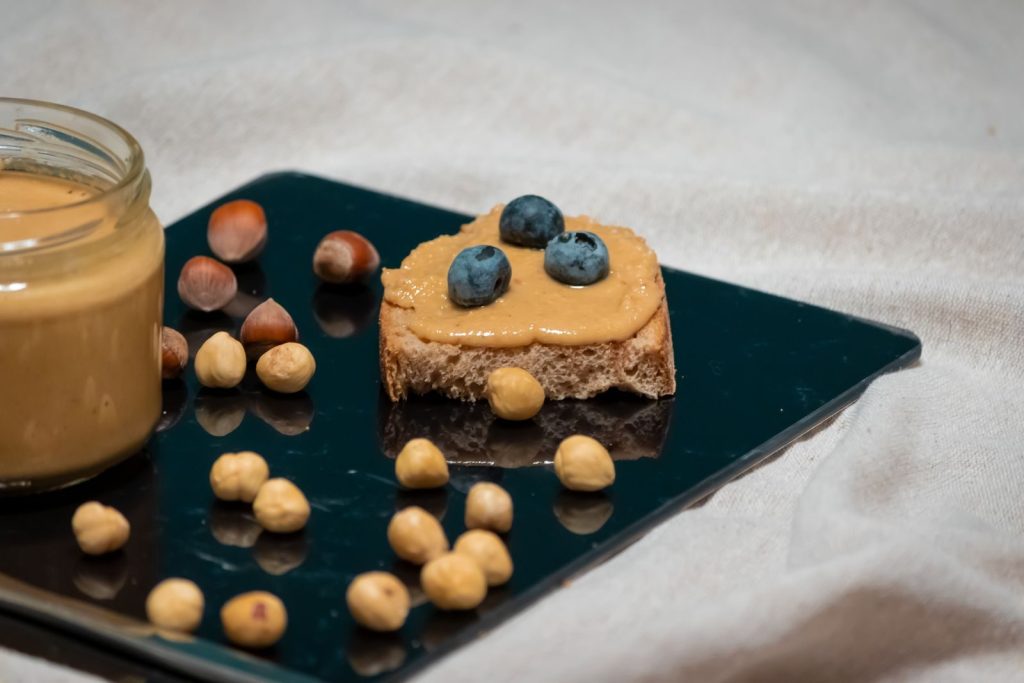
Peanut butter earned its reputation as a pantry staple through convenience and taste, but what it is doing inside the body daily goes considerably deeper than that reputation suggests. The version that matters, natural, roasted, with nothing added, eaten at the right time and paired thoughtfully with other foods, delivers cardiovascular support, hormonal satiety signaling, muscle preservation, antioxidant protection, and blood sugar regulation simultaneously. That is a significant amount of quiet, daily work from something most people have been taking completely for granted.