

Most people treat the pantry as the one part of the kitchen that does not need much attention. Things go in, things come out, and as long as nothing smells obviously wrong, the assumption is that everything in there is fine. But expiration dates on pantry items are routinely misunderstood, and several of the most commonly kept staples degrade in ways that are completely invisible until they are already affecting the food being cooked with them. Here is what is most likely already past its best in there right now
Cooking Oils Go Rancid Long Before the Bottle Looks Empty
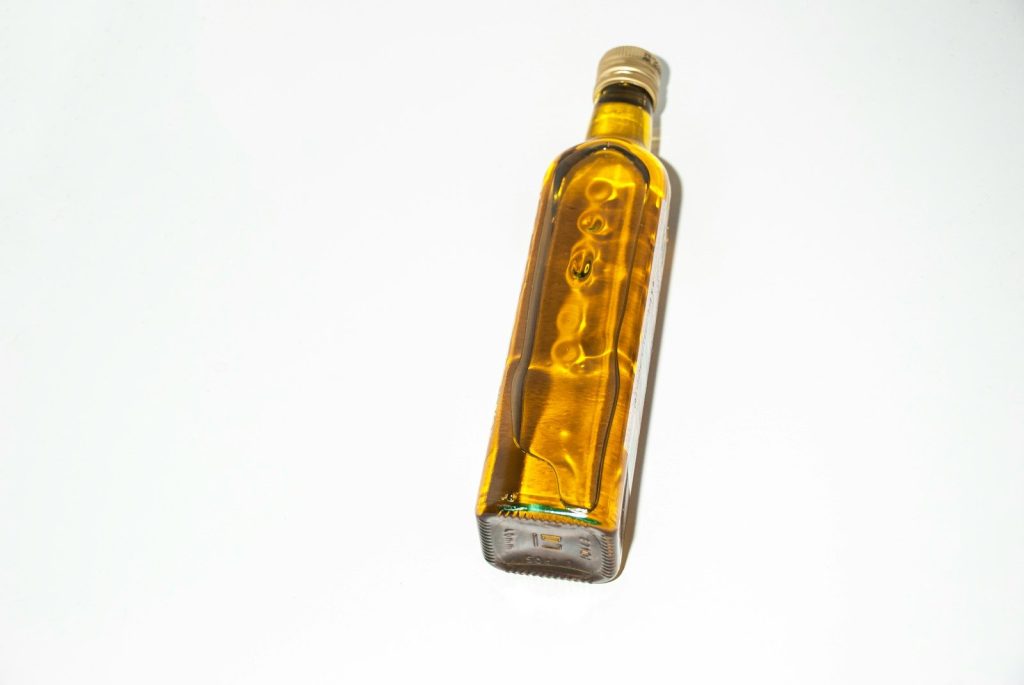
Rancid oil does not always smell obviously bad, which is exactly why most people never catch it. Olive oil, vegetable oil, and especially nut oils begin oxidising the moment they are opened and exposed to light and air. An oil that has been sitting open on a counter or in a warm pantry for more than three months has almost certainly begun to turn. Rancid oil does not just taste flat; it produces harmful compounds called aldehydes that have been linked to inflammation and cell damage with regular consumption.
Whole Grain Flours Spoil Far Faster Than White Flour
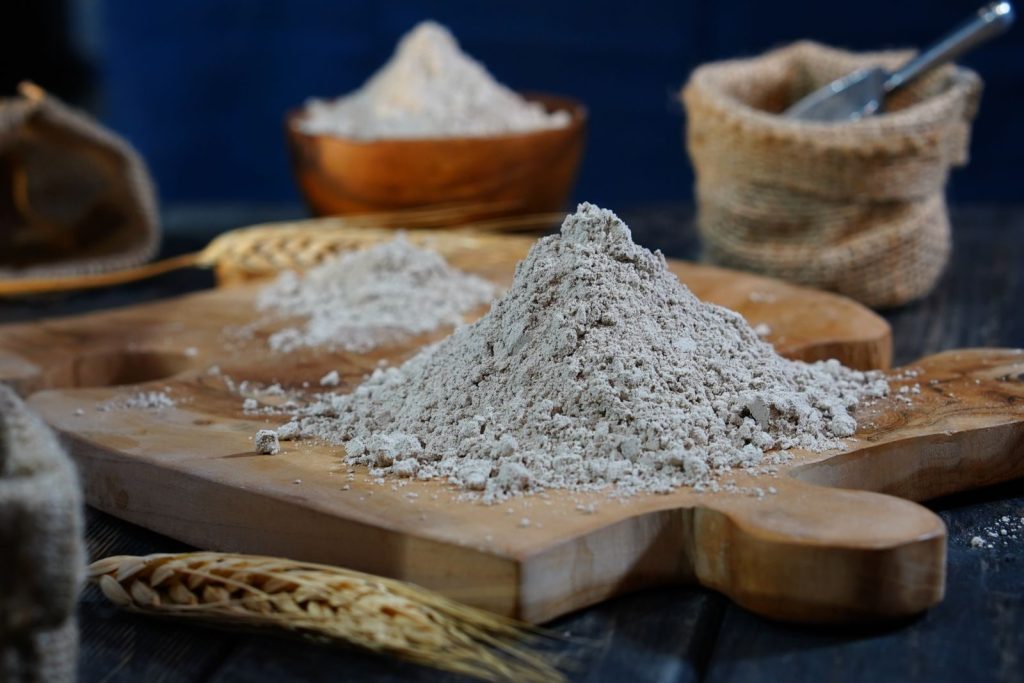
White flour keeps for up to a year in a cool pantry because the refining process removes the oils that cause spoilage. Whole wheat, almond, oat, and other whole-grain flours still contain those natural oils and typically go rancid within two to three months at room temperature. Most people buy them for their nutritional benefit and then store them exactly the same way as white flour, which means they are often cooking with spoiled flour without ever tasting an obvious difference until the finished product tastes slightly off.
Ground Spices Lose Their Potency Silently and Completely
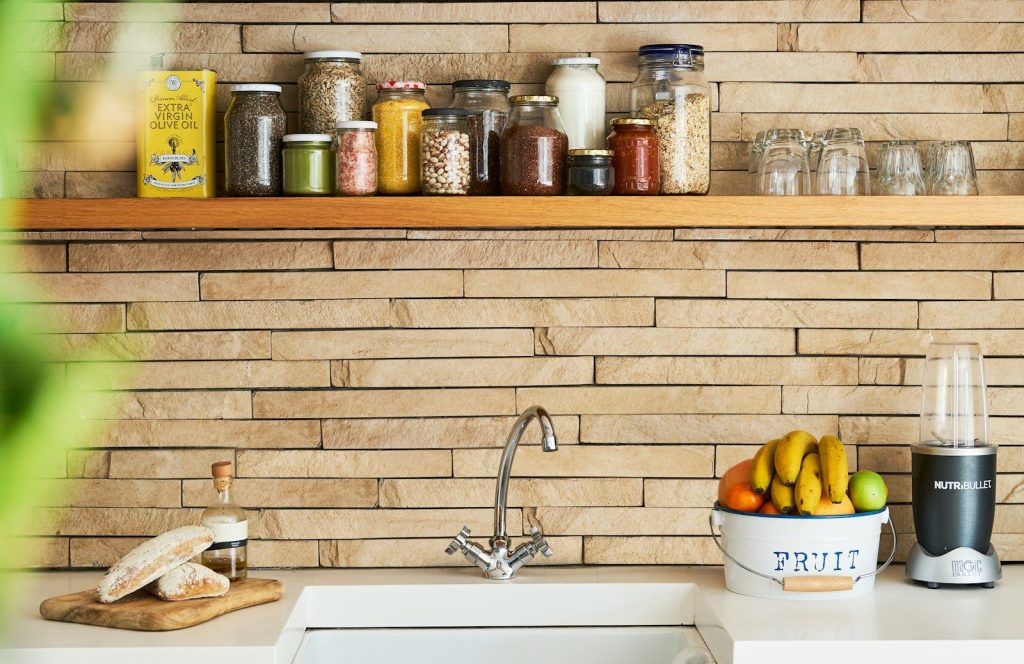
Ground spices do not spoil in a way that makes food unsafe but they lose their active compounds, the oils that carry both flavor and health benefits, far faster than most people realize. Ground cumin, paprika, turmeric, and cinnamon are typically at their best for six to twelve months after opening. A jar that has been sitting in the same spot for two or three years is essentially adding color and very little else to whatever it goes into. The test is simple. If crushing a pinch between your fingers releases almost no scent, it is gone.
Nuts and Seeds Stored at Room Temperature Are Likely Already Rancid
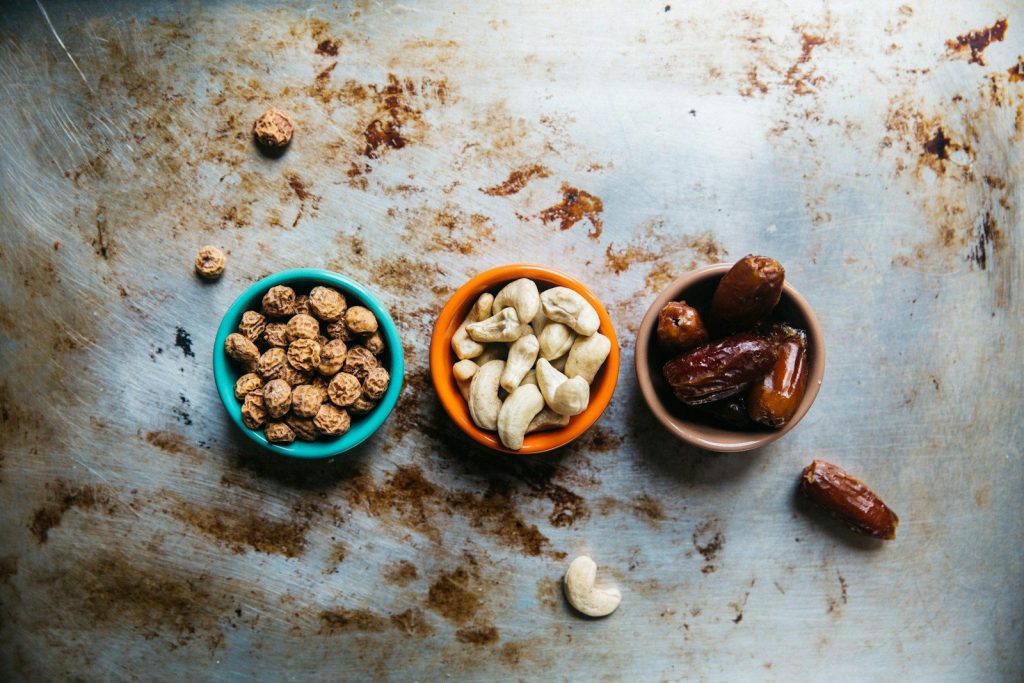
Nuts and seeds are high in polyunsaturated fats that oxidize quickly at room temperature, especially in a pantry that gets warm during summer months. Walnuts, flaxseeds, and pine nuts are among the fastest to turn. Rancid nuts have a slightly bitter, paint-like taste that is easy to miss when they are mixed into baked goods or granola but is doing the same oxidative damage as rancid oil when consumed regularly. All nuts and seeds keep significantly longer in the freezer than anywhere else.
Honey Crystallises but Never Actually Expires, Yet Most People Throw It Away
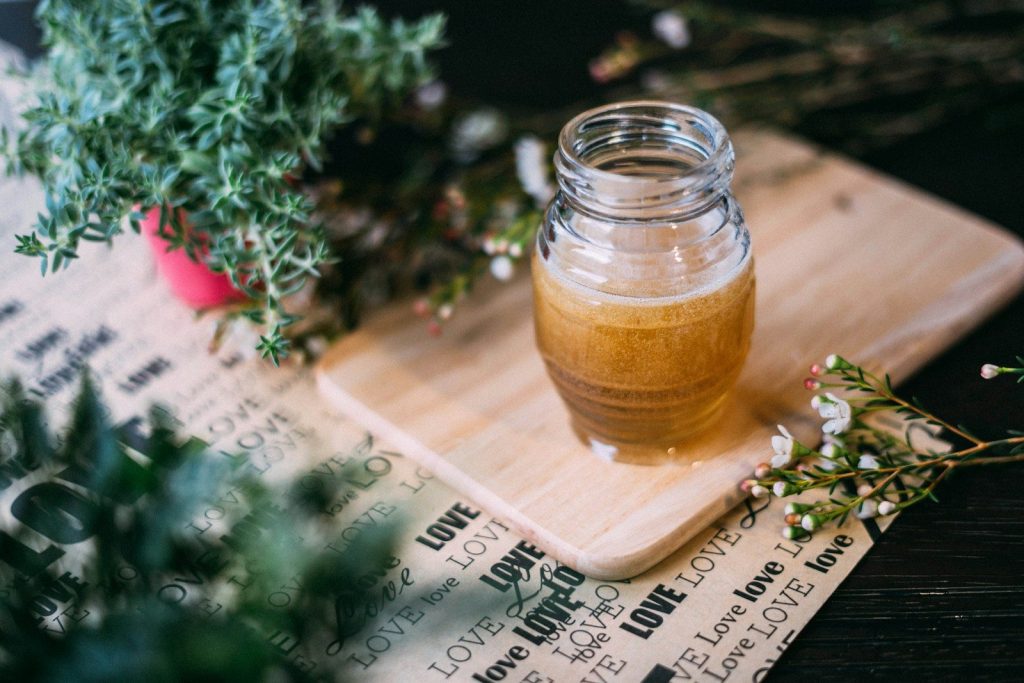
Crystallized honey looks like it has gone bad and gets thrown away in countless kitchens every year. It has not gone bad. Crystallization is a natural physical process that happens to pure honey over time and has no effect on its safety or nutritional value. Placing the jar in warm water for a few minutes returns it to a liquid state completely. The only honey that genuinely spoils is honey that has been contaminated with water, which causes fermentation and produces a sour smell that is unmistakable.
Canned Goods Past Their Best By Date Are Usually Still Safe but Often Degraded
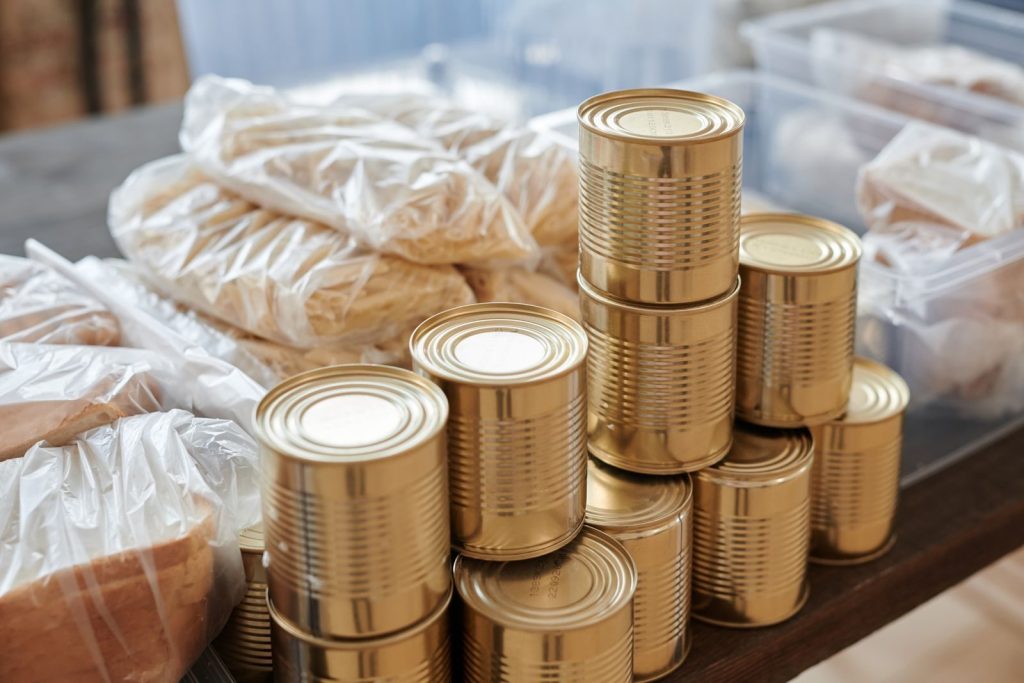
Best-by dates on canned goods refer to quality rather than safety in most cases. A can of tomatoes or beans that is one or two years past its best-by date is unlikely to make anyone sick if the can is undamaged, but the texture, colour, and nutritional content have degraded significantly from what the label promises. Any can that is bulging, deeply dented along a seam, or produces an unusual smell or appearance when opened should be discarded immediately, regardless of the date printed on it.
Baking Powder and Baking Soda Lose Their Leavening Power Gradually and Silently
Baking powder that has been open for more than six months has likely lost a significant portion of its leavening ability, which explains why baked goods sometimes come out dense and flat with no other obvious cause. The test takes ten seconds. Drop a teaspoon into hot water. If it does not bubble immediately and vigorously it is no longer active enough to do its job properly. Baking soda lasts longer but should be tested by adding a small amount to vinegar and checking for the same immediate fizzing reaction.
Dried Pasta Has a Best Quality Window Most People Completely Ignore
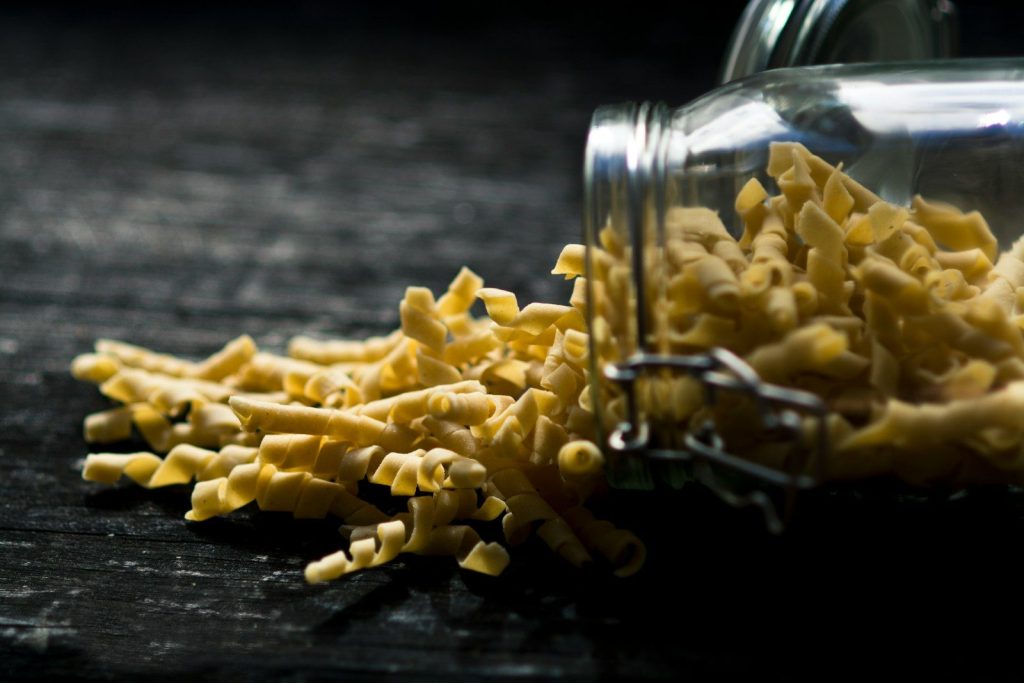
Dried pasta does not spoil in a dangerous sense but it does degrade in quality over time. Pasta that has been stored for more than two years, especially in packaging that has been opened and resealed loosely, absorbs ambient moisture that changes its texture during cooking and makes it more likely to turn mushy rather than holding its shape properly. Whole wheat and legume-based pastas degrade even faster due to their higher oil content, typically within eight to twelve months of opening.
Brown Sugar That Has Hardened Is Not Ruined, It Just Needs One Simple Fix
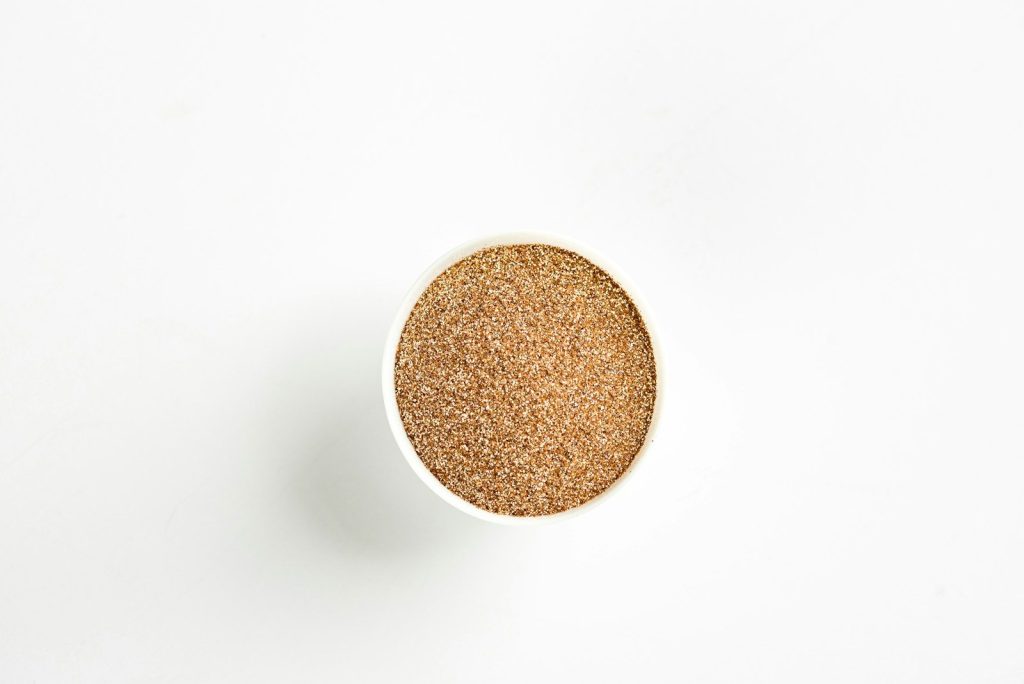
Hardened brown sugar is one of the most commonly discarded pantry items that is still perfectly usable. Brown sugar hardens when it loses moisture, not when it spoils, and restoring it takes almost no effort. Placing a damp paper towel over the top of the container overnight or adding a slice of fresh bread and sealing it for a few hours draws moisture back into the sugar and returns it to its original soft, scoopable state completely. Nothing about the sugar itself has changed.
The Pantry Is Not a Set and Forget System
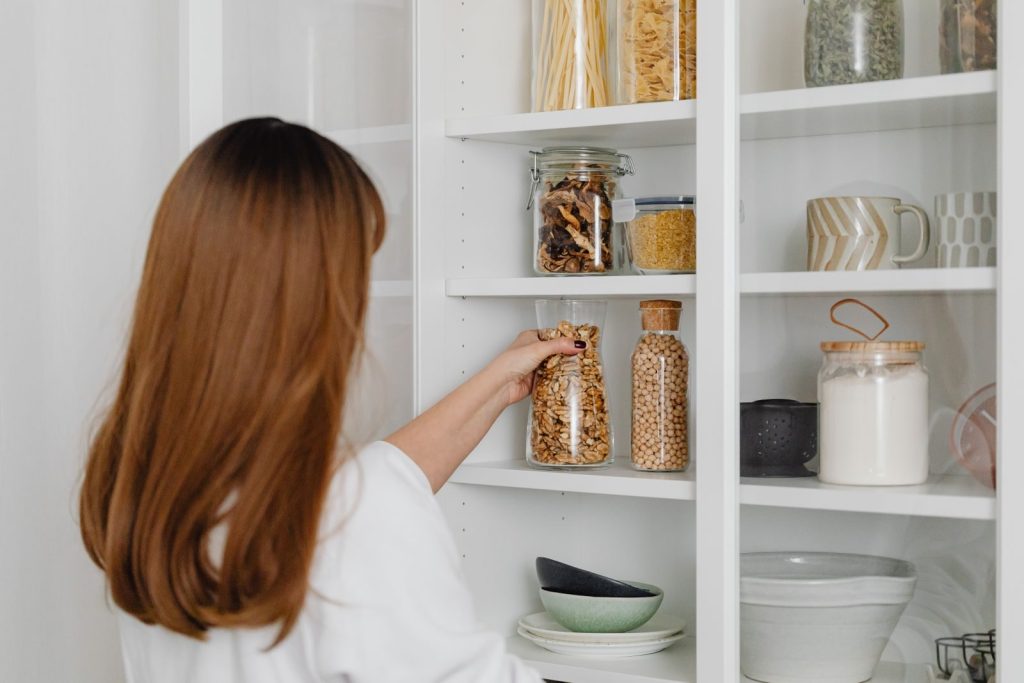
Most of what goes wrong in a pantry goes wrong slowly and invisibly, which is exactly why it keeps happening in the same kitchens year after year. A quick check every few months, paying attention to how things smell, how they look, and how long they have actually been sitting there, takes less than fifteen minutes and prevents a surprising amount of quietly degraded food from making its way into meals that deserved better ingredients.