

Plastic containers are in almost every kitchen and most people use them for everything without a second thought. But certain foods react with plastic in ways that go completely unnoticed until the damage is already done, whether that means chemicals transferring into the food, flavors being permanently absorbed into the container, or bacteria finding conditions inside the plastic that glass and stainless steel simply do not create. A food safety expert would never store these eight foods in plastic, and once you understand why, neither will you.
Tomatoes and Tomato-Based Sauces
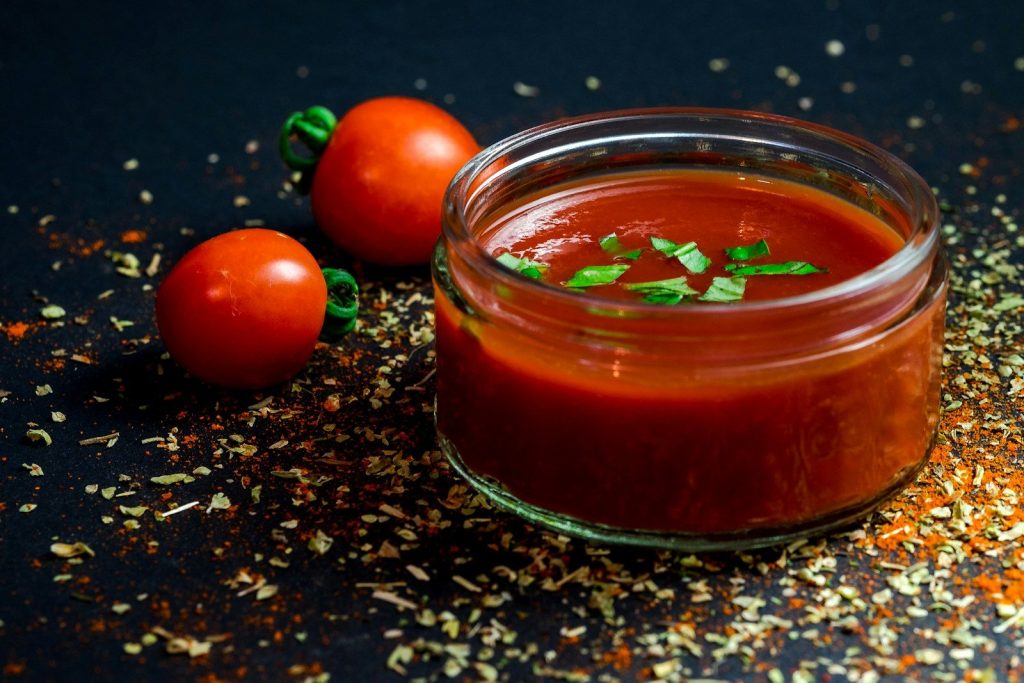
Tomatoes are highly acidic and that acidity actively breaks down the surface of plastic containers over time, causing the material to absorb the food’s color, flavor, and odor permanently while simultaneously allowing plastic compounds to migrate into the food itself. A container that has held tomato sauce long enough will stain red, smell like the sauce even after washing, and transfer more into future food stored inside it than one that was never used for tomatoes in the first place.
Hot Leftovers Straight From the Stove
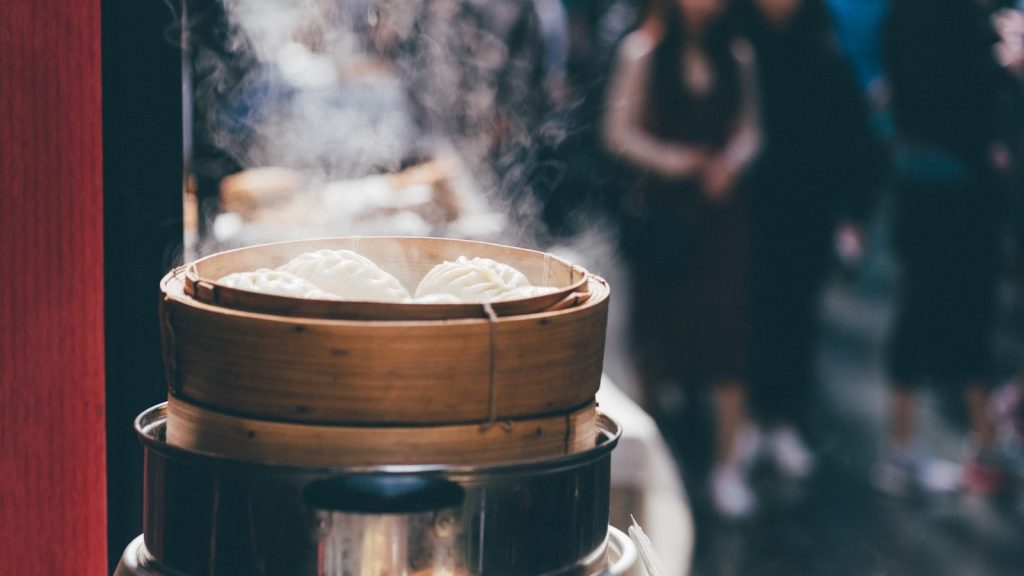
Transferring hot food directly into a plastic container before it cools is one of the most common and most overlooked food storage mistakes in any kitchen. Heat dramatically accelerates the rate at which plastic compounds including BPA and phthalates migrate into food, and the hotter the food the faster that process happens. Letting food cool to room temperature before it goes into any plastic container significantly reduces how much of the container ends up in the meal.
Citrus Fruits and Fresh Squeezed Juices
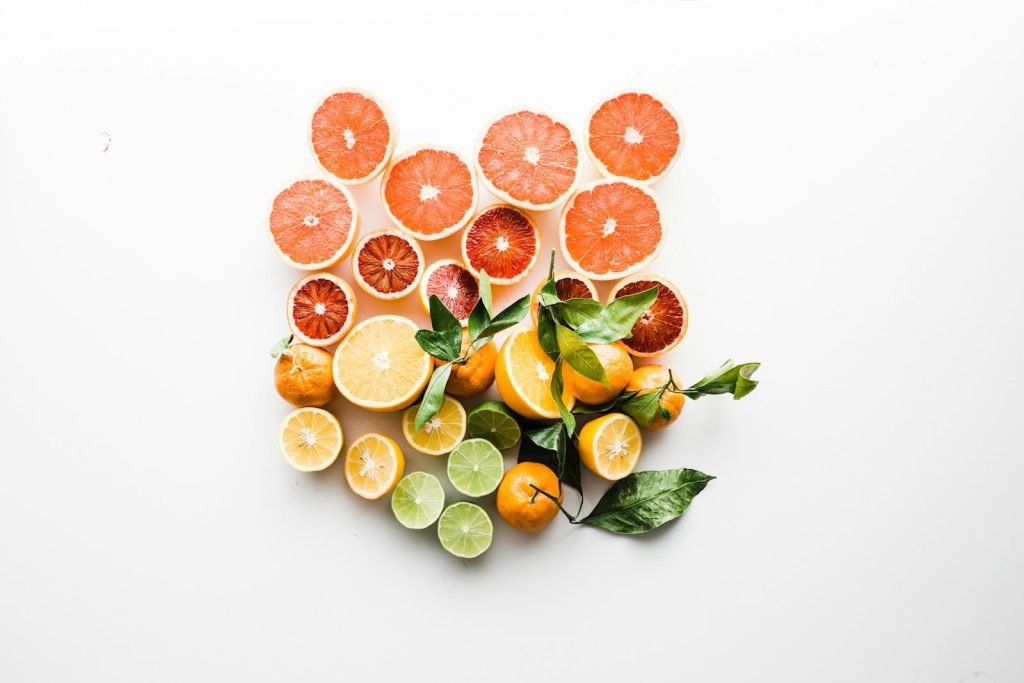
The acidity in citrus juice is aggressive enough to break down the surface layer of plastic containers faster than most other foods. Storing lemon juice, orange juice, or any citrus-based dressing or marinade in plastic allows that acid to work on the container continuously, pulling compounds out of the material and into the liquid in a way that happens much faster than most people would expect from a food that looks so harmless.
Raw Meat and Fish
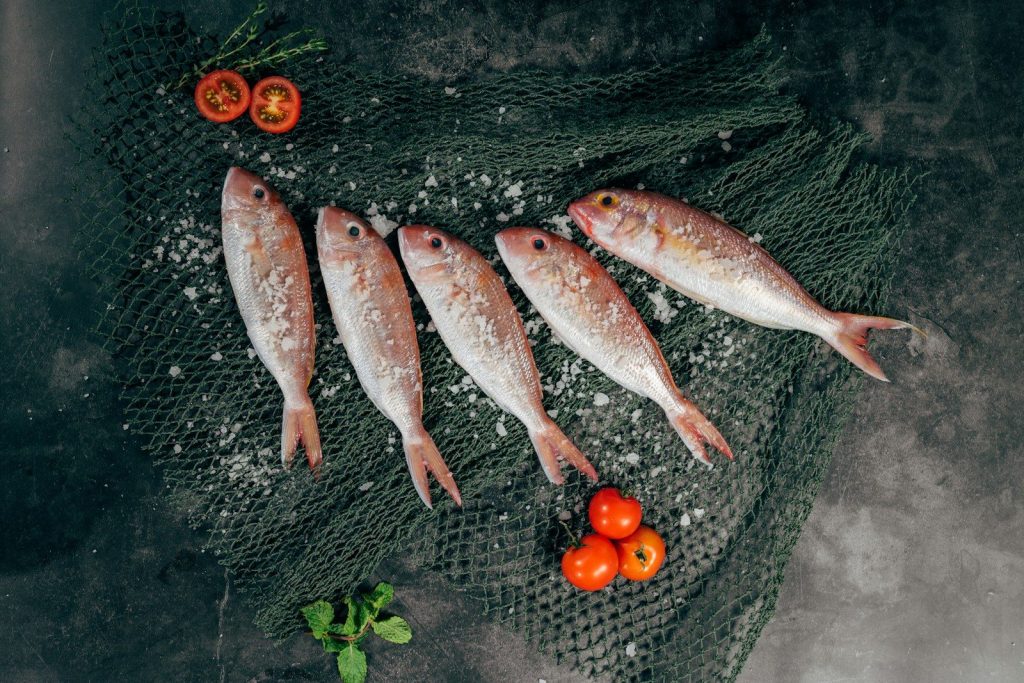
Raw meat and fish stored in plastic containers create a specific combination of problems that glass and stainless steel avoid almost entirely. Blood and moisture from raw meat seeps into the microscopic scratches that develop on plastic surfaces over time, creating pockets where bacteria survive repeated washing and transfer to the next food stored inside. Glass does not scratch the same way and does not harbor bacteria in the same manner.
Oily Foods and Dishes Cooked in Fat
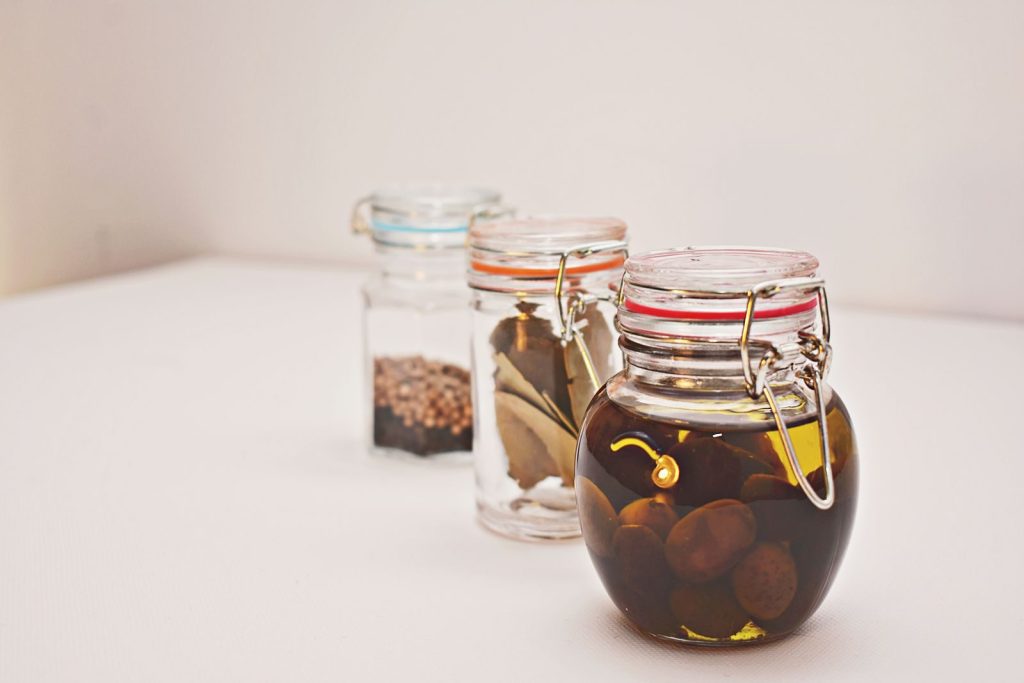
Fats and oils act as a solvent for certain plastic compounds, meaning foods with a high oil content pull more out of a plastic container than water-based foods do. Storing leftover stir fries, roasted vegetables cooked in oil, or fatty foods like nut butters in plastic means every meal that goes in absorbs a small amount of what the fat has drawn out of the container walls.
Strongly Spiced Foods Including Curries and Turmeric Dishes
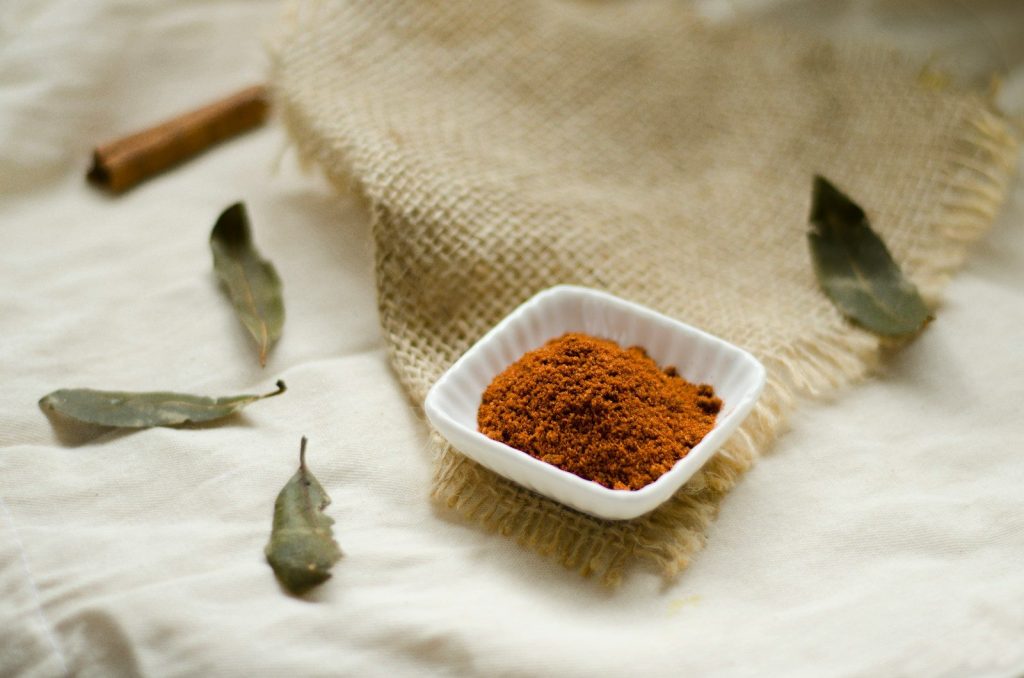
Foods containing turmeric, curry, or other intensely pigmented spices stain plastic containers permanently in a way that no amount of washing reverses. Beyond the cosmetic problem, the same chemical interaction that causes the staining indicates that the spice compounds are bonding with the plastic surface, which is a sign that the plastic surface is actively reacting with what is stored inside it rather than remaining inert.
Acidic Salad Dressings and Vinegar-Based Marinades
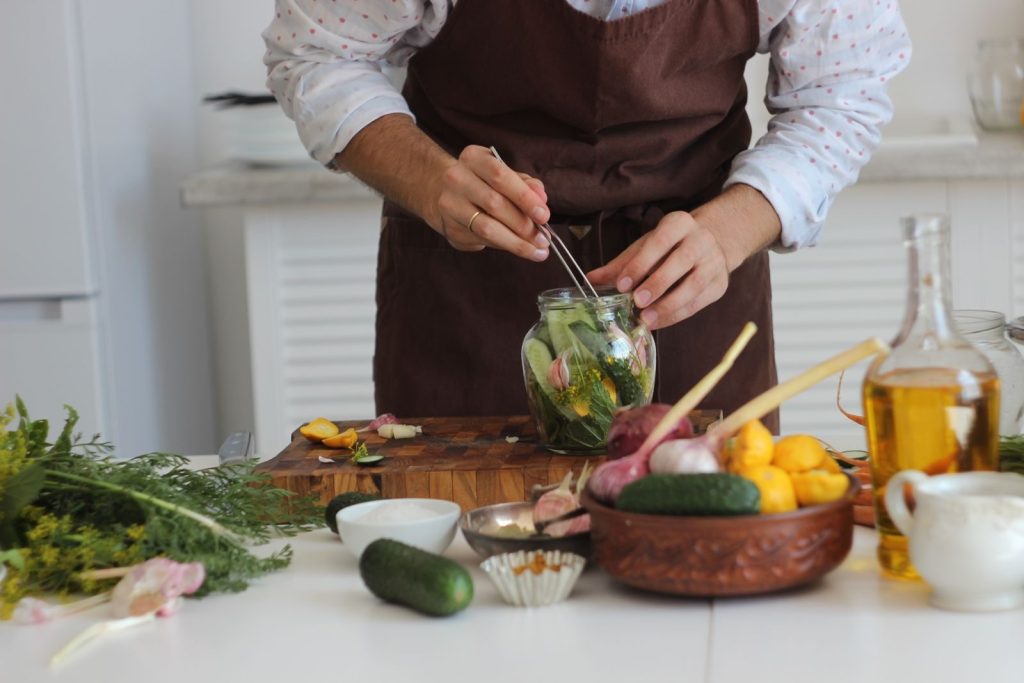
Vinegar and acidic dressings sit among the most aggressive foods for plastic degradation. Storing homemade vinaigrette, pickled vegetables, or any vinegar-heavy marinade in a plastic container exposes the material to continuous acid contact, and unlike a quick meal that goes in and comes out within a day, dressings and marinades often sit in containers for weeks, giving that acid significantly more time to do damage.
Alcohol, including wine, beer, and Spirits for Cooking
Alcohol is one of the most effective solvents for plastic compounds that exist, which is why wine, beer, and any spirit-based marinade or sauce should never go into a plastic container regardless of how briefly it will be stored there. Even short contact time between alcohol and plastic pulls compounds out of the material faster than almost any other food substance, making glass the only appropriate storage choice for anything with a meaningful alcohol content.
Glass Was Always the Safer Default
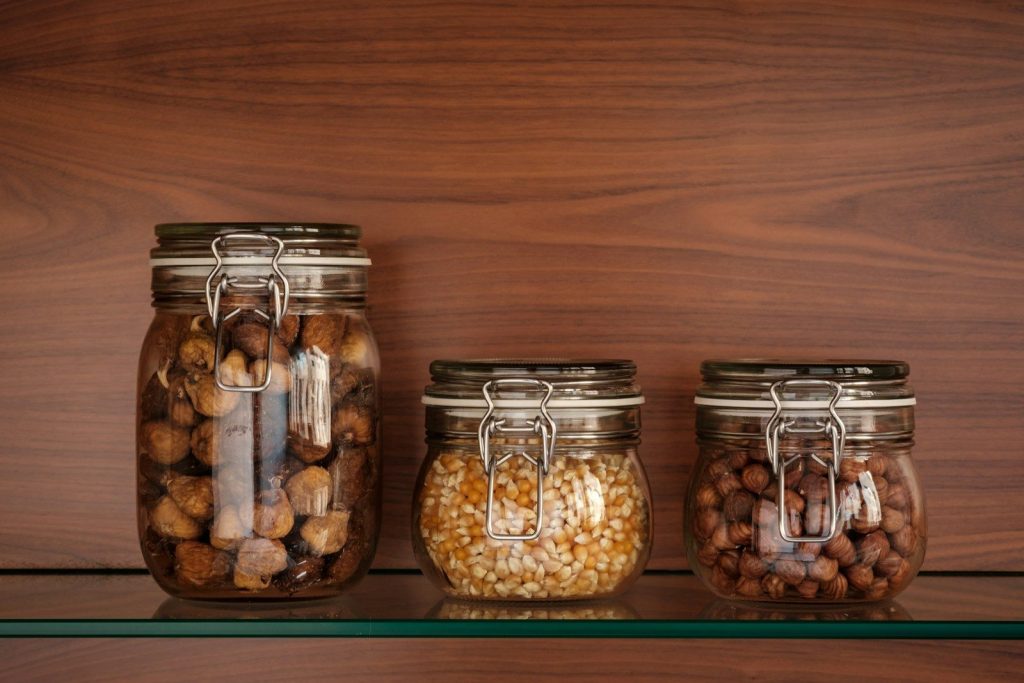
The foods on this list are not unusual or rare. They are everyday ingredients that end up in plastic containers in most kitchens because plastic is cheap, lightweight, and convenient. But convenience is the only real advantage plastic has over glass for food storage, and it is a small advantage compared to knowing that what goes into a glass container comes out exactly the same way it went in. Switching even the most frequently used containers to glass is one of the simplest and most lasting upgrades any kitchen can make.