

Most people treat the microwave like a universally safe appliance and assume that if something fits inside it can go in without a second thought. But several everyday kitchen items that routinely end up in the microwave are either releasing harmful chemicals, building up dangerous pressure, or creating a fire risk that has nothing to do with how long they are in there. Here is what needs to stop going in immediately.
Styrofoam Takeout Containers
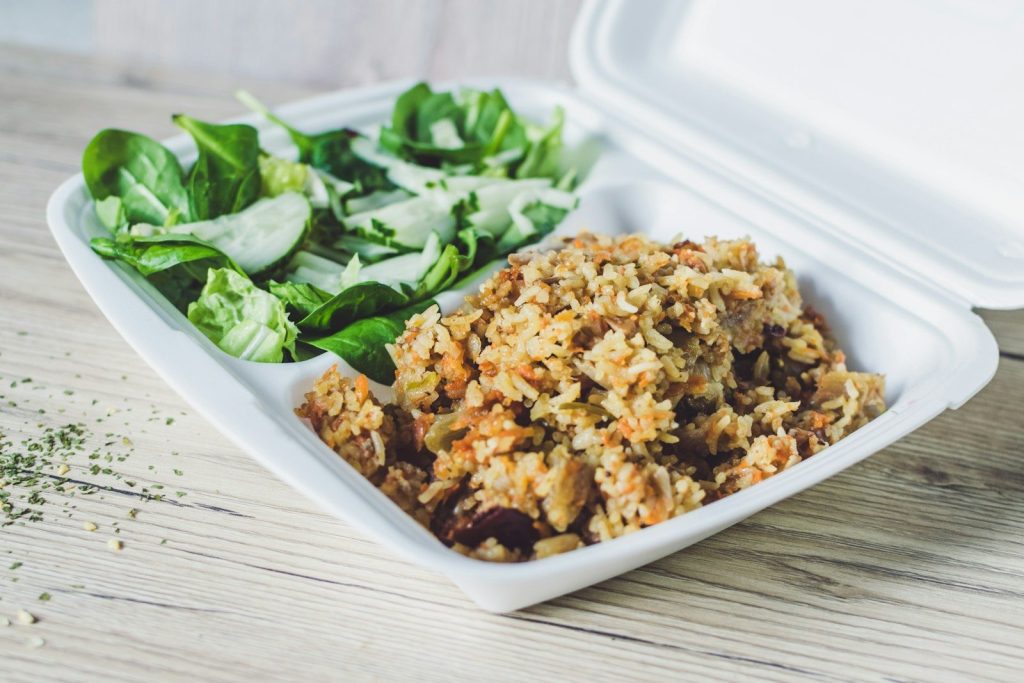
Styrofoam does not visibly melt straight away which is why most people assume it is safe. But the material begins releasing styrene, a compound linked to serious health concerns, the moment heat is applied. That chemical transfers directly into whatever food is sitting inside the container. Transferring takeout into a glass or ceramic dish before reheating takes ten extra seconds and removes the risk entirely.
Plastic Containers Without a Microwave-Safe Label
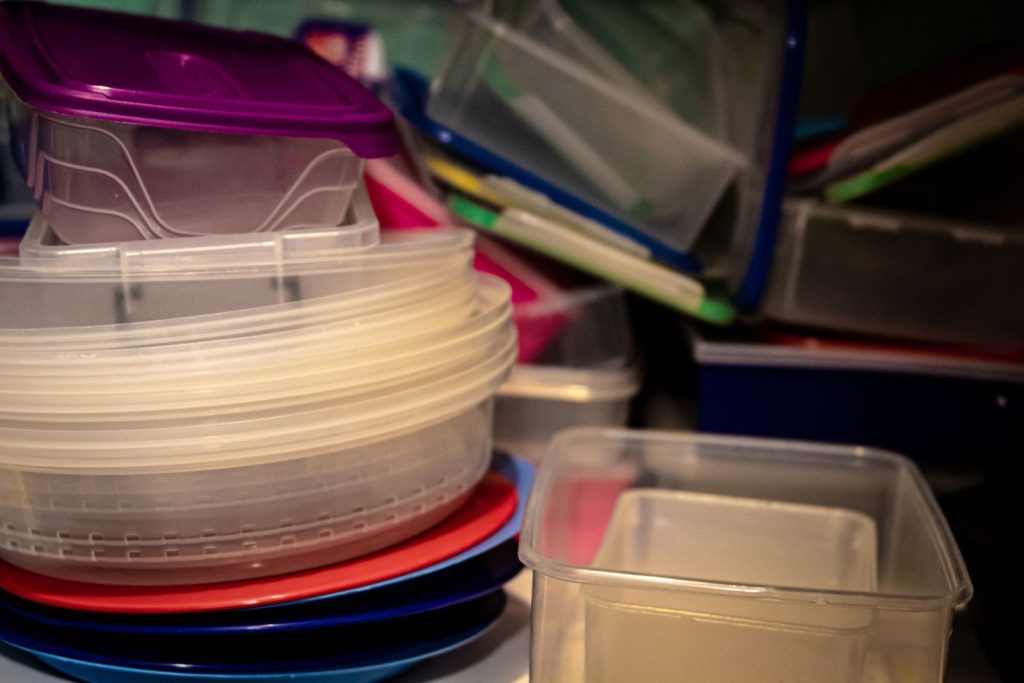
Not all plastic handles heat the same way and containers without a microwave safe label are not built to withstand it without breaking down chemically. Heating food in unlabeled plastic can cause compounds to leach directly into the food. The safest rule is simple. If the bottom of the container does not say microwave safe it does not go in.
Whole Eggs Still in the Shell
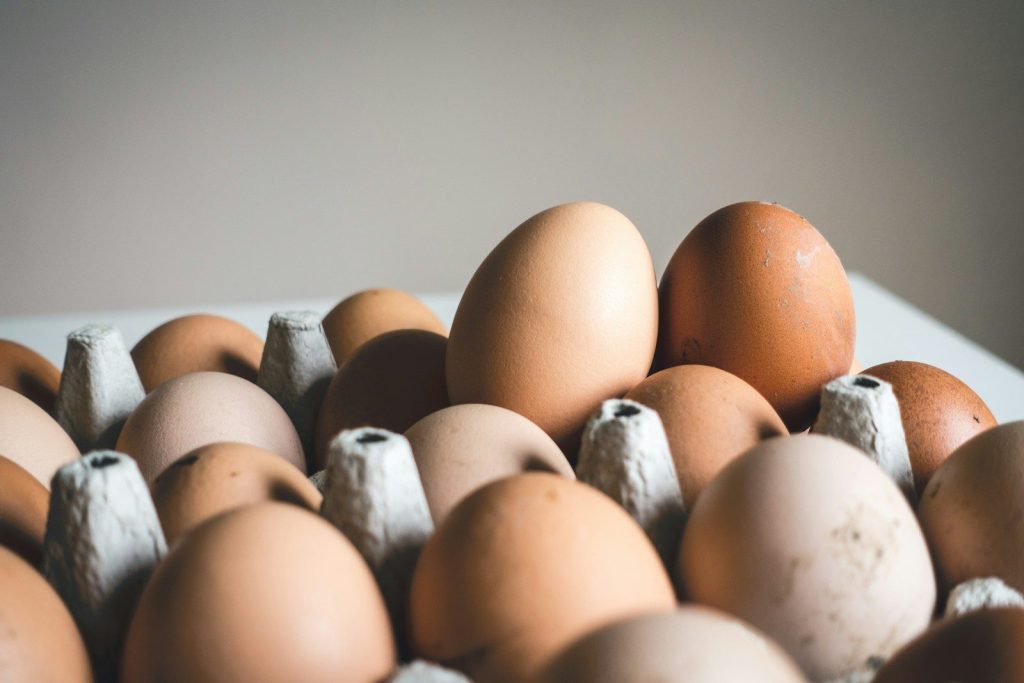
An egg heats from the inside out in a microwave and the steam building up inside the shell has nowhere to escape. The result is an egg that explodes either inside the appliance or the moment it is touched after heating. Even hard boiled eggs still in the shell carry this same risk when put back in for reheating.
Paper Bags, Including Grocery and Lunch Bags
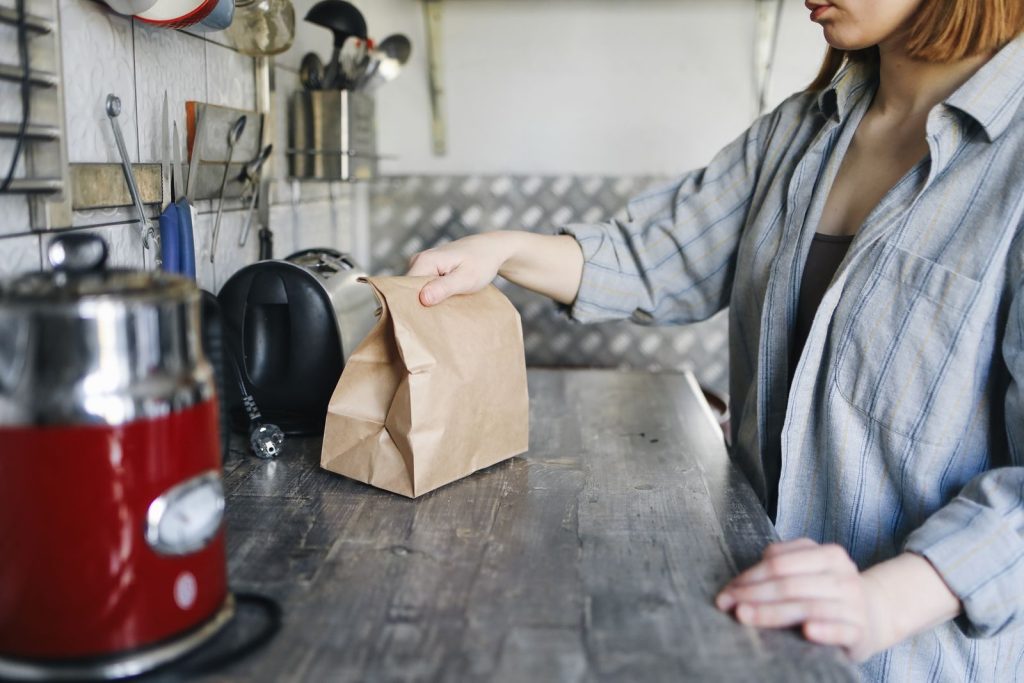
Standard paper bags are not built for microwave heat and can ignite faster than most people expect. The inks, dyes, and glues used in their construction add extra flammable materials to an already risky situation. Even paper bags that look plain and uncoated carry this fire risk when exposed to microwave heat for more than a few seconds.
Travel Mugs With Stainless Steel Interiors
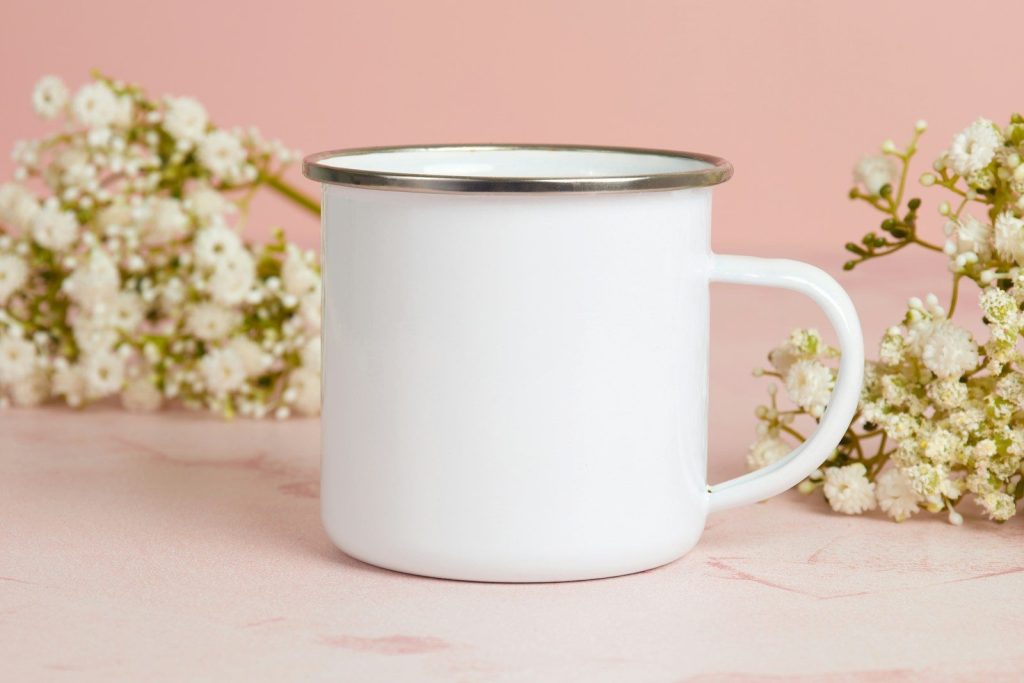
A travel mug that looks mostly plastic on the outside often has a stainless steel interior or vacuum insulated layer that makes it completely unsafe for microwave use. Metal inside a microwave causes arcing, the visible sparking that damages the interior of the appliance and can start a fire. Pouring the contents into a plain ceramic mug for reheating is always the safer option.
Takeout Containers With Any Metallic Trim
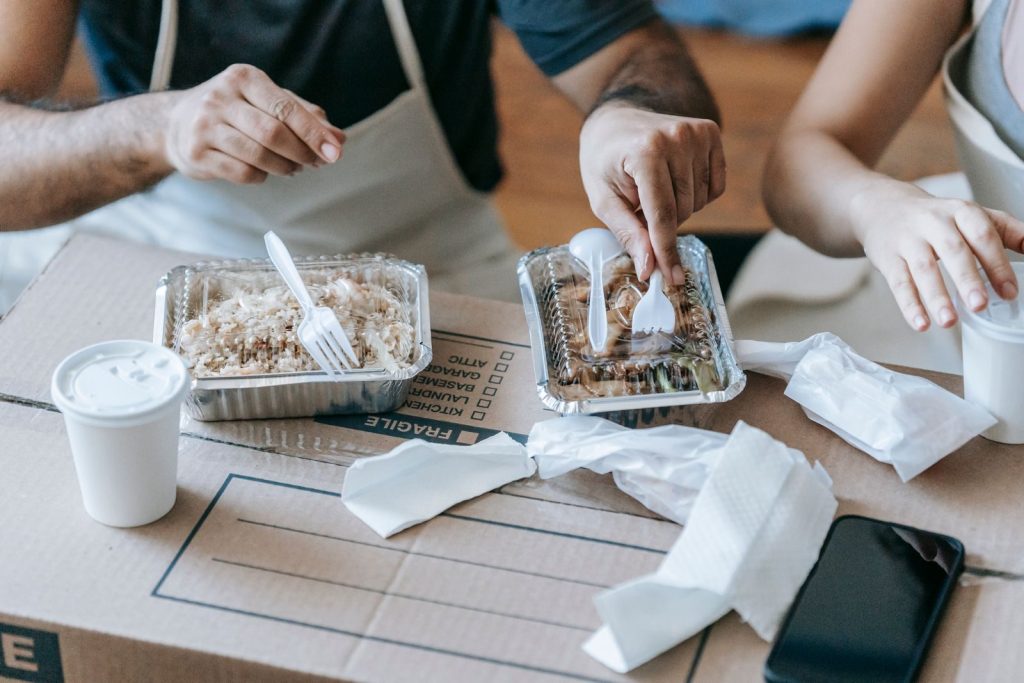
Containers that appear to be plain cardboard or paper often have a thin metallic lining or foil handles that are easy to overlook. Even a very small amount of metal inside a microwave is enough to cause sparking. Checking any container carefully before reheating and transferring food when there is any doubt is a habit that takes seconds and prevents damage that is costly to repair.
Grapes Cut in Half

This one surprises almost everyone. Halved grapes placed in a microwave can generate plasma, a superheated ionised gas that produces visible sparks and enough heat to damage the appliance’s interior. The specific shape and water content of a grape half create exactly the right conditions for this to happen, and it only takes a matter of seconds.
Your Microwave Works Hard Enough Without the Wrong Items Inside It

None of these items look obviously dangerous which is exactly why they keep ending up in microwaves every single day. A quick check before pressing start is all it takes to avoid chemical exposure, fire risks, and appliance damage that quietly adds up over time. The microwave is one of the most convenient tools in any kitchen and treating it right keeps it working safely for far longer than it would otherwise.