

Most people check the date on a package of ground beef and consider that enough. But the date alone tells you very little about what is actually happening inside the packaging. Ground beef goes through several visible and detectable changes before it ever reaches a dangerous point, and knowing how to read those signs turns a quick grocery stop into something that protects everyone eating at your table.
Surface Browning Is Normal, But Grey All the Way Through Is Not
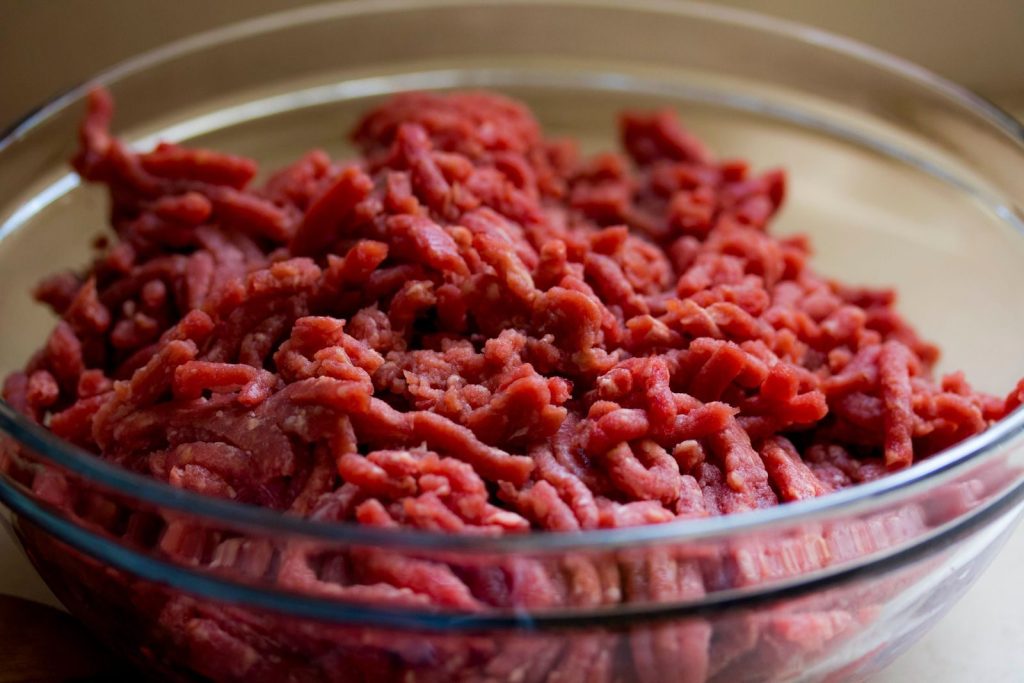
The bright red colour of fresh ground beef comes from oxygen reacting with myoglobin in the meat. The inside of a freshly packed portion is almost always naturally brown or grey because oxygen cannot reach it through the packaging. That is completely normal. What is not normal is meat that is uniformly grey or brown all the way through with no red anywhere, which signals that bacterial breakdown has already begun well past the surface.
A Pool of Dark Liquid at the Bottom of the Package Is a Warning

A small amount of pale pink liquid in a ground beef package is normal moisture release. Dark red or brownish liquid pooling at the bottom is a different story entirely. That liquid, called purge, forms when meat has been sitting long enough for proteins to break down and begin releasing fluid mixed with degraded myoglobin. The darker and more abundant it is, the longer the breakdown process has been underway.
A Package That Looks Puffed Up or Inflated Should Stay on the Shelf
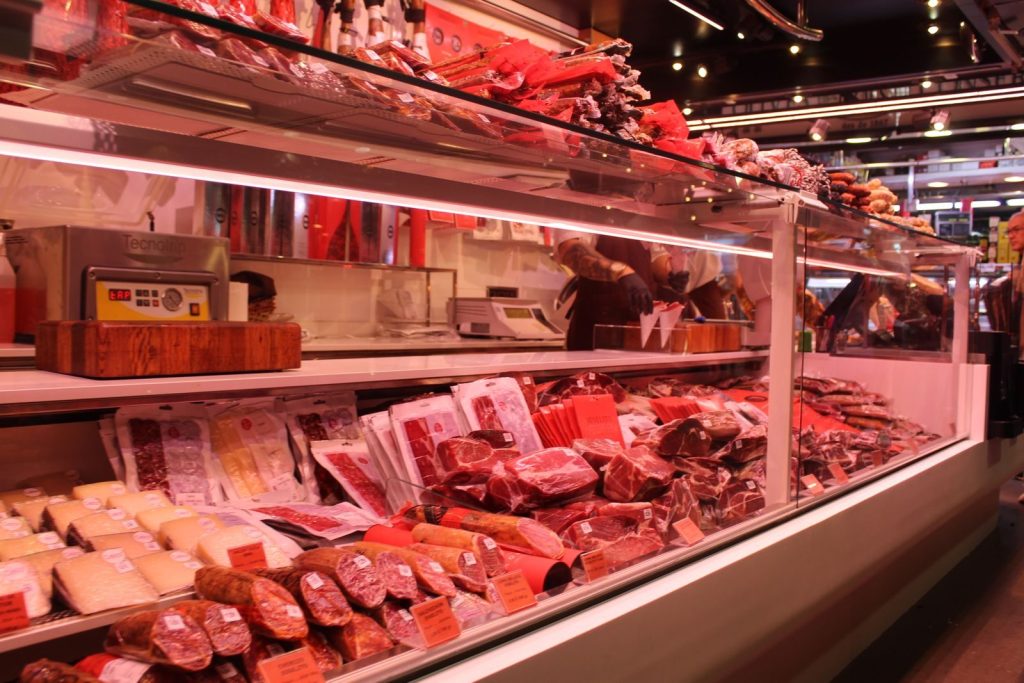
Vacuum-sealed or tightly wrapped ground beef packaging should sit flat and close against the meat. A package that looks bloated, puffed up, or inflated in the middle is showing a sign that gas-producing bacteria inside have been active long enough to visibly expand the seal. This is one of the clearest and most reliable red flags in any refrigerated section and one of the easiest to spot without picking the package up at all.
Sell By and Use By Are Not the Same, and Most People Treat Them as If They Are
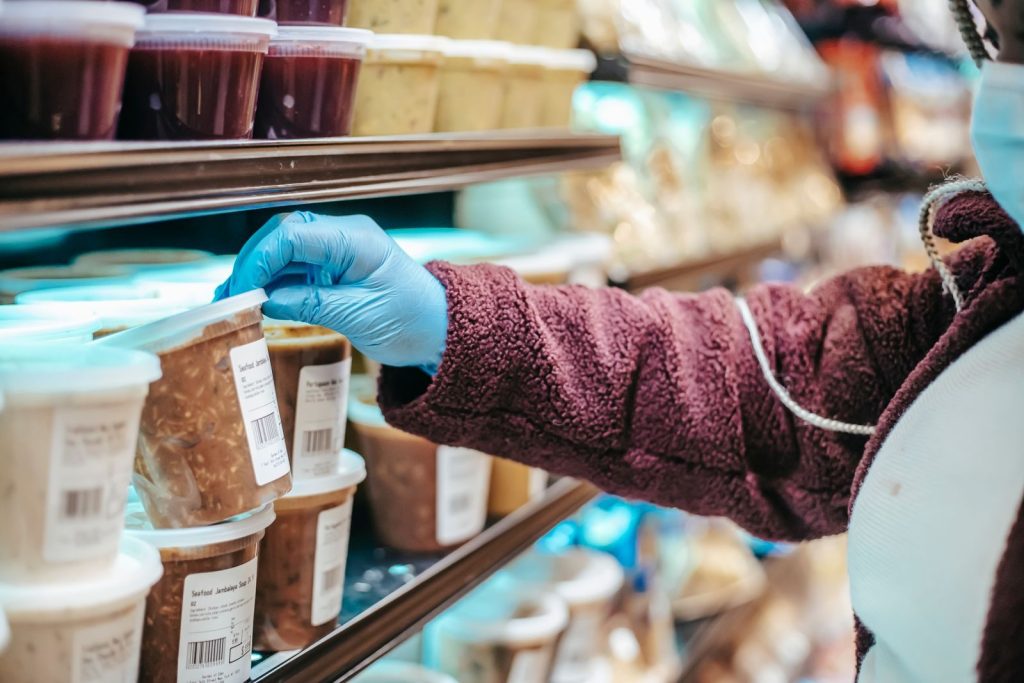
A sell by date tells the store how long to display the product, not how long it is safe to eat. Ground beef bought on its sell by date is typically still safe for one to two days if refrigerated immediately and stored correctly. A use by date is the real deadline and should be treated as non-negotiable. Picking up a package without knowing which type of date is printed on it is one of the most common and easily avoidable mistakes in the meat aisle.
Fresh Ground Beef Has Almost No Smell at All

This is the red flag most people are least confident acting on because smell feels subjective. It is not. Fresh ground beef has a very faint, almost neutral odour. Any sour note, any tang, any ammonia-like quality, even a very mild version of it, means bacteria are already active and producing waste compounds inside the meat. If it smells like anything other than almost nothing, it should not go in the cart.
A Package That Feels Warmer Than the Others Around It Has Already Been Through a Danger Zone

Ground beef sitting in a refrigerated display case should feel uniformly cold when picked up, the same temperature as every other package around it. A package that feels noticeably warmer than its neighbors has either been handled and returned, placed near a vent pushing warmer air, or sat outside the safe temperature range long enough to begin bacterial activity. Temperature is invisible but it is one of the most reliable indicators of whether meat has been handled correctly from the point of processing to the point of purchase.
Bulk Bin Ground Beef Without a Visible Fat Ratio Label Is Worth Skipping

Packaged ground beef sold in labeled portions clearly states the lean to fat ratio, whether it is 80/20, 85/15, or 90/10. Unlabeled bulk bin portions from a display case where the ratio is absent or unclear make it impossible to know what you are cooking with, which directly affects cooking time, shrinkage, and food safety since higher fat content changes how quickly the meat reaches a safe internal temperature throughout.
What You See Before You Buy Is the Only Quality Check You Get
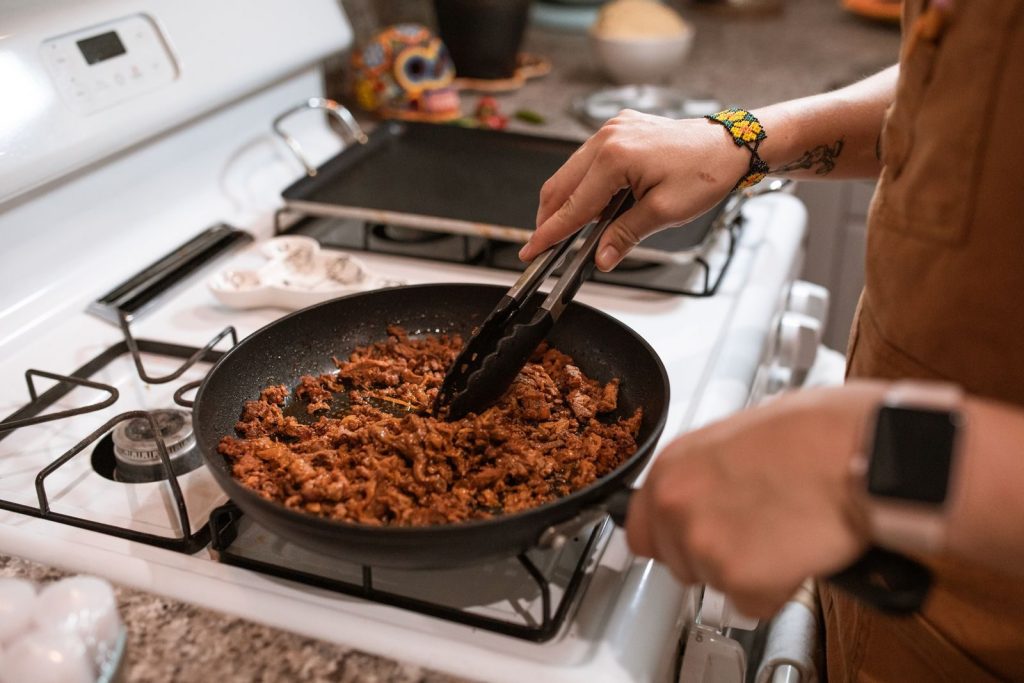
Once ground beef leaves the store there is no way to undo a bad purchase decision, and no amount of cooking fully compensates for meat that was already compromised before it hit the pan. These checks take less than thirty seconds at the display case and are the only real opportunity to know what you are bringing home before it matters.