

Squirrels dig in garden beds for the same reason every time: they are searching for something to eat, and bulbs and seeds are often exactly what they are after. Most of the usual fixes involve cages, sprays, or constant replanting. But certain plants are naturally unappealing to squirrels because of how they smell or what they contain, which means the right plant in the right spot can do the work without any extra effort once it is in the ground.
Daffodils Protect Whatever Grows Around Them
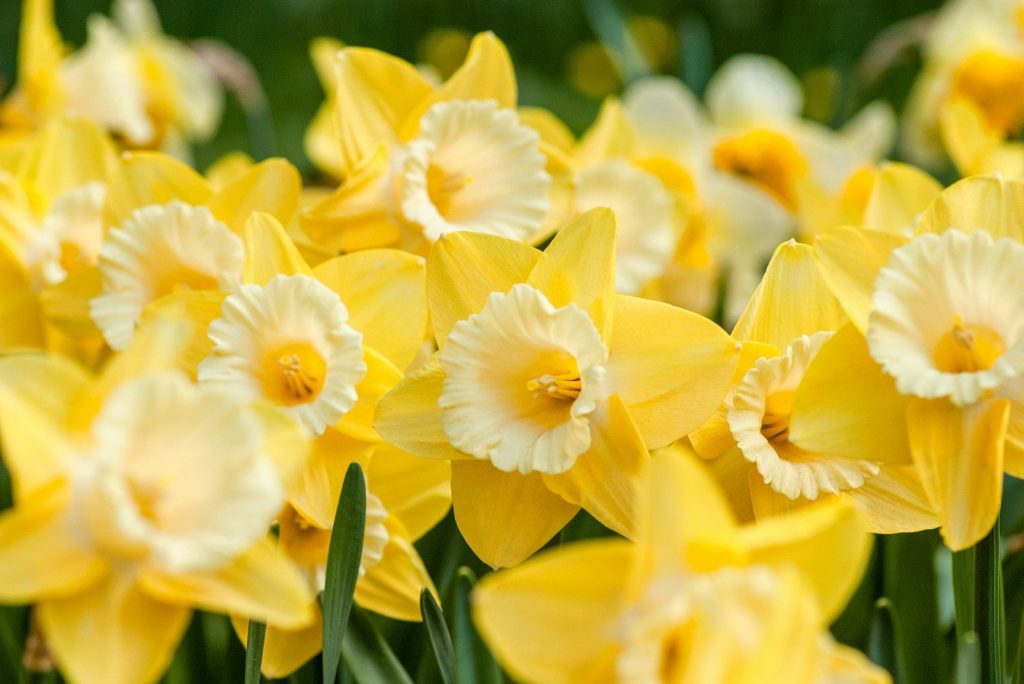
Daffodil bulbs contain a bitter, toxic compound that squirrels recognize and avoid almost immediately. Planting a ring of daffodils around bulbs that squirrels actually love, like tulips, creates a kind of protective border that keeps digging away from the more vulnerable bulbs underneath.
The Allium Family Works as a Living Scent Barrier
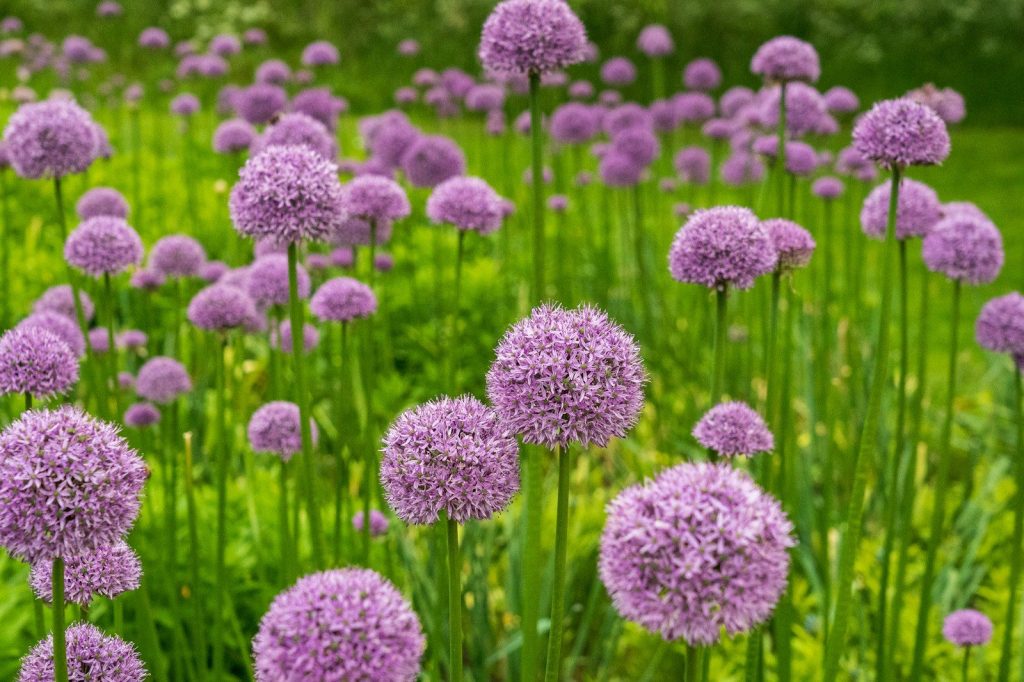
Onions, garlic, and chives all share the same pungent sulfur smell that humans barely notice in a garden setting, but squirrels find overwhelming. Planting members of the allium family along the edges of a bed or scattered between other plants creates a scent barrier that squirrels tend to steer clear of entirely.
Mint in Pots Covers the Smell Squirrels Are Following
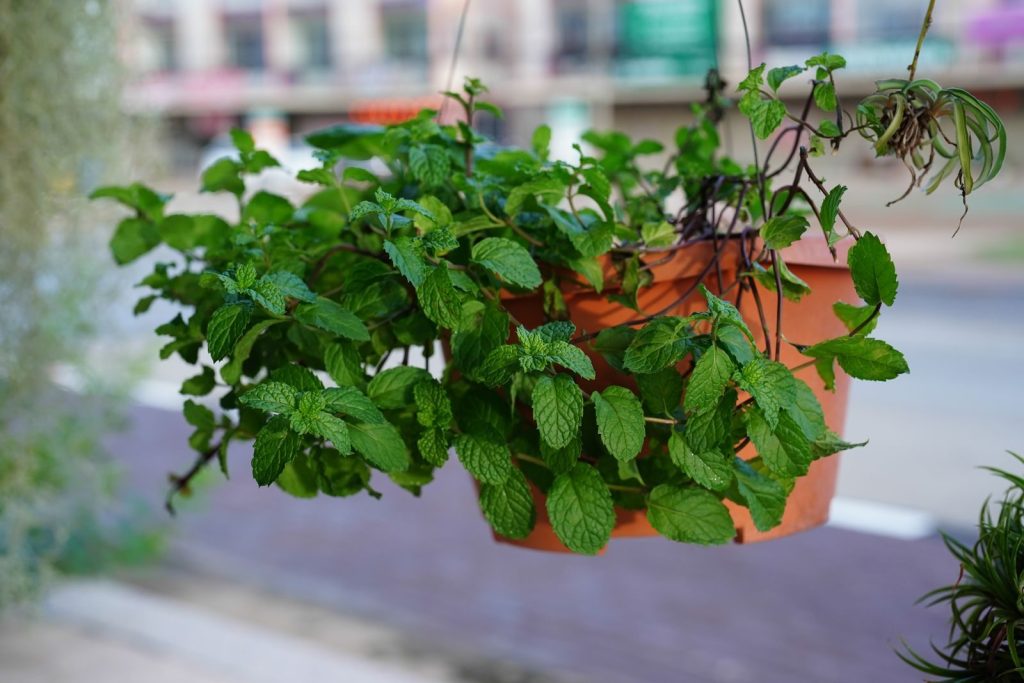
Squirrels often locate bulbs by smell rather than sight, and mint’s strong scent is enough to mask whatever they are searching for underneath. Since mint spreads aggressively if planted directly in soil, keeping it in pots placed around vulnerable beds gets the scent benefit without it taking over everything else.
Marigolds Do More Than Add Color

Marigolds have a sharp, slightly bitter scent that many garden pests avoid, and squirrels are no exception. A border of marigolds around a vegetable patch or flower bed works as both a visual edge and a scent deterrent, and they are one of the easiest flowers to grow from seed each season.
Hyacinths Smell Wonderful to Us and Terrible to Them
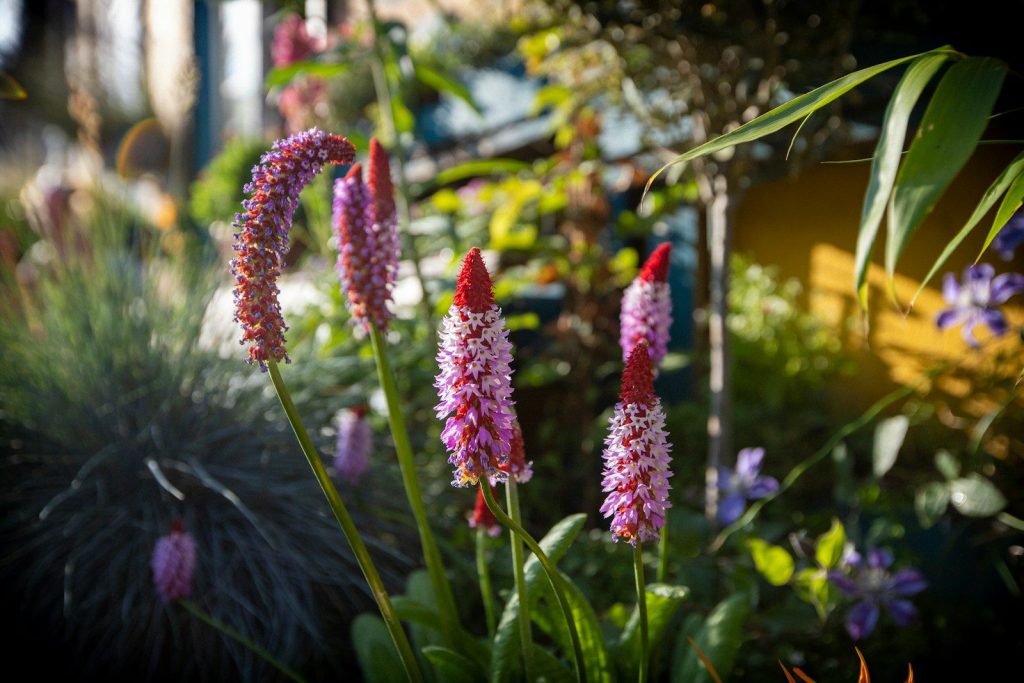
The same strong fragrance that makes hyacinths a favourite for spring gardens is exactly what makes squirrels keep their distance. Mixing hyacinth bulbs in among other spring bulbs spreads that scent through the whole bed rather than just one corner of it.
Fritillaria Has a Smell Squirrels Never Forget
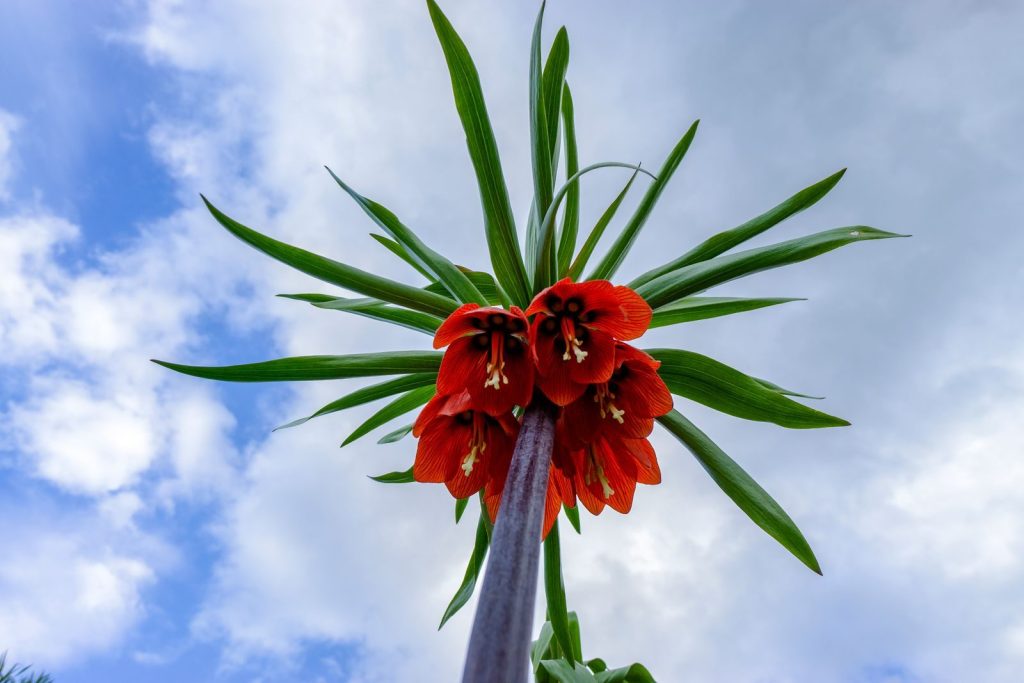
Crown imperial fritillaria bulbs give off a distinct, musky odor often compared to a skunk, and it is just as off putting to squirrels and other rodents as it sounds. A few of these bulbs planted among tulips or other bulbs squirrels typically target can protect the entire bed through smell alone.
Peppermint Oil Buys Protection for Bulbs Already in the Ground

For beds that are already planted and cannot be redone, soaking cotton balls in peppermint oil and tucking them into the soil near bulbs creates an invisible barrier that squirrels tend to avoid digging through. It is a simple way to apply the same scent-based protection without changing what is already growing.
A Garden That Works With Nature Instead of Against It

None of these plants require traps, sprays, or constant monitoring once they are established. They simply make the garden a less interesting place for squirrels to dig in the first place, which is a far more lasting solution than reacting to the damage after it happens. A little planning at planting time means a lot less frustration later in the season.