

Blueberries have earned a reputation as one of the healthiest fruits in the produce aisle, but they are also surrounded by plenty of shopping myths. Some assumptions sound logical at first glance, yet they can lead shoppers to spend more, choose lower-quality fruit, or overlook better options.
Knowing what actually matters when buying blueberries can help you get better flavor, longer-lasting fruit, and more value for your grocery budget.
Here are nine grocery store blueberry myths that can cost you money.
Choose the Bigger Blueberries
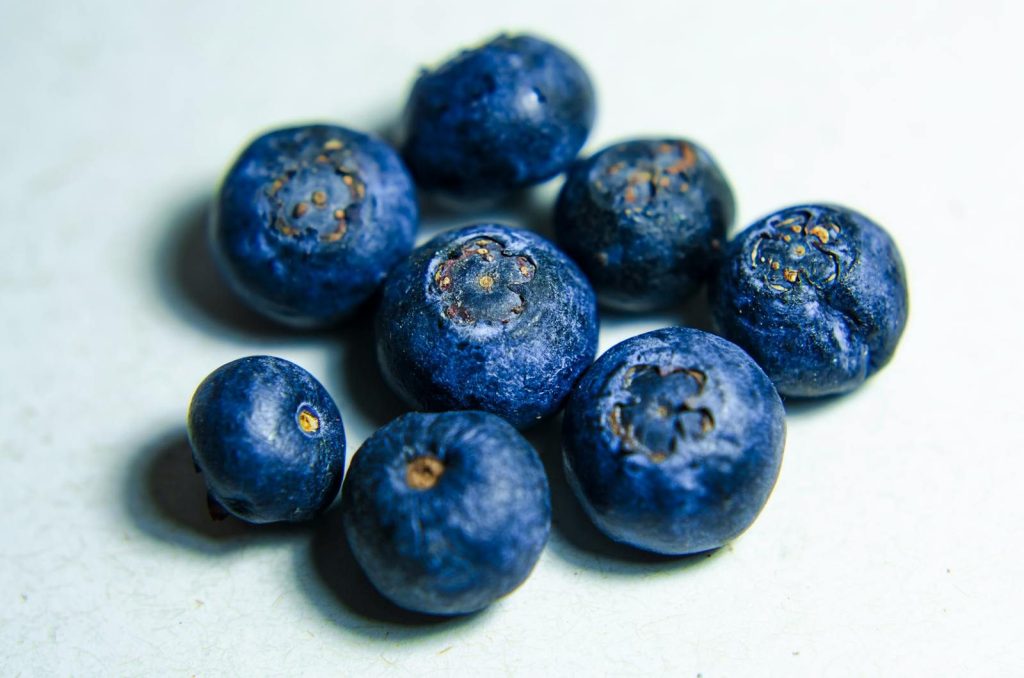
Large blueberries often catch shoppers’ attention because they look plump and impressive. Many people assume bigger berries automatically mean better quality.
In reality, size says very little about sweetness or flavor. Some smaller varieties are known for having a more concentrated taste, while certain large berries are grown primarily for appearance and durability during shipping.
Choosing blueberries based on firmness and overall condition often leads to a better eating experience than focusing on size alone.
Shiny Blueberries are the Freshest Ones
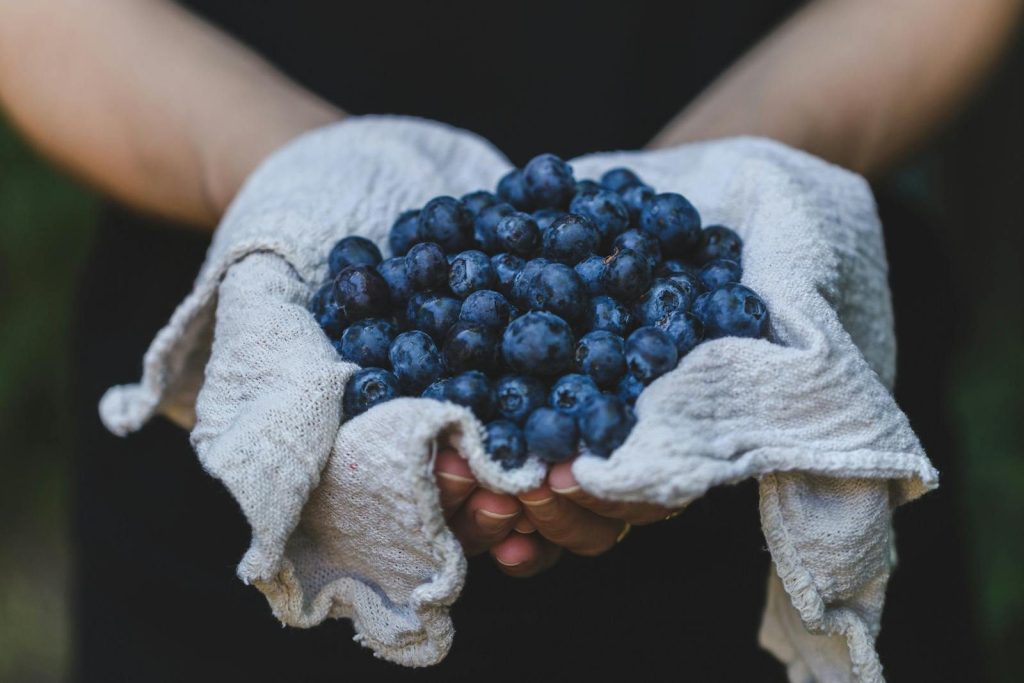
Many shoppers instinctively reach for fruit with a bright, polished appearance.
Blueberries naturally develop a soft silvery coating called bloom. This protective layer helps reduce moisture loss and is often a sign that the berries have been handled carefully.
Berries that appear extremely shiny may simply have lost some of that natural coating through handling and transport.
Look for Organic Blueberries
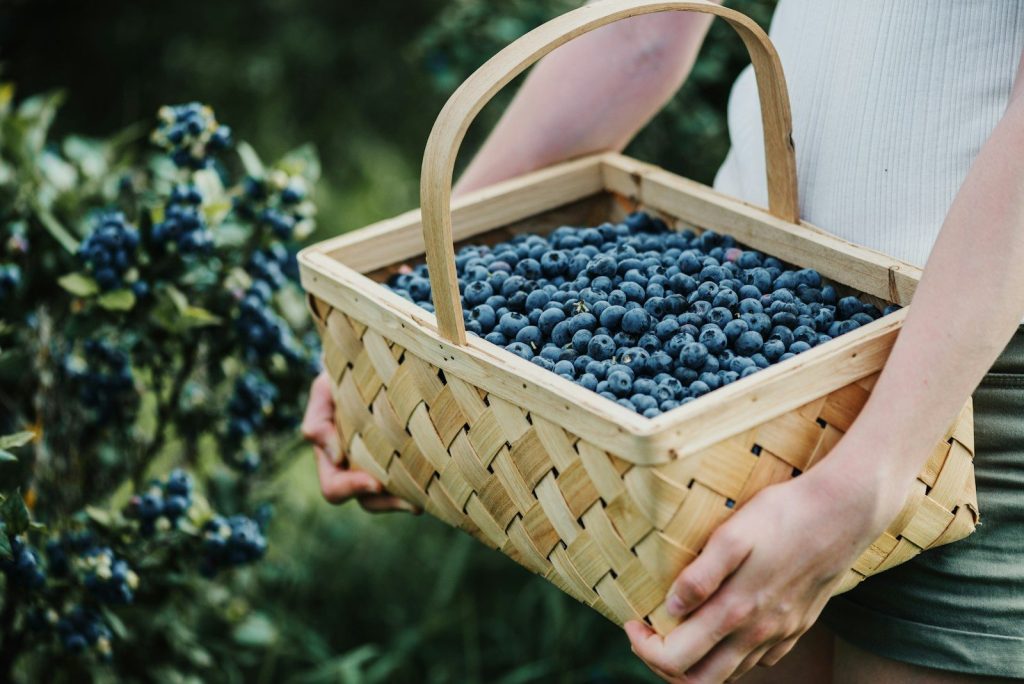
Organic farming practices are important to many consumers, but organic certification does not automatically guarantee sweeter or fresher fruit.
Flavor is influenced by factors such as variety, growing conditions, harvest timing, and storage practices.
A well-grown conventional blueberry may taste far better than an organic berry that was harvested early or stored for an extended period.
Fresh Blueberries Over Frozen
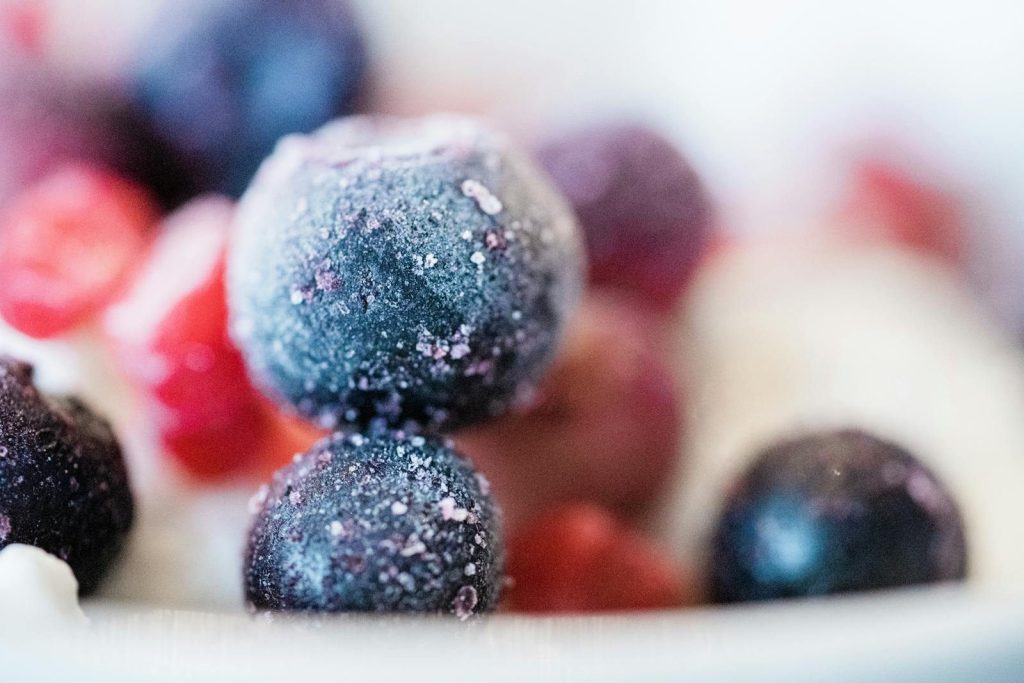
Fresh blueberries are excellent when they are in season, though frozen blueberries deserve more credit than they often receive.
Many frozen berries are processed shortly after harvest when ripeness is near its peak. This helps preserve flavor and nutritional value.
For smoothies, baking, sauces, and oatmeal, frozen blueberries can sometimes provide better consistency and value than fresh berries that have spent days traveling through the supply chain.
Blueberries Last a Long Time No Matter How You Store Them
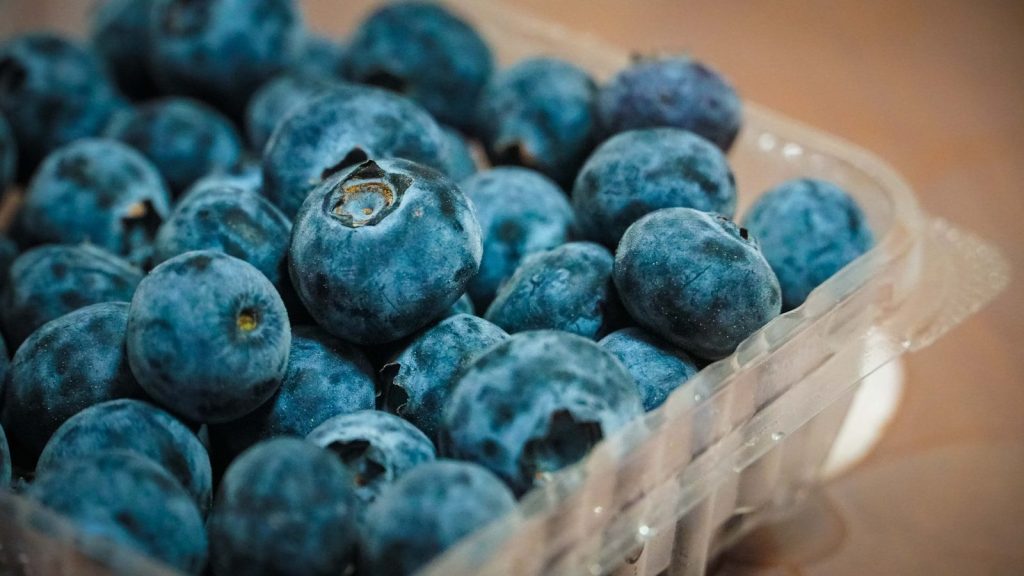
Many shoppers assume blueberries are naturally durable and will remain fresh for days regardless of storage conditions.
Blueberries are surprisingly sensitive to moisture. Excess water can encourage mold growth and shorten their shelf life significantly.
Keeping them refrigerated and waiting to wash them until just before eating can help extend freshness.
Every Blueberry Variety Tastes the Same
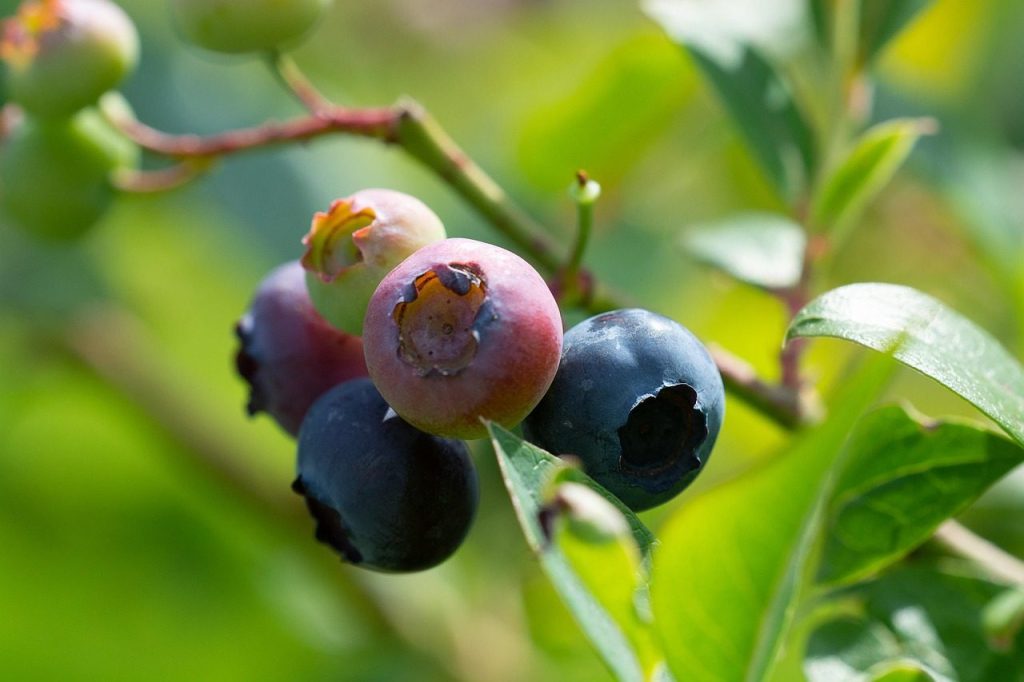
Most grocery stores simply label berries as “blueberries,” which makes it easy to assume they are all identical.
Different varieties can vary noticeably in sweetness, tartness, texture, and size. Some are bred for flavor, while others are selected for shipping durability or longer shelf life.
The differences may be subtle, but regular blueberry buyers often notice them.
Out-of-Season Blueberries Are Just as Good as Peak-Season Berries

Modern supply chains make blueberries available nearly year-round, but availability does not always equal quality.
During peak season, blueberries are often harvested closer to ripeness and spend less time in storage or transit. Out-of-season berries may travel much farther before reaching store shelves.
Paying premium prices for out-of-season fruit does not always result in the best flavor.
A Perfect-Looking Container Means Every Berry Is Fresh
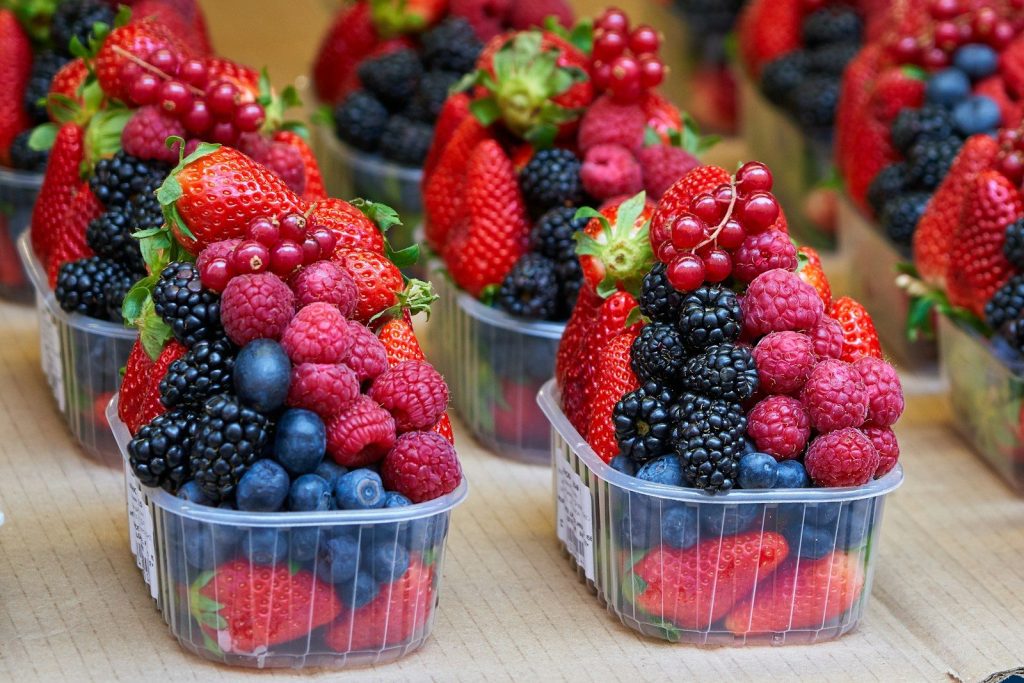
The top layer of blueberries is often what shoppers see first, but appearances can be deceiving.
A container may look flawless from above while hiding crushed berries, leaking juice, or mold near the bottom.
Taking a moment to inspect the entire package can help avoid bringing home fruit that spoils faster than expected.
Better Blueberries Start With Better Information
Many grocery store myths persist because they sound reasonable, yet small misconceptions can influence shopping decisions in ways that affect both quality and value. Understanding what truly matters when selecting blueberries can help you enjoy better flavor, reduce waste, and get more from every purchase.
The next time you’re standing in front of the berry display, a closer look may tell you far more than the label ever could.