

Plant protein has carried a lot of baggage for decades, most of it built on outdated research or assumptions that never held up once scientists actually went looking. These myths tend to make eating more plant-based food feel far more complicated and restrictive than it really is. Here is what the science actually says once the old rules get put to the test.
You Have to Combine Proteins at Every Single Meal
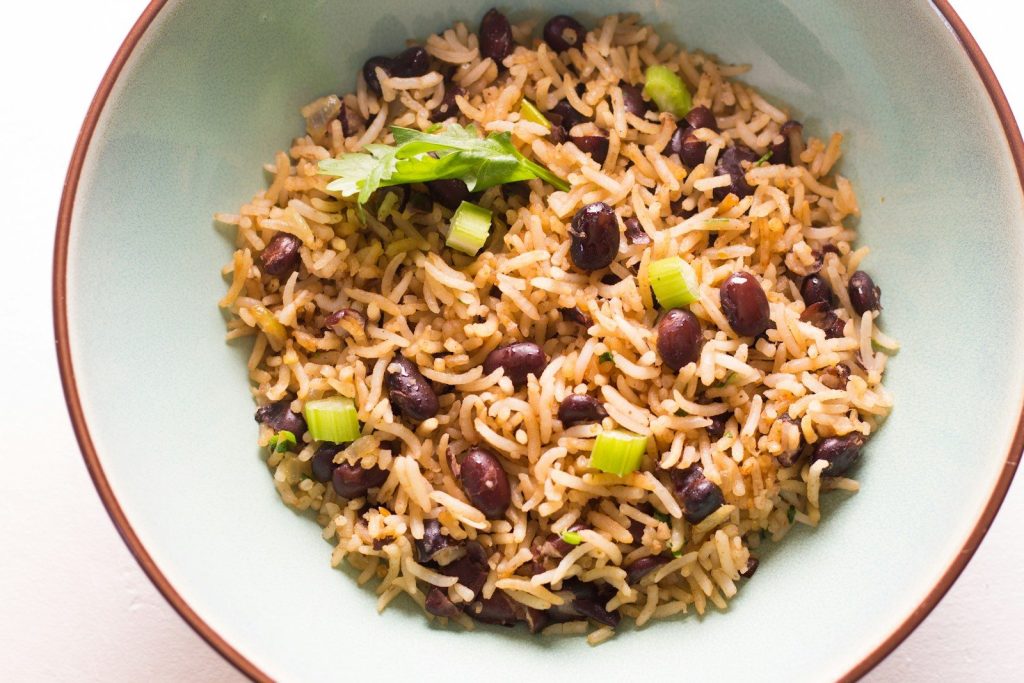
This is the classic one. The idea that rice and beans, or peanut butter and bread, must be eaten together at the exact same meal or the protein somehow does not count. Research has since shown that the body holds onto a pool of amino acids throughout the day, drawing from whatever was eaten in recent meals. Eating a variety of plant proteins across the day works just as well as pairing them perfectly at every sitting.
Plant Protein Cannot Build Muscle Like Animal Protein Can
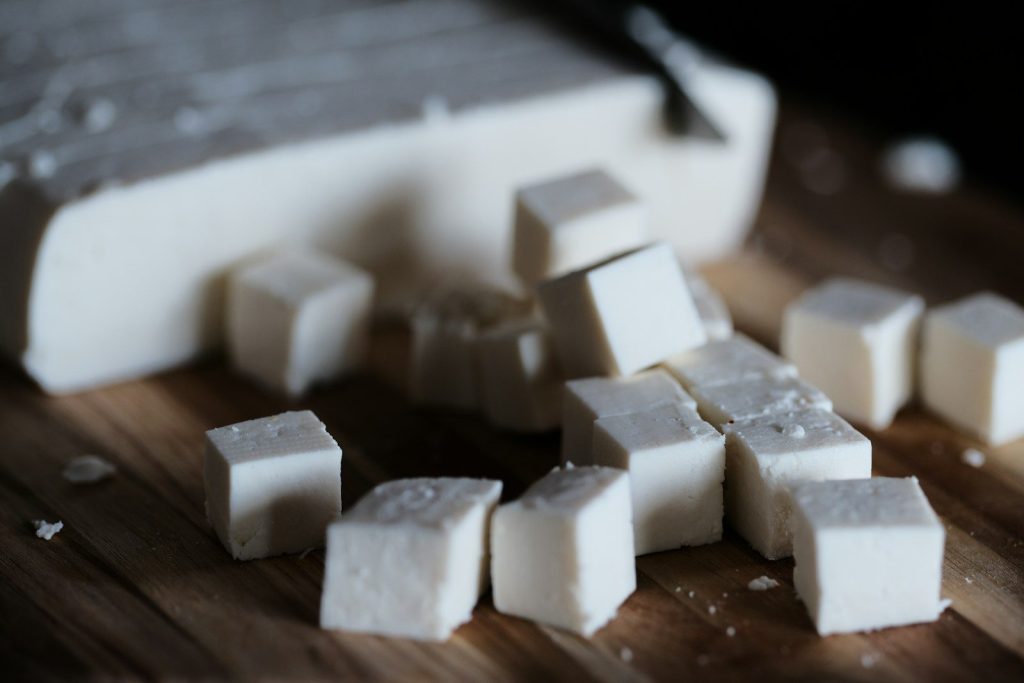
Studies that match total protein intake between plant-based and animal-based diets show similar results for muscle growth and strength. What actually matters is hitting your overall protein target for the day, something that is entirely achievable through foods like lentils, tofu, and tempeh in regular portions.
Soy Messes With Your Hormones
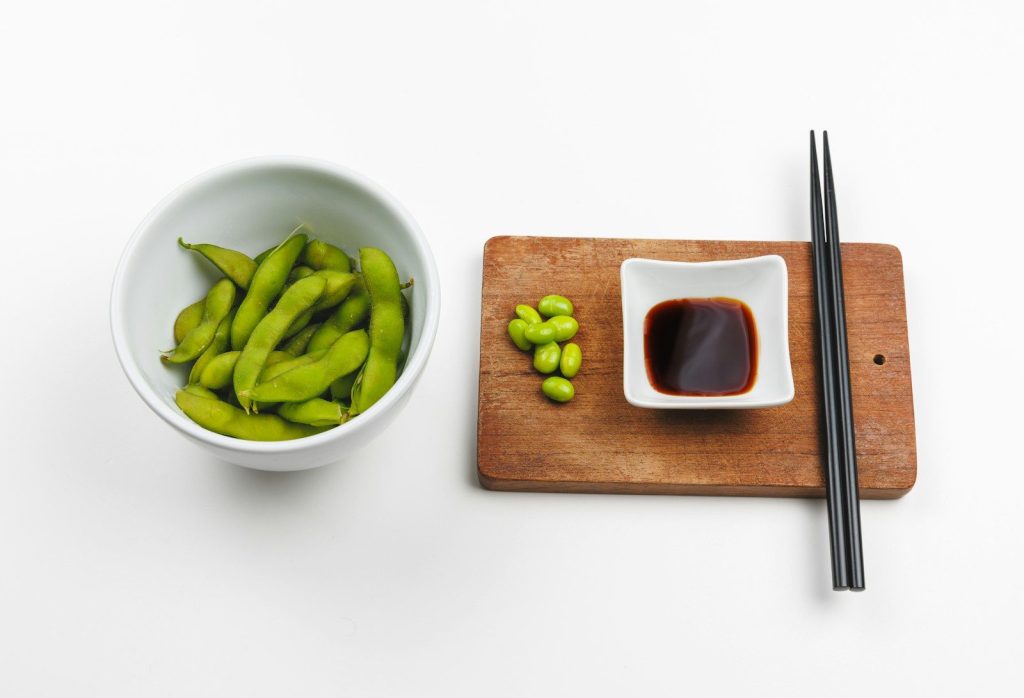
This myth traces back to early studies that used extremely high doses of isolated soy compounds in animals, results that never reflected how people actually eat. Large scale studies looking at populations where soy is a dietary staple have found no evidence supporting this claim at normal levels of consumption.
Plant Protein Does Not Get Absorbed as Well
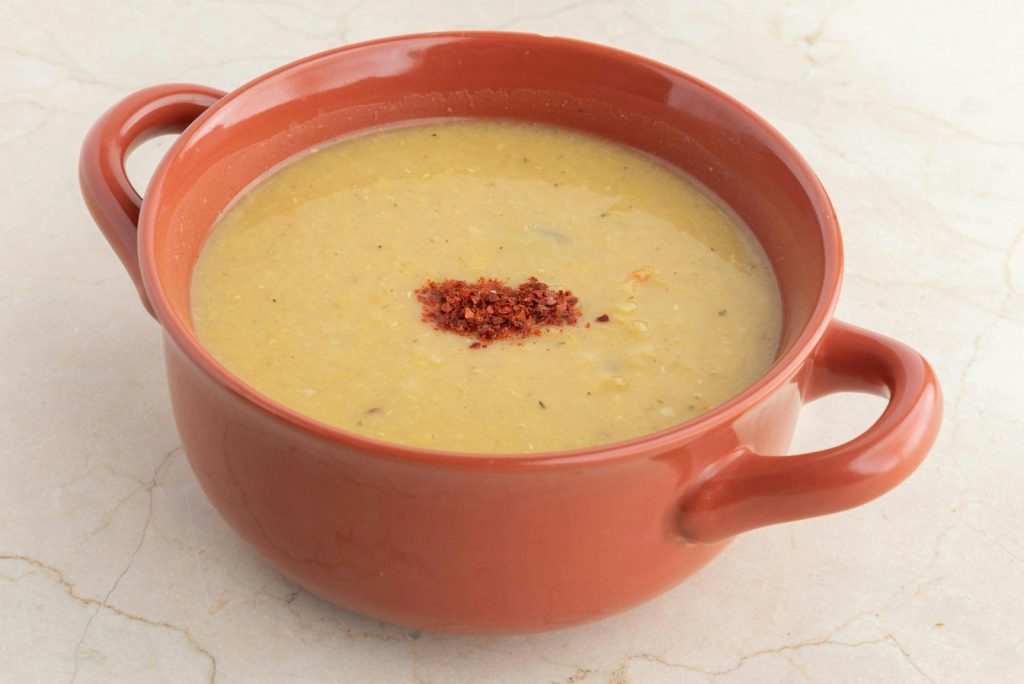
Some plant proteins do score slightly lower on digestibility when measured in isolation, but cooking, soaking, and basic food prep close most of that gap. Across a varied diet eaten over the course of a day, the difference becomes small enough that it has little practical effect for most people.
You Need Quinoa or Other Superfoods to Hit Your Numbers
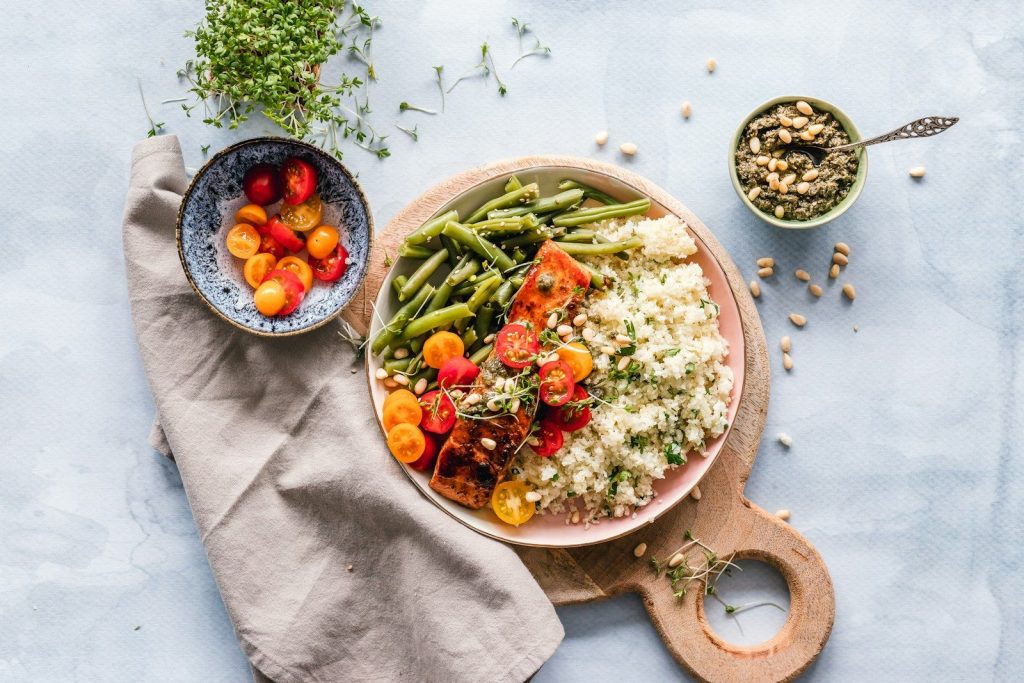
Quinoa gets singled out so often that it sounds like the only plant food worth eating for protein, but everyday staples like oats, peanut butter, whole grain bread, and lentils all add up just as effectively. None of it needs to be expensive or hard to find.
Going Plant-Based Automatically Means Low Protein
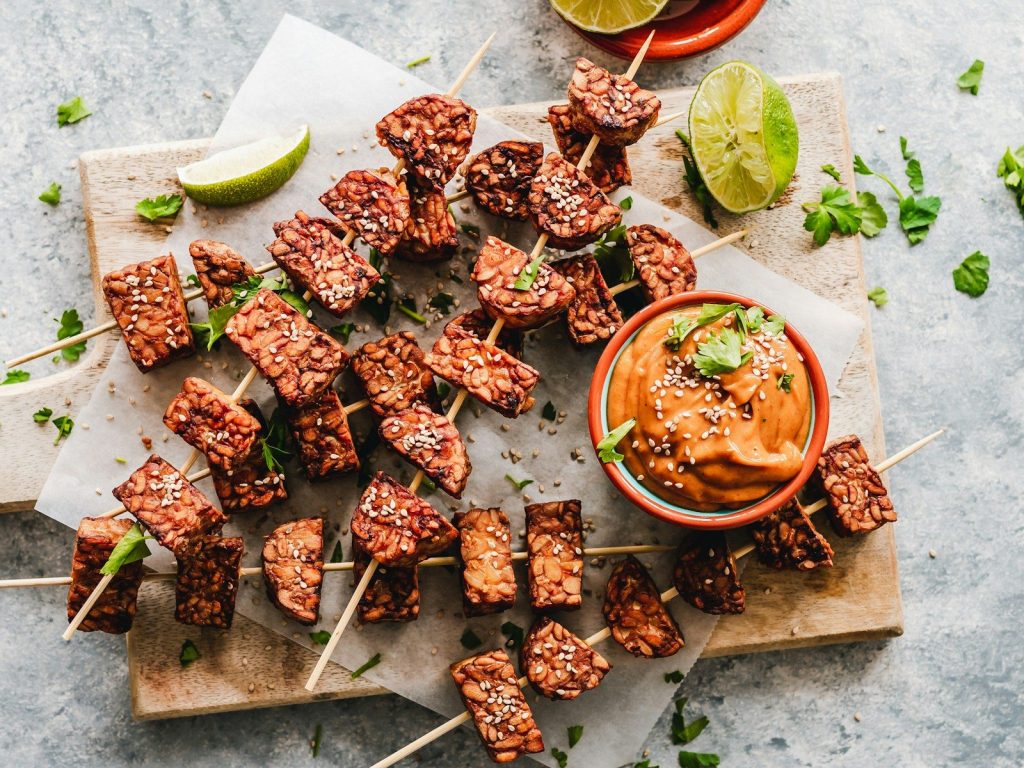
Protein intake comes down to what is actually on the plate, not which food group it falls under. A diet built around foods like tempeh, seitan, lentils, and edamame can easily meet typical protein targets, while a diet heavy in refined carbs falls short regardless of whether it includes meat or not.
You Need Protein Powder to Make It Work
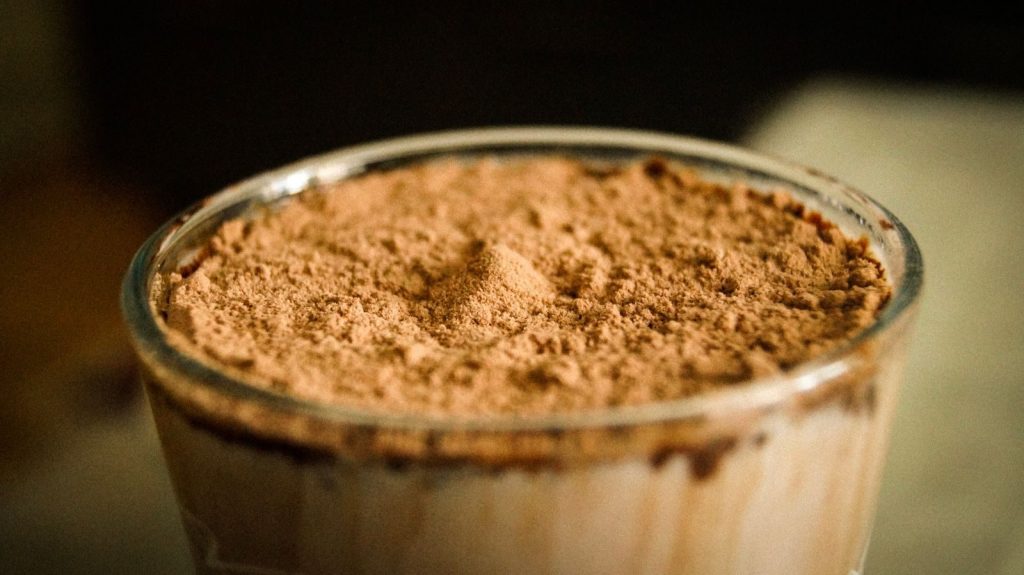
Protein powder is a convenience, not a requirement. Whole foods like lentils, chickpeas, nuts, and soy products can meet daily protein needs on their own. Powder can help fill gaps on busy days, but it is an addition to a plant-based diet, not the foundation of one.
The Myths Were Bigger Than the Reality
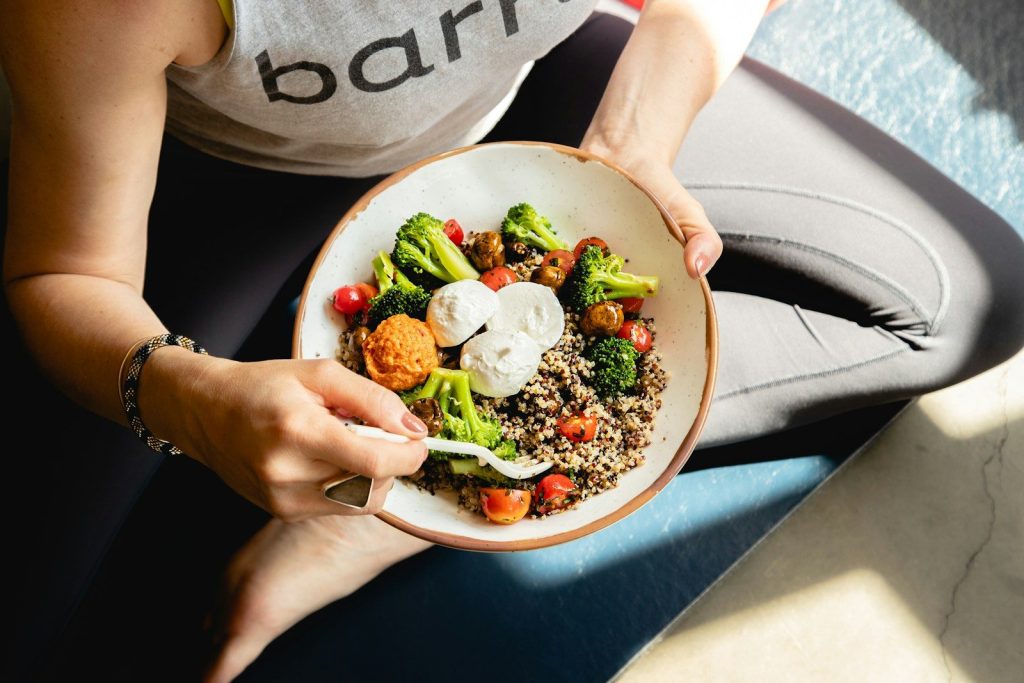
Most of these ideas stuck around simply because they sounded reasonable, not because the evidence ever backed them up. Once the actual research gets a closer look, getting enough protein from plants turns out to be far more straightforward than the old rules made it seem. The real work is just eating a varied diet, not memorising a list of complicated pairing rules.