

Inflammation is something most people only think about when something hurts, but a lot of it builds up quietly through everyday habits, including how fruit gets eaten, prepped, and stored. The fruit itself usually is not the problem. The part that gets thrown away, the timing, or the way it is served often matters just as much as the fruit itself. Here is how to get more out of fruit you are probably already buying.
Tart Cherry Juice Before Bed Does Double Duty
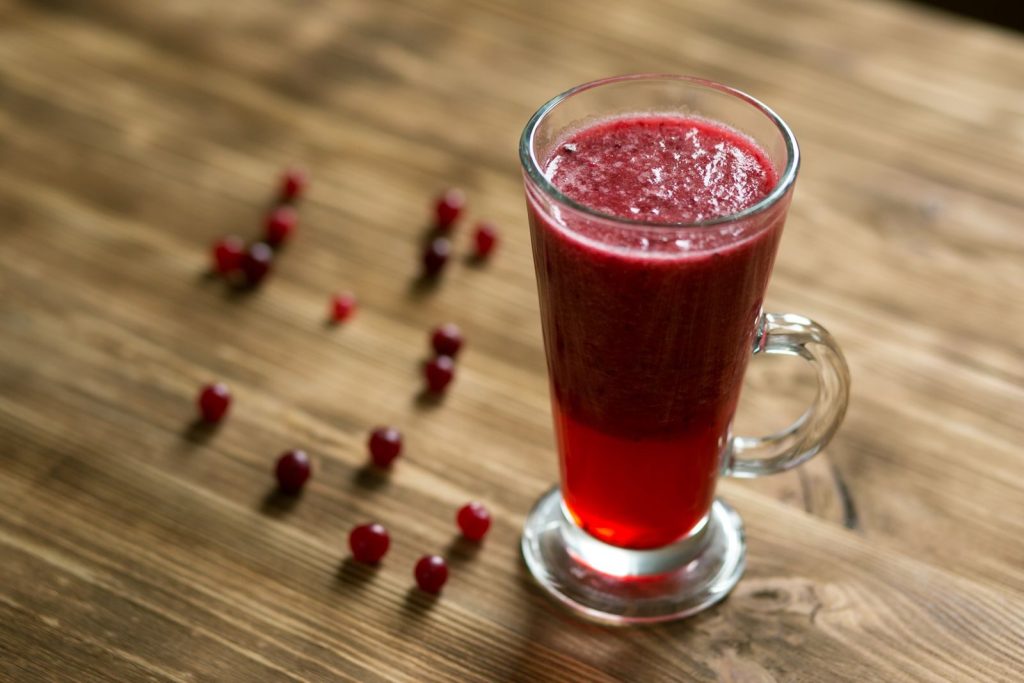
Tart cherries are one of the few natural sources of melatonin, and they are also rich in anthocyanins, the same antioxidants responsible for their deep red color. Drinking a small glass of tart cherry juice in the evening has been linked to lower markers of inflammation and better sleep quality at the same time, making it one of the rare habits that works on two fronts with a single glass.
Frozen Berries Hold Onto Just as Much Power as Fresh
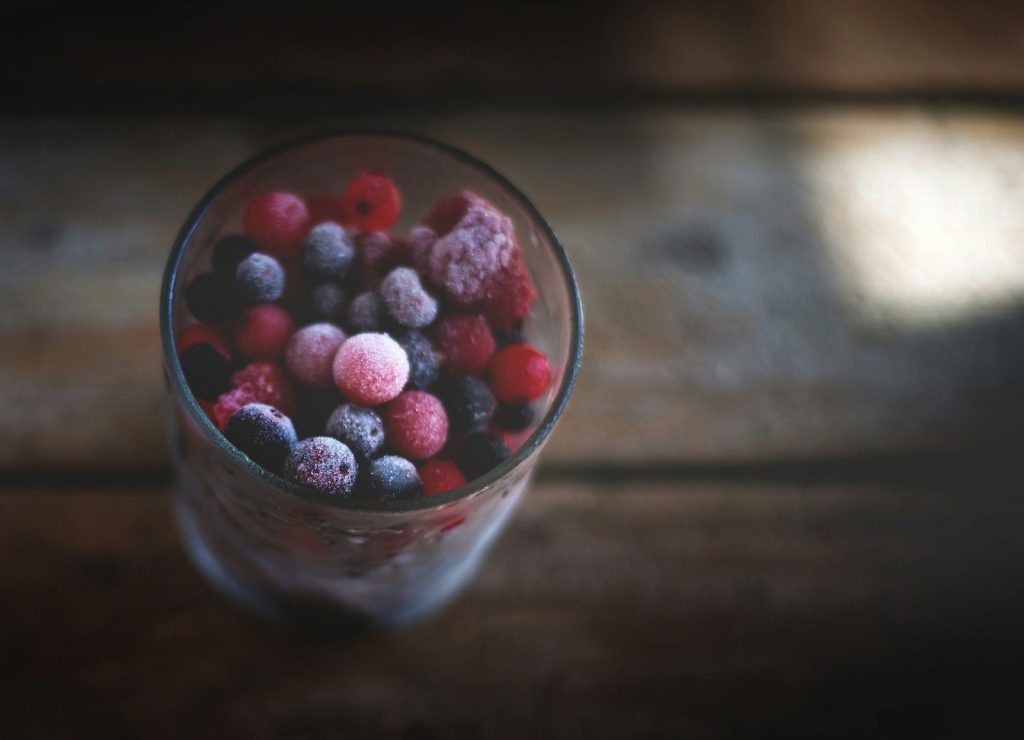
Many people assume fresh berries are always the better choice, but berries are typically frozen at peak ripeness, which locks in their antioxidant content at its highest point. Frozen blueberries, blackberries, and raspberries retain nearly all of their anti-inflammatory compounds, cost less, last longer, and are ready to toss into oatmeal, smoothies, or yogurt straight from the freezer.
The Pineapple Core Is the Most Skipped Part
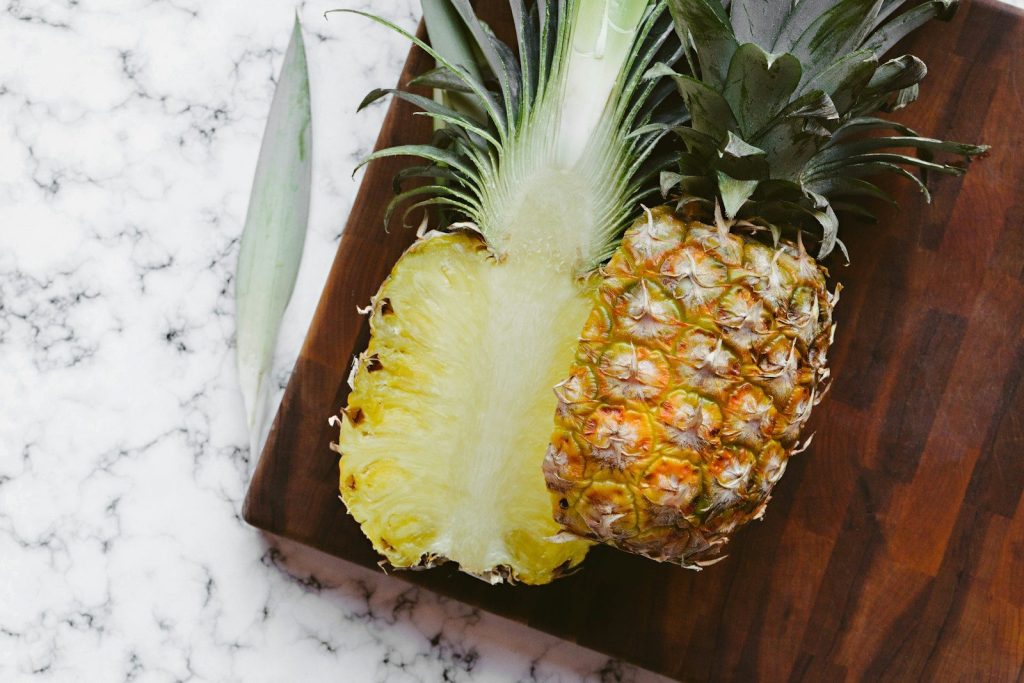
Most people cut around the tough core of a pineapple and throw it away, but that core actually contains the highest concentration of bromelain, an enzyme known for reducing inflammation and aiding digestion. Blending the core into a smoothie is an easy way to use a part of the fruit that almost always ends up in the trash.
Eating the White Pith on Citrus Is Worth the Bitterness
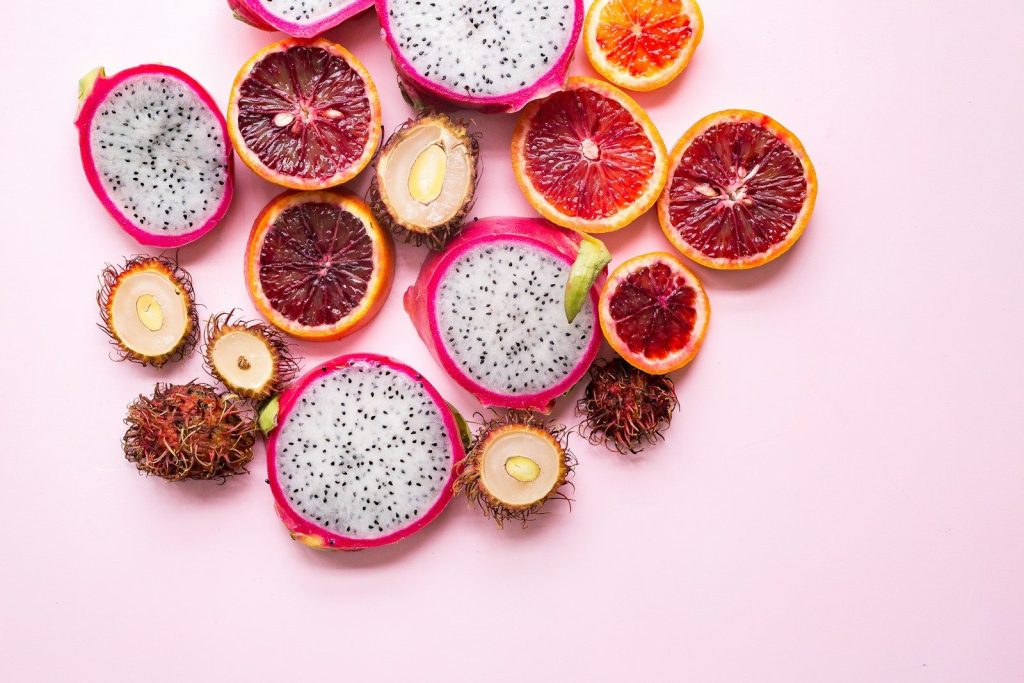
The white, spongy layer between the peel and the flesh of an orange or grapefruit is often peeled away and discarded because of its bitter taste, but this pith is where a large share of the fruit’s flavonoids are concentrated. Leaving a little of it intact when you eat citrus segments adds a meaningful boost of anti-inflammatory compounds for very little extra effort.
Pomegranate Seeds Freeze Into the Easiest Snack
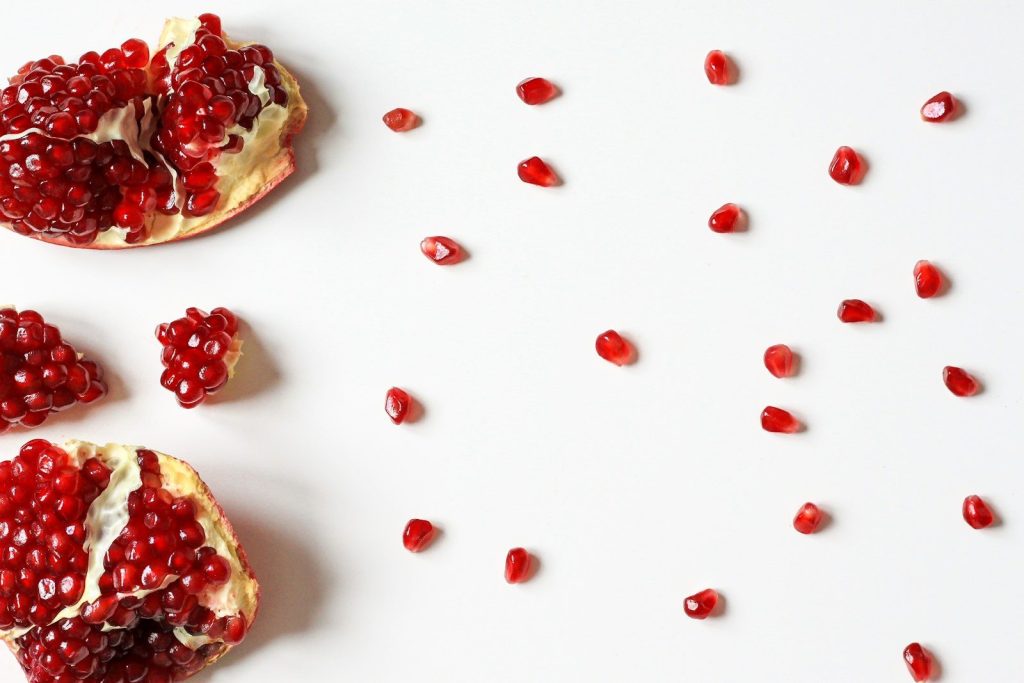
Pomegranates are loaded with punicalagins, powerful antioxidants shown to reduce inflammation markers in several studies, but the seeds can be tedious to deal with fresh. Removing the seeds once and freezing them in a single layer turns a high-effort fruit into a grab-and-go snack that is just as potent straight from the freezer.
Grapes Work Harder When You Freeze the Whole Bunch
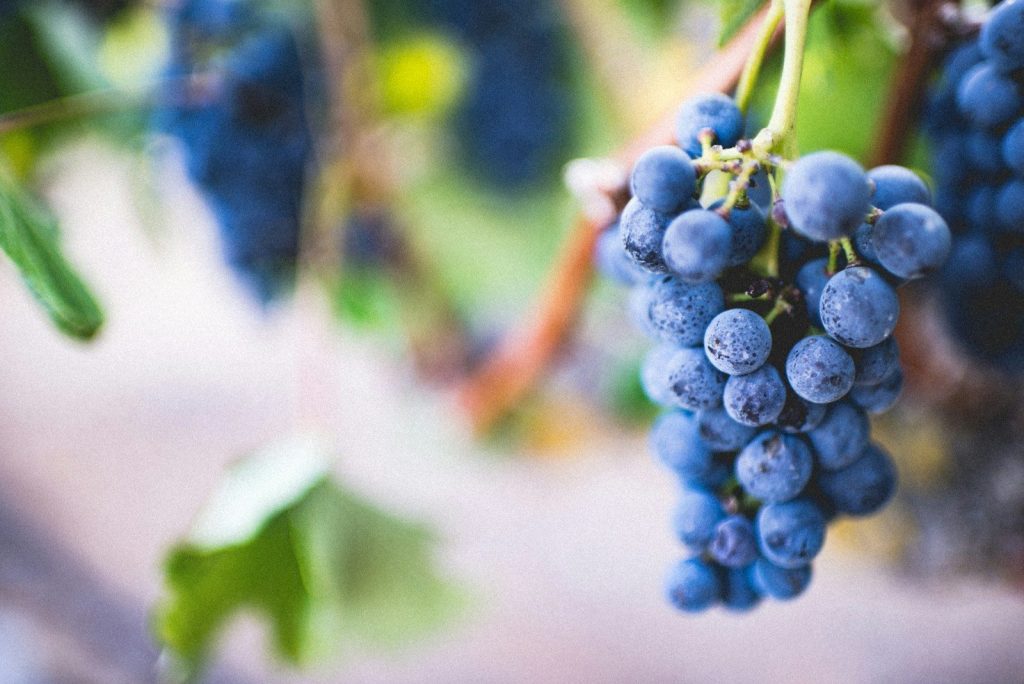
Red and purple grapes contain resveratrol, an antioxidant concentrated mainly in the skin, which means eating the whole grape matters more than the variety you choose. Freezing grapes whole not only makes them last longer, it also turns them into a naturally sweet, slow melting treat that satisfies a craving without any added sugar.
Kiwi Skin Is Edible and Adds More Than You Think
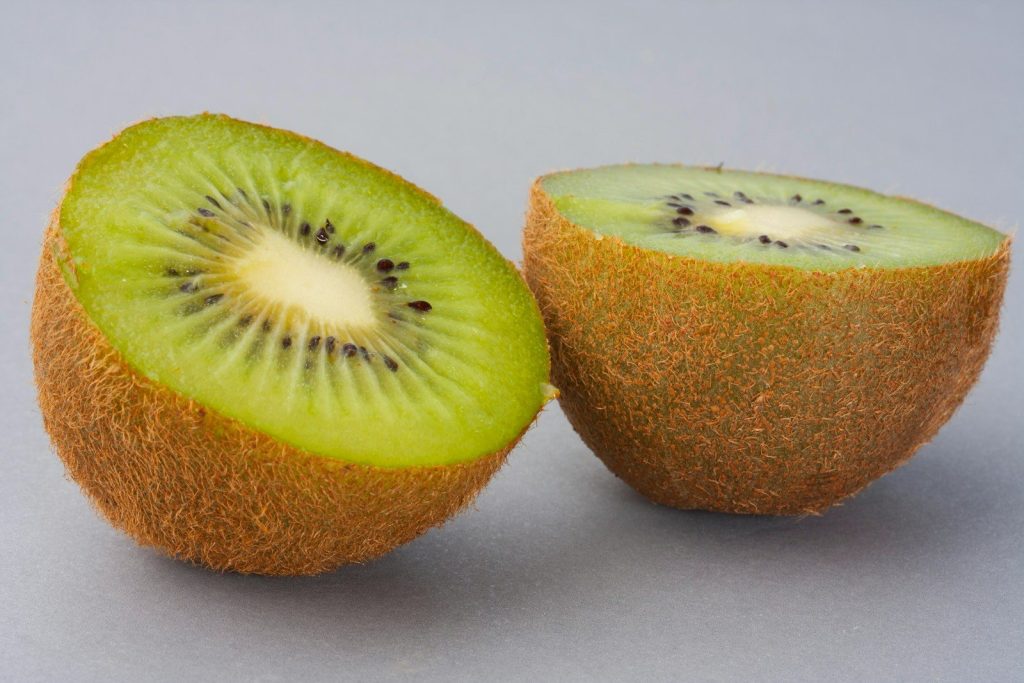
The fuzzy skin of a kiwi is almost always peeled off and thrown away, but that skin contains nearly as much fiber as the flesh itself, along with extra vitamin C and antioxidants. A quick rub to remove some of the fuzz is all it takes before eating a kiwi whole, skin included, for a fiber boost most people are missing entirely.
Avocado Pairs Best With a Little Fat From Somewhere Else
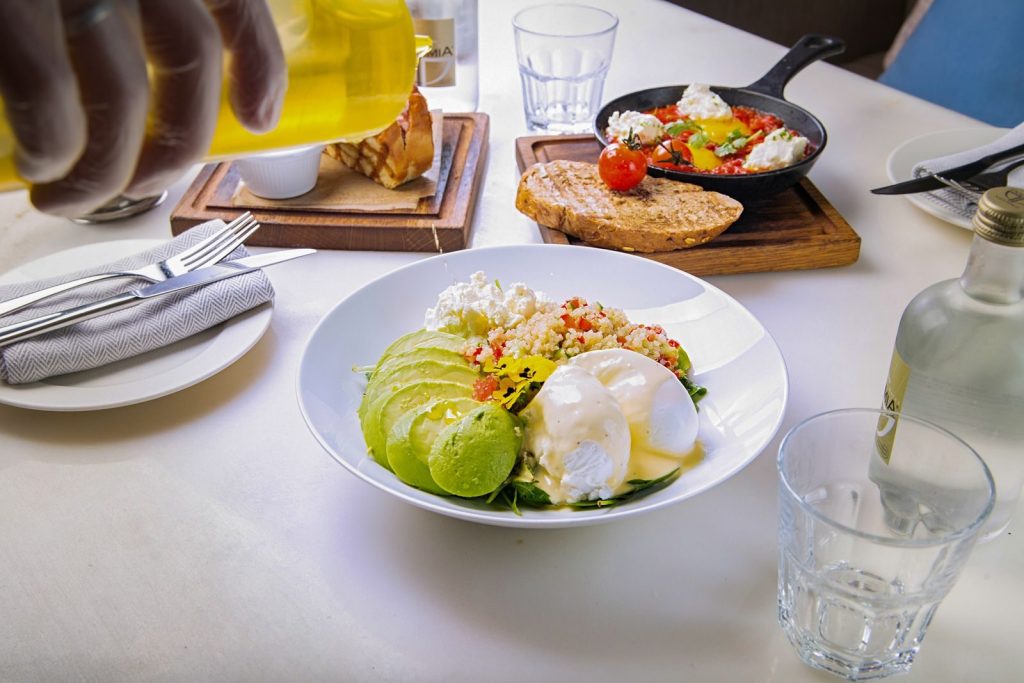
Avocados are already rich in healthy fats, but they also contain carotenoids, compounds the body absorbs more effectively in the presence of additional fat. A drizzle of olive oil or a sprinkle of seeds on top of avocado does not just add flavor, it actively helps your body access more of what is already inside the fruit.
Watermelon Rind Is Not Just for the Compost Bin
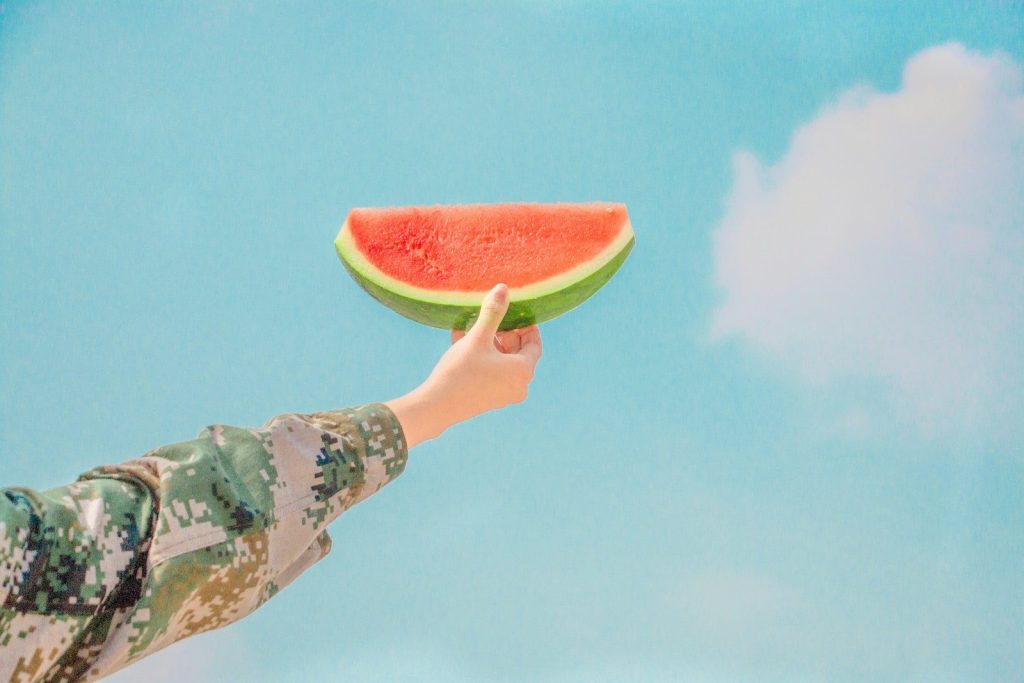
The pale green rind of a watermelon contains citrulline, an amino acid linked to improved blood flow and reduced inflammation, in higher concentrations than the red flesh itself. Thinly sliced and added to a stir fry or blended into a smoothie, the rind adds a mild, slightly tangy flavor along with a nutrient most people throw away without a second thought.
The Anti-Inflammatory Boost Was Already in Your Fruit Bowl
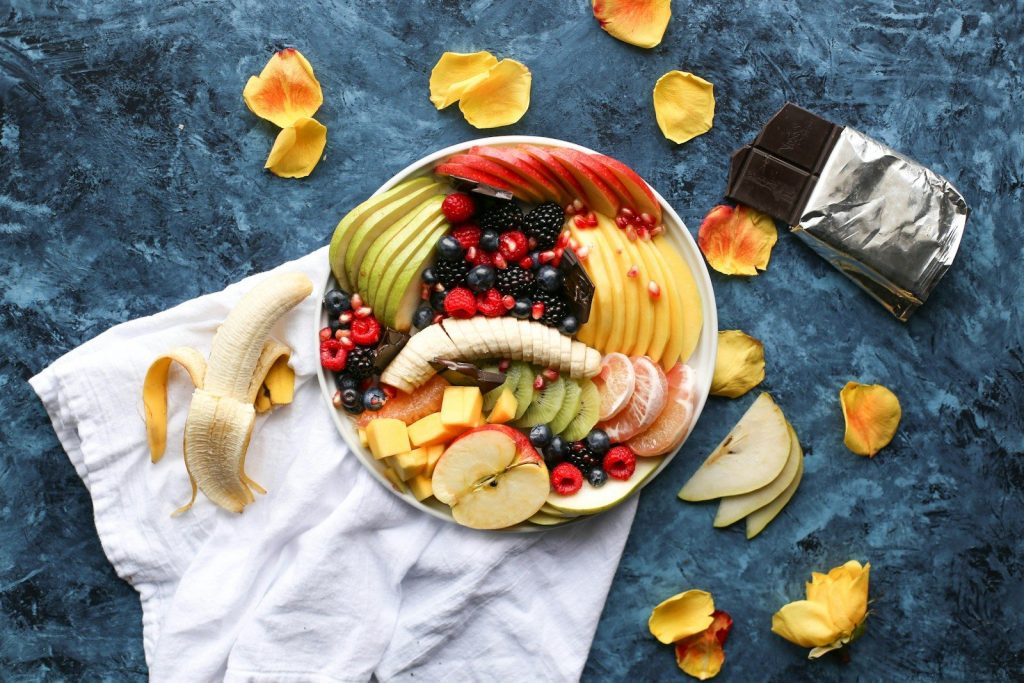
Most of these hacks are not about adding anything new to your shopping list. They are about using fruit you already buy a little differently, whether that means keeping a part you normally toss, freezing something at the right moment, or pairing it with one extra ingredient. None of it takes extra time, but over weeks and months these small shifts add up to a noticeably different plate.