

Most people assume the AC or the heater is the main reason their electricity bill keeps climbing, and while those certainly play a part, they are rarely the whole story. A lot of the drain happens quietly in the background, from things that are switched off but not really off, or running longer than they need to. Here is where that extra electricity is actually going.
Phone Chargers Left Plugged
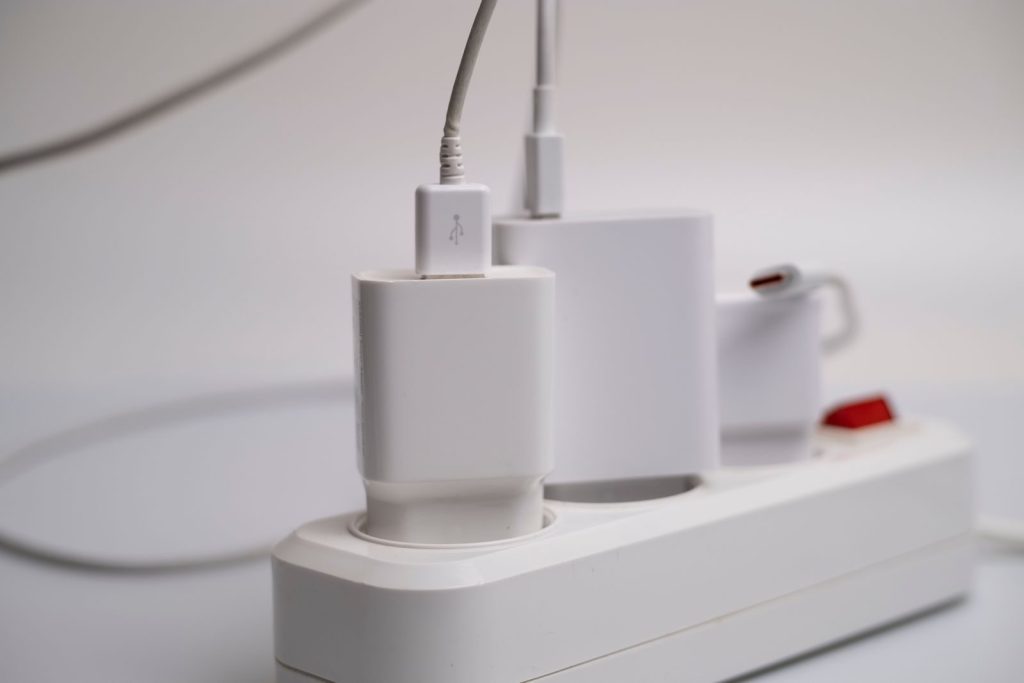
A charger plugged into an outlet still pulls a small amount of power even when no phone is attached to it. On its own that amount looks tiny, but multiply it across every charger, every outlet, and every day of the year and it adds up to a real number on your bill. Unplugging chargers when they are not in use costs nothing and takes seconds.
An Old Refrigerator Still Running in the Garage
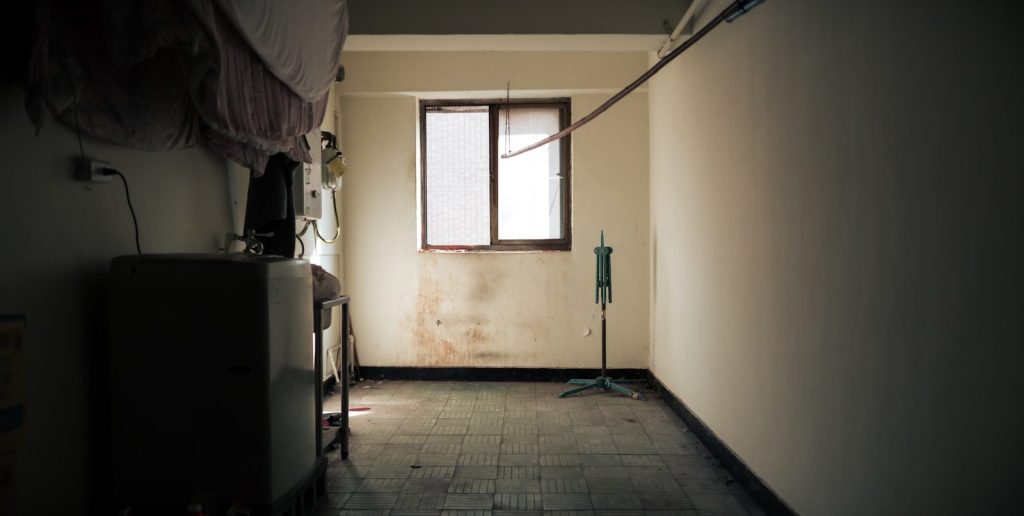
Older refrigerators were simply not built with the energy efficiency standards that newer models meet, and a second fridge running in a garage or basement for the occasional extra drinks is often one of the biggest hidden costs in a home. If it is mostly empty or rarely opened, the cost of keeping it running around the clock usually outweighs the convenience.
Incandescent Bulbs Still Screwed In Around the House
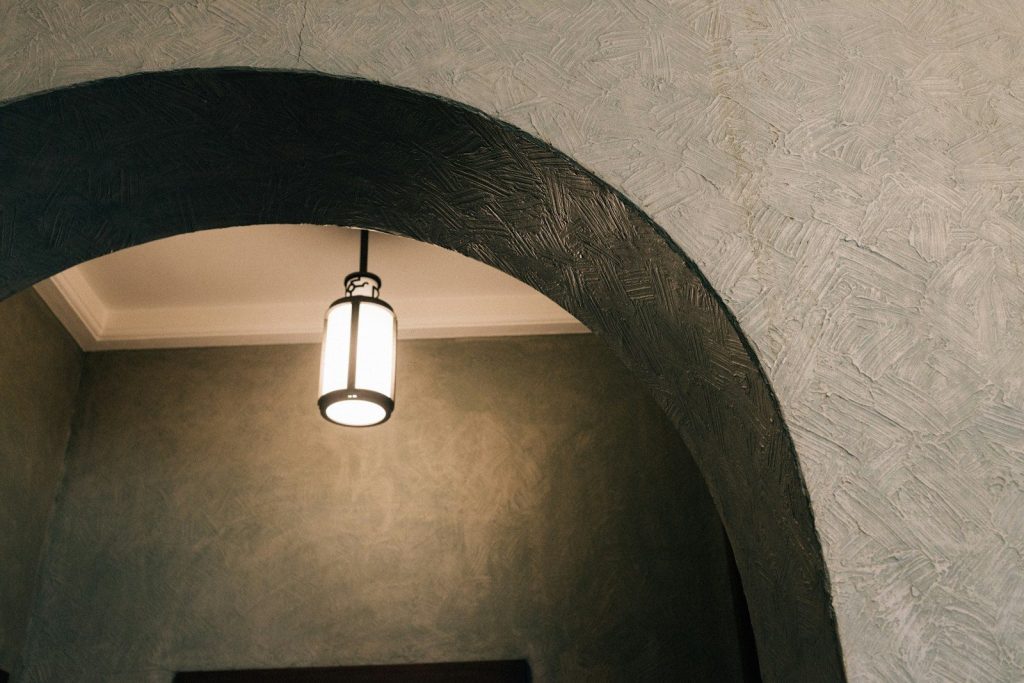
Incandescent bulbs lose most of their energy as heat rather than light, which means they are working harder and costing more for the same amount of brightness as an LED. A single bulb might not seem significant, but a house full of them running for hours every evening is one of the easiest and most overlooked switches to make.
A TV and Cable Box That Never Actually Turns Off

Pressing the power button on a remote usually puts a TV and cable box into standby mode rather than turning them off completely. In that mode they continue drawing power so they can start up instantly when you press the button again. Multiply that by every screen in the house staying in standby all day and overnight, and it becomes a steady background drain that never shows up as an obvious cause.
A Water Heater Set Higher Than It Needs to Be
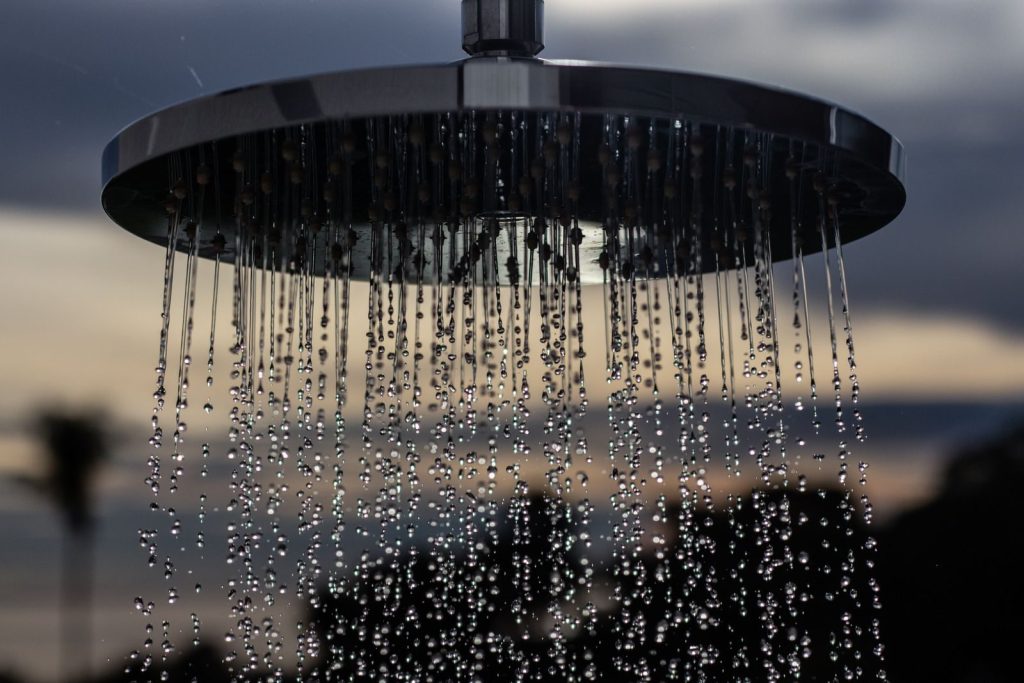
Most water heaters come set to a temperature far hotter than anyone actually needs for showers or washing dishes. Every degree above what you actually use is energy spent heating water that gets mixed with cold water anyway before it ever reaches you. Lowering the thermostat on the unit itself is a one-time adjustment that keeps paying off every single day.
The Heated Dry Setting on Your Dishwasher
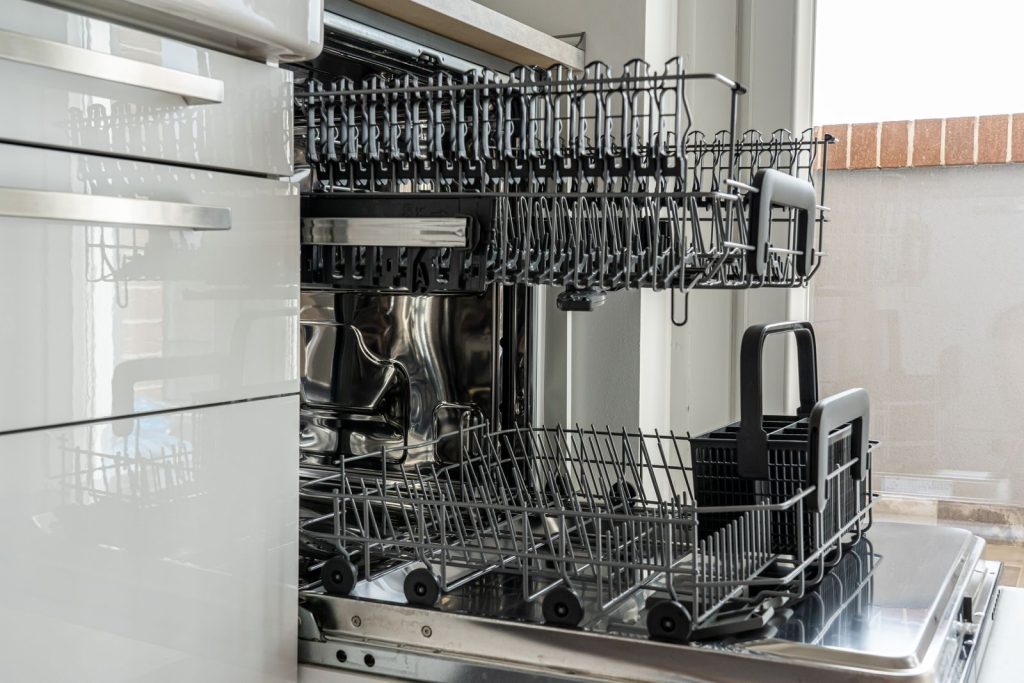
Most dishwashers default to a heated dry cycle that runs a heating element for an extended period after the wash itself is already done. Switching to an air dry or open door setting skips that final energy heavy step entirely, and dishes still end up just as clean, they simply take a little longer to fully dry on their own.
An Air Conditioner Working Against a Dirty Filter
A clogged air filter forces an air conditioning unit to work significantly harder to push the same amount of cool air through the house. That extra effort translates directly into extra electricity use, and it happens gradually enough that most people never connect a rising bill to a filter that has not been changed in months.
A Space Heater Left Running Longer Than the Room Needs It
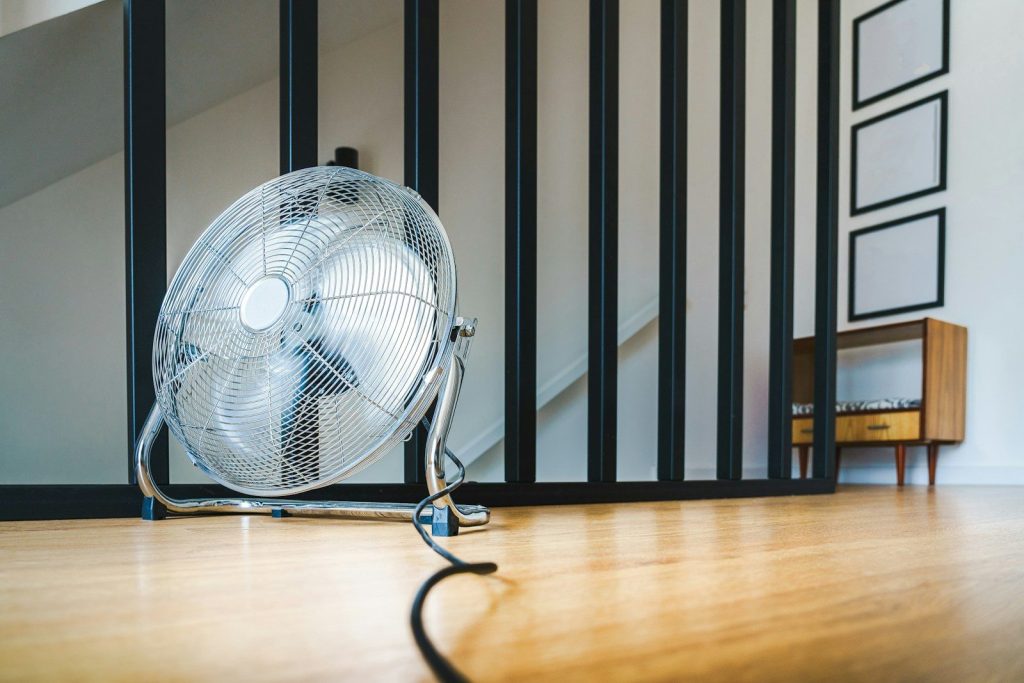
Space heaters are convenient for warming up a small area quickly, but they are also one of the most electricity hungry devices in any home per hour of use. Leaving one running in an empty room, or running long after the room has already warmed up, turns a quick fix into one of the most expensive habits in the entire house.
Small Drains Add Up to a Big Bill

None of these things look like much on their own, which is exactly why they go unnoticed for so long. A charger here, a fridge there, a setting left on default since the day it was installed. Once you start noticing where the small leaks are, the bigger picture of your electricity bill starts to make a lot more sense, and so does the path to bringing it down.