

Rabbits can be both charming visitors and frustrating garden guests. A hungry rabbit can quickly nibble through tender vegetables, flowers, and young plants, leaving gardeners wondering how to protect their hard work. Fortunately, it is possible to reduce rabbit damage without harming the animals.
With a few thoughtful strategies, you can encourage rabbits to forage elsewhere while keeping your garden productive and healthy.
Install Low Garden Fencing
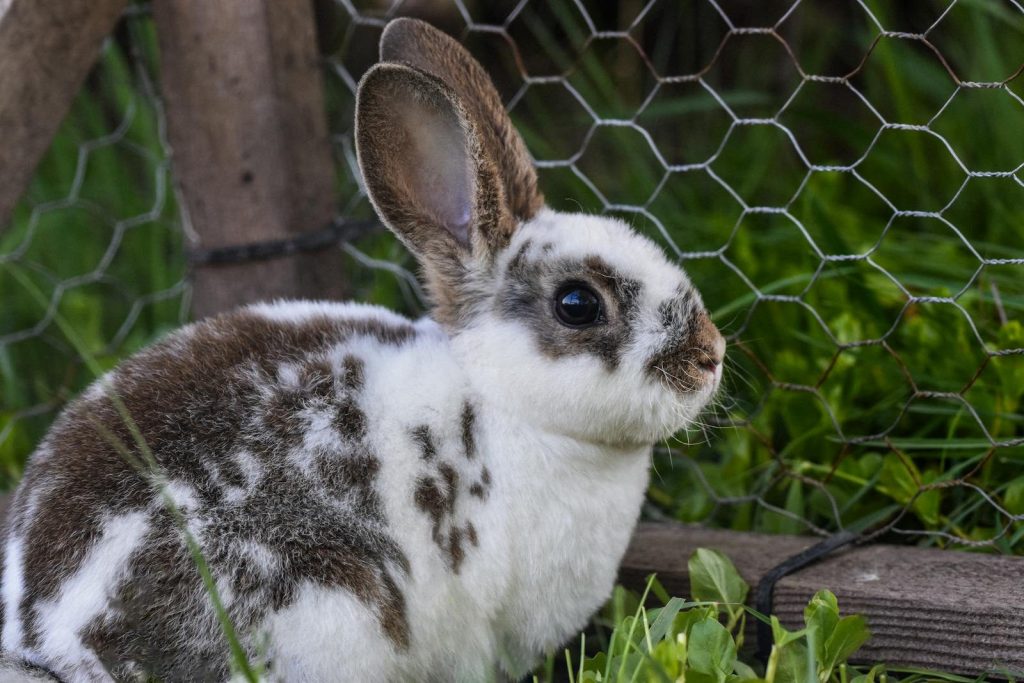
A simple fence is often one of the most effective ways to discourage rabbits from entering garden beds.
Rabbit fencing should be made of wire mesh with small openings and stand at least two feet high. Extending a portion of the fence below ground can also help prevent rabbits from squeezing underneath.
This approach works especially well around vegetable gardens and newly planted areas.
Grow Rabbit-Resistant Plants
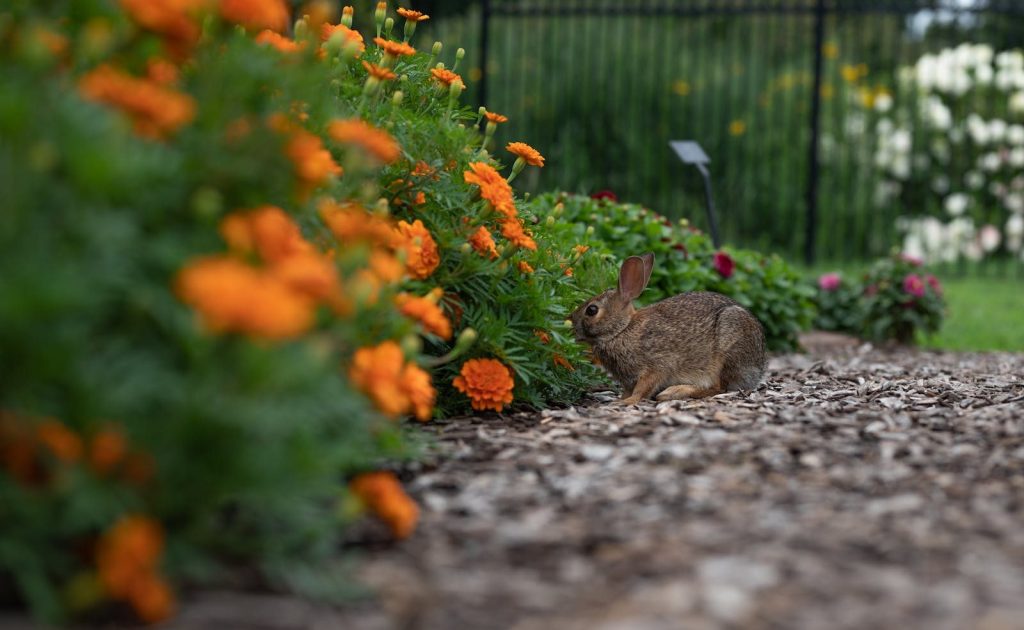
Some plants are less appealing to rabbits because of their scent, texture, or flavor.
Lavender, marigolds, rosemary, sage, and daffodils are commonly included on lists of rabbit-resistant plants. Mixing these throughout the garden may help make nearby crops less attractive.
While no plant is completely rabbit-proof, some are naturally less tempting than others.
Protect Young Seedlings
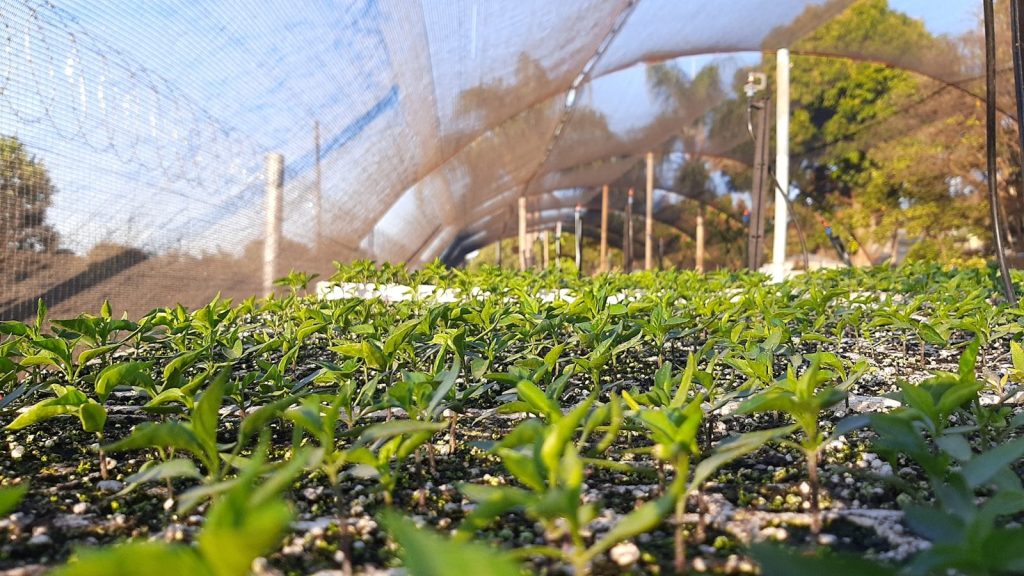
Young plants are often more vulnerable to rabbit browsing than mature ones.
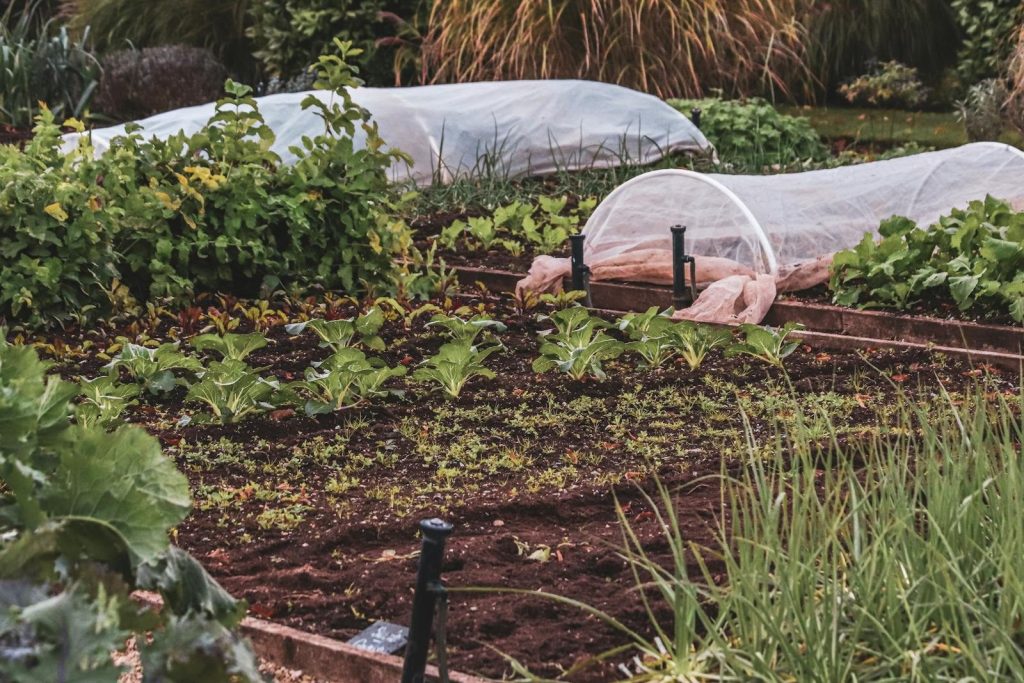
Using small plant cages, cloches, or temporary covers can help protect seedlings during their early growth stages. Once plants become larger and more established, they may be better able to tolerate occasional nibbling.
Remove Hiding Spots Near Garden Beds
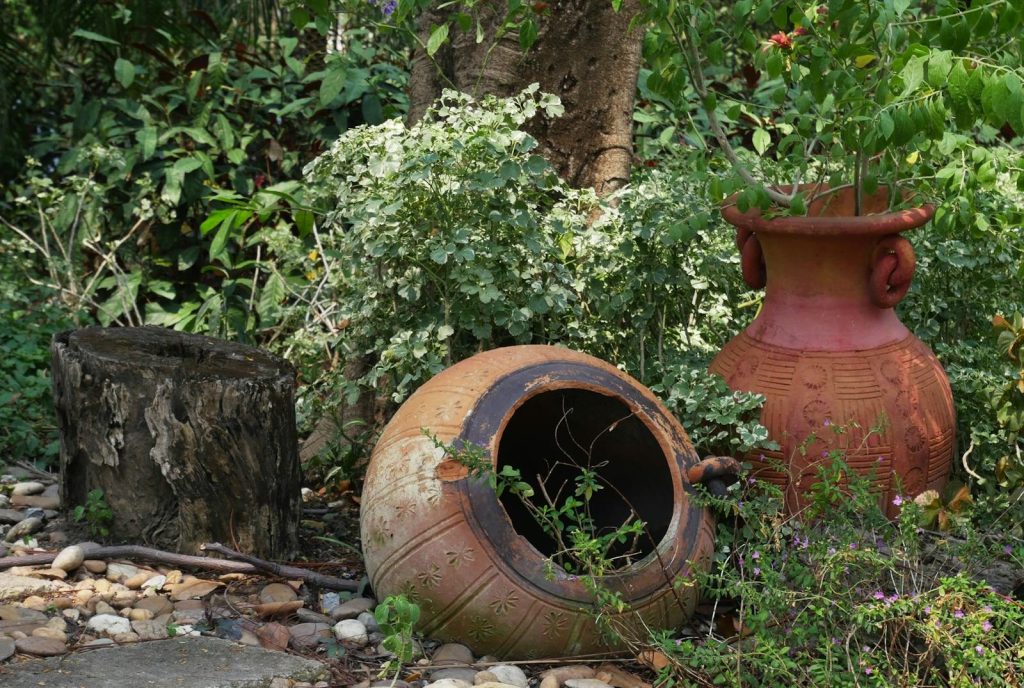
Rabbits prefer areas where they can quickly retreat to cover if they sense danger.
Keeping tall weeds, brush piles, dense ground cover, and clutter away from garden edges can make the space less inviting. A tidier perimeter may encourage rabbits to spend less time near your crops.
Use Raised Beds
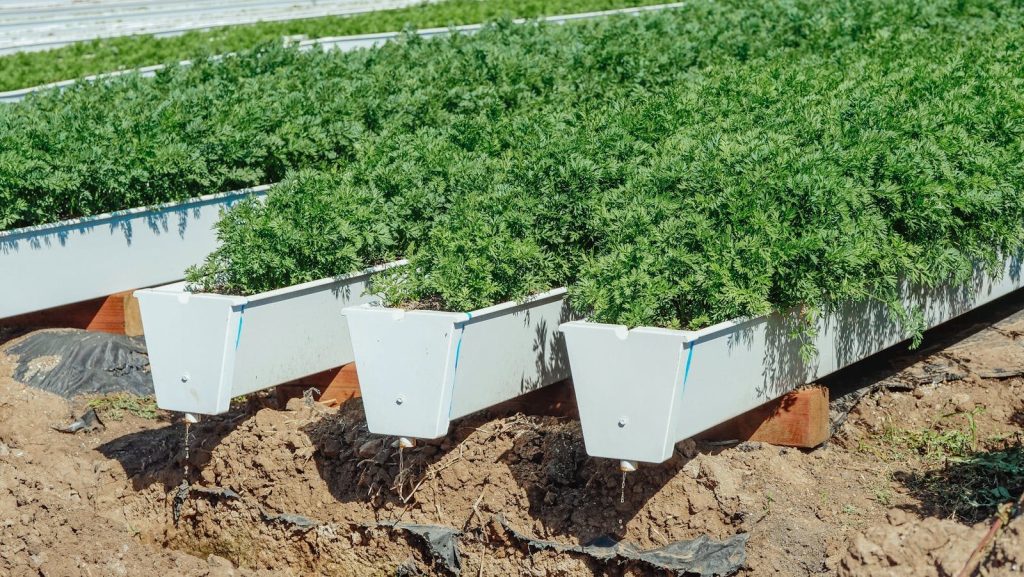
Raised beds can create an additional obstacle between rabbits and vulnerable plants.
Adding a wire barrier around the sides of raised beds provides even more protection while still maintaining an attractive garden design.
Many gardeners find raised beds easier to manage for several reasons beyond rabbit control.
Apply Natural Scent Deterrents
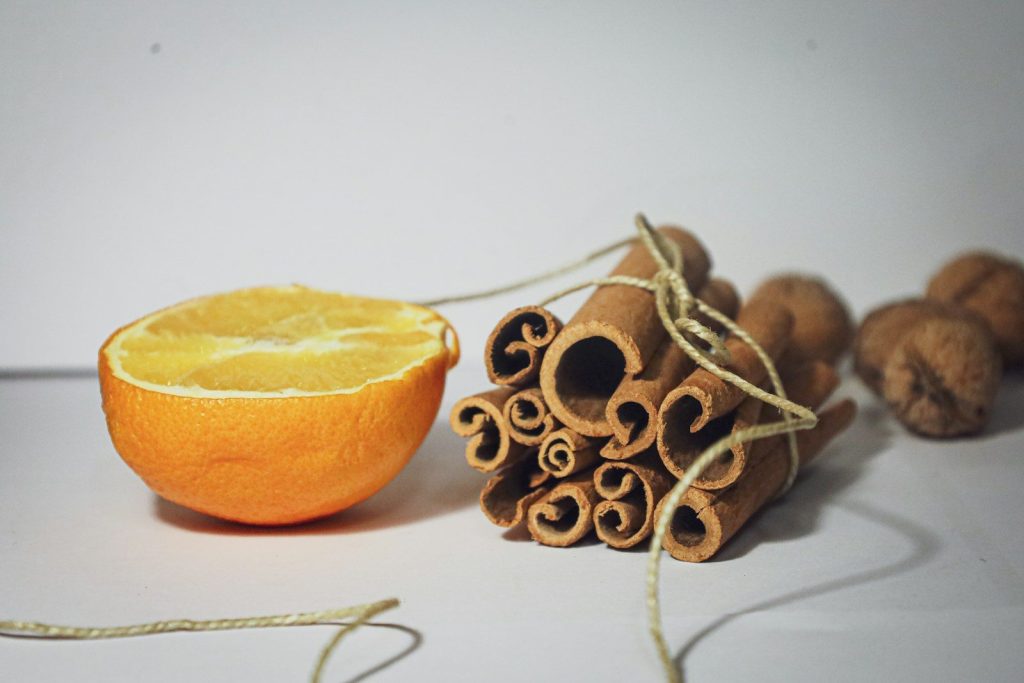
Certain scents may help discourage rabbits from lingering in the garden.
Products designed specifically for rabbit deterrence are available at many garden centers. Some gardeners also use strongly scented herbs nearby to help reduce browsing activity.
Because weather can weaken scents over time, reapplication may be necessary after rain.
Harvest Produce Promptly
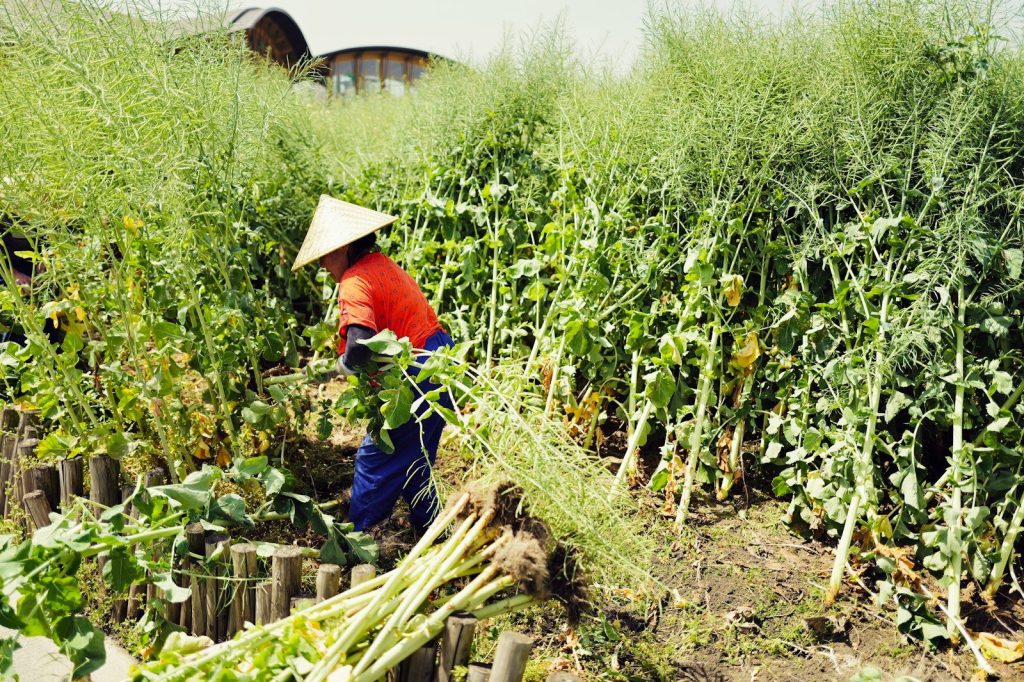
Ripe fruits and vegetables can attract wildlife looking for an easy meal.
Harvesting crops as soon as they are ready reduces temptation and helps prevent damage from becoming a recurring problem.
Regular harvesting also encourages many plants to continue producing throughout the season.
Create a Separate Wildlife-Friendly Area
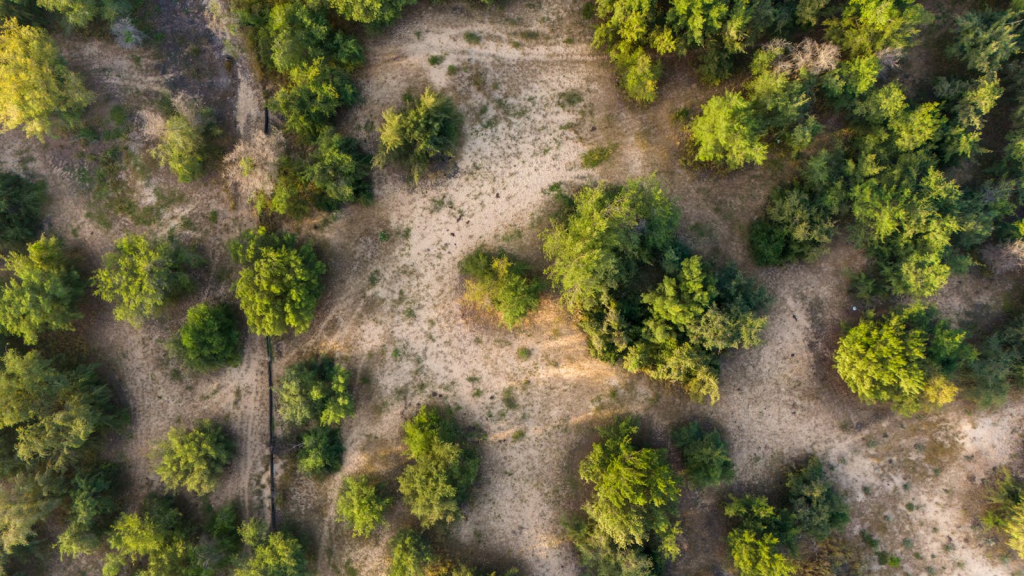
Some gardeners choose to set aside a small section of their property with native grasses and plants that appeal to local wildlife.
Providing an alternative feeding area away from vegetable beds may help reduce pressure on cultivated plants while supporting local ecosystems.
This approach can contribute to a more balanced outdoor environment.
Stay Consistent With Garden Maintenance
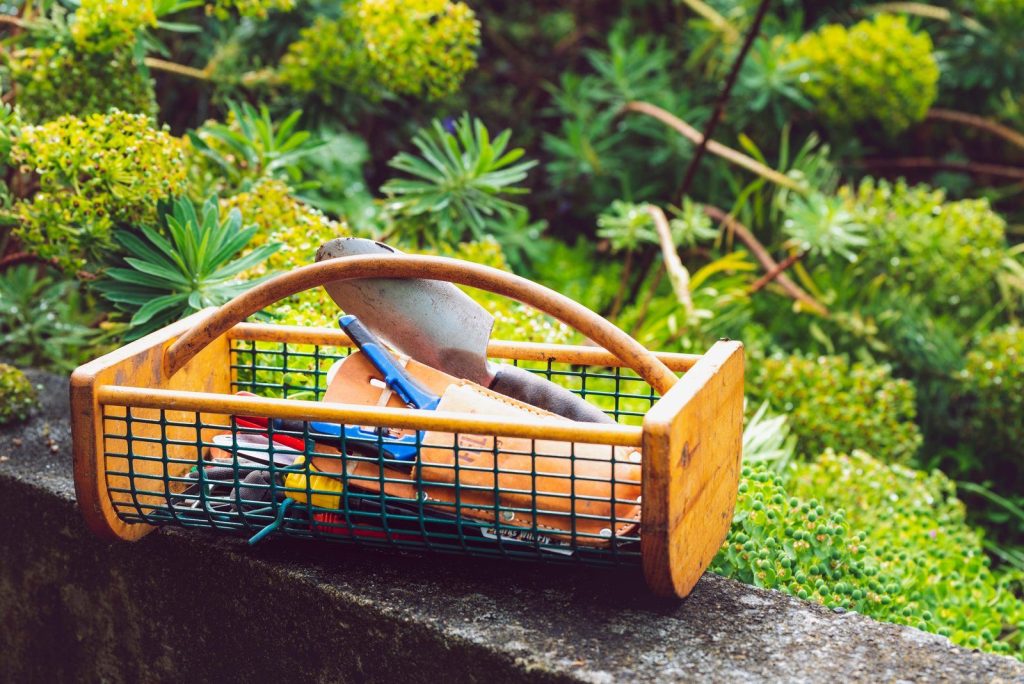
Rabbit control often works best when multiple strategies are used consistently.
Checking fences, replacing damaged barriers, trimming overgrown areas, and monitoring vulnerable plants can help prevent small issues from becoming larger problems.
Regular attention often makes a noticeable difference over the course of the growing season.
Why Rabbits Visit Gardens
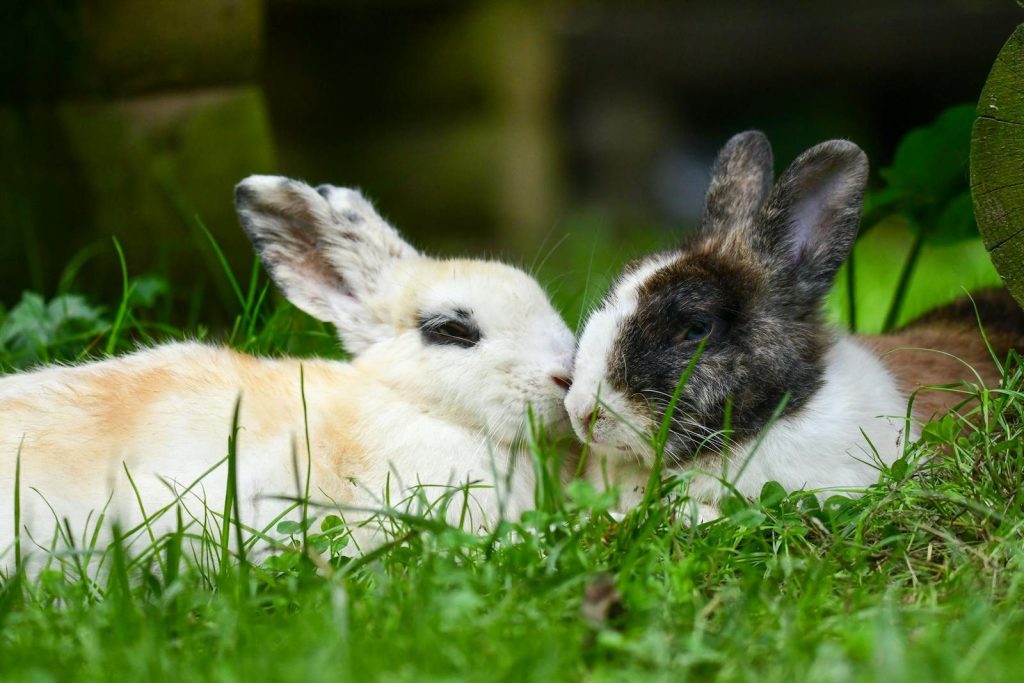
Gardens provide many things rabbits need, including food, shelter, and protection from predators. Tender shoots, leafy greens, and newly planted vegetables are especially attractive.
Understanding why rabbits are drawn to a space can make it easier to choose solutions that protect plants while allowing wildlife to remain part of the landscape.
Final Thoughts
Sharing outdoor spaces with wildlife can sometimes be challenging, especially when rabbits develop an appetite for garden crops. Fortunately, a combination of fencing, plant selection, and thoughtful garden design can help reduce damage without harming these animals.
With a little planning and consistency, gardeners can protect their harvest while continuing to enjoy the presence of local wildlife.