

This new fitness insight is changing how people think about daily movement and heart health. Instead of relying only on long walks or steady workouts, research points toward short bursts of intense effort that may deliver surprisingly strong cardiovascular benefits in less time.
The idea is not about replacing walking entirely but about upgrading how you move throughout the day. Even brief moments of higher intensity activity can create a training effect that supports heart function and overall fitness in a way many people overlook.
The one-minute movement hack that beats longer walks

Many people assume that longer workouts automatically deliver better heart health results, but this approach challenges that belief. A single minute of strong, intentional movement can activate your cardiovascular system in a more powerful way than a relaxed walk.
This quick effort pushes your heart rate up fast and forces your body to respond efficiently. Over time, these short bursts may help improve endurance and heart performance even without long exercise sessions.
Why short bursts wake up your heart faster

Short bursts of activity create a rapid demand for oxygen that your body has to meet immediately. This sudden shift makes your heart pump faster,r and your circulation works harder compared to slow, ow steady movement.
That quick spike is important because it trains your cardiovascular system to respond quickly under pressure. It is a different kind of stimulus that can complement regular walking in a very effective way.
The stair sprint trick you can do anywhere

Stairs are one of the easiest ways to apply the tone-minute hack without special equipment. A fast climb for sixty seconds can elevate your heart rate quickly and engage major muscle groups at the same time.
You can do this at home or in public spaces whenever stairs are available. Even a few rounds spread through the day can create meaningful cardiovascular activity without a structured workout.
The hidden kitchen workout snack method

You do not need a gym to benefit from this approach because small daily moments can become opportunities for movement. While waiting for food or boiling water,r you can add quick bursts of activity that raise your heart rate briefly.
These tiny efforts may seem insignificant on their own, but they add up across the day. The key is consistency and turning ordinary pauses into mini fitness moments.
Why your breathing changes are a good sign

When you push into a short, intense burst, your breathing naturally becomes heavier. Instead of seeing this as discomfort,t it actually signals that your heart and lungs are working more efficiently.
This reaction is your body adapting to increased demand. Over time, these short challenges can help improve how effectively your cardiovascular system handles effort and recovery.
How to stack one-minute bursts through your day
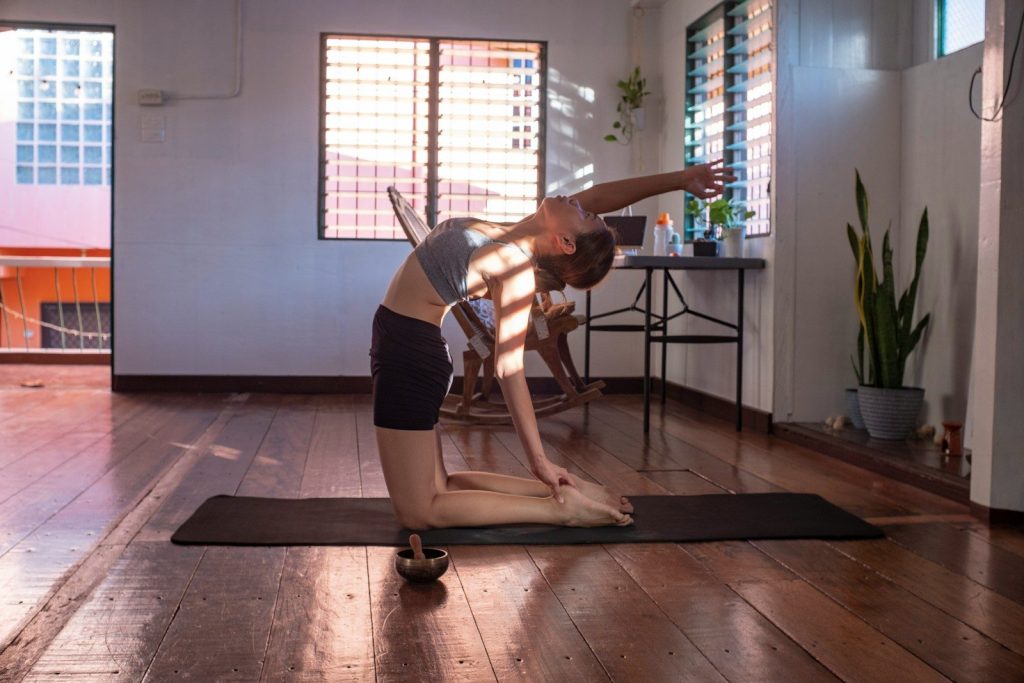
Rather than doing one long workout, you can spread movement throughout your schedule. One minute in the morning, another during lunch, ch and one in the evening can all contribute to heart health.
This stacking method works because your body responds to repeated effort. It turns small actions into a larger overall training effect without requiring long-term commitments.
Mistakes that cancel out the heart boost

One common mistake is not pushing hard enough during the burst. If the movement feels too easy, it will not create the same cardiovascular response that makes this method effective.
The effort should feel challenging and slightly uncomfortable, but still short. Without intensity, the hack loses its purpose and becomes just regular movement.
Turning one minute into a daily heart habit
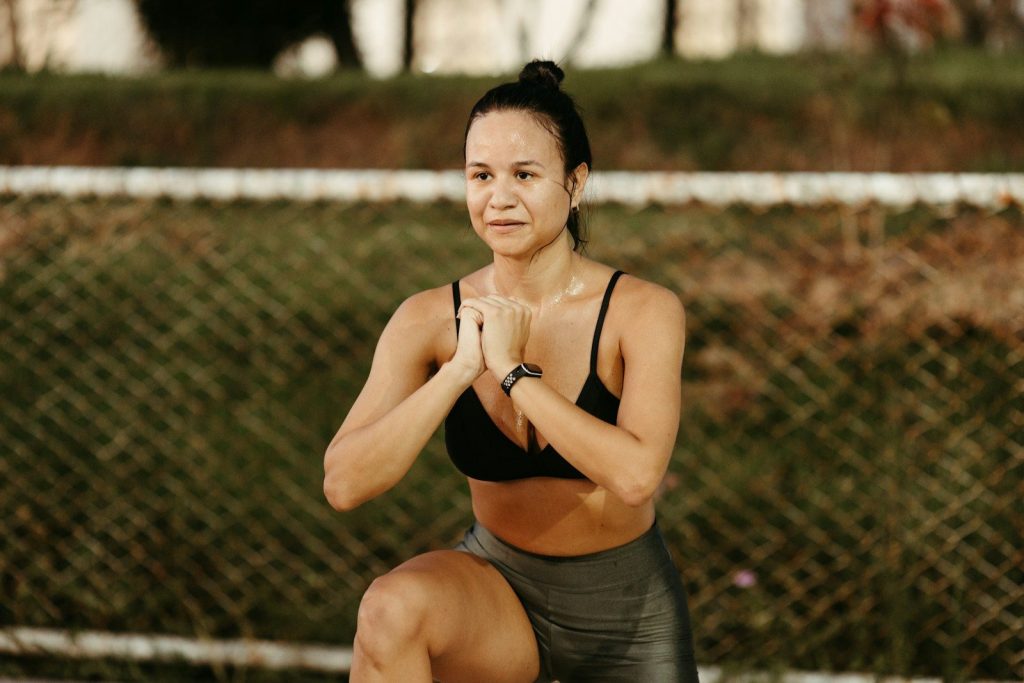
The real power of this approach comes from making it part of your routine. Attaching it to everyday triggers like stairs or short breaks helps it become automatic over time.
As these moments build up,p they form a simple but effective way to support heart health. It shows how small, consistent actions can add meaningful benefits without major lifestyle changes.