

Oncologists occupy a strange position when it comes to food. They spend their careers watching what happens when the body’s cellular machinery breaks down over time, and a significant part of their training involves understanding the environmental and dietary triggers that accelerate that process. So when the same specialists consistently avoid certain foods in their own lives, it is worth paying attention. These are not influencer opinions or wellness trends. These are quiet, firm personal choices made by people who genuinely know too much to look the other way.
They Will Not Touch Microwave Popcorn and the Reason Has Nothing to Do With Calories
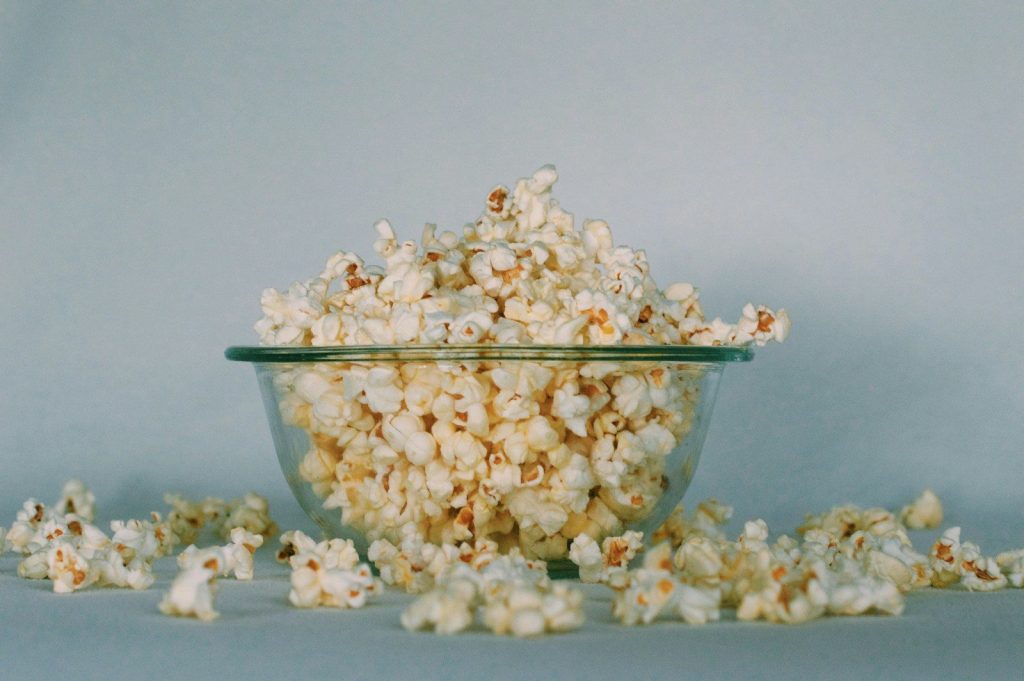
The popcorn itself is not the issue. It is the bag. Traditional microwave popcorn bags are lined with compounds that break down under high heat and migrate into the food during cooking. Oncologists who know the research on these compounds tend to make popcorn the old-fashioned way on the stovetop or avoid it in microwave bag form entirely. It is one of those swaps that takes thirty seconds to make and costs almost nothing but carries a very different risk profile. The fact that it is marketed as a light snack makes it one of the more deceptive items in a grocery store.
They Avoid Canned Tomatoes Specifically, Even When They Buy Other Canned Goods
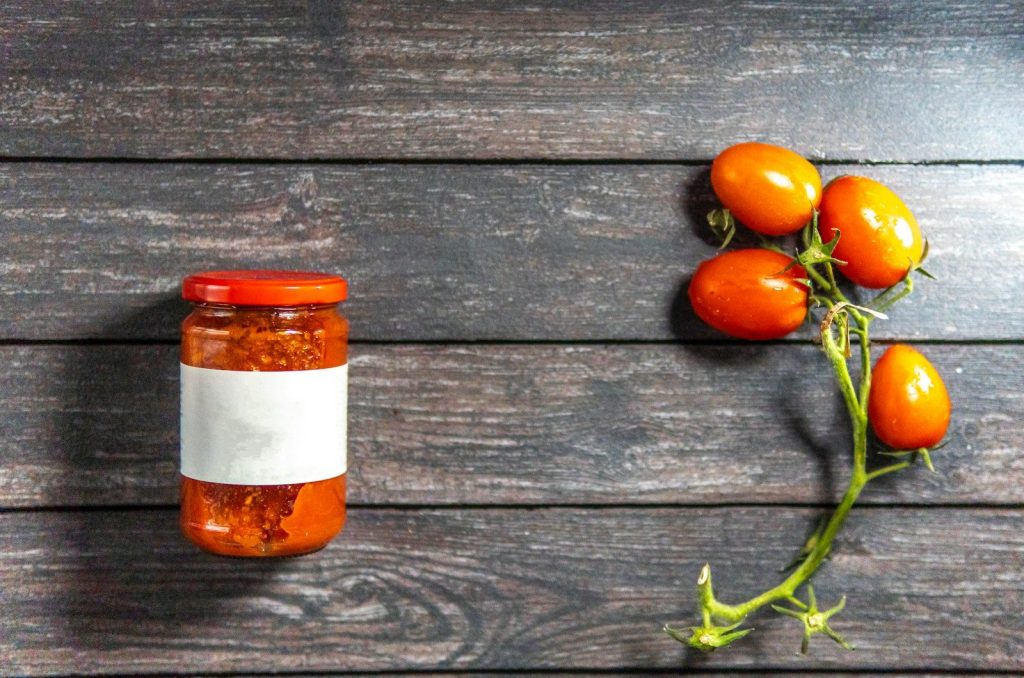
Tomatoes are acidic. That acidity causes them to leach compounds from the lining of cans more aggressively than almost any other canned product. The lining used in many canned goods has been studied extensively in relation to hormonal and cellular disruption. Oncologists who are otherwise relaxed about canned foods tend to draw a specific line at canned tomatoes and switch to glass jar alternatives or fresh tomatoes instead. It is a very targeted swap that most people would never think to make because tomatoes are considered a healthy food in every other context.
They Treat Farmed Salmon Differently From Wild Caught and Have Specific Reasons Why

Salmon has a broadly positive reputation, and most of it is deserved. But oncologists tend to be deliberate about sourcing. Farmed salmon are raised in conditions that require higher use of certain feed additives and, in some cases, treatments that leave residues in the flesh. Wild-caught salmon have a fundamentally different nutritional and chemical profile. Oncologists who eat salmon regularly tend to pay close attention to the label and will skip it entirely at restaurants where the sourcing is unclear, rather than assume it is fine.
They Never Reheat Food in Plastic Containers, Not Even Once
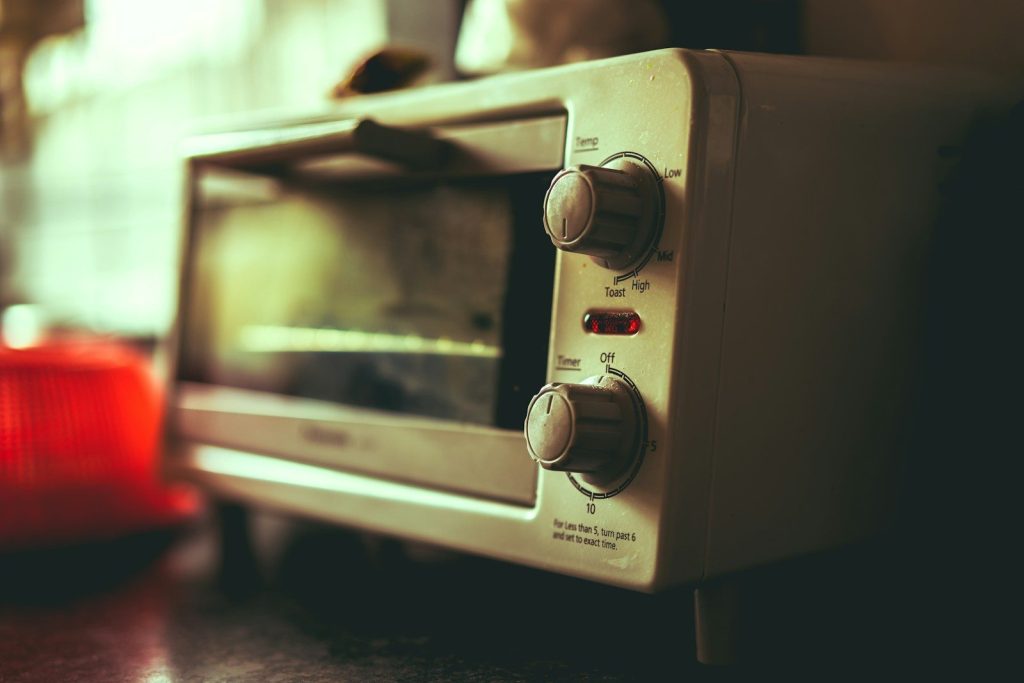
This is one of the most consistent habits across oncologists regardless of their specific specialty or research focus. Heating food in plastic, even containers labeled microwave safe, causes compounds in the plastic to migrate into the food at a rate that increases significantly with temperature. Microwave safe means the container will not melt. It does not mean nothing is transferring into your food. Oncologists use glass or ceramic for reheating without exception. It is a habit so ingrained that many of them find it genuinely difficult to understand why it is not more widely known.
They Skip Fat-Free Salad Dressings and Reach for Olive Oil Instead
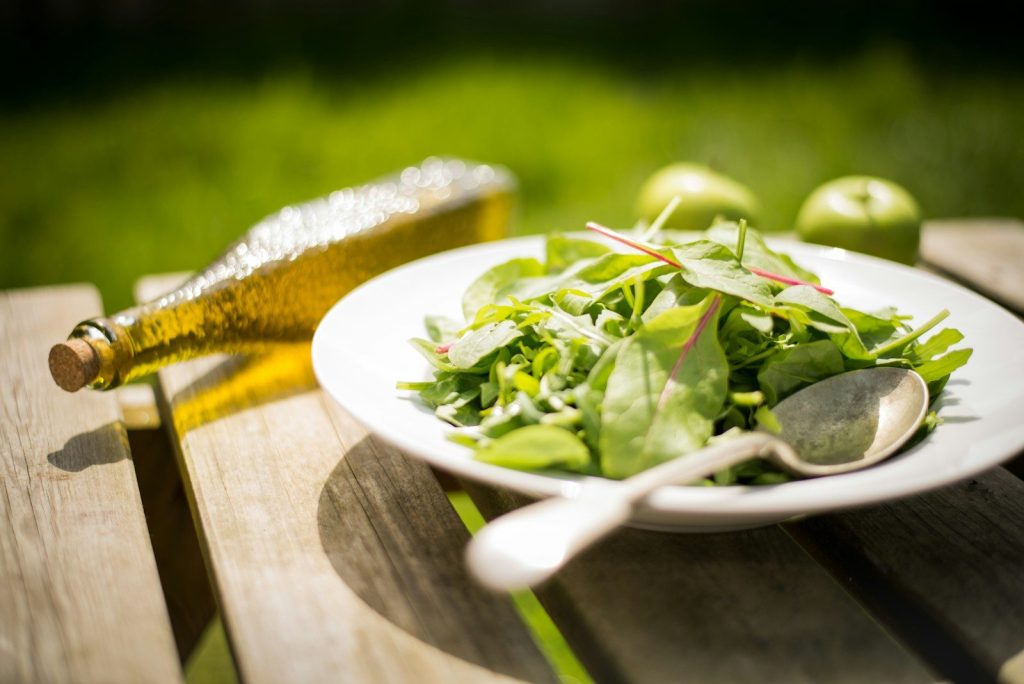
Fat-free dressings sound like a sensible health choice until you look at what replaces the fat. To maintain flavor and texture without fat, manufacturers typically load these products with sugar, modified starches, gums, and flavoring compounds. Oncologists who understand how certain nutrients are absorbed also know that many of the beneficial compounds in vegetables require fat to be properly taken up by the body, making fat-free dressing a double problem. A drizzle of quality olive oil and something acidic is what most of them actually use.
They Are Deeply Skeptical of Anything Labelled Zero Sugar

Artificial sweeteners have had a complicated relationship with research for decades and oncologists tend to land on the cautious side of that conversation. Many zero sugar products use sweetener combinations that have attracted ongoing scientific attention in relation to gut microbiome disruption and metabolic signaling. The idea that you can fool the body with a sweet taste that carries no calories has been increasingly complicated by research into how these compounds interact with gut bacteria and insulin response. Oncologists tend to prefer a smaller amount of real sugar over a larger amount of synthetic substitutes.
They Do Not Eat Burned or Heavily Browned Toast as a Habit
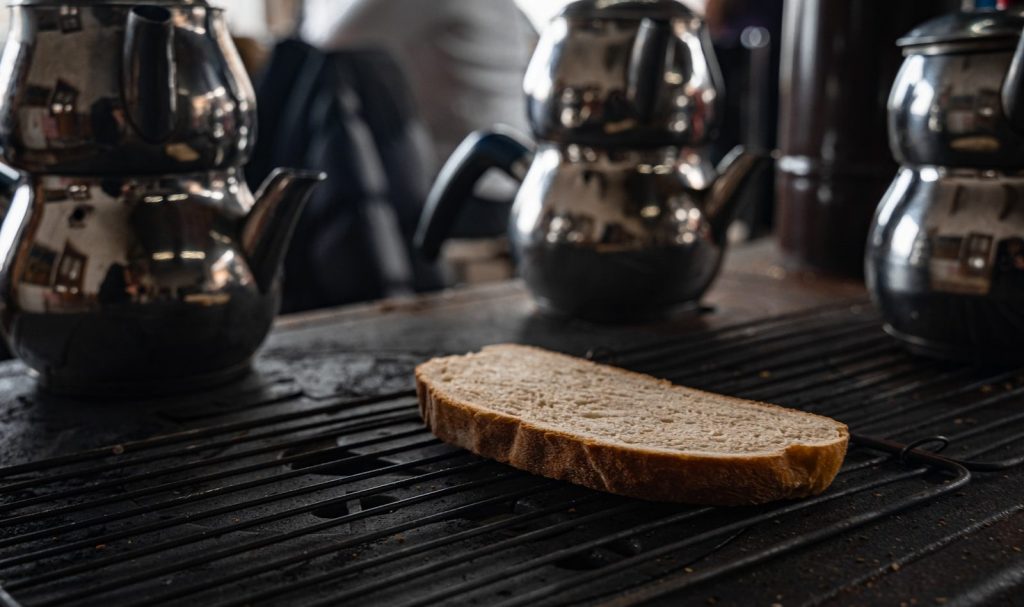
Acrylamide is a compound that forms in starchy foods when they are cooked at high temperatures, and it forms most visibly in things like heavily toasted bread, dark roasted potatoes, and overdone chips. The research on acrylamide has been significant enough that food safety agencies in multiple countries have issued guidance on it. Oncologists who are aware of this research tend to pull their toast out earlier than most people would consider done and avoid the darkest edges of roasted starchy foods. It is a minor adjustment that most people would never think twice about.
They Avoid Drinking From Plastic Bottles That Have Been Left in a Hot Car

The issue here is not the plastic bottle under normal conditions. It is the plastic bottle that has been sitting in a hot car, a warm bag, or direct sunlight for hours. Heat dramatically accelerates the rate at which plastic compounds migrate into the liquid inside and studies specifically looking at water bottles left in high-heat conditions have found measurable compound transfer into the water. Oncologists who carry water bottles use stainless steel or glass. When they are handed a plastic bottle that has been sitting in warmth, they quietly set it aside and find something else.
It Is Not Fear, It Is Just What Happens When You Know Too Much to Look Away
Oncologists are not anxious people making fearful food choices. Most of them are relaxed, practical, and realistic about the fact that no single meal determines anything. What they have is pattern recognition built over years of seeing what accumulates. The foods they avoid are not avoided out of panic. They are avoided the same way a mechanic avoids driving a car with a known fault. It is not drama. It is just applied knowledge. And most of them would tell you the swaps are genuinely easy once you stop thinking of them as sacrifices.